


Of the millions of tourists who visit Thailand each year, very few actually go here for a holiday. And for good reason: this is the heart of the northeastern region, more commonly known as Issan (or simply Isan for purists).
A region off the usual north-south axis, neglected due to its geographical isolation, but which may interest the curious and those returning to Thailand in search of lesser-known spots.
Nakhon Phanom usually serves mainly as a stopover on the way to Laos: on the other side of the Mekong is Thakhek, a city known for its motorbike loop and its caves (which we had just visited).
There is plenty to do, however, with some local attractions, the best known of which are the house of Ho Chi Minh, who lived here for a time, and, in a nearby locality, the temple and its chedi at That Phanom, one of the most sacred in the country.
At the gates of Laos… and Vietnam!
As I just mentioned, Nakhon Phanom faces Laos, a country now accessible via a Thai-Lao "friendship bridge" (the third of its kind allowing road access to Laos). The only drawback is that the bridge is about fifteen kilometers from the city center: it therefore takes more than 30 km to reach Thakhek from Nakhon Phanom.
It's a bit frustrating when you see these cities facing each other, only 1 km apart as the crow flies. Previously, the crossing was only possible by boat; these boats still operate, making the crossing for Thais who don't need a visa and enjoy the scenery from the water.
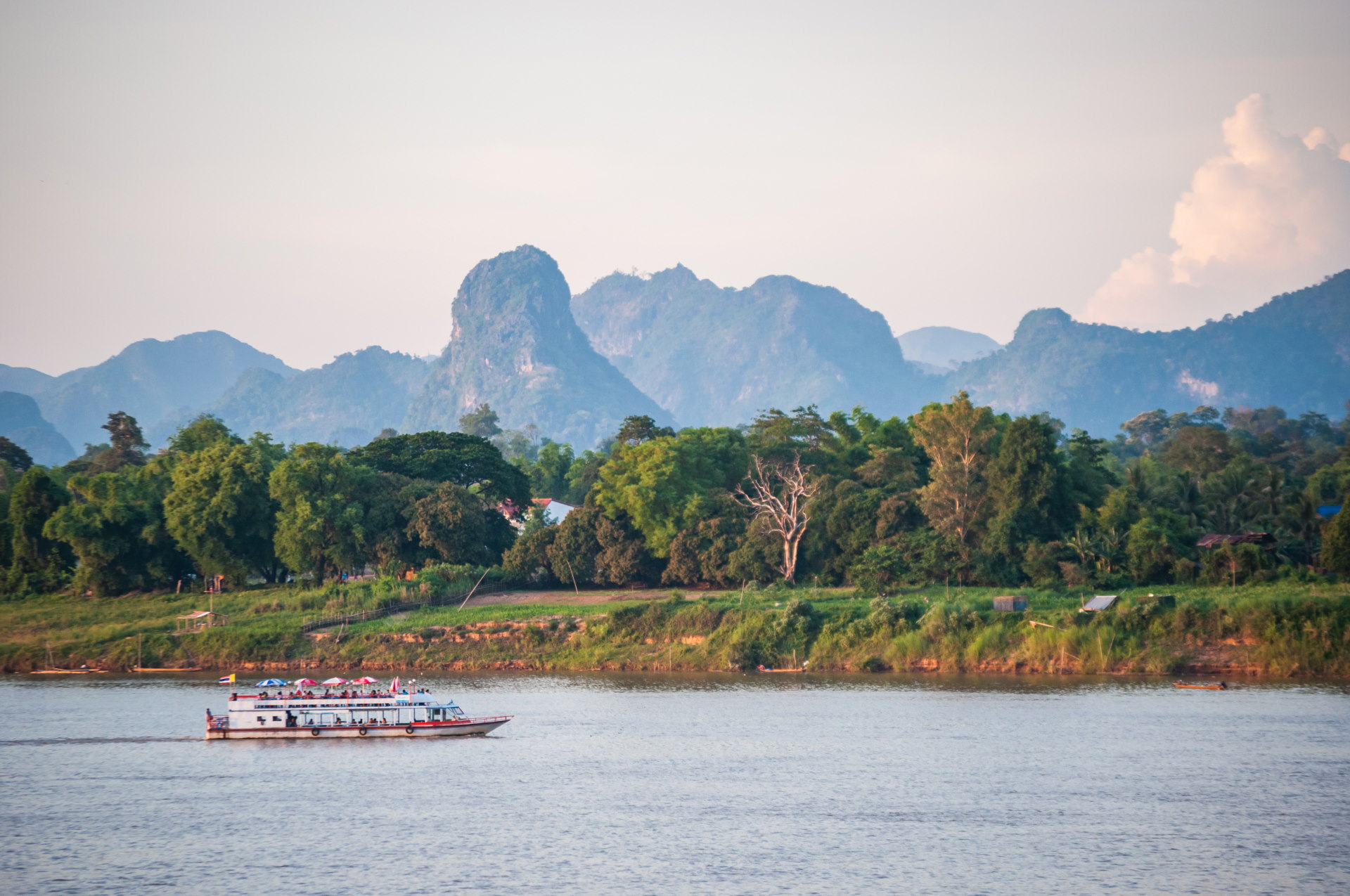
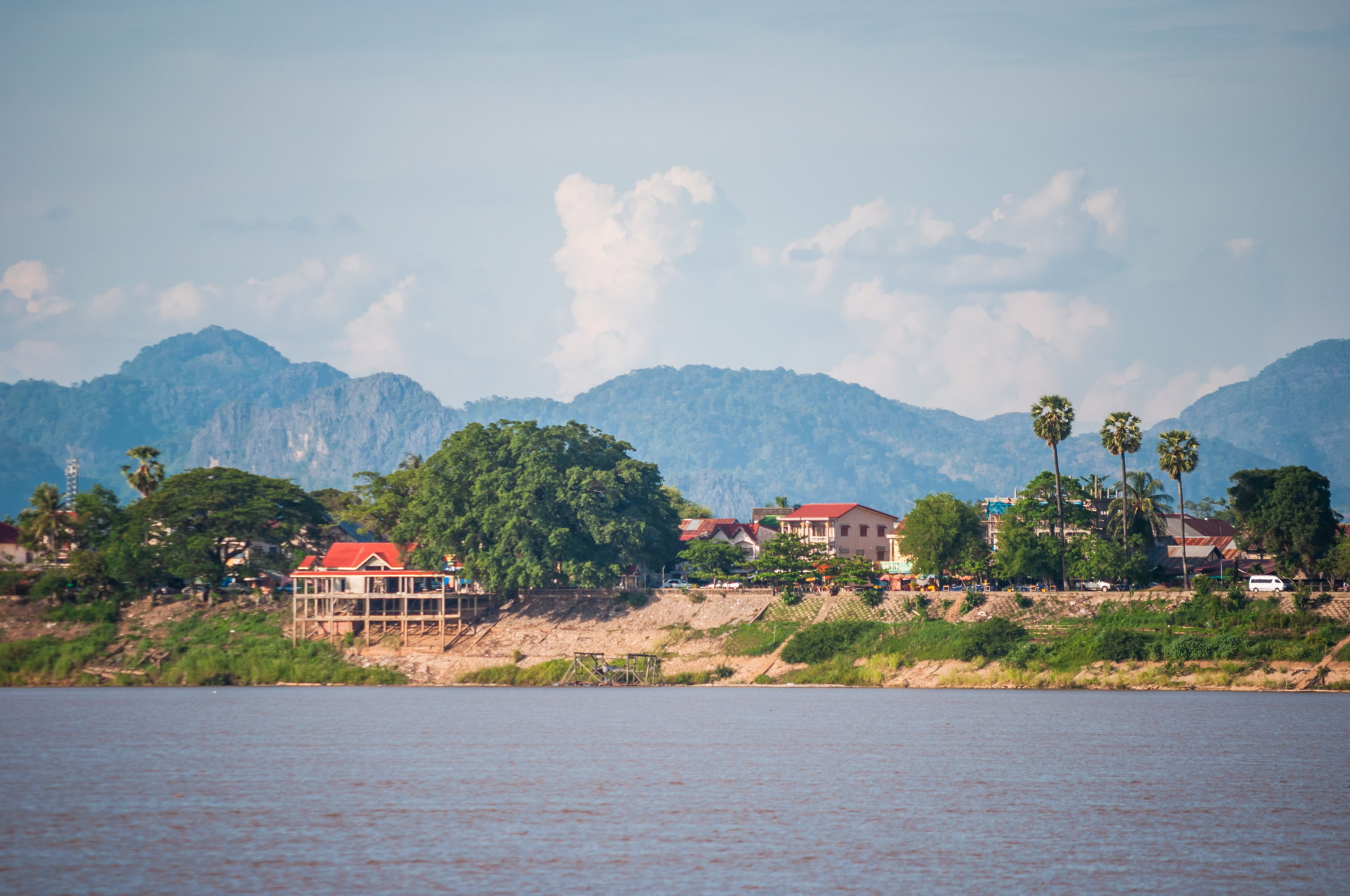
It should be noted that Nakhon Phanom was once part of Laos (until the end of the 19th century), so there is a common culture that can be found throughout the rest of this large region, including the regional language, Issan, a dialect close to Lao, and even the culinary specialties.
Nakhon Phanom also experienced significant Vietnamese influence due to its proximity to Vietnam. Indeed, Vietnam is only 150 km away at this precise location, and many Vietnamese fled the country during the period of French Indochina and the subsequent war, which lasted into the 70s.
Bike ride along the Mekong
Overall, it's a rather pleasant city for cycling along the river. It's a city that encourages you to slow down, sip a drink and/or eat on the terrace of a restaurant overlooking the karst cliffs of Laos.
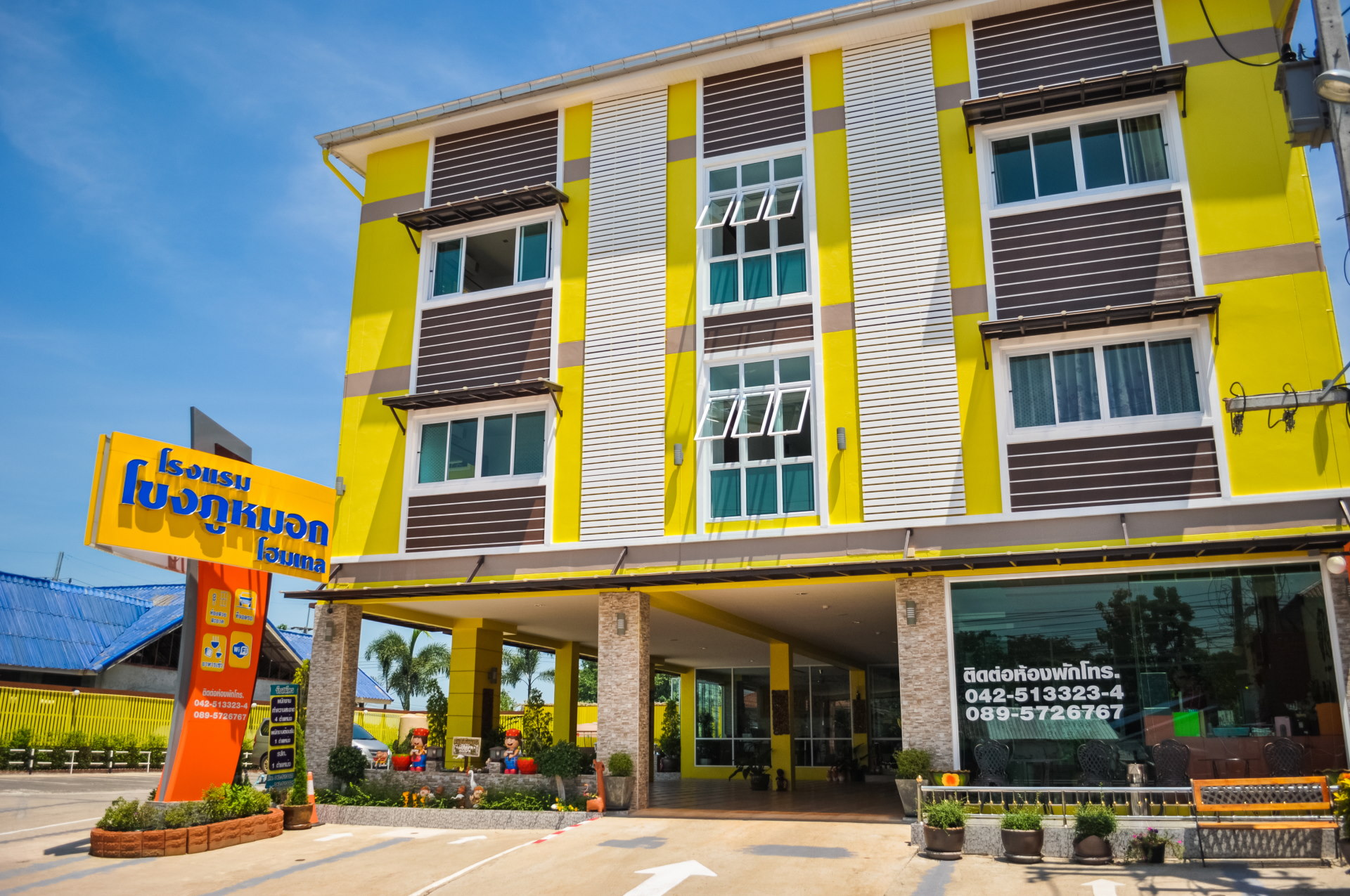
It was in this context that we began our visit to the small town, our hotel (the Khong Pu Mork) providing bicycles for this purpose. The hotel is a little out of the way to the north, so we headed straight south along the riverbank, passing by some notable buildings.
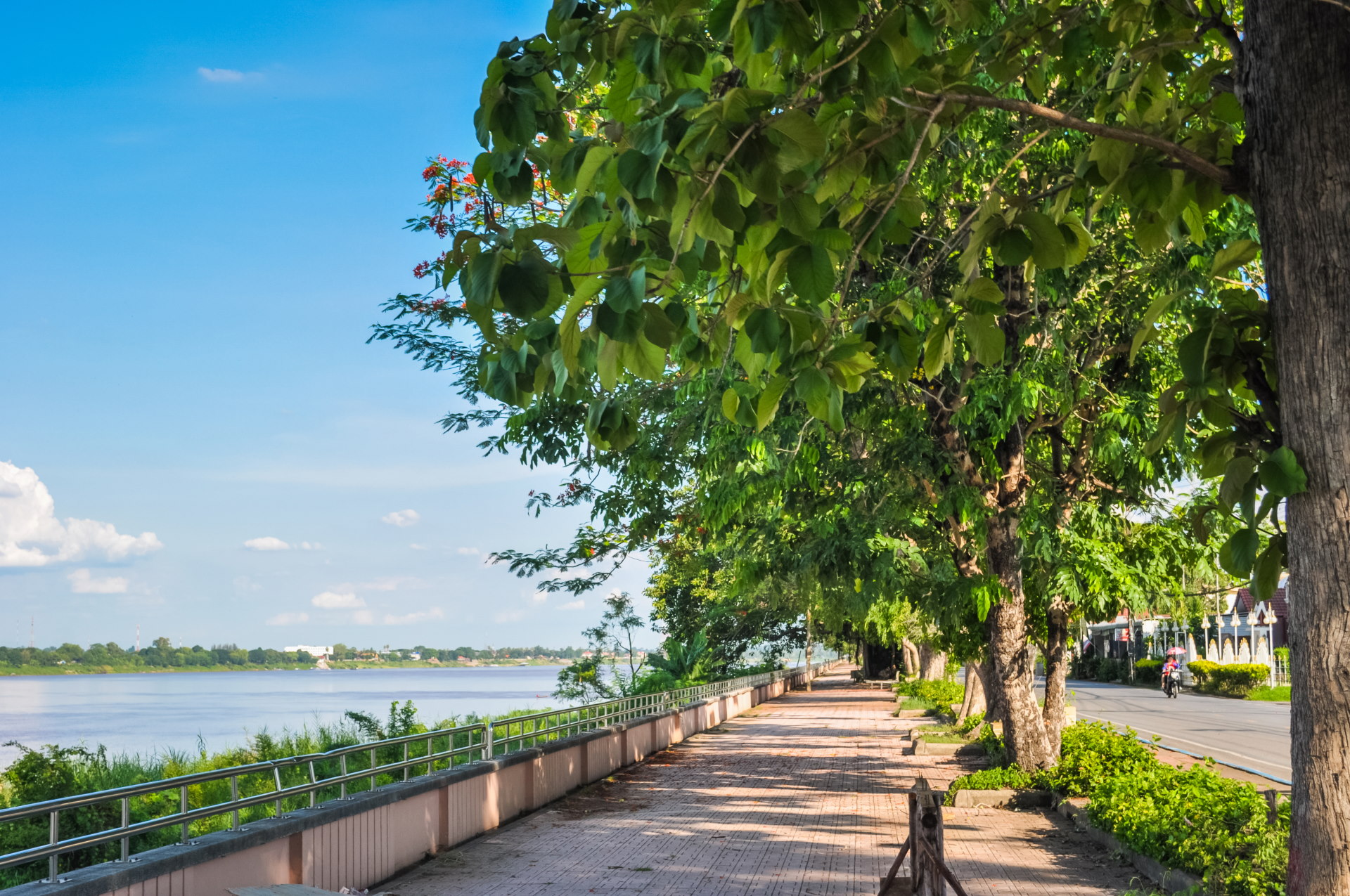
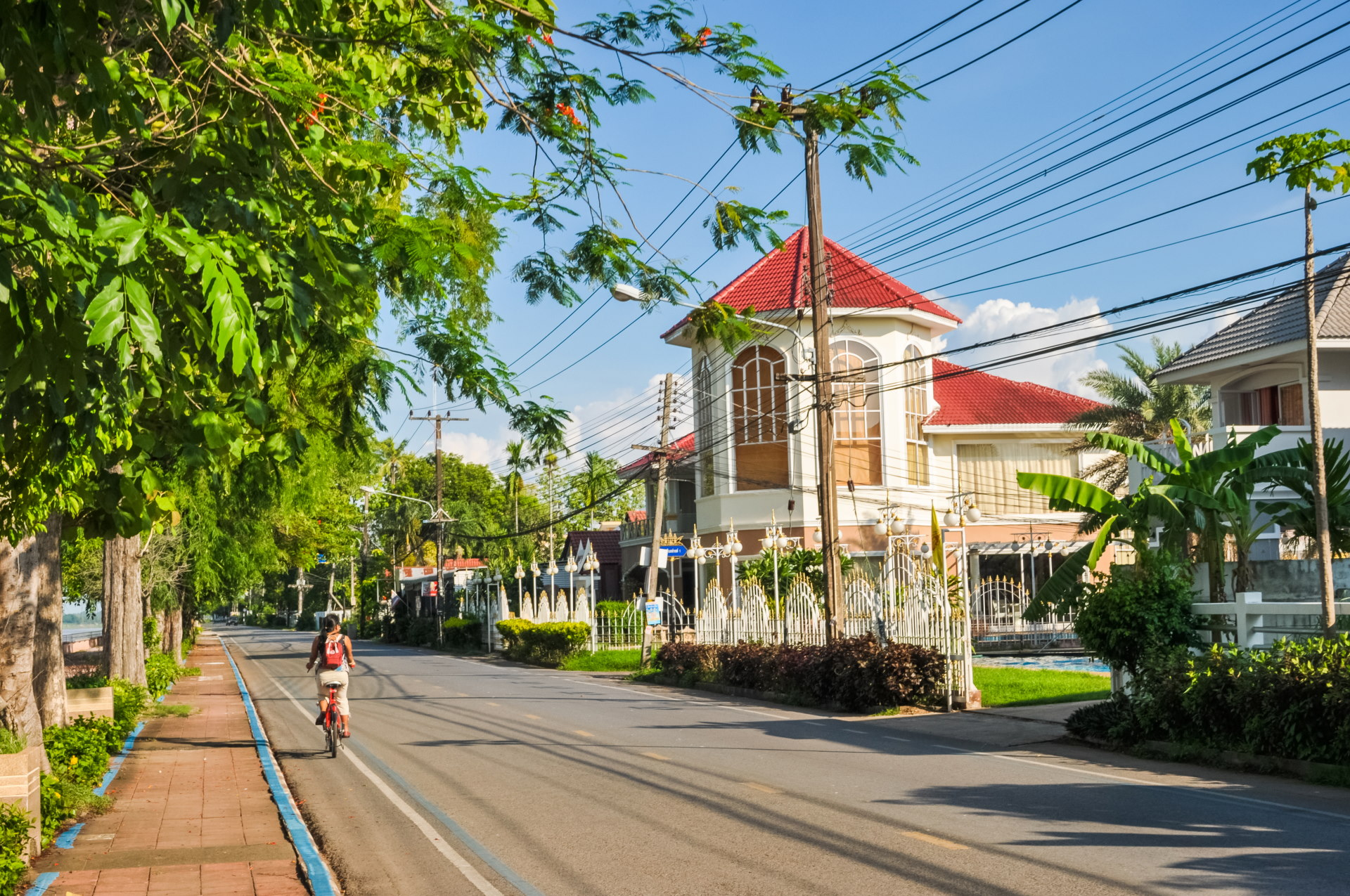
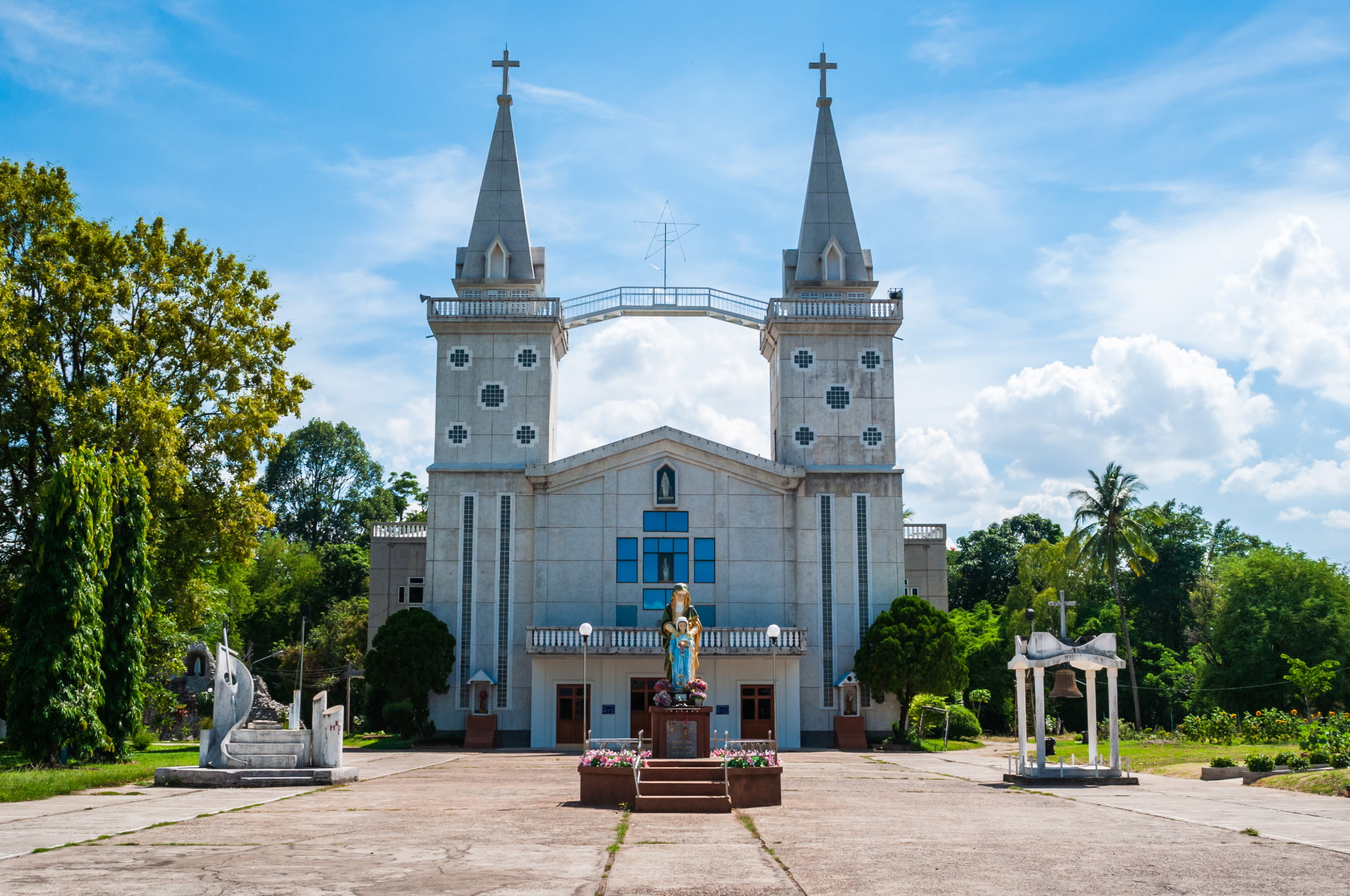
The first one you come across is St. Anne's Cathedral, a clear symbol of the cultural mix of this province. Built in 1926 by Father Edward Namlap, the version visible today is a 70s reconstruction, giving it a very rigid, all-concrete appearance, far removed from the styles to which one is accustomed.
It was not visible from the road, but next to it there is a beautiful colonial-style building dating from 1952 which serves as a memorial to the founder of this religious building.
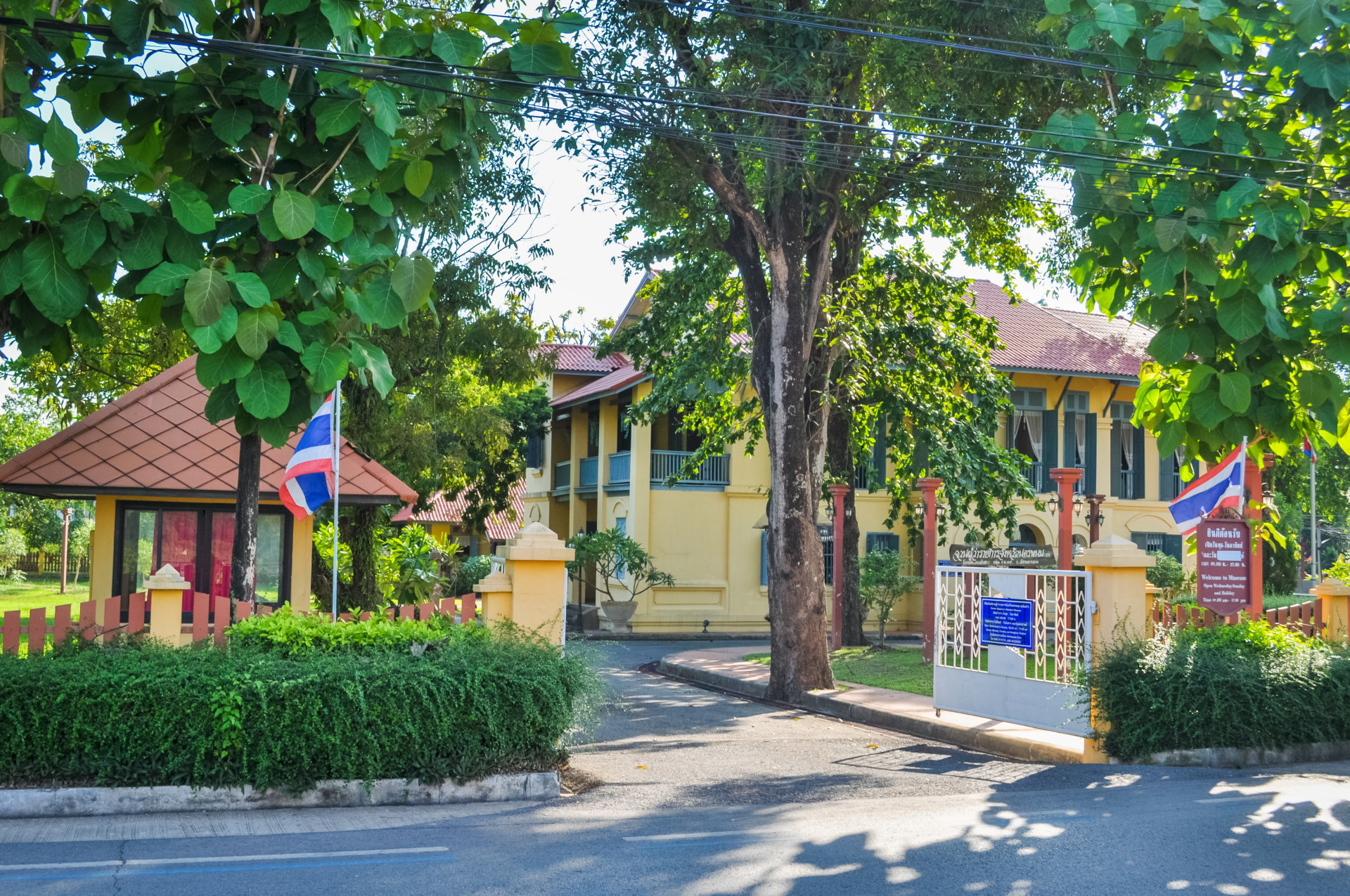
Shortly after, we passed the Nakhon Phanom Provincial Governor Residence Museum, which, as the name suggests, is the former residence of the provincial governor, now converted into a local museum. This house also served as the residence of the King and Queen of Thailand during a stay in Nakhon Phanom in 1955.
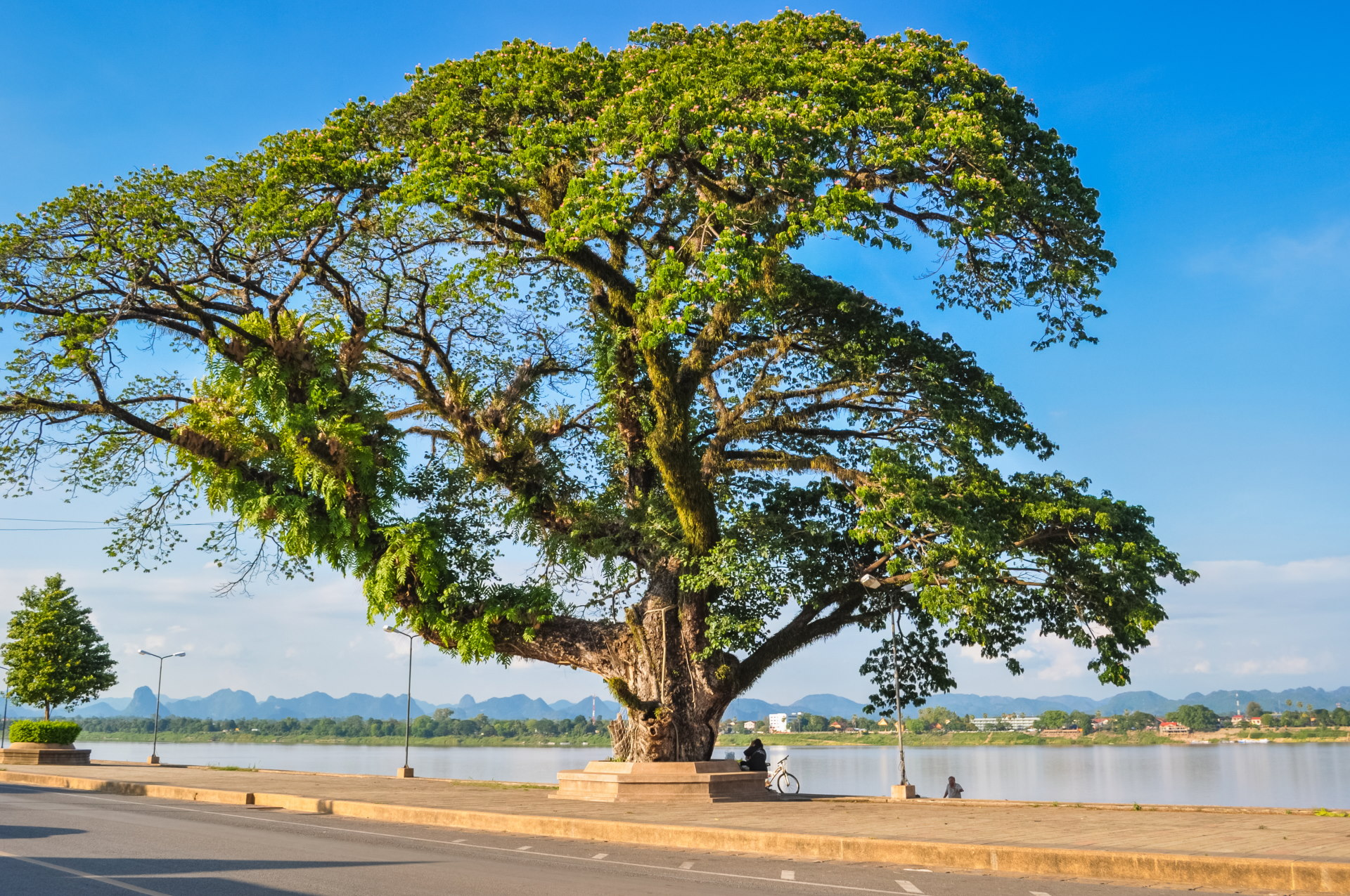
Up to this point, we had the benefit of a road lined with large, shady trees. Further along, it's more open, but it offers a beautiful, unobstructed view of the Mekong River and the irregularly shaped cliffs opposite us.
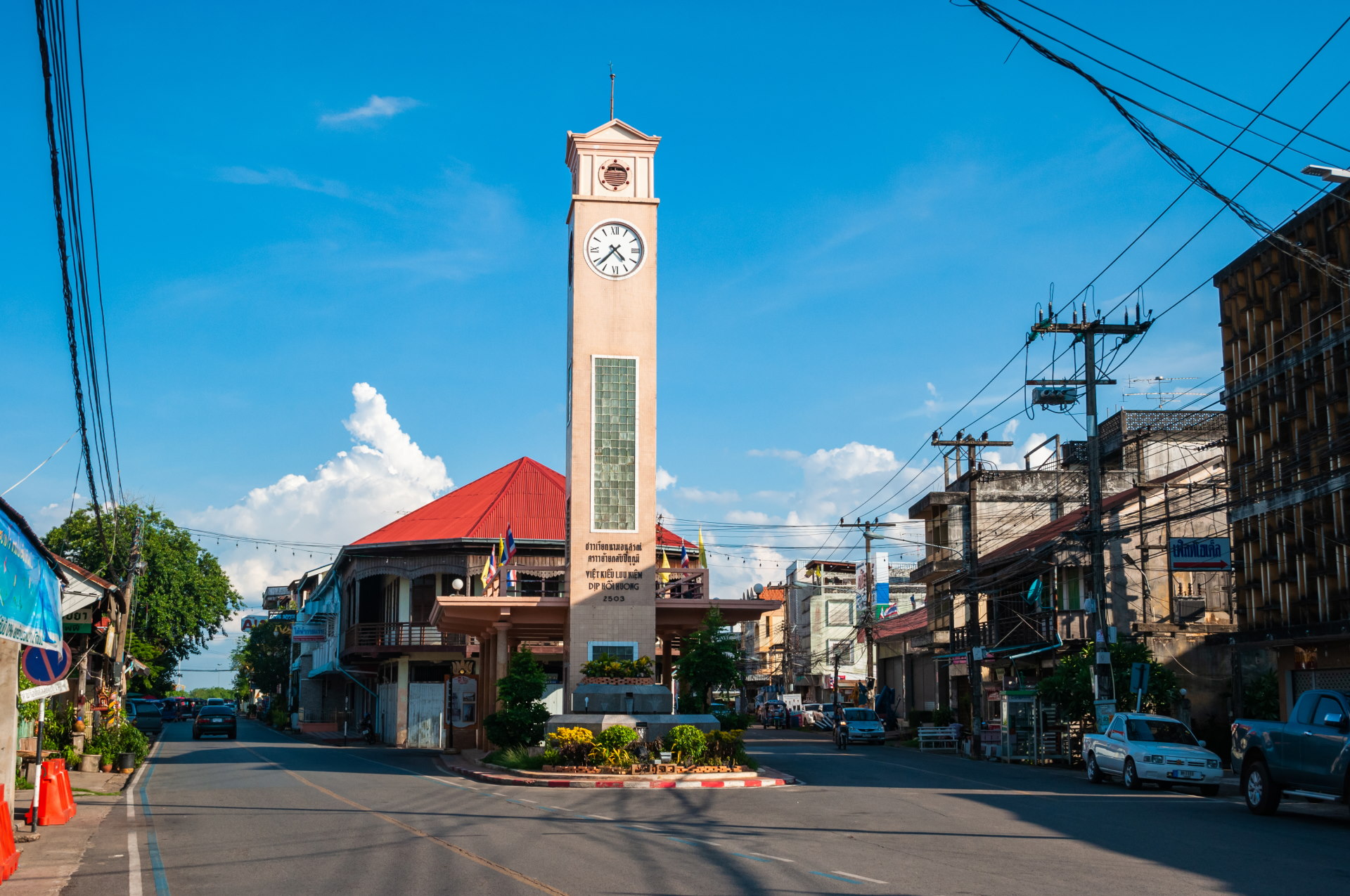
After 3 km, you arrive in an area where houses line the riverbank directly. This is where the city clock, called the " Thai-Vietnamese Memorial Clock Tower ", is located.
In itself, it looks like a rather ordinary concrete tower, but for the record (as I love stories), it was built by the Vietnamese community in 1960 to thank the Thais for their hospitality, before leaving to defend their country as the Vietnam War intensified.
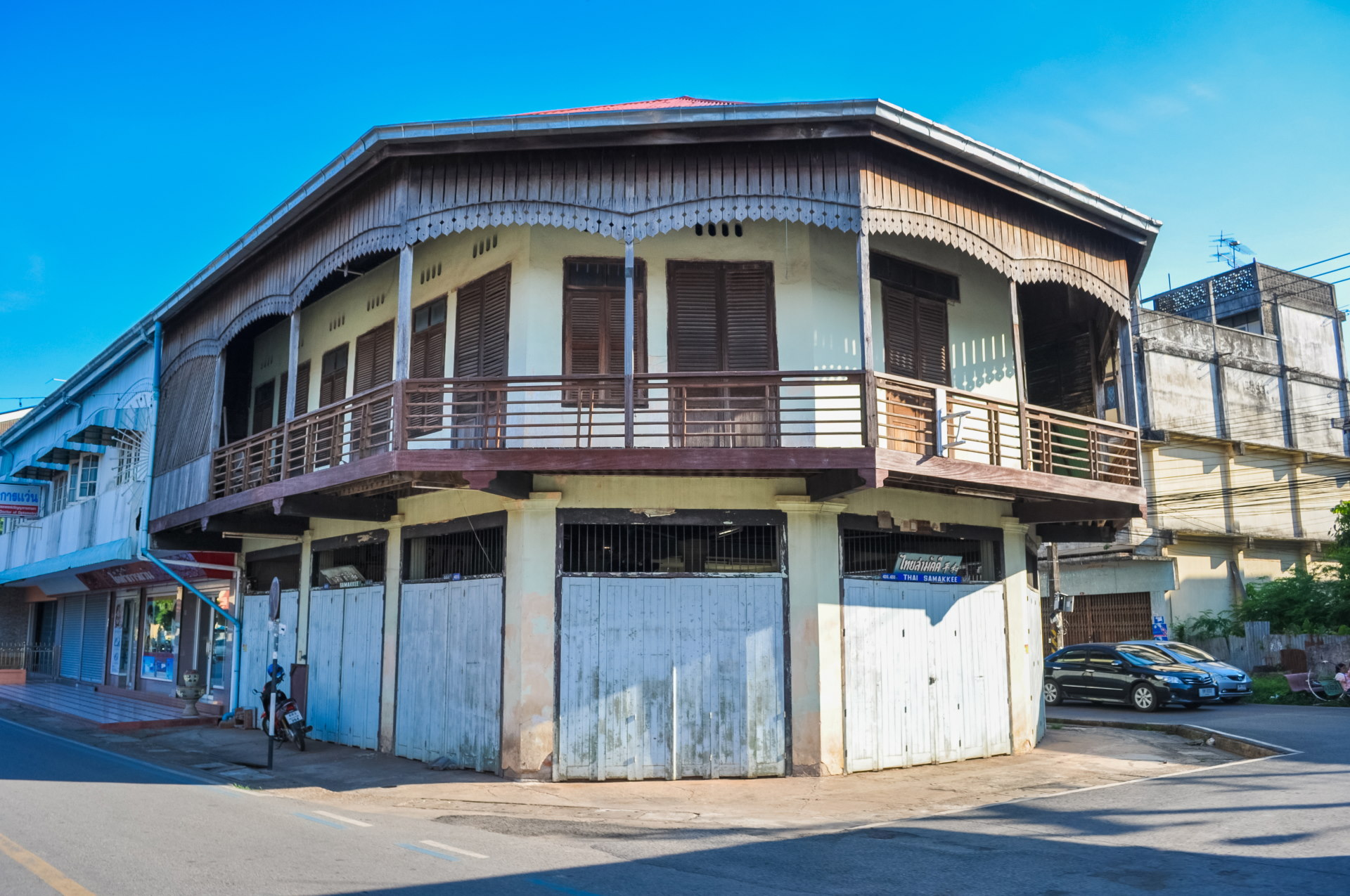
Nearby, you can see a few houses with decidedly remarkable architecture (at least in my opinion). It's also the starting point for Nakhon Phanom's Walking Street , which takes place on weekend evenings. Perfect timing, as we were there on a Sunday!
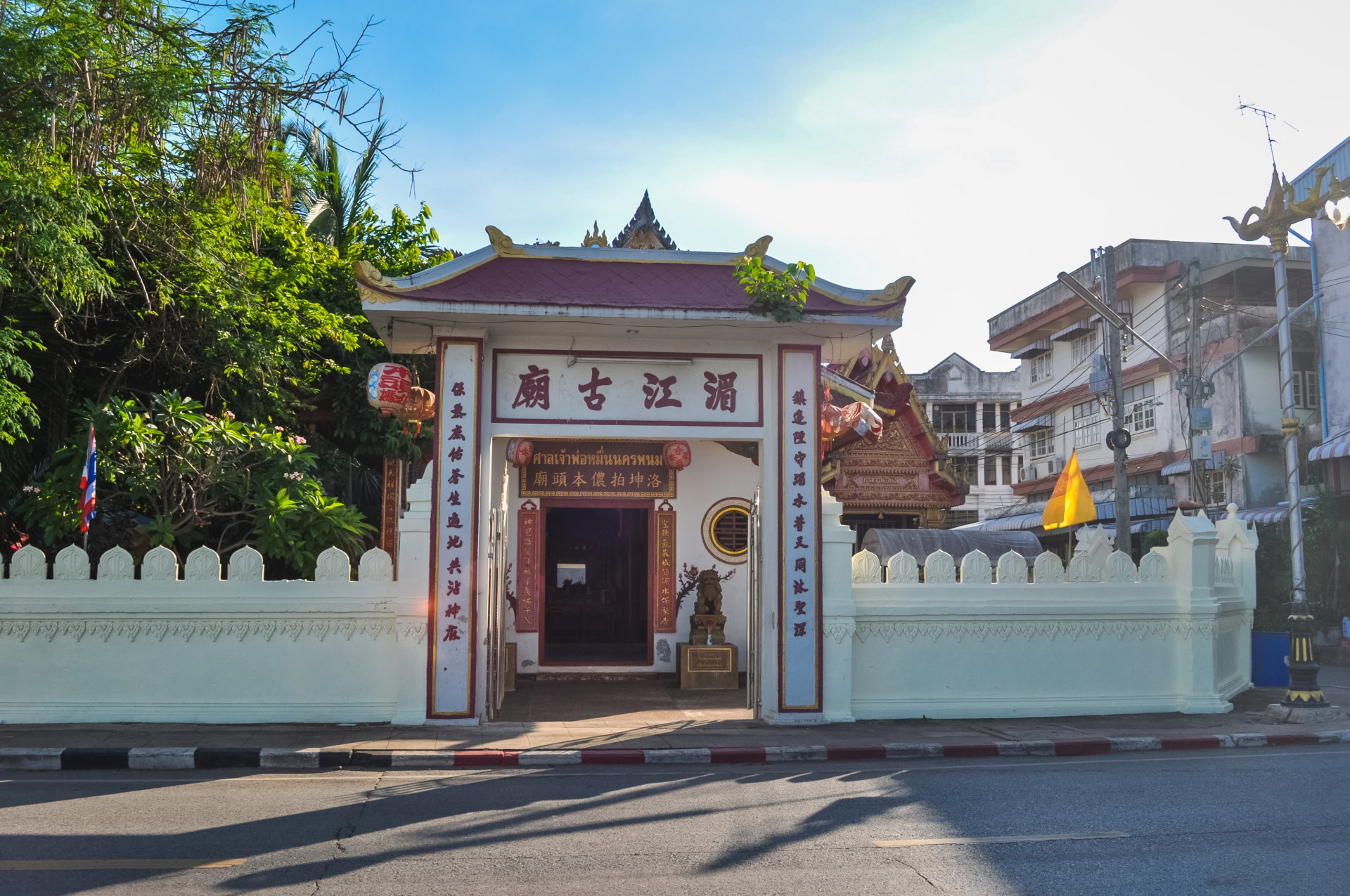
But as it was still a bit early, we decided to continue our walk further south. We came across a small Chinese shrine, the San Chao Pho Muen, nestled in the corner of a Buddhist temple (Wat Okat).
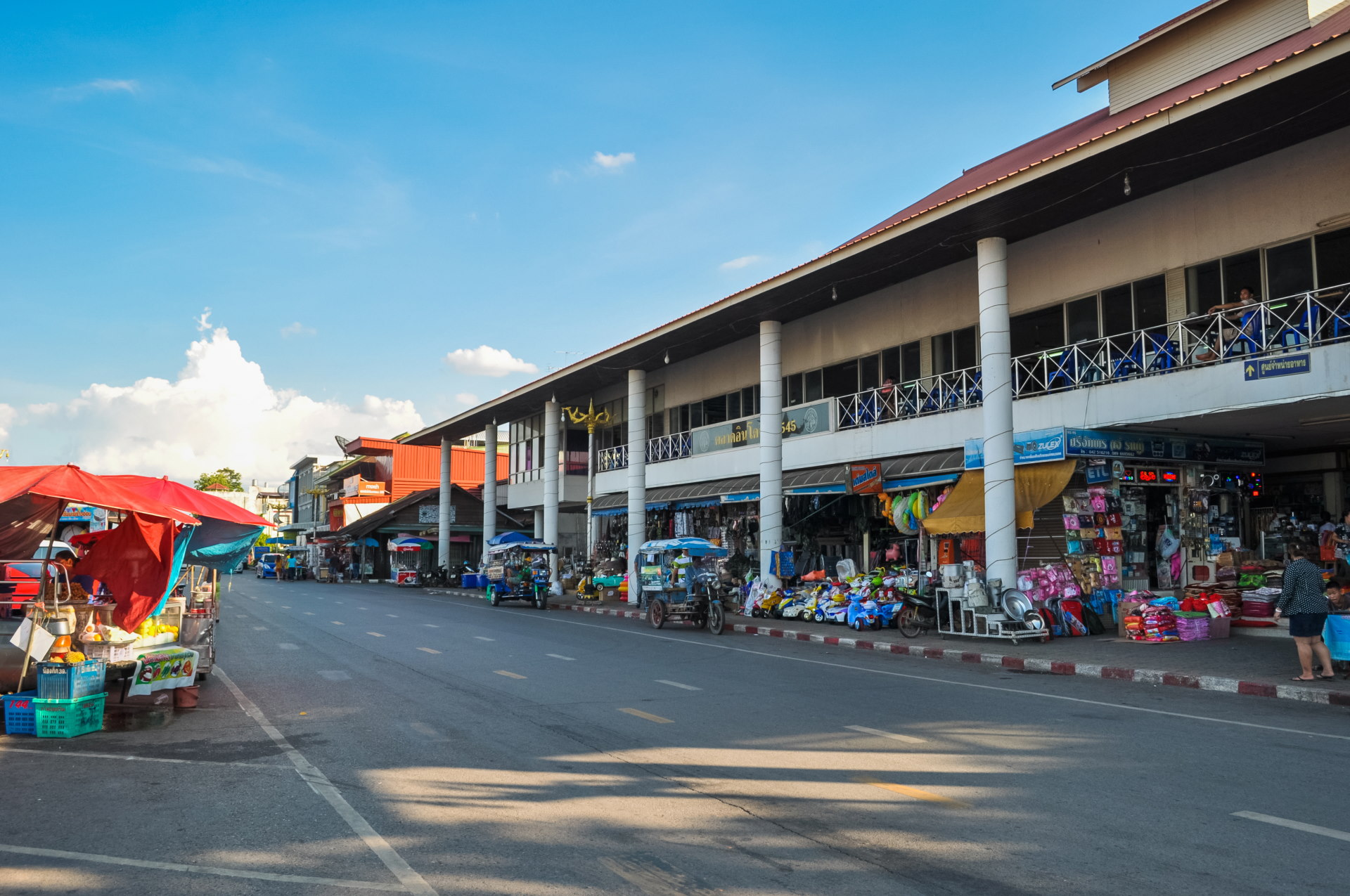
Right next to Wat Okat is the Indochina Market, a veritable local treasure trove. You can find a bit of everything there, but mostly Chinese products, especially phone-related items.
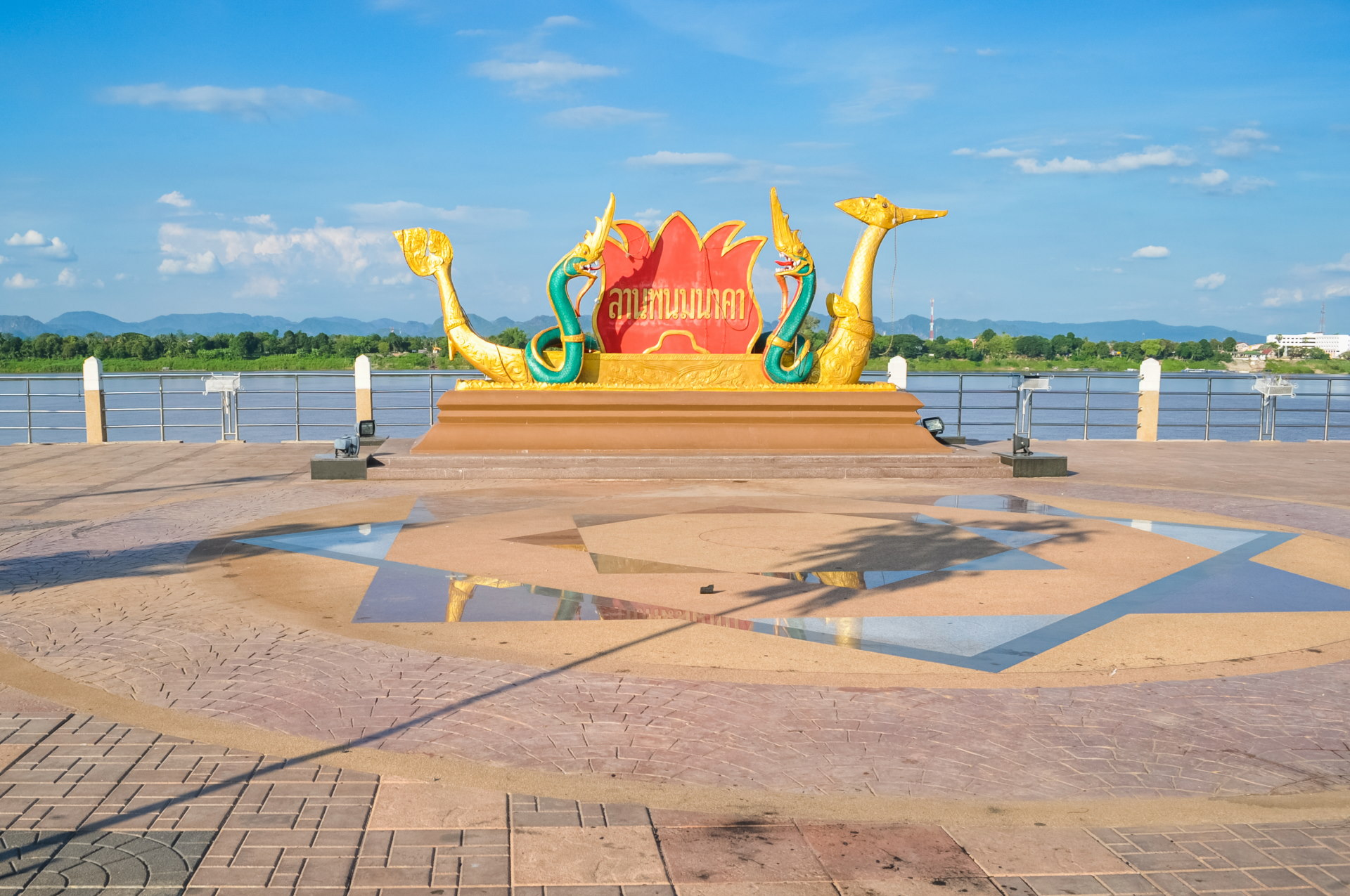
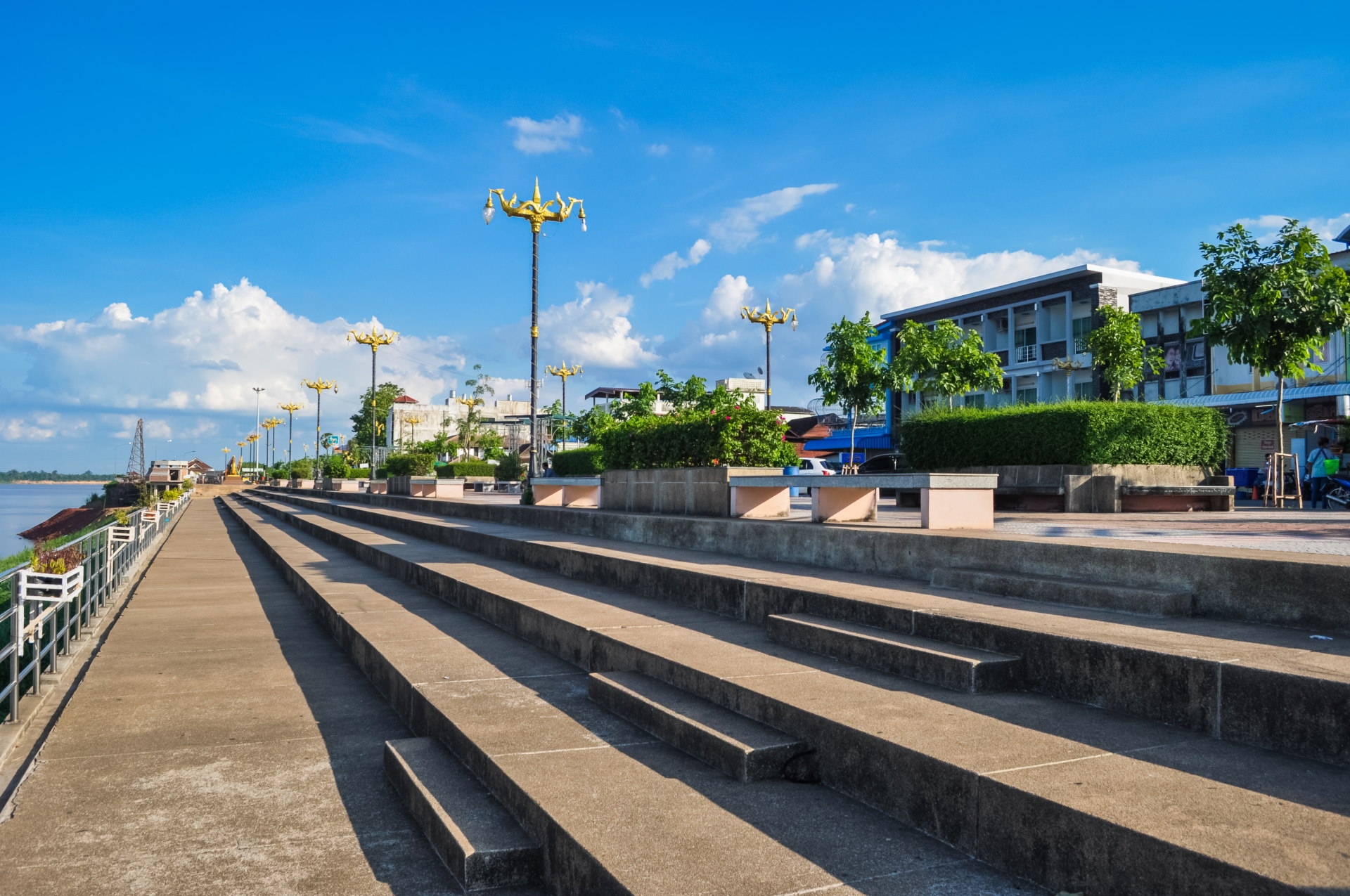
That day, we extended our walk 300 meters further until we reached a section of the riverbank with steps leading down to a spot facing Laos. The area has changed since our visit; it's now called Phaya Sri Satta Nakarat Plaza , and you'll see a naga fountain statue there (it was under construction at the time).
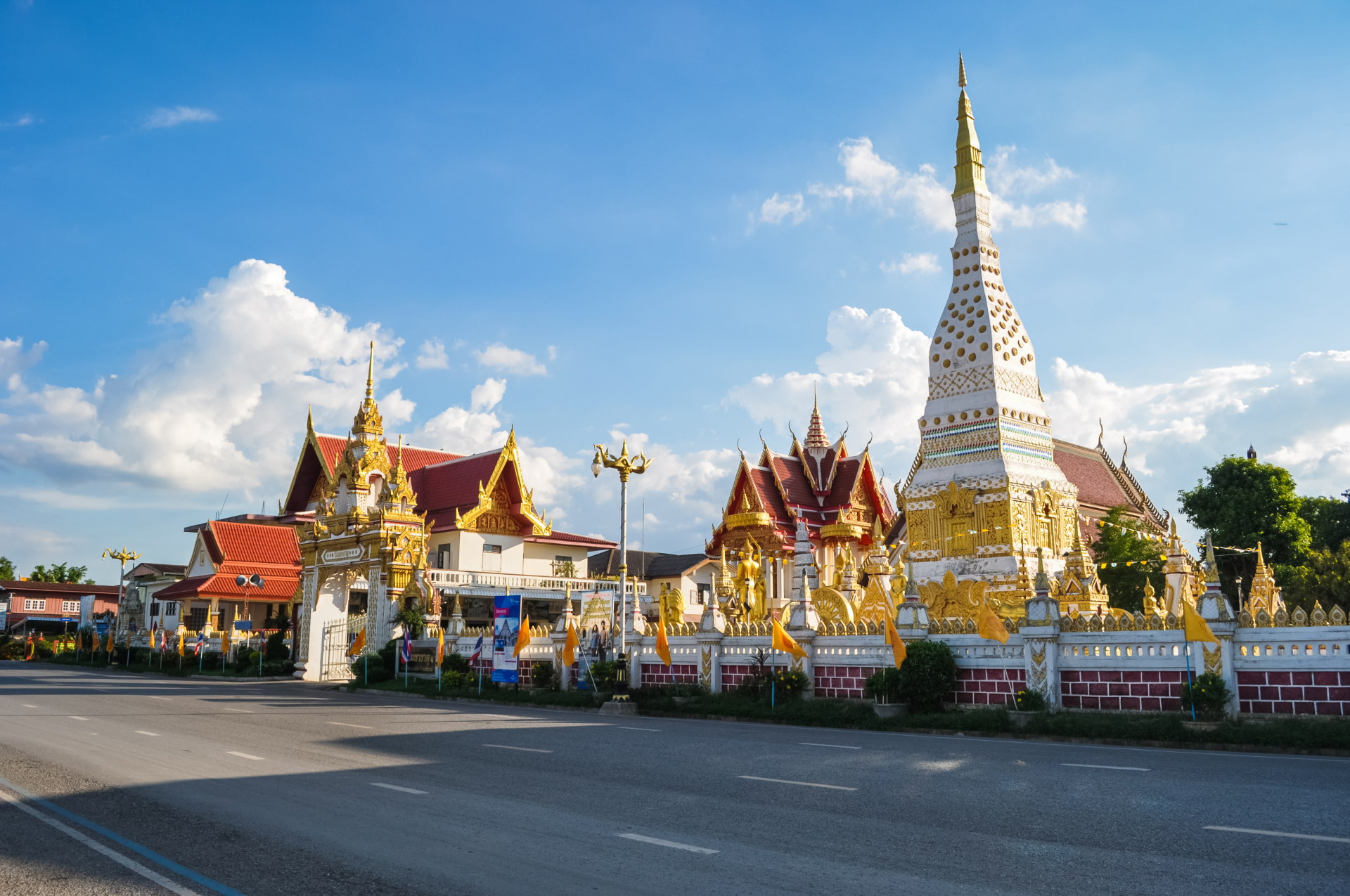
Since I was motivated, I managed to persuade Jitima to continue for another 800 meters, until we reached one of the city's main temples, Wat Mahathat Phra That Nakhon, with its characteristic chedi typical of the region. But we didn't visit it this time because it was similar to the one we had planned for the next day.
Walking Street Nakhon Phanom
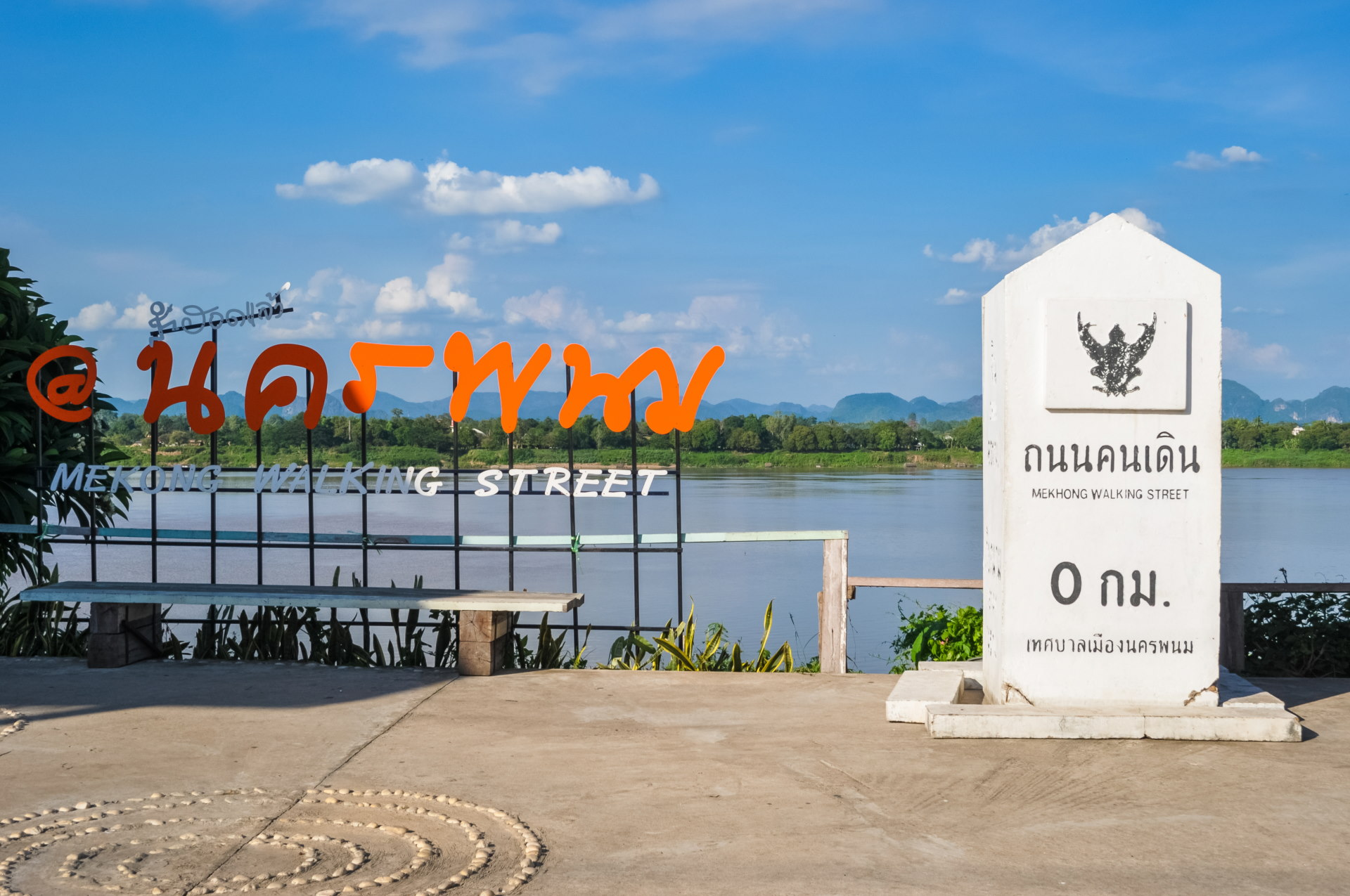
The Walking Street is a street market centered around Fuang Nakhon Street, which runs perpendicularly to the road along the Mekong River, at the level of the city clock.
It takes place on Fridays, Saturdays and Sundays from 17pm to 22pm.
It had the typical atmosphere of Thai street markets, with vendors offering freshly prepared dishes. It was also an opportunity for us to venture a little further into the city, since until then we had only stayed along the riverbanks.
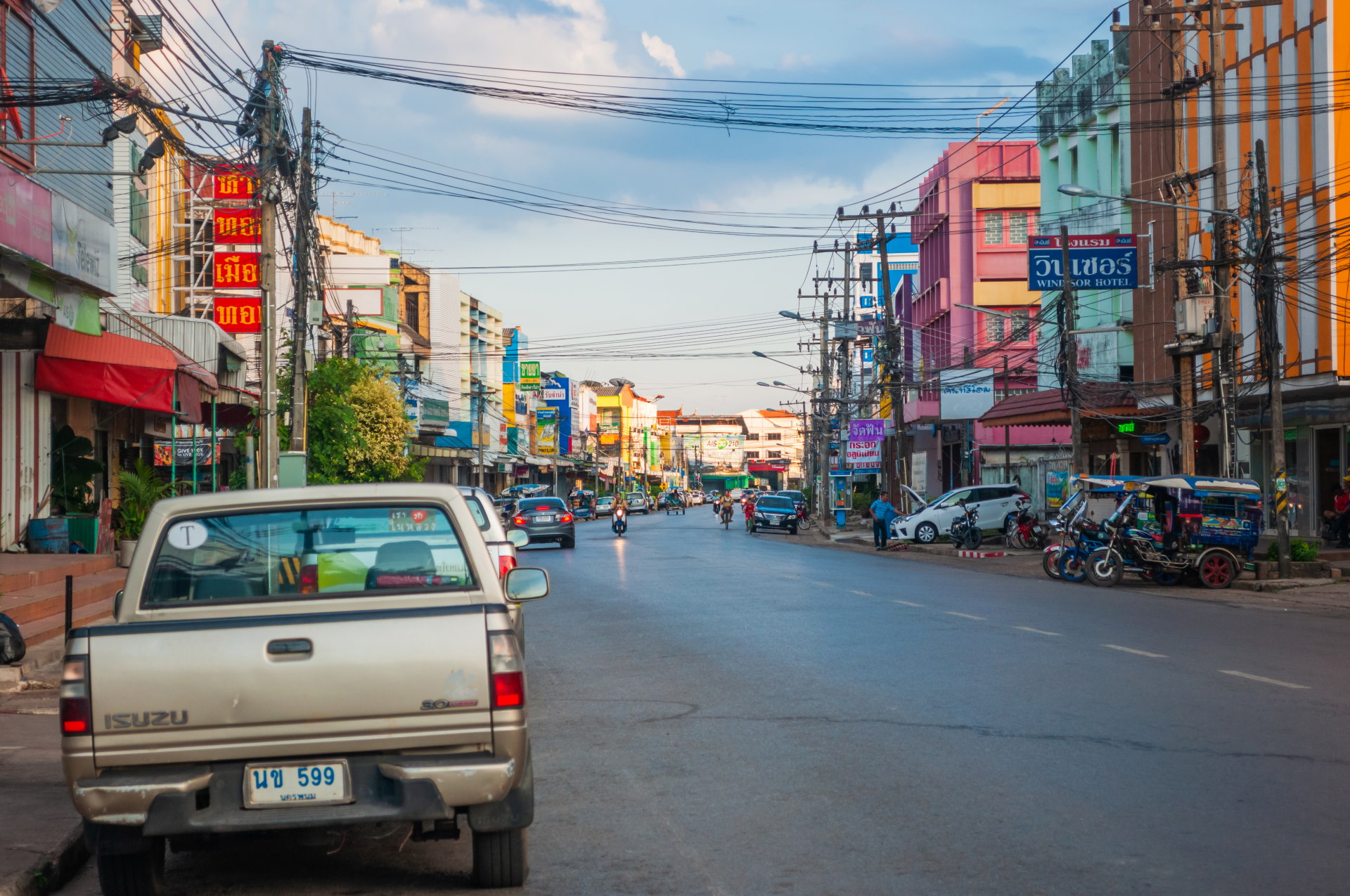
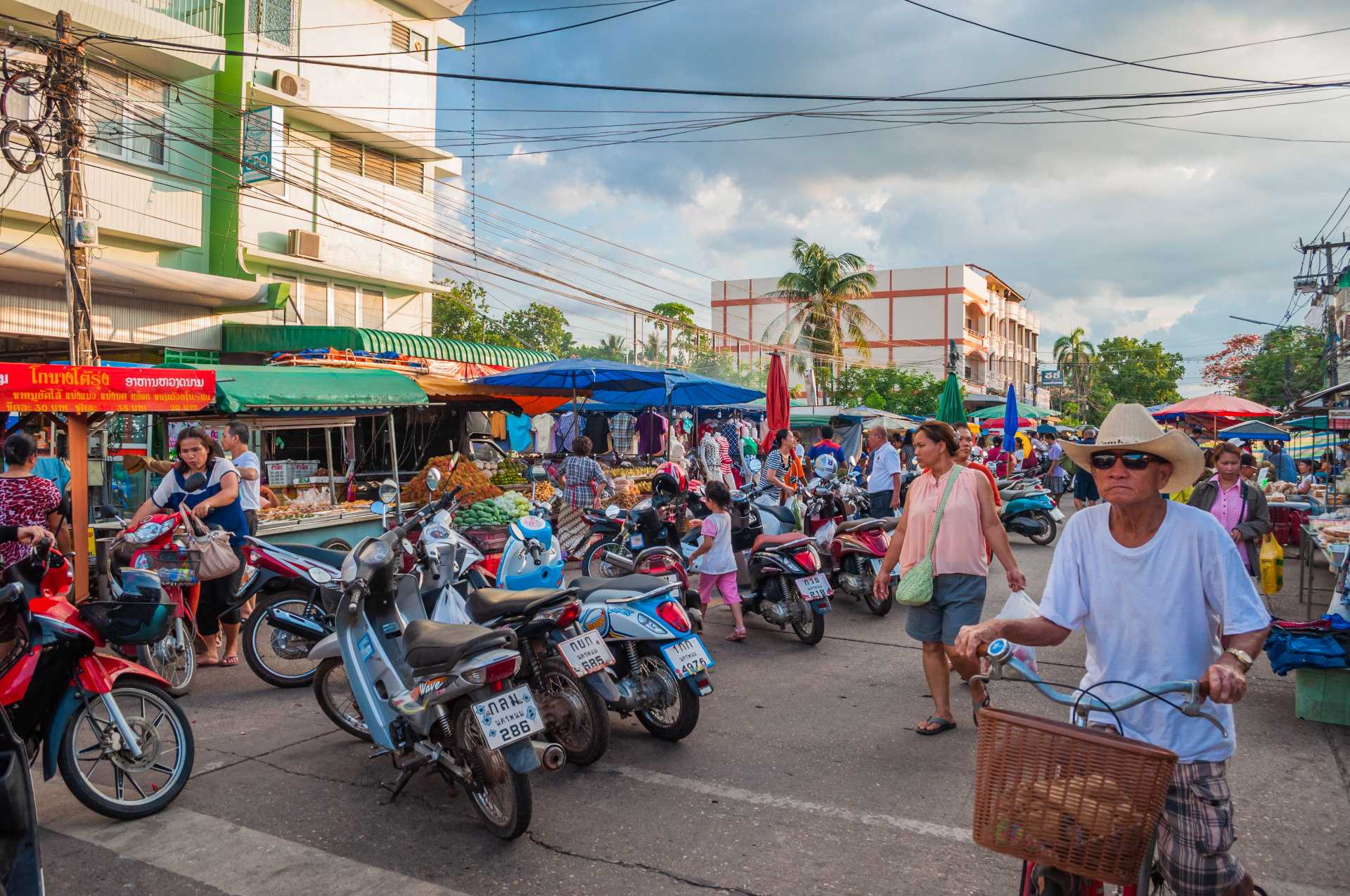
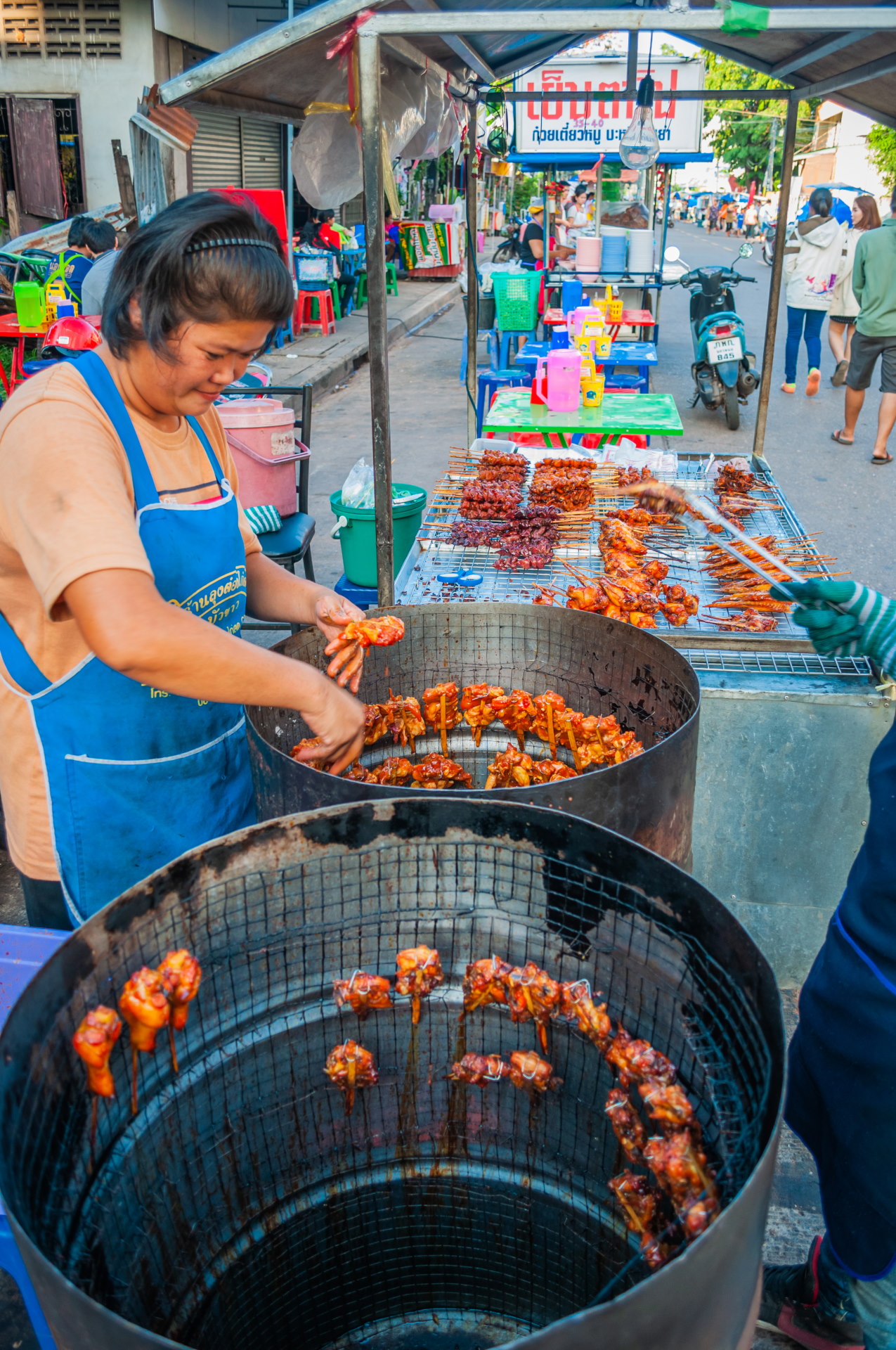
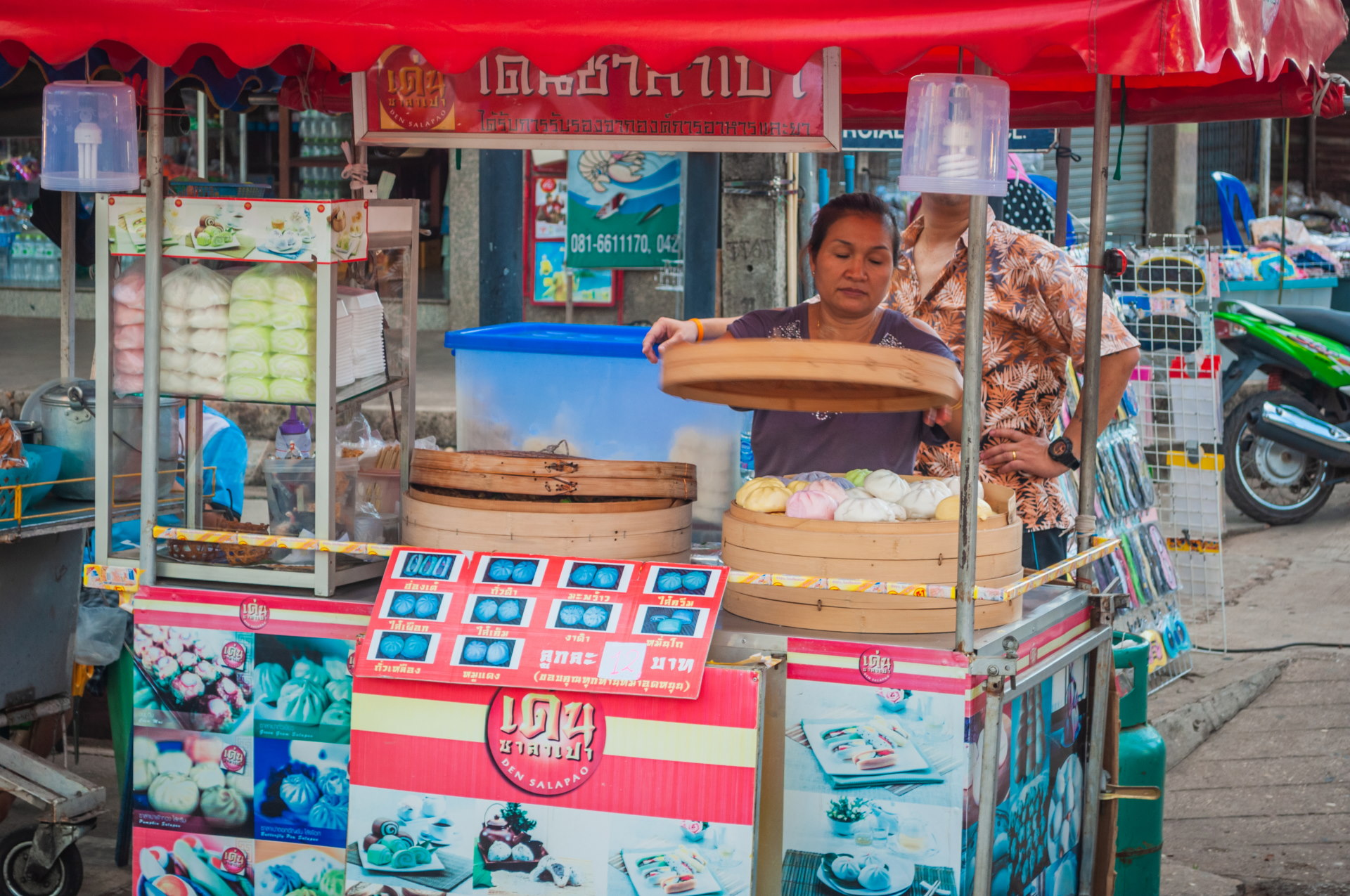
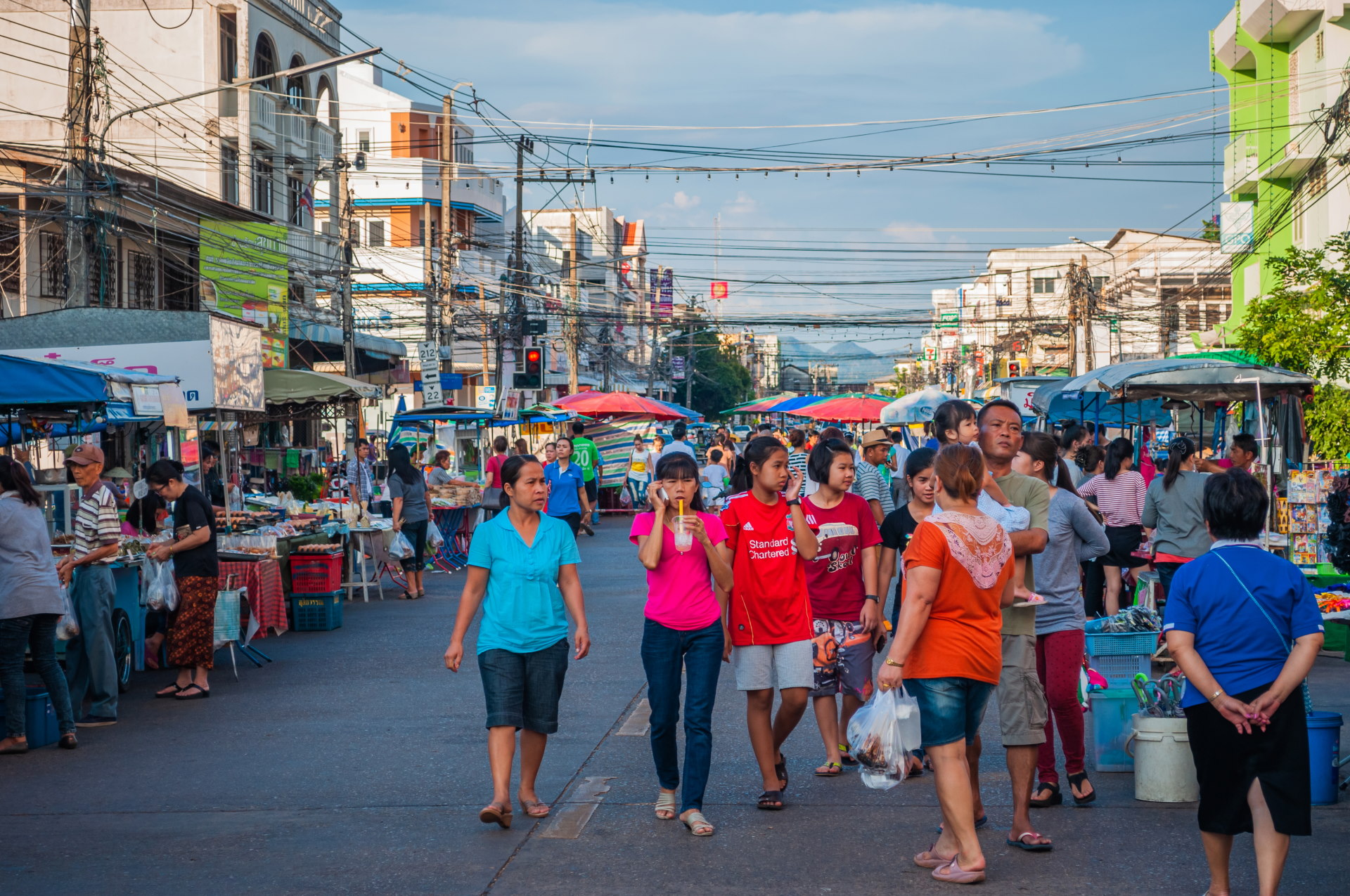
Since we weren't hungry yet (rare enough to be worth mentioning!), we didn't stay very long; it was more about seeing one of the places that shapes the rhythm of life for the locals here. But if you're feeling a bit peckish, it's definitely a good place to try the local cuisine!
Wat Phra That Phanom
As always, there are temples to visit in the region, the most famous being Wat Phra That Phanom . But beware of the name, which is misleading, and I say this all the more because I was completely fooled!
Because it is not located in Nakhon Phanom itself , as I might have thought, but 50km further south! The name Phanom in this case refers to the province and not the city.
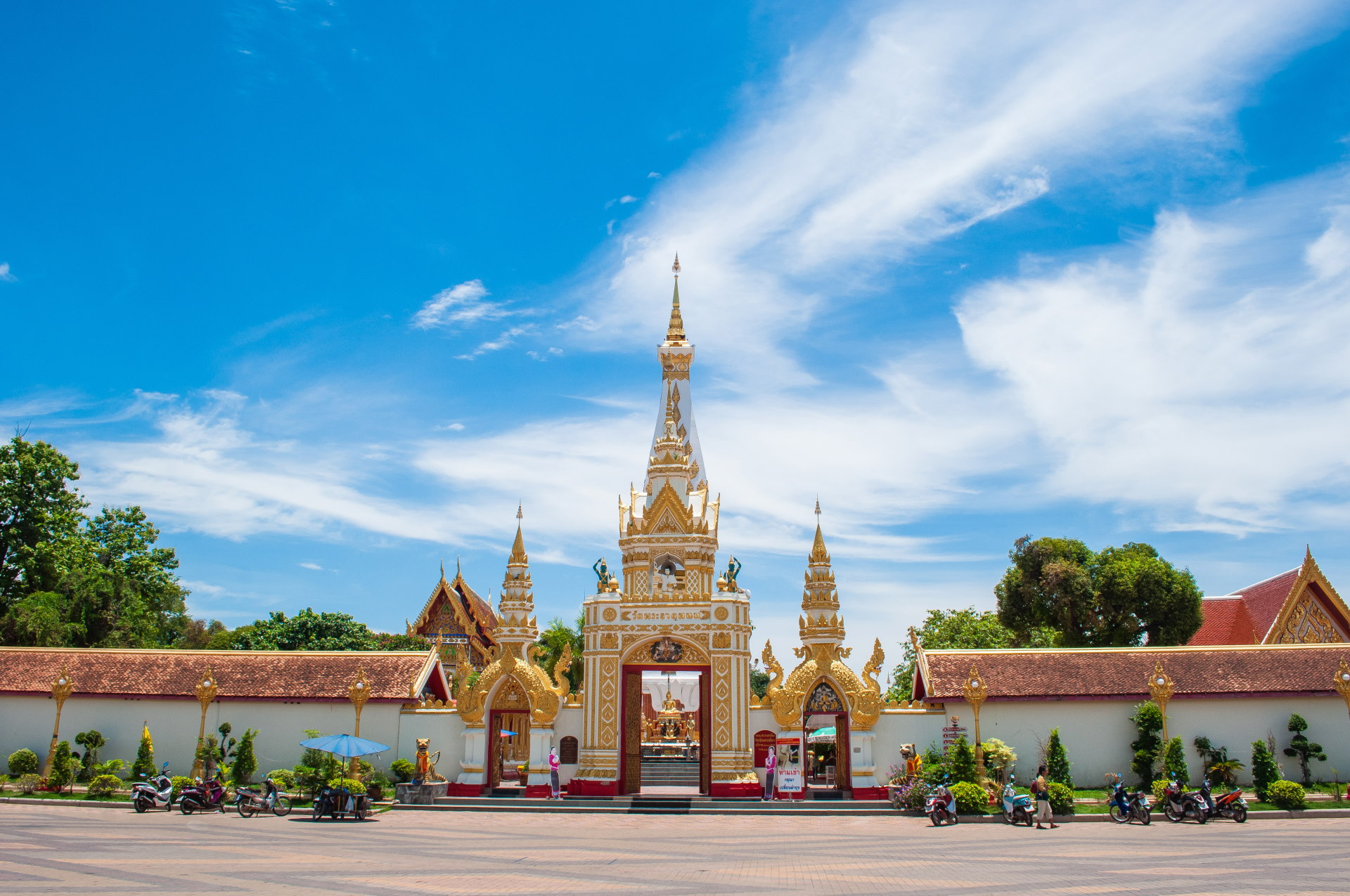
Luckily we were mobile since I had found a scooter to rent to explore the surroundings; but I didn't expect to have to make a 100 km round trip in one day with it… On two wheels like that, it's a bit long… but at the same time, I couldn't see myself missing it because it's a bit of a "must-see" in the region.
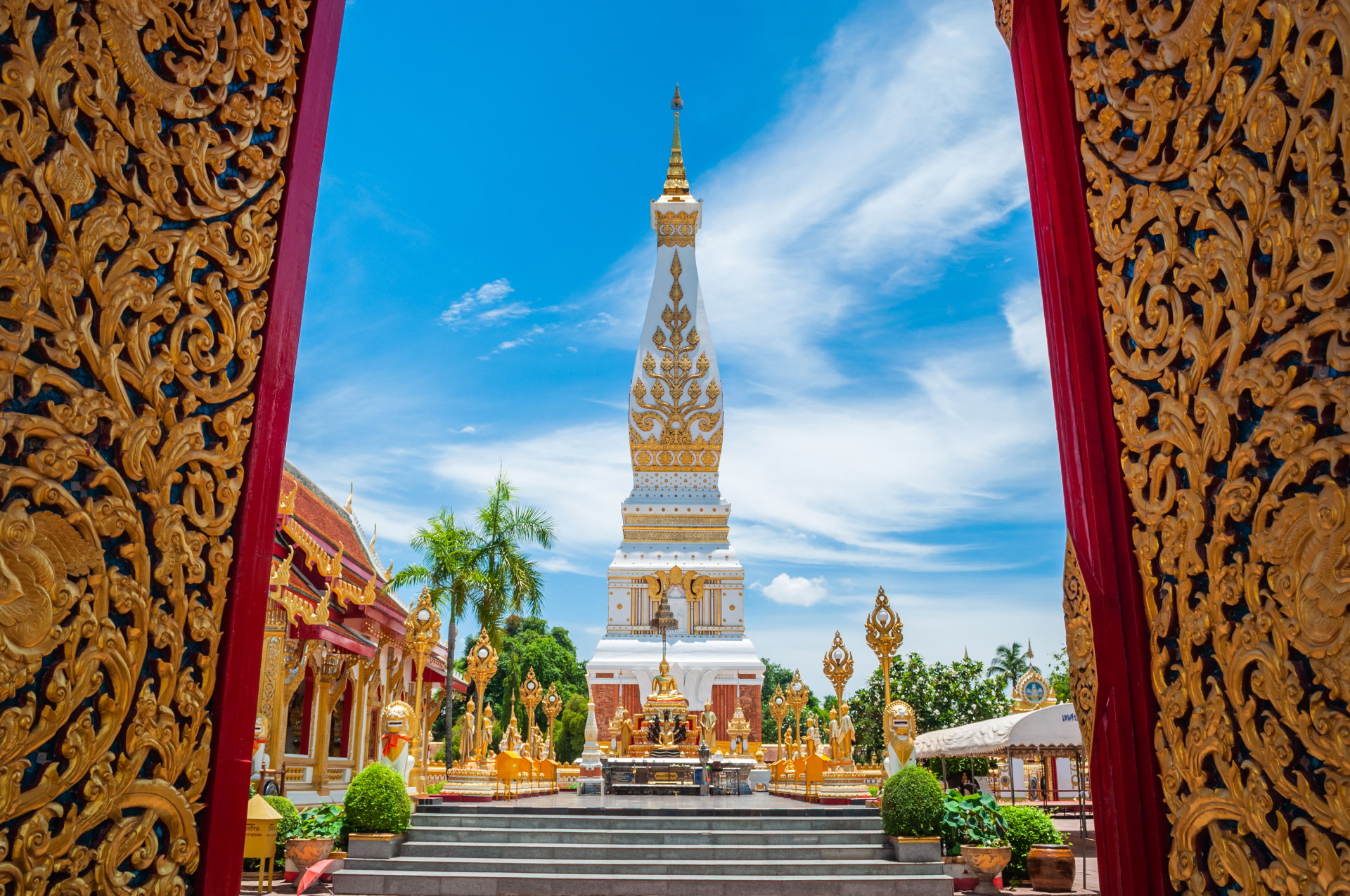
This temple is known throughout the region and across the country, as it is one of a list of 12 sacred temples (Phra That) linked to the Thai zodiac (the same signs as in Chinese astrology). Phra That Phanom is a place of pilgrimage for those born in the Year of the Monkey.
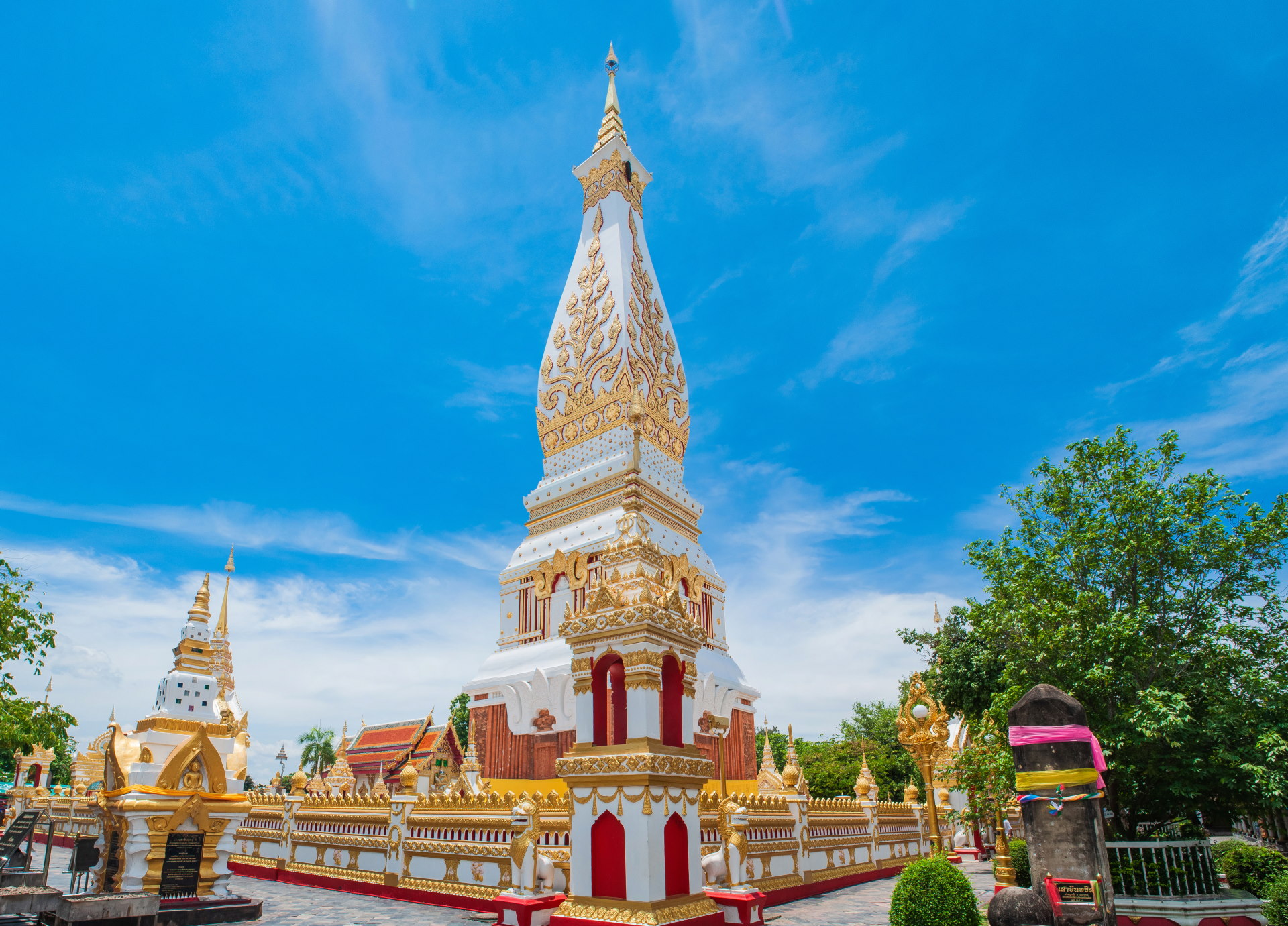
Its centerpiece is a square-based stupa, over 50 meters high, whose architecture has become typical of the region. It differs markedly from the usual bell-shaped chedis found throughout the country. Traces of an initial structure on this site date back to the 11th century , but the monument has undergone several transformations, particularly during the long period of Lao rule.
Its current form blends Dvaravati, Khmer, and Cham influences. In March 1975, an earthquake weakened the structure, which finally collapsed a few months later after several days of heavy rain. The chedi was subsequently rebuilt, with the work completed in 1979. The perimeter around the sanctuary was then expanded, bringing the protected site area to approximately 4 hectares.
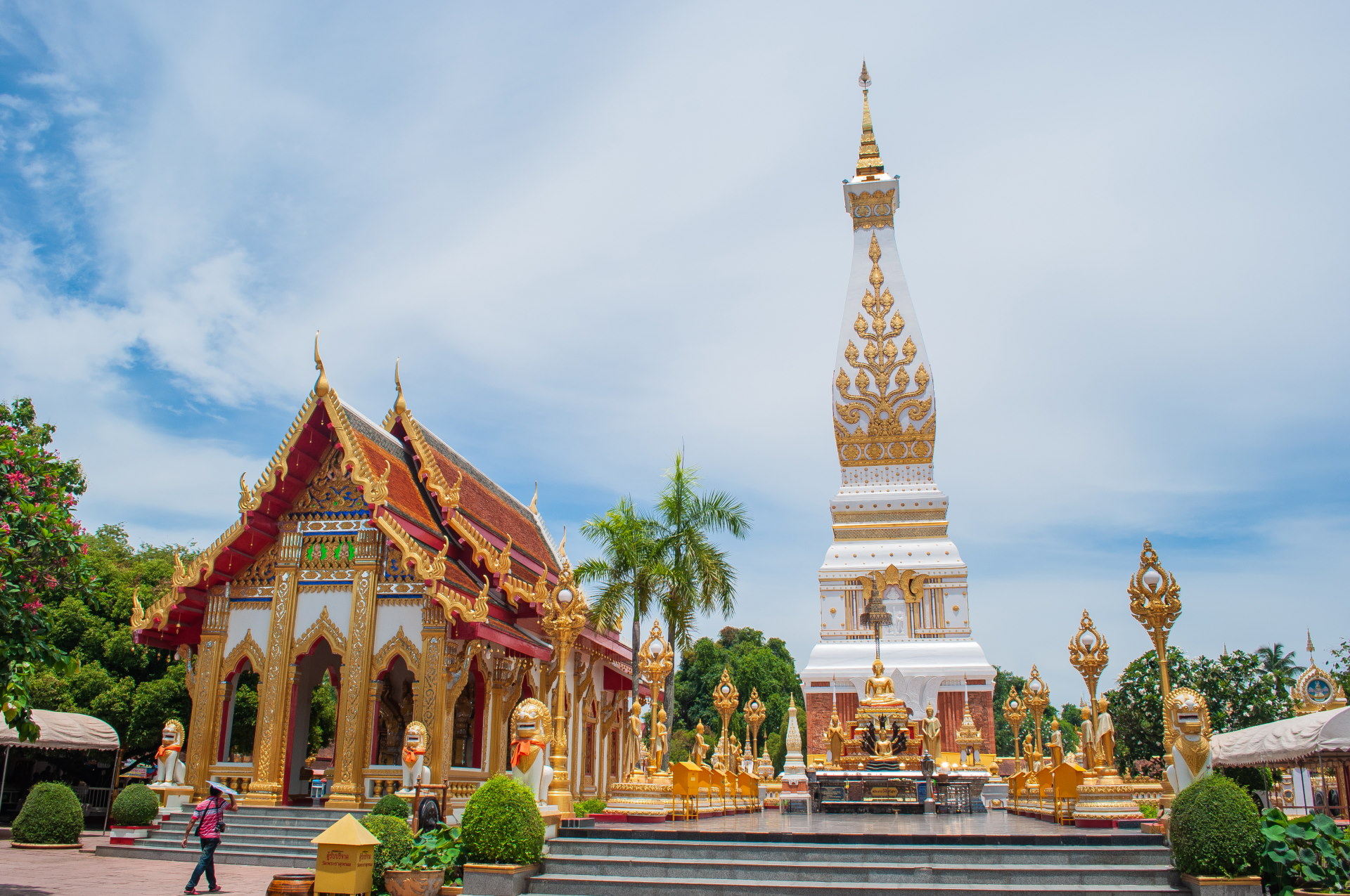
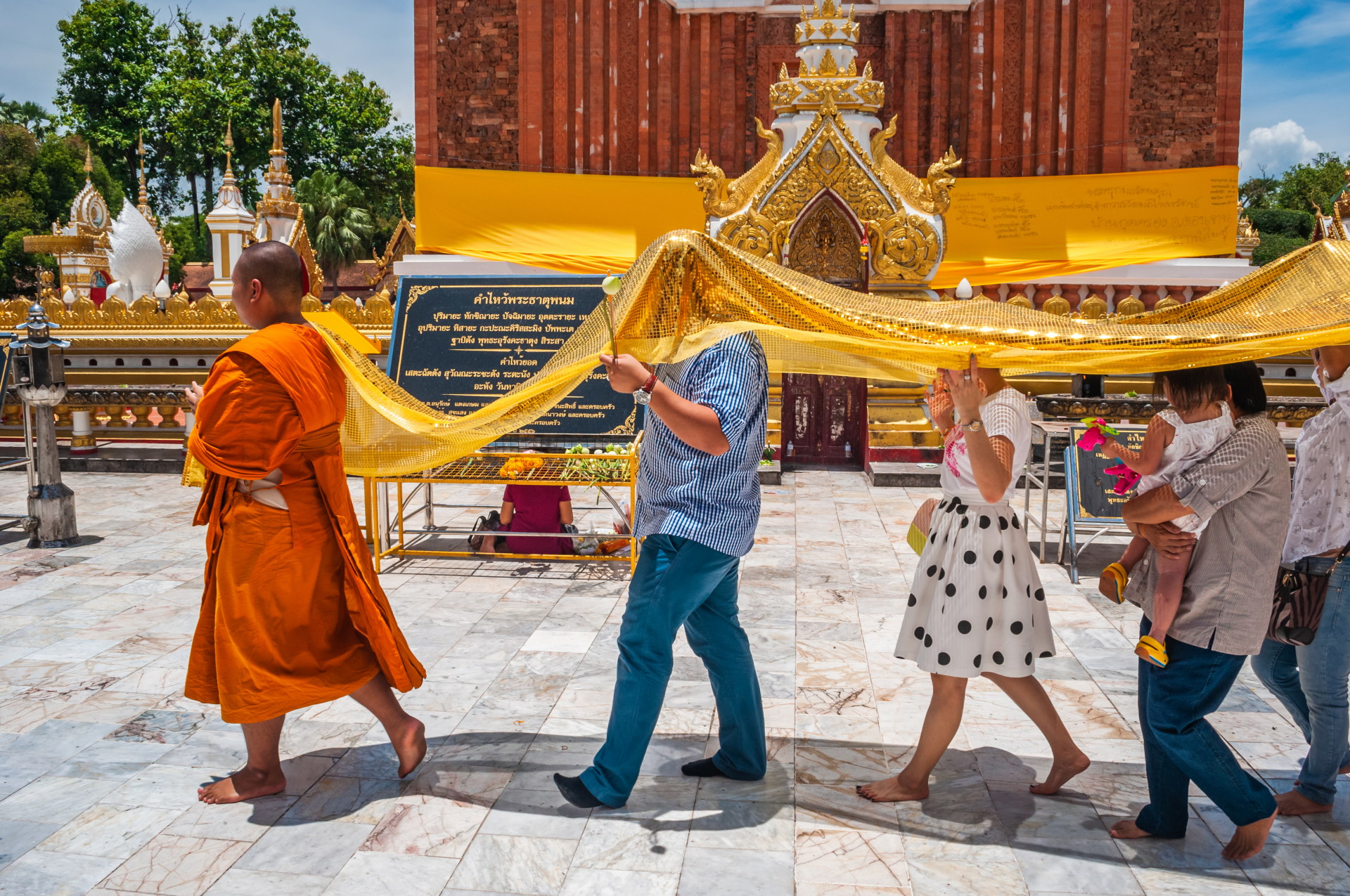
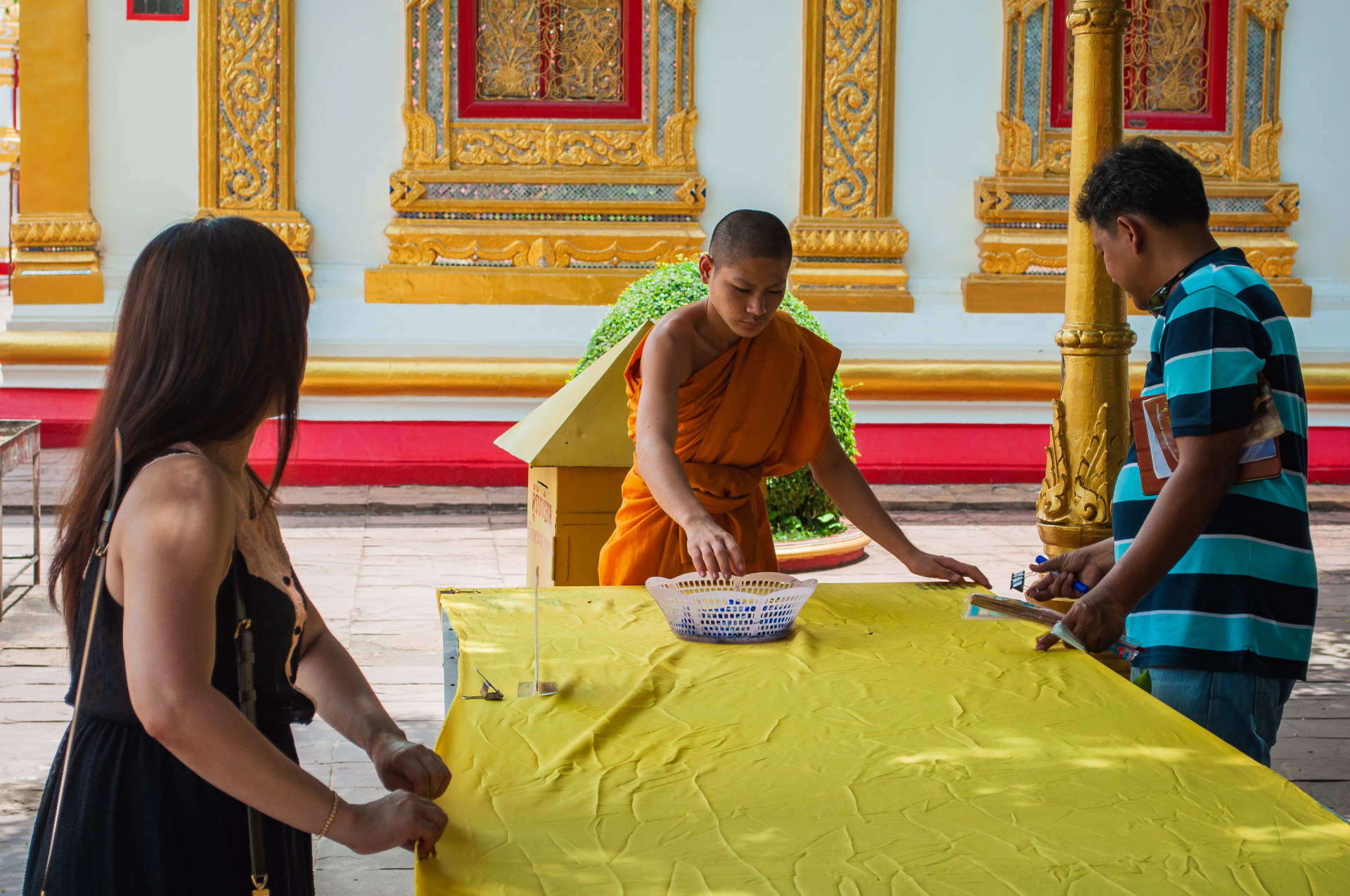

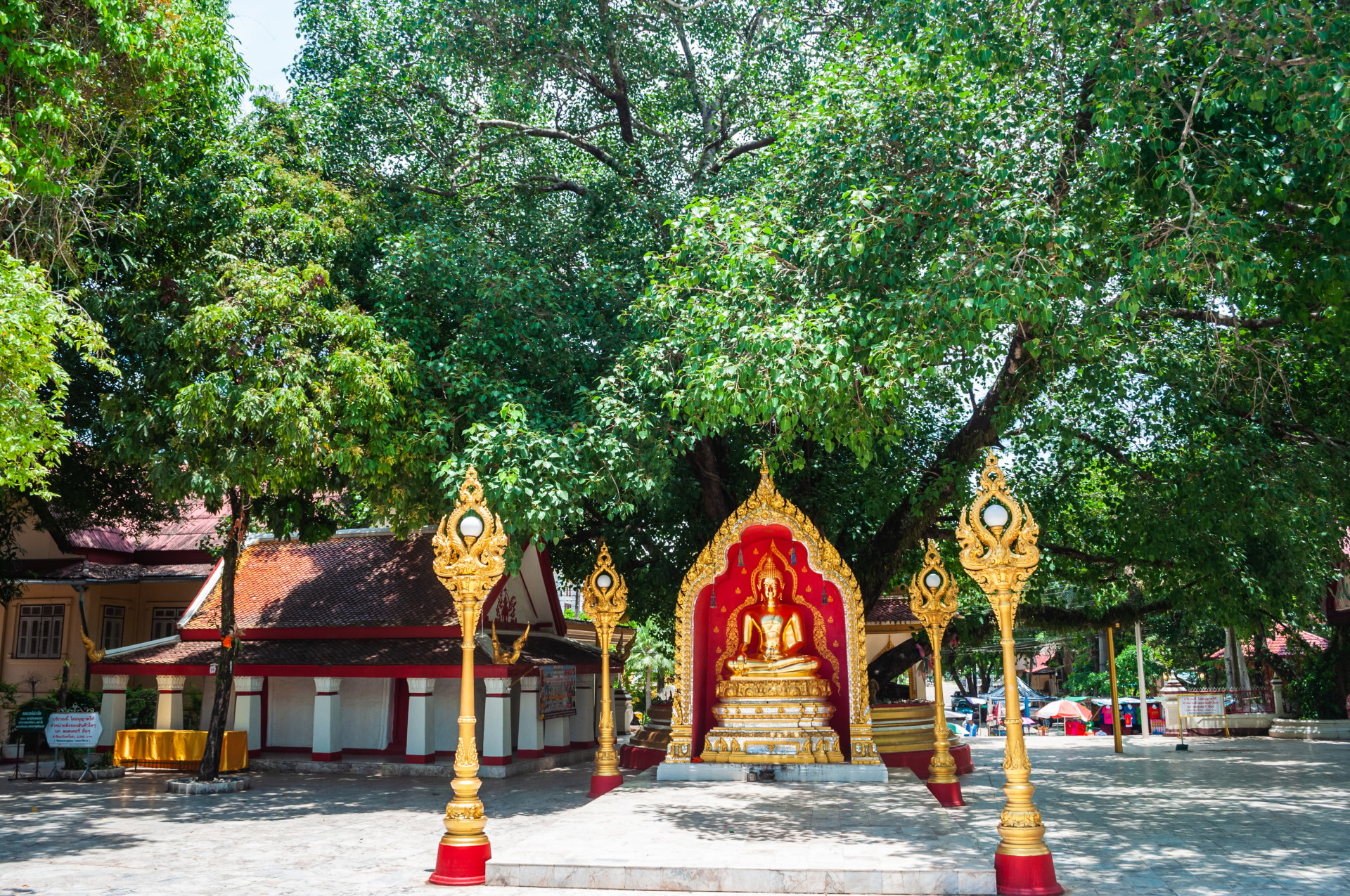
But the most important sights remain around the chedi, in the area enclosed by the cloister, where one can truly feel the fervor of the locals. There, one finds the traditional prayer around the chedi, the vows written on the fabric, and the adjoining buildings, such as the viharn.
There are quite a few trees to sit in the shade, which is always nice.
A short detour to Wat that Renu
After this visit, we had to return to Nakhon Phanom. Rather than doing everything in one go, I decided to make a small detour after seeing an advertisement for another temple to see nearby.
Next stop: Wat Phra That Renu, located about fifteen kilometers from Wat Phra That Phanom. The main attraction was to see its chedi, built in 1918 on the model of its famous neighbor, but in a reduced version: it measures "only" 35 meters but reproduces in every respect the version existing before the renovation.
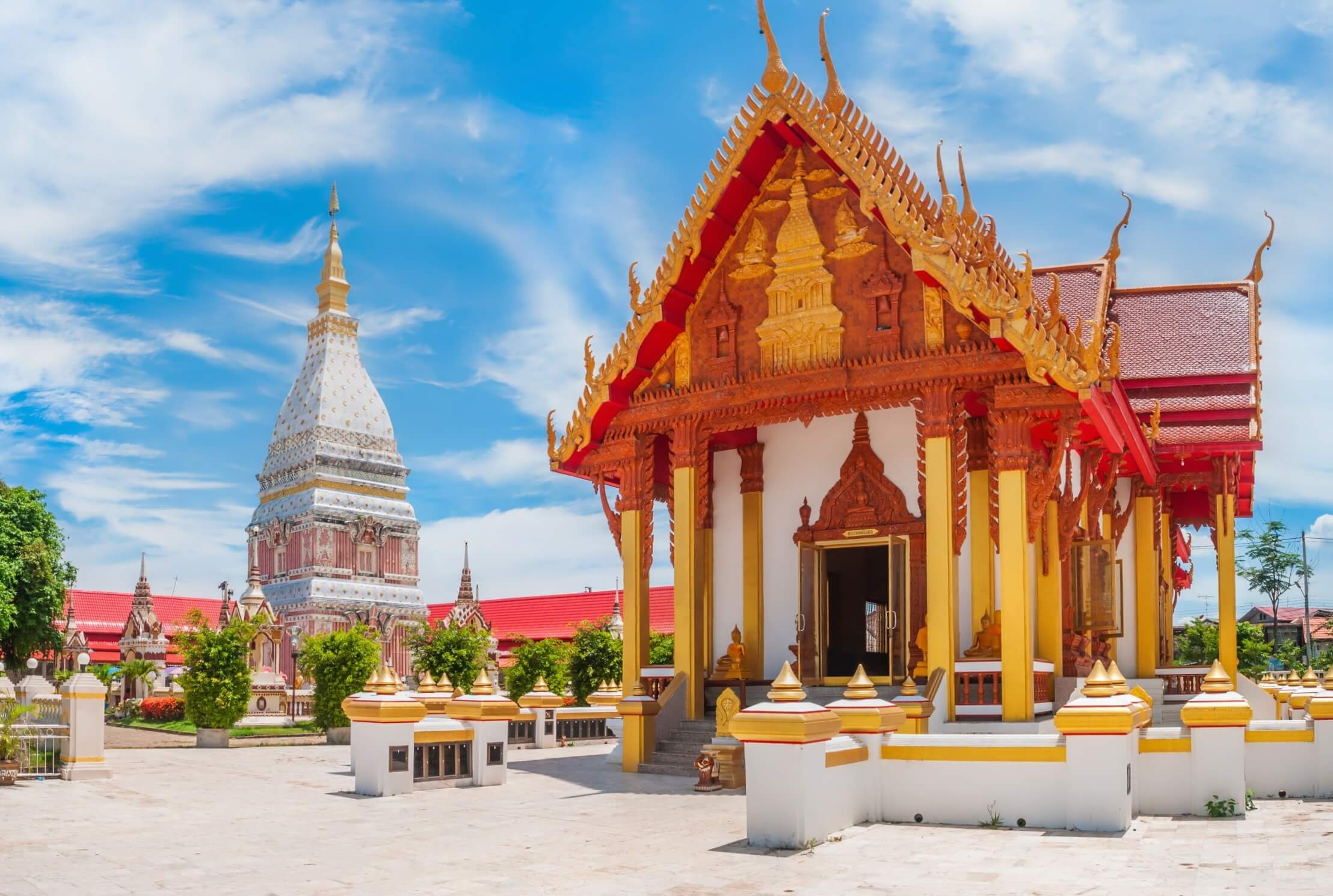
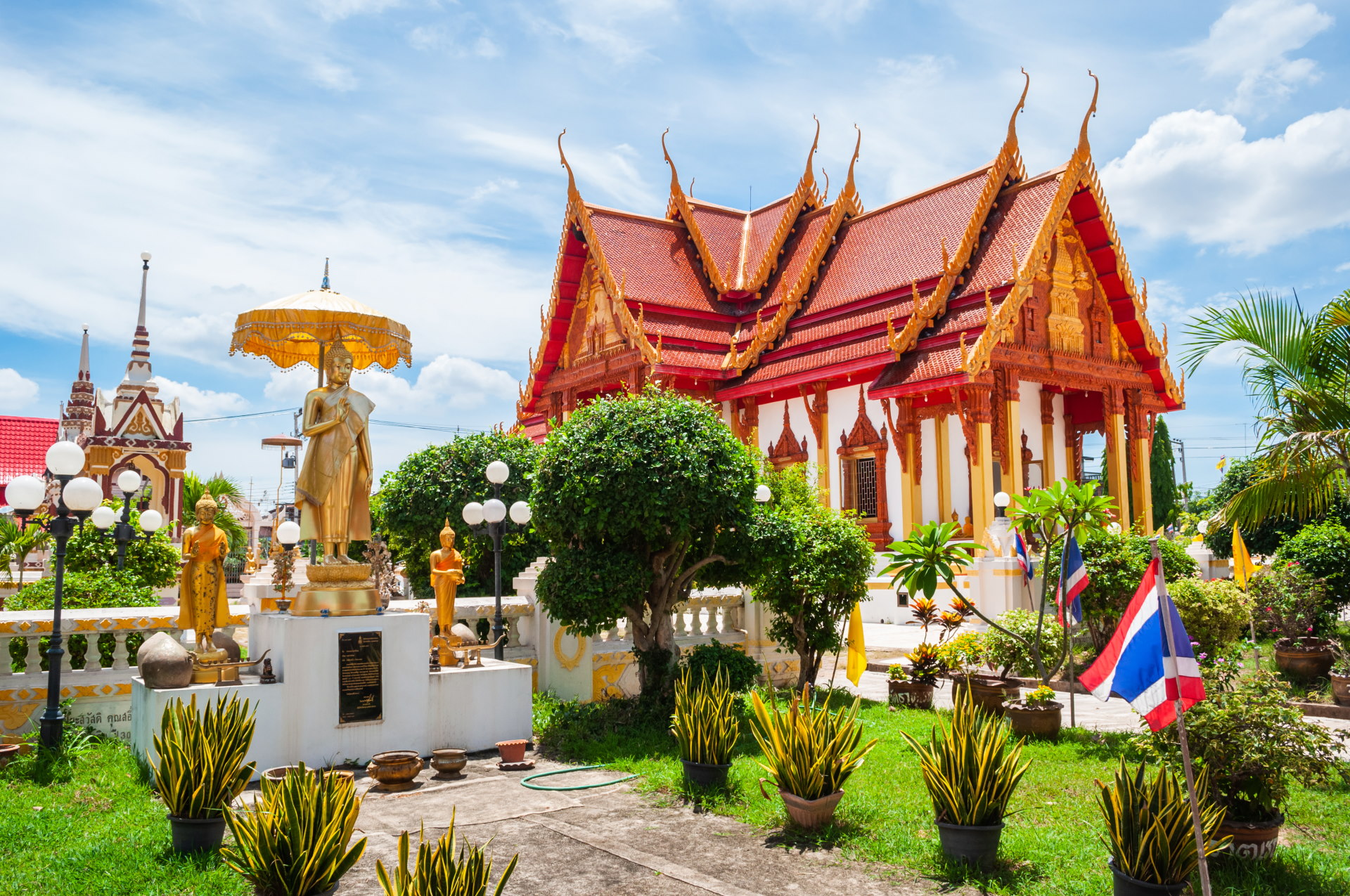
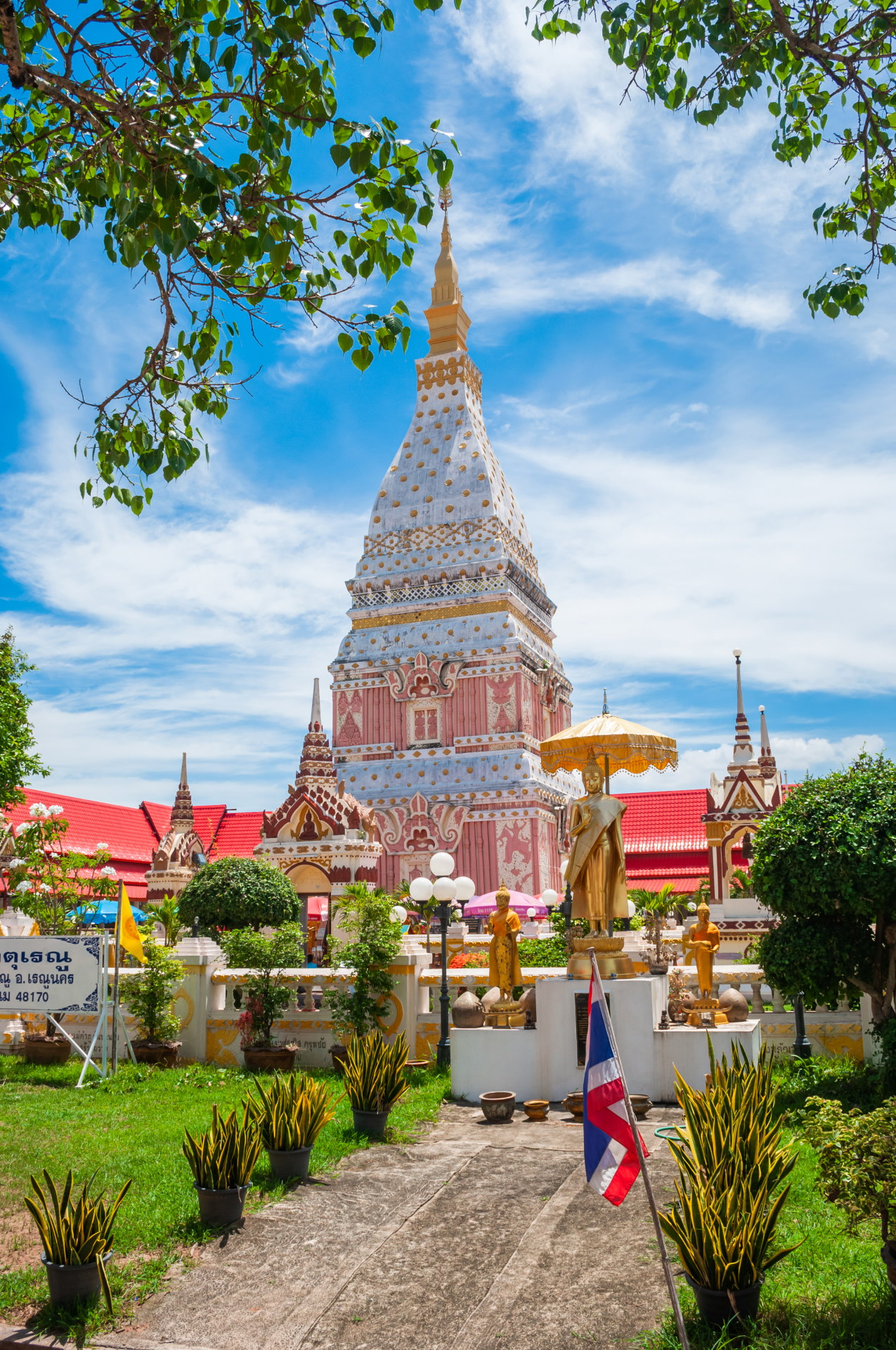
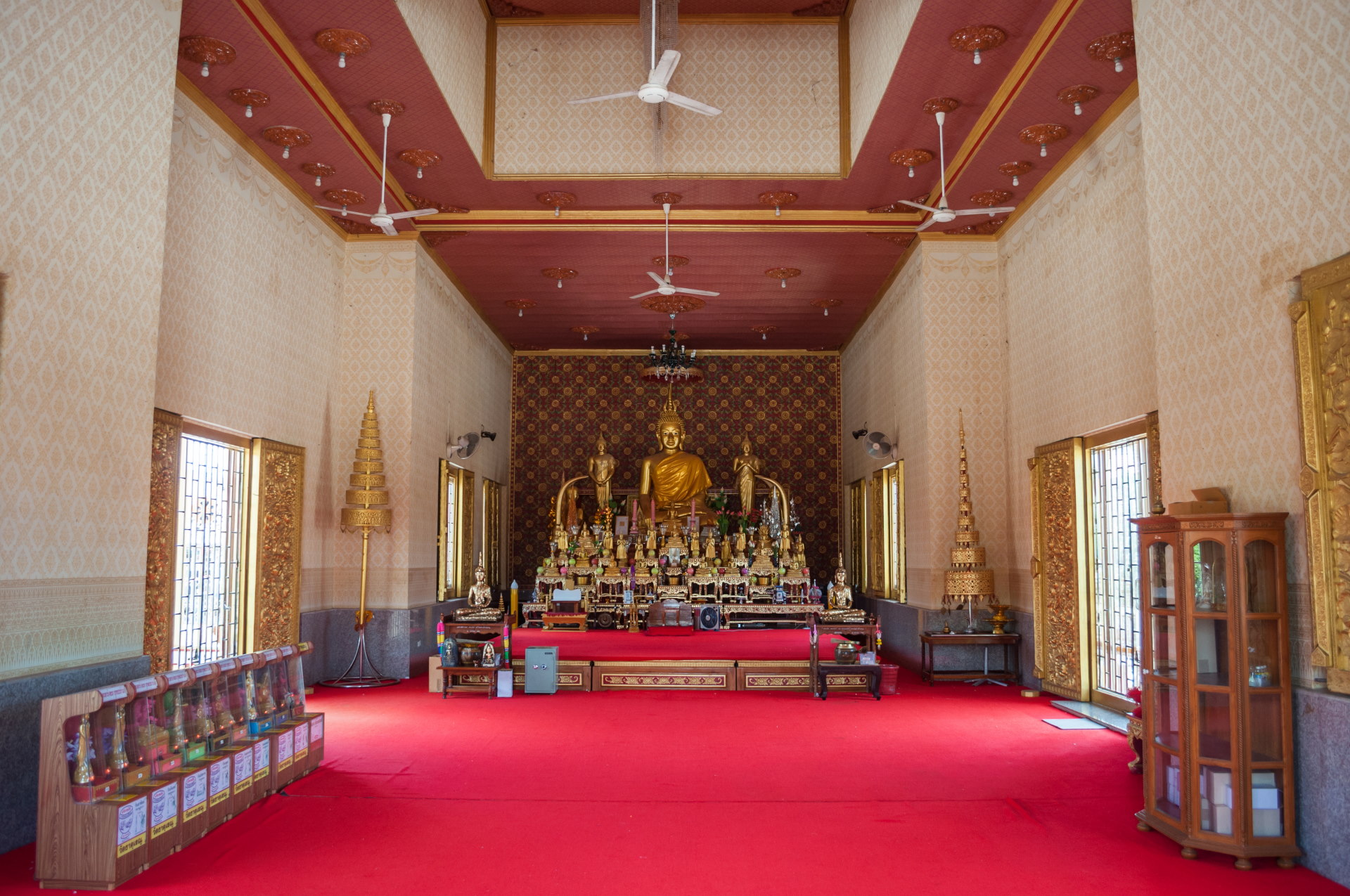
The temple as a whole looks rather modern, as demonstrated by its soft interior, devoid of mural painting, with a "standard" Buddha statue on the altar at the back of the viharn.
This is clearly not a site that alone justifies coming all the way here, but as it is located near the road leading to That Phanom, the detour remains easy to integrate (see map of points of interest at the end of the article).
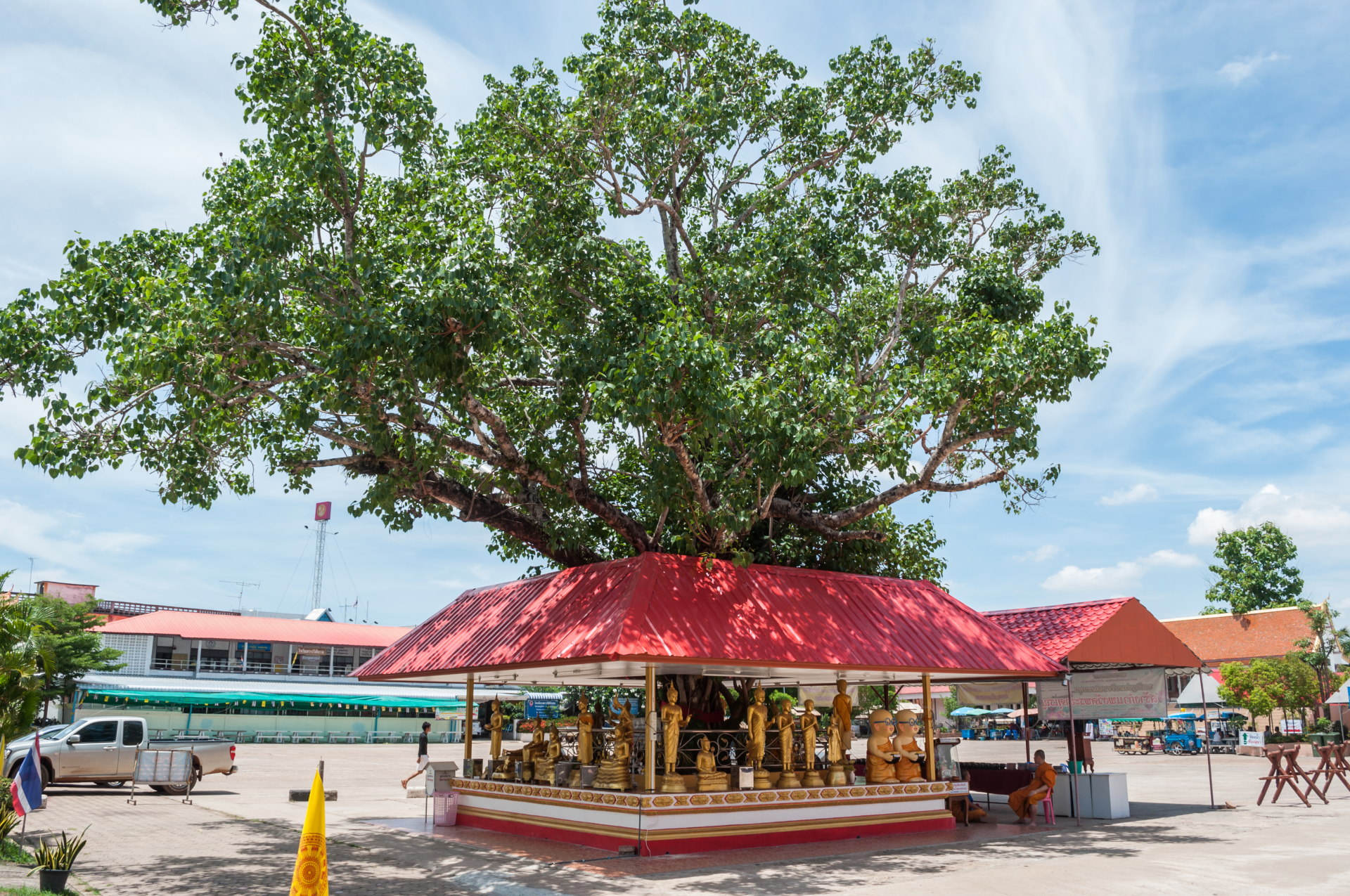
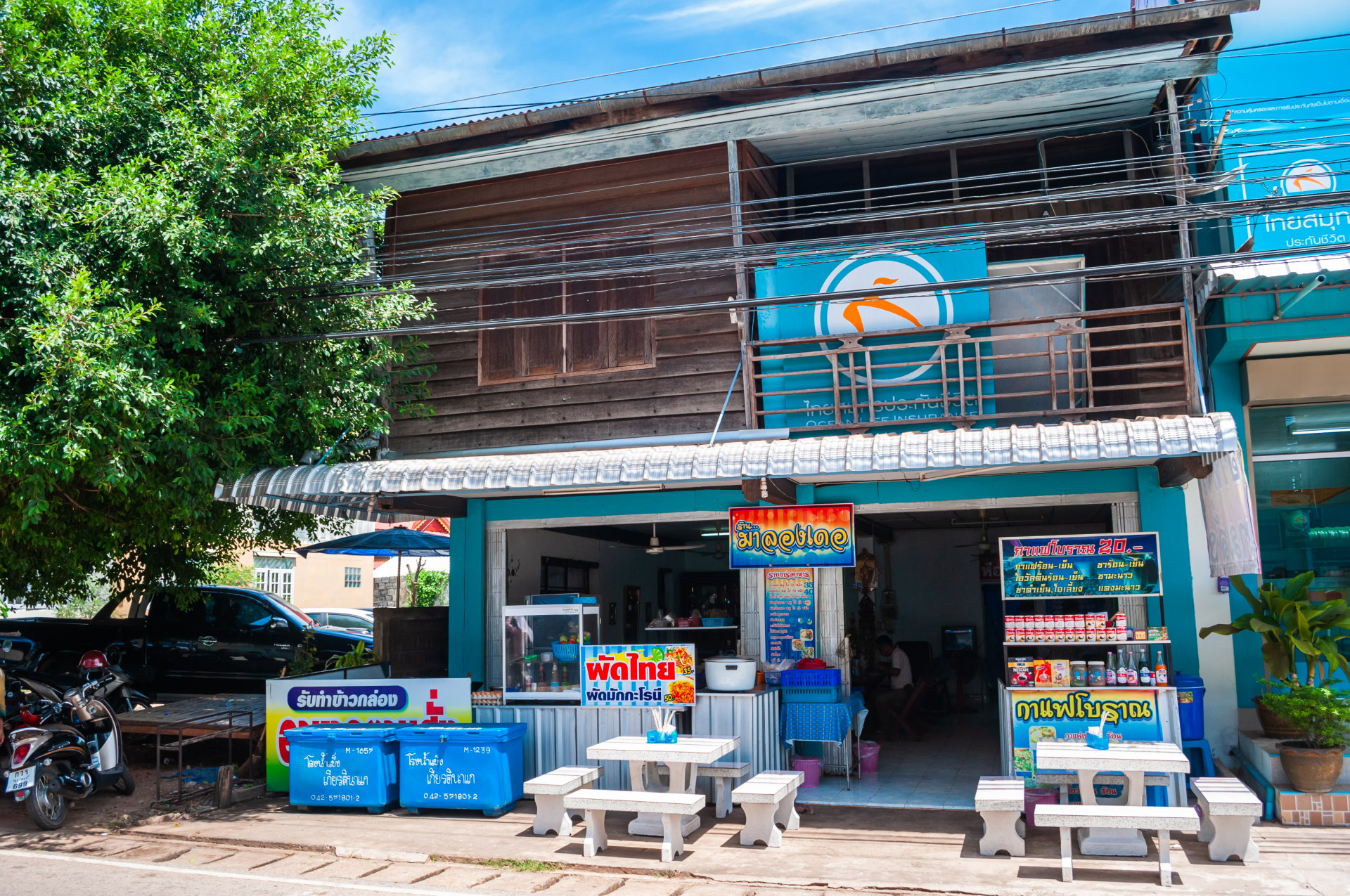
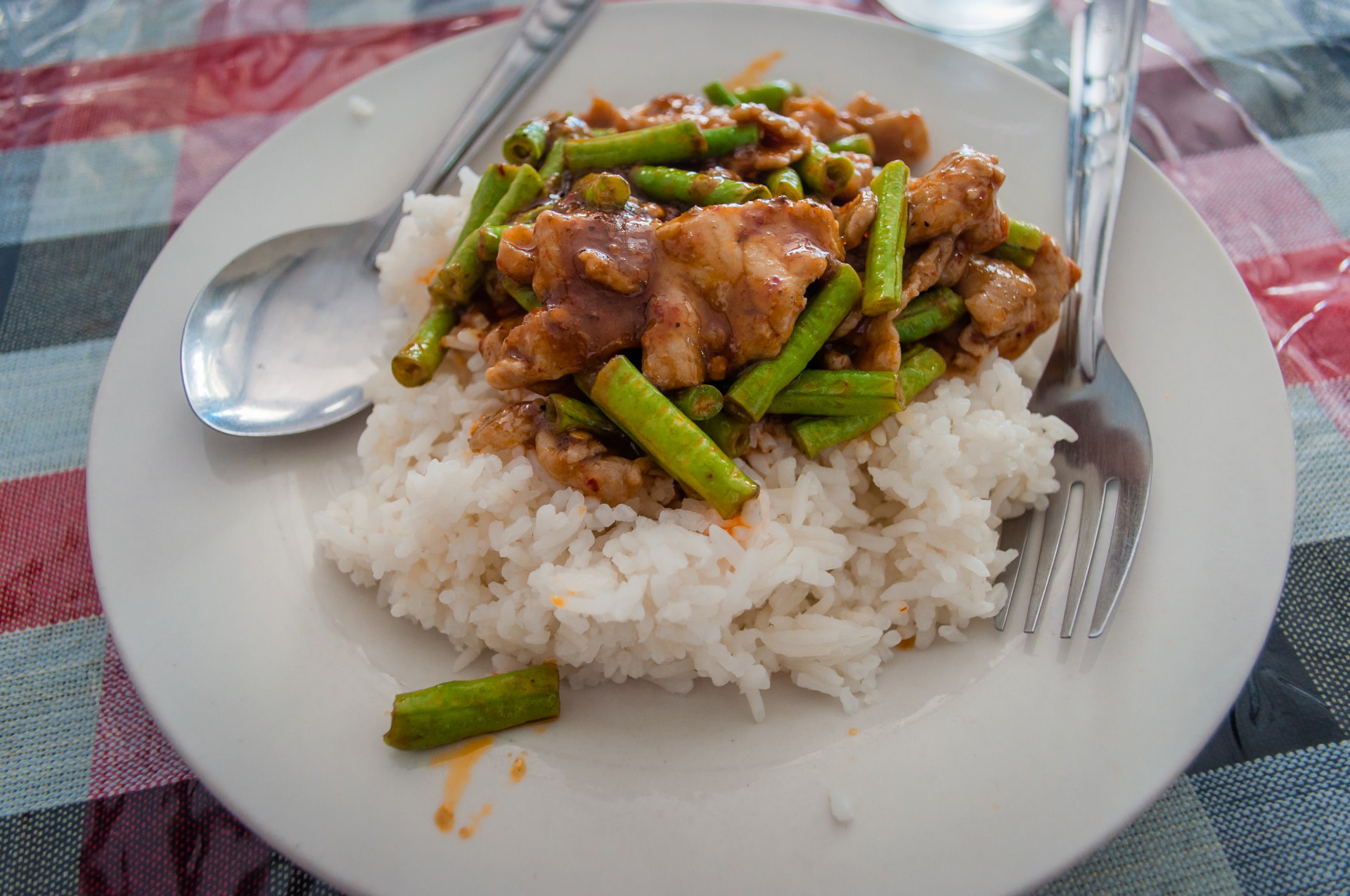
We mainly took advantage of this stop in the village to grab a bite to eat, seeing where we could eat when we hadn't found much until then (it was a public holiday so quite a few restaurants were closed).
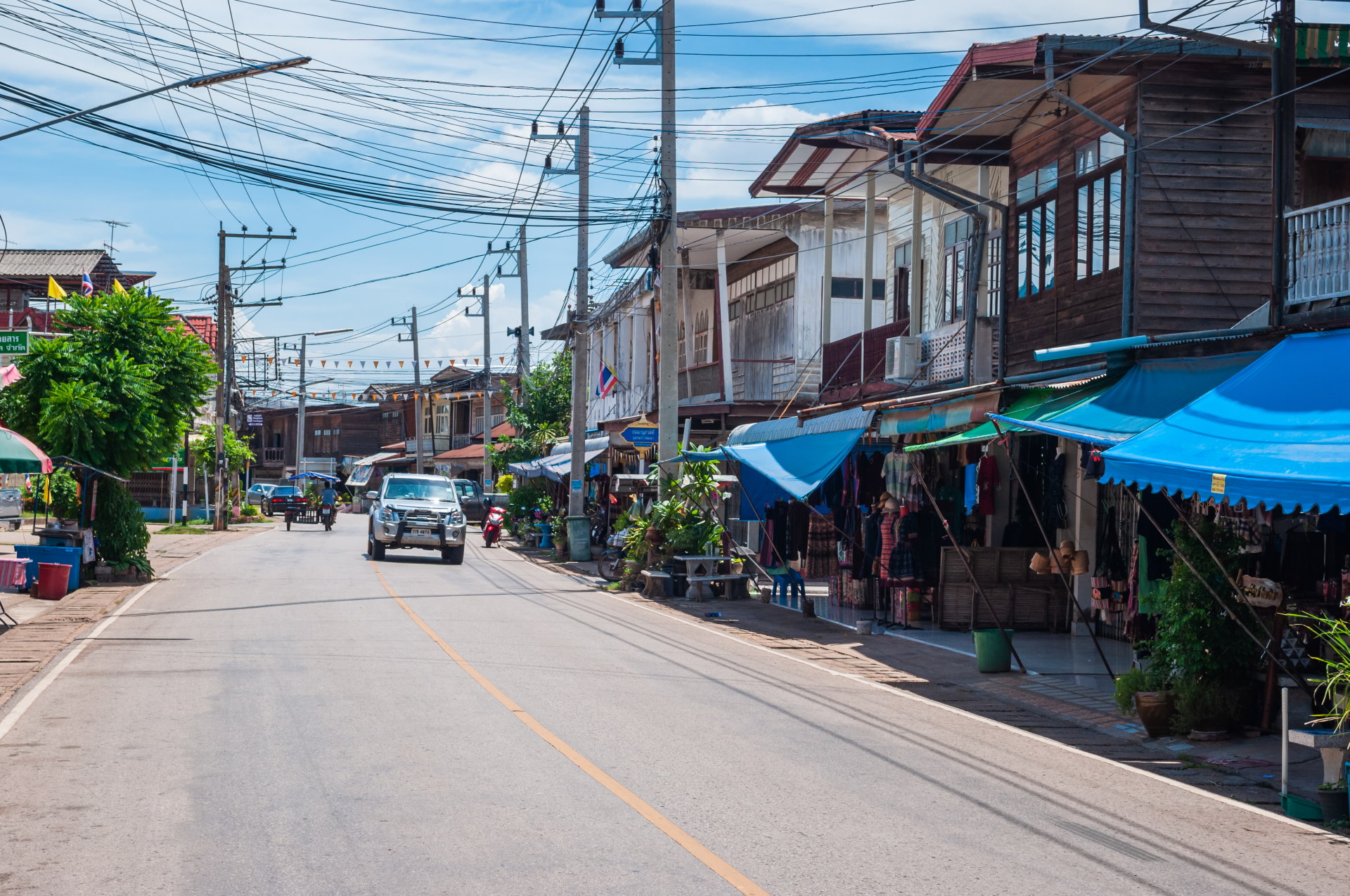
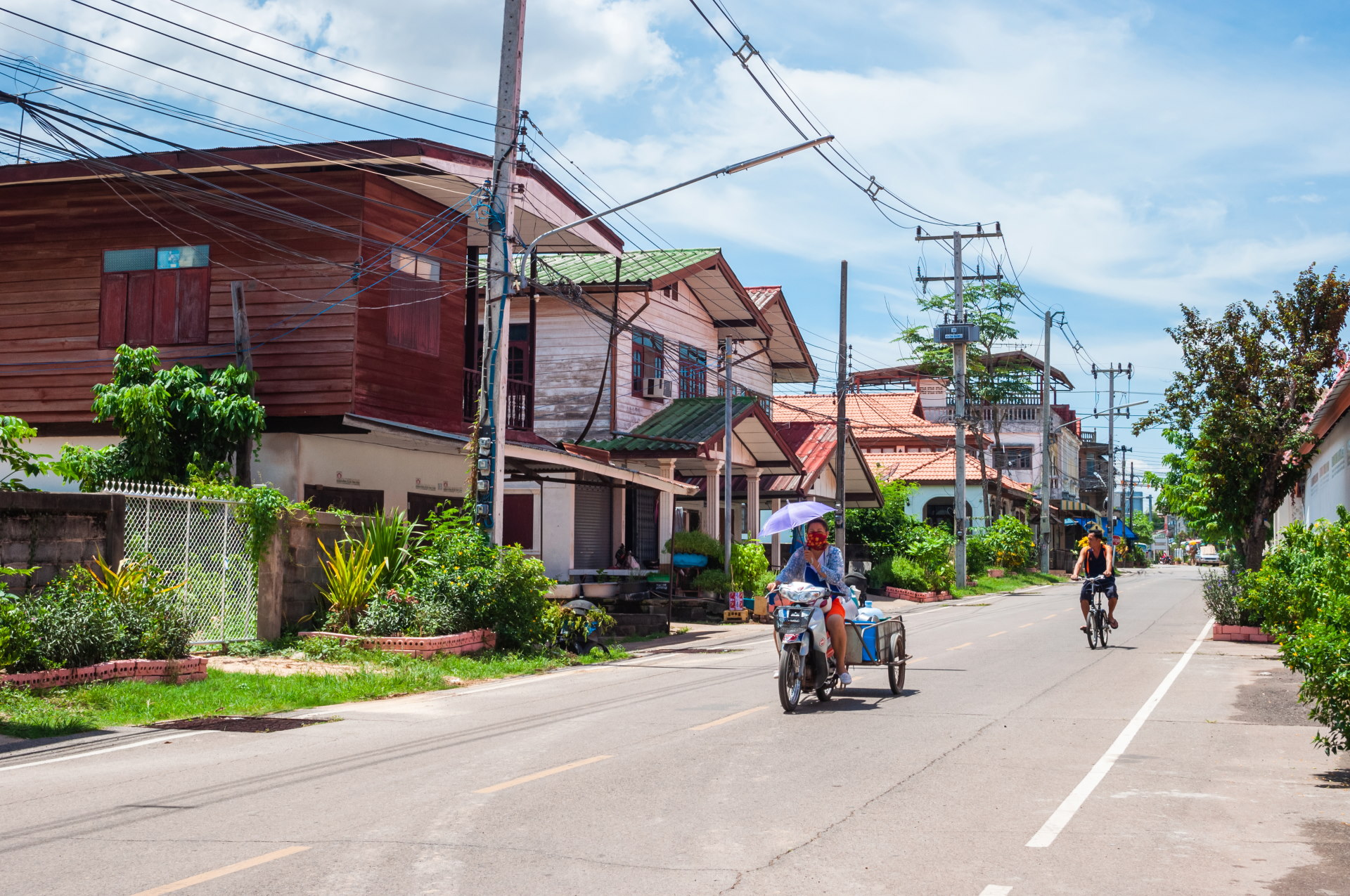
The village had its own charm, with its row of houses whose upper floors are typically made of wood.
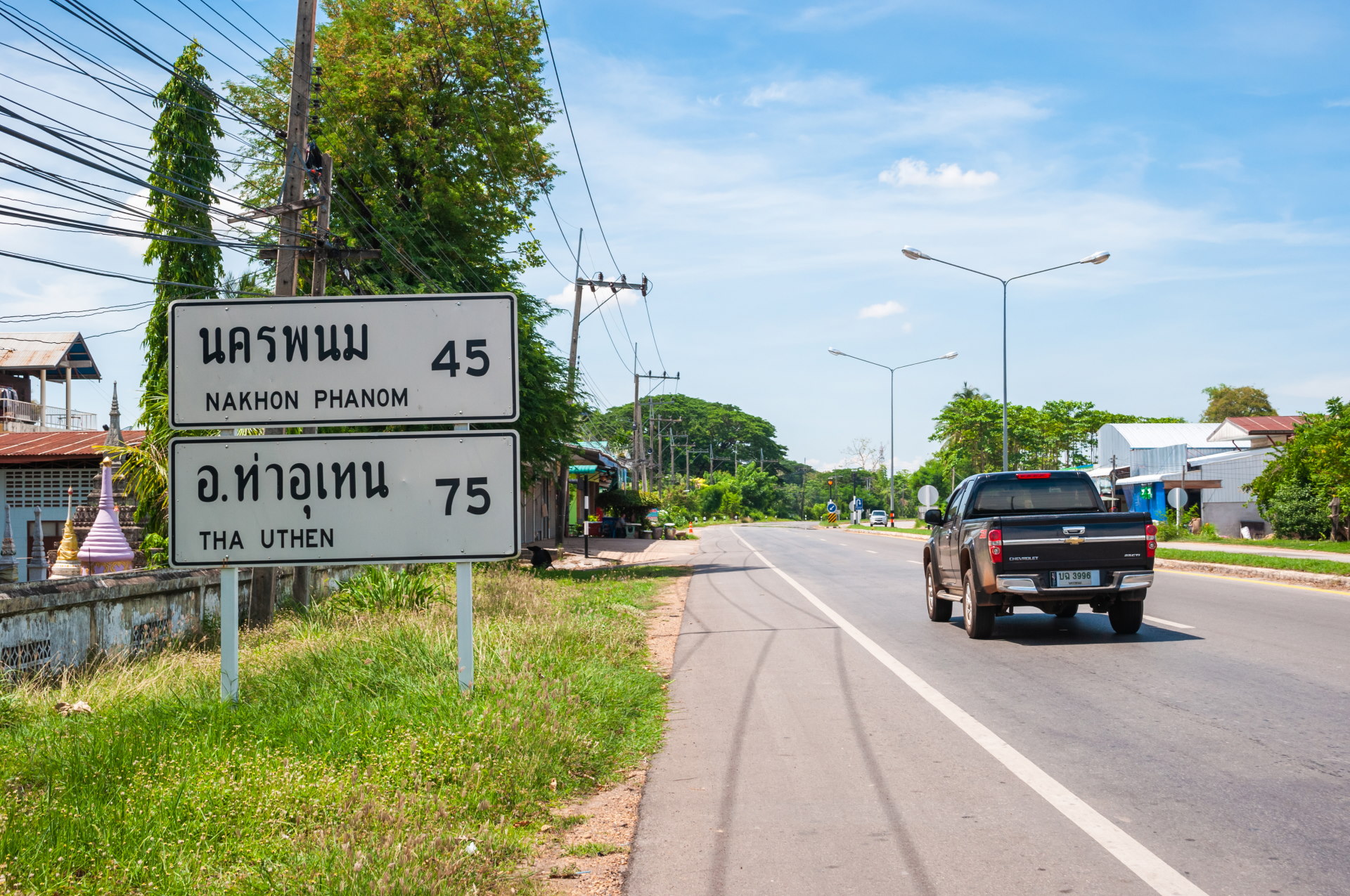
If you do as the Thais do when visiting the region, you can combine your trip with another local temple, Phra That Uthen. But from Nakhon Phanom, that would have meant another 30 kilometers (this time north of the city), and Tha Uthen really only serves as a stopover to see the real attraction, located away from the city: Tha Uthen Dinosaur Footprints.
There you can see a series of tracks left by small bipedal dinosaurs, visible over 15 meters and remarkably well preserved. Getting there adds another 20 km from Tha Uthen, so it's not a place you would deliberately visit, but rather one you might pass through while traveling up the Mekong River from the north.
Ho Chi Minh's house
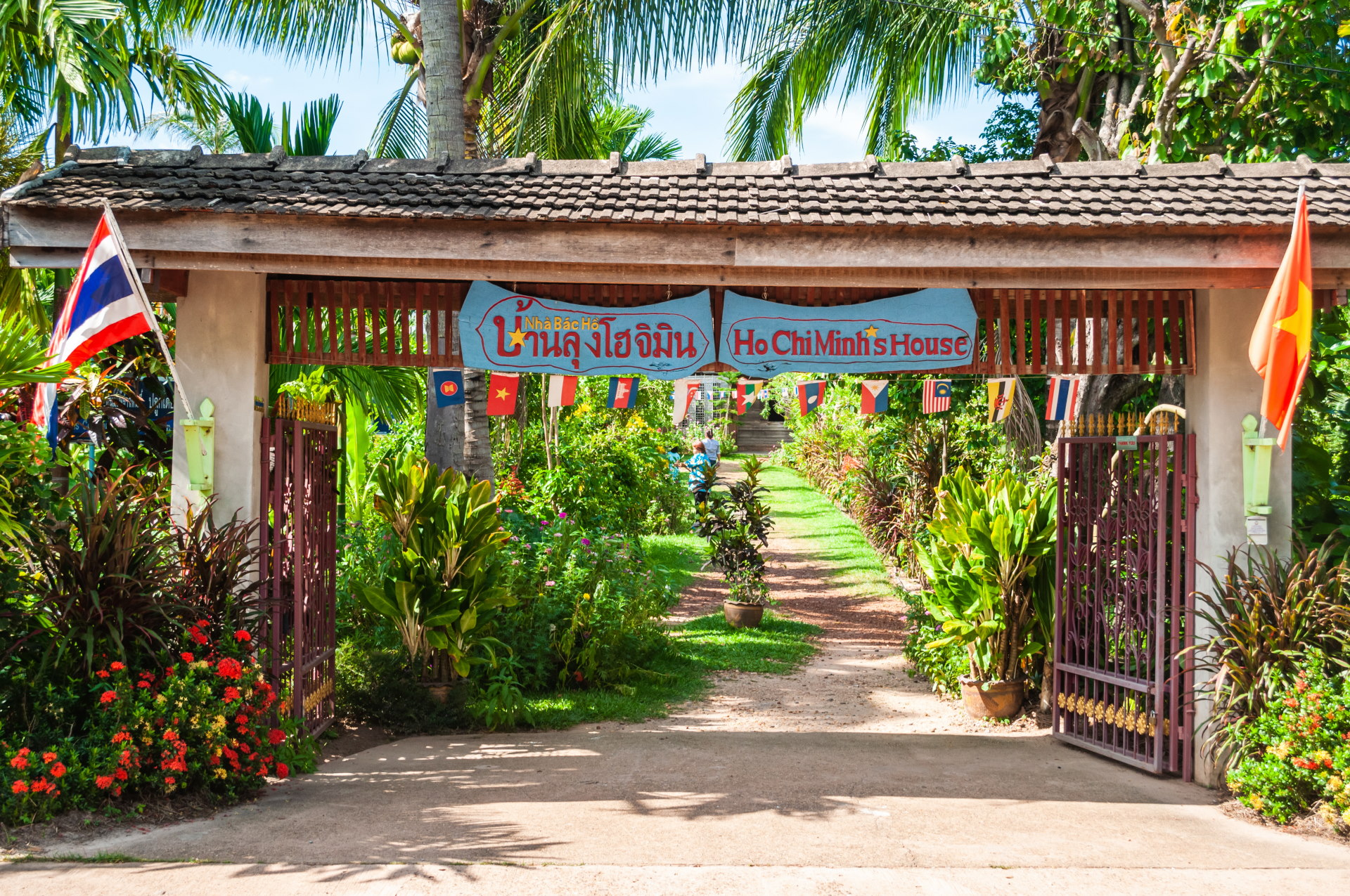
Back in town, we still had one "important" local site to see. When I mentioned earlier the Vietnamese refugees fleeing the French regime in Indochina, among them was a certain Nguyen Ái Quoc, you guessed it, Uncle Ho, who is none other than the future President of the Socialist Republic of Vietnam, Ho Chi Minh!
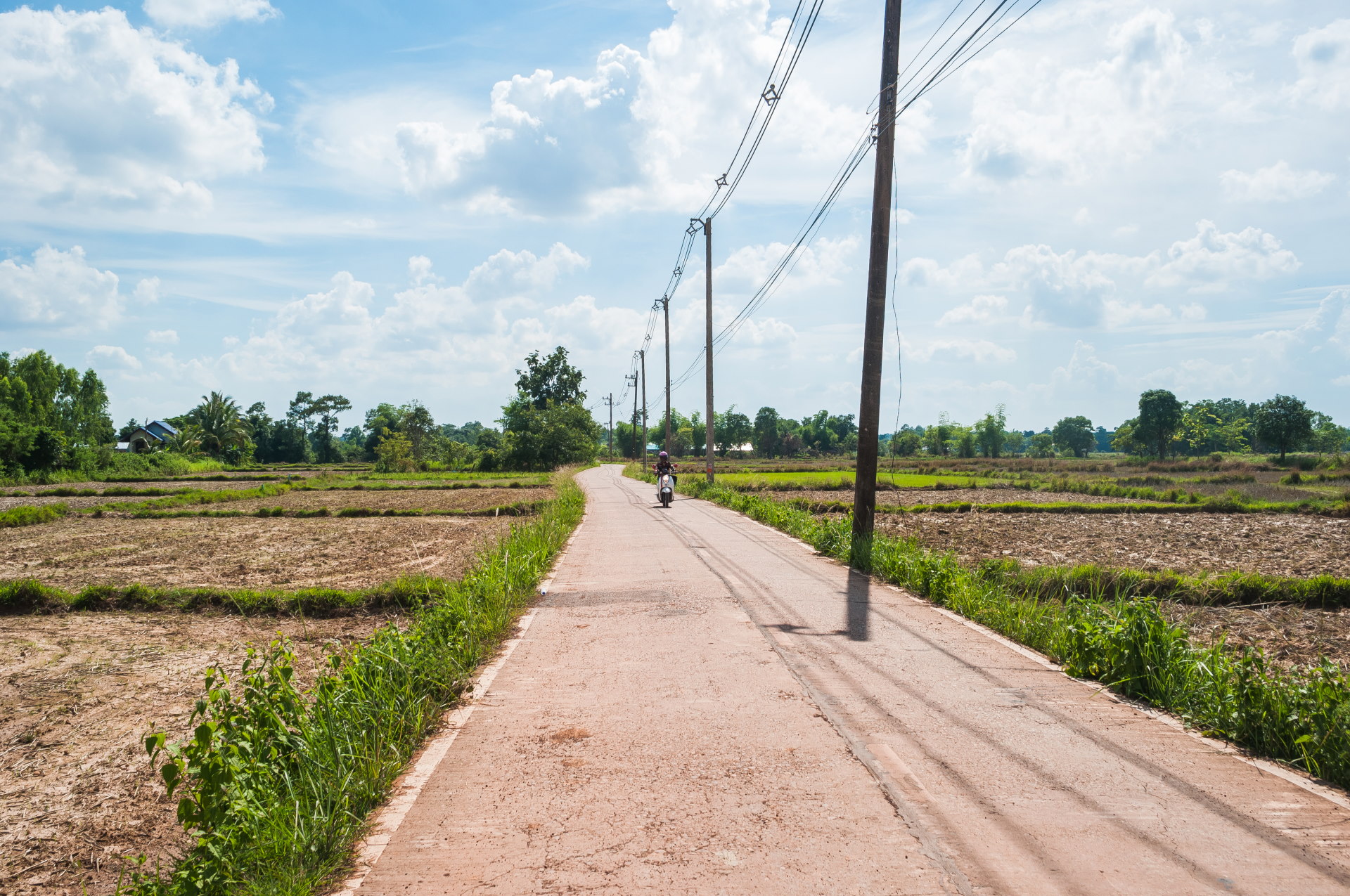
Located in Ban Na Chok, a Thai-Vietnamese friendship village 5 km from the center of Nakhon Phanom, it is now possible to visit the house of Ho Chi Minh where he resided from 1924 to 1931. It was from here that he planned and organized the resistance movement that would lead to the revolution to obtain the independence of Vietnam.
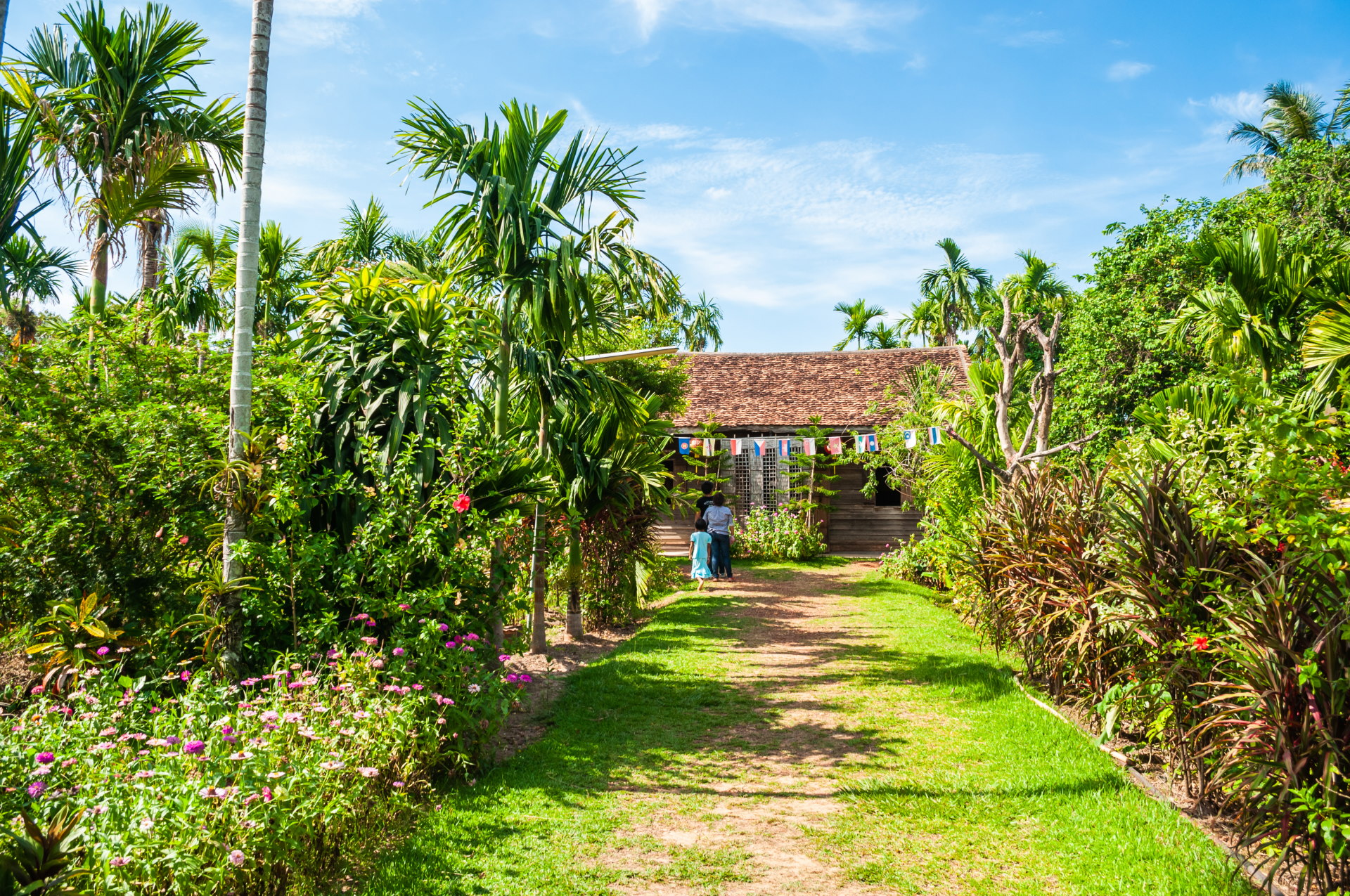
The future leader was known for living simply, so this is a simple single-storey wooden house surrounded by a pretty garden including betel palms, starfruit trees and flowering plants that he would have planted himself.
Inside, you can see the tools and utensils used by Ho Chi Minh in his daily life, as well as his office and small room which had the "charm" of being separated by a partition from the rest of the room making up the house.
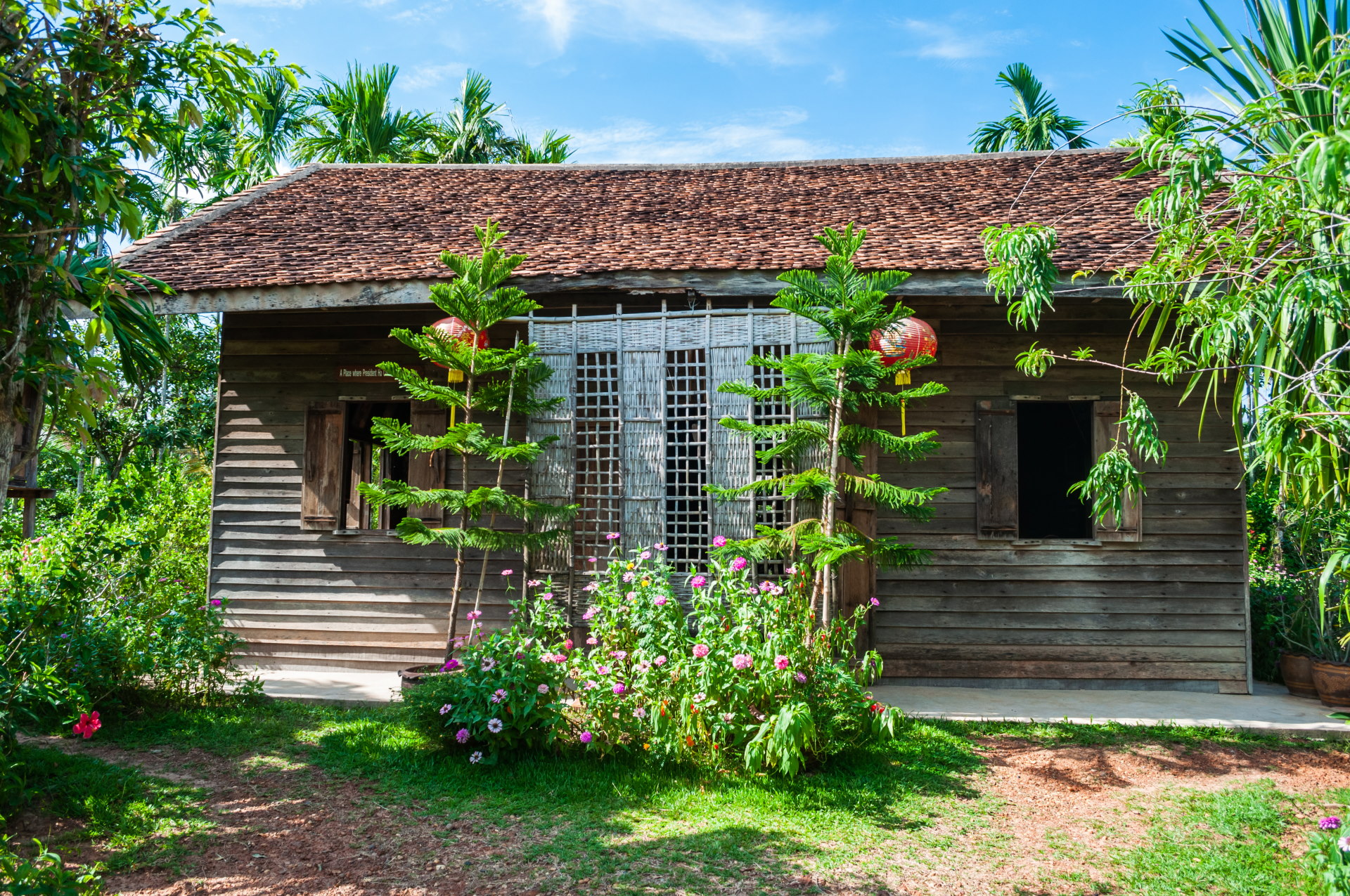
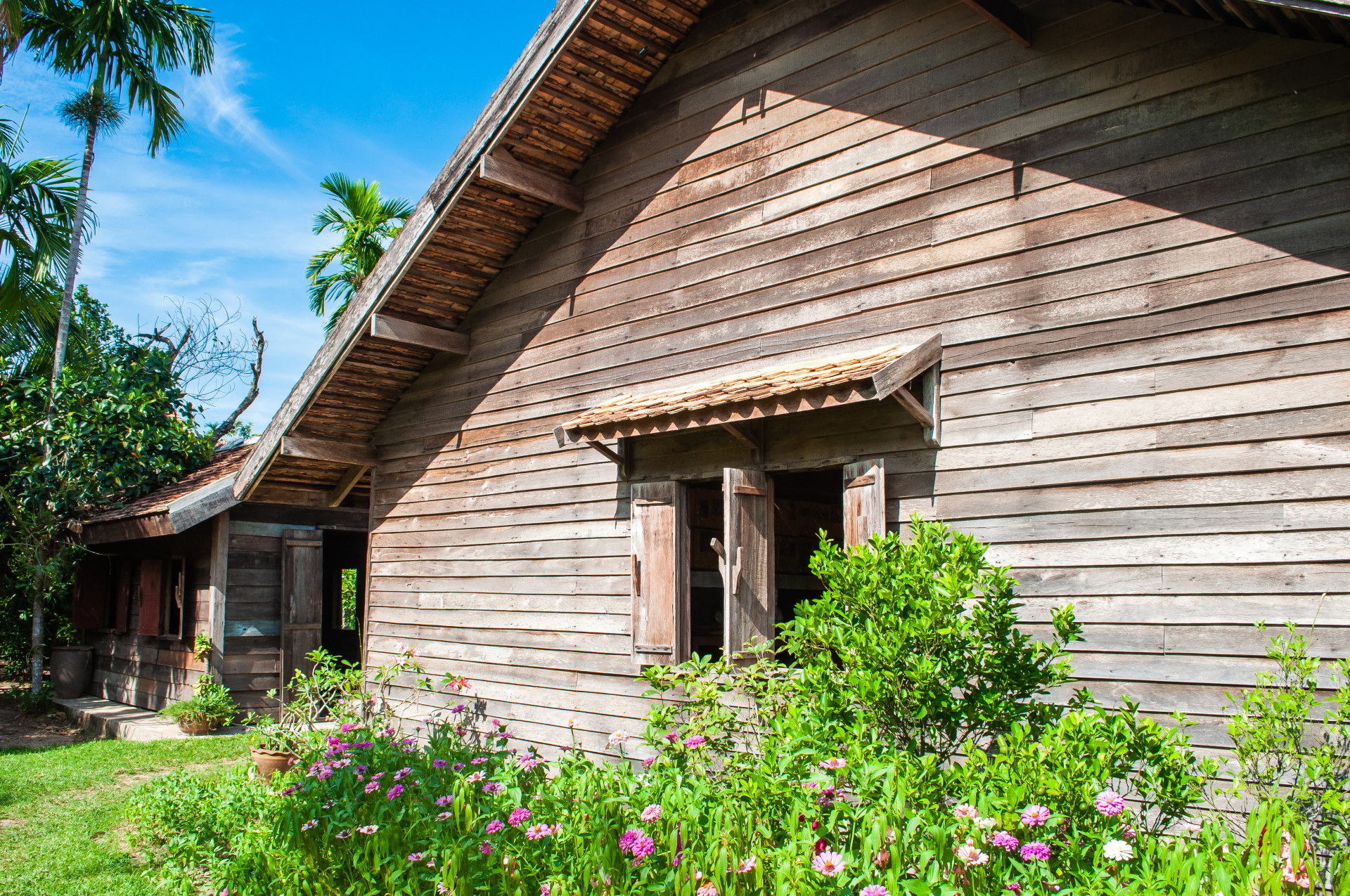
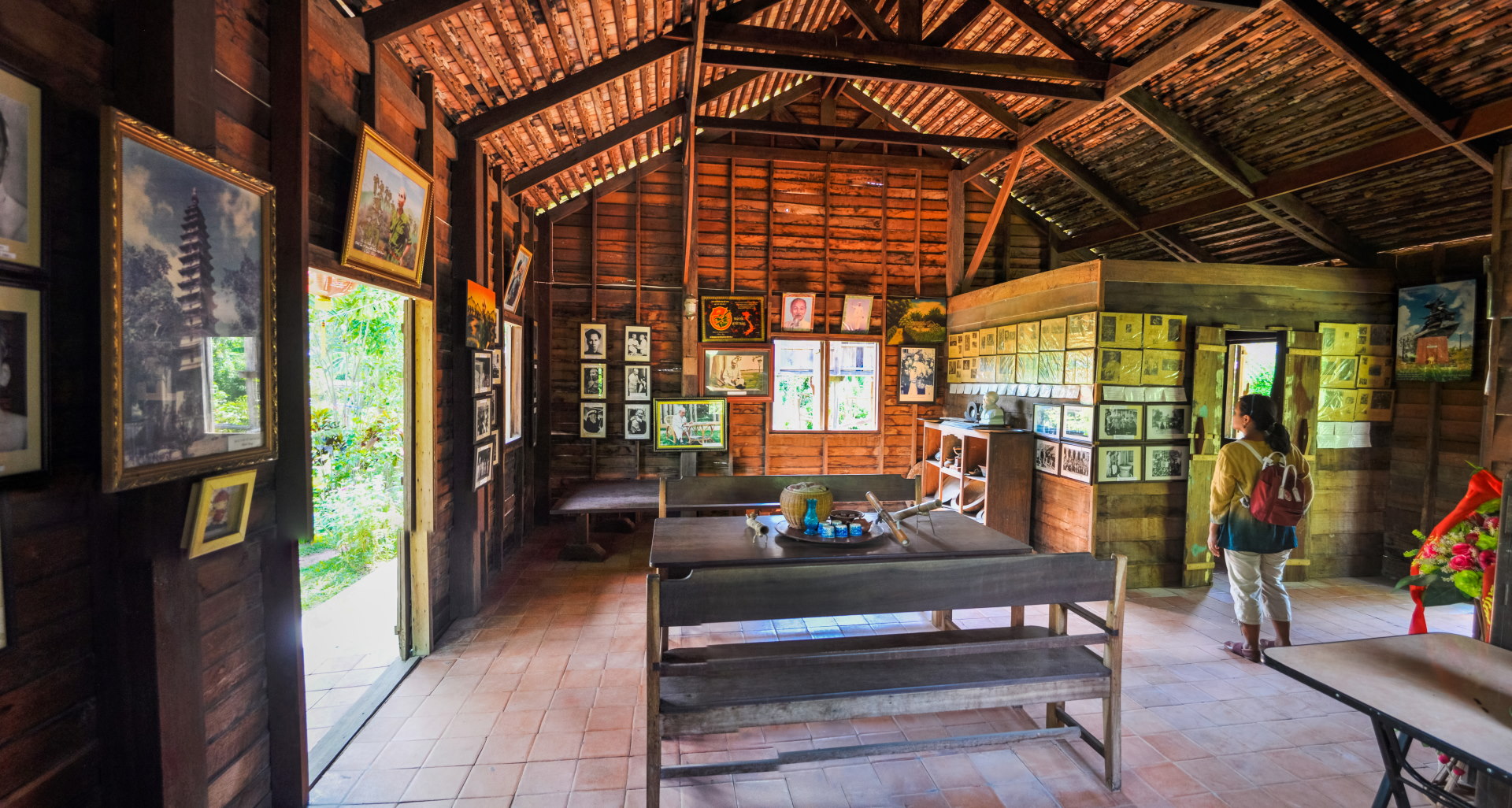
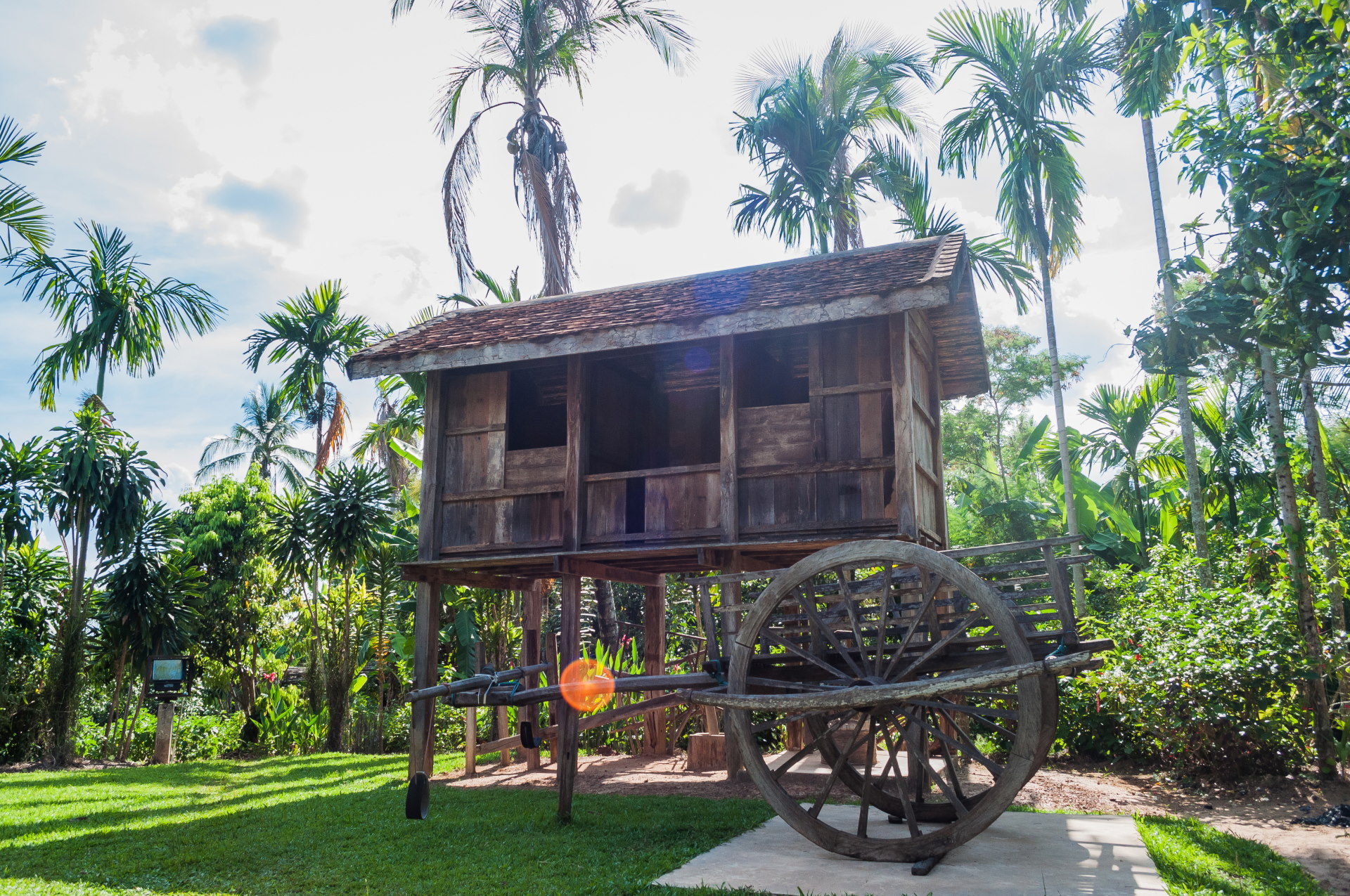
The visit is free because the site is managed by the local Vietnamese community. They also recently funded a memorial retracing his biography, called the "Hồ Chí Minh Museum", which includes a reproduction of the house, even though it is located only 400m away.
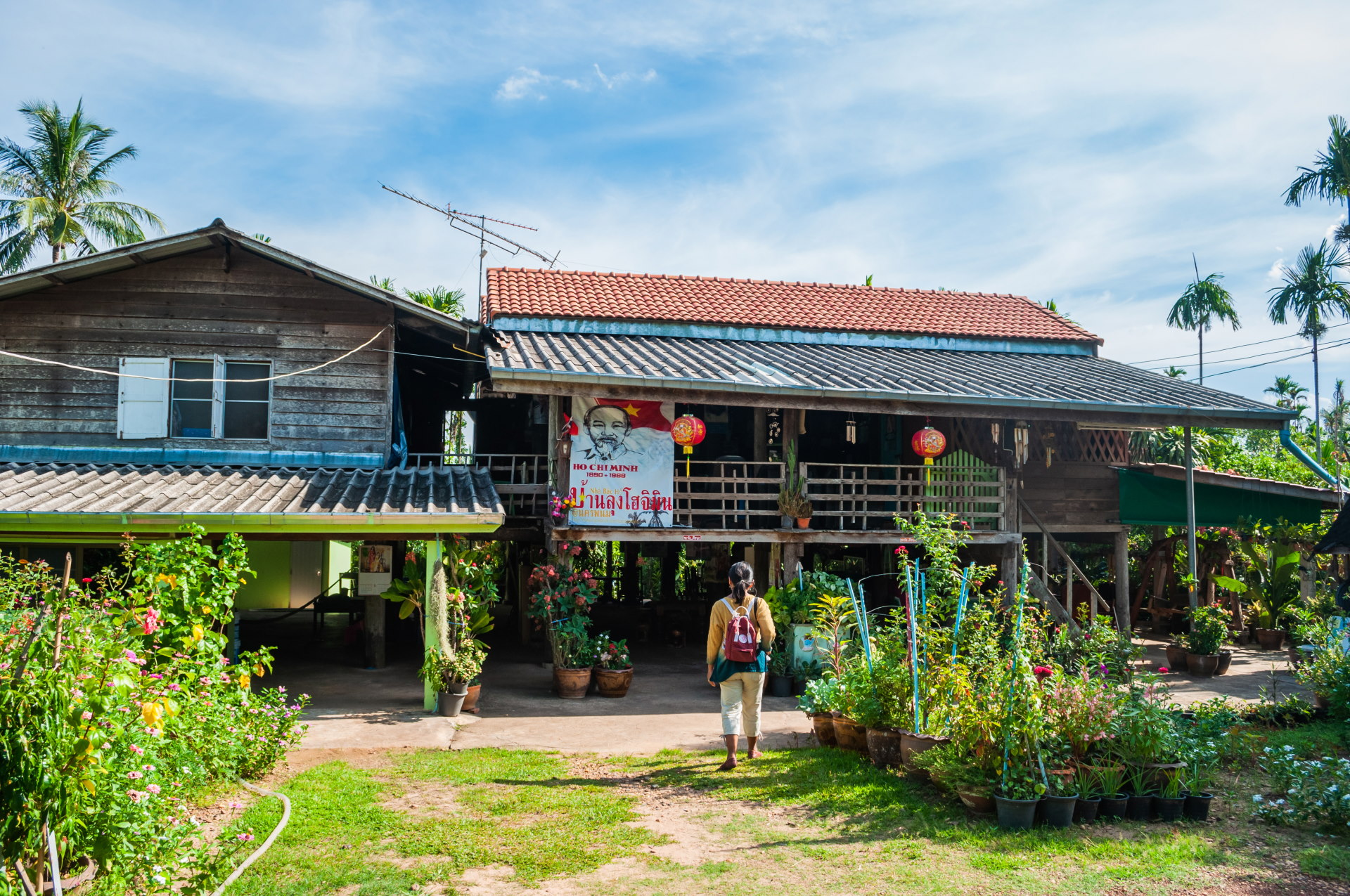

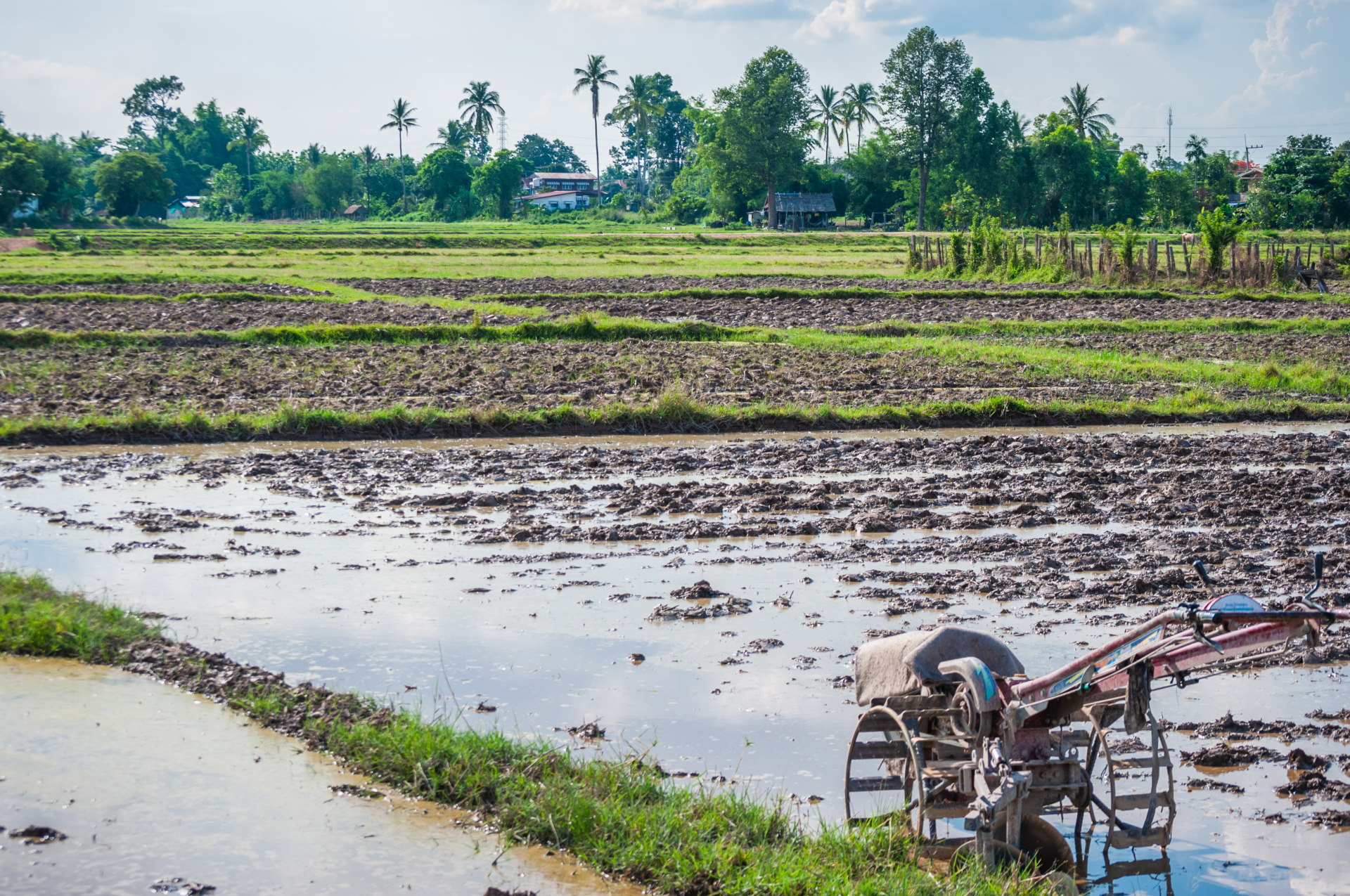
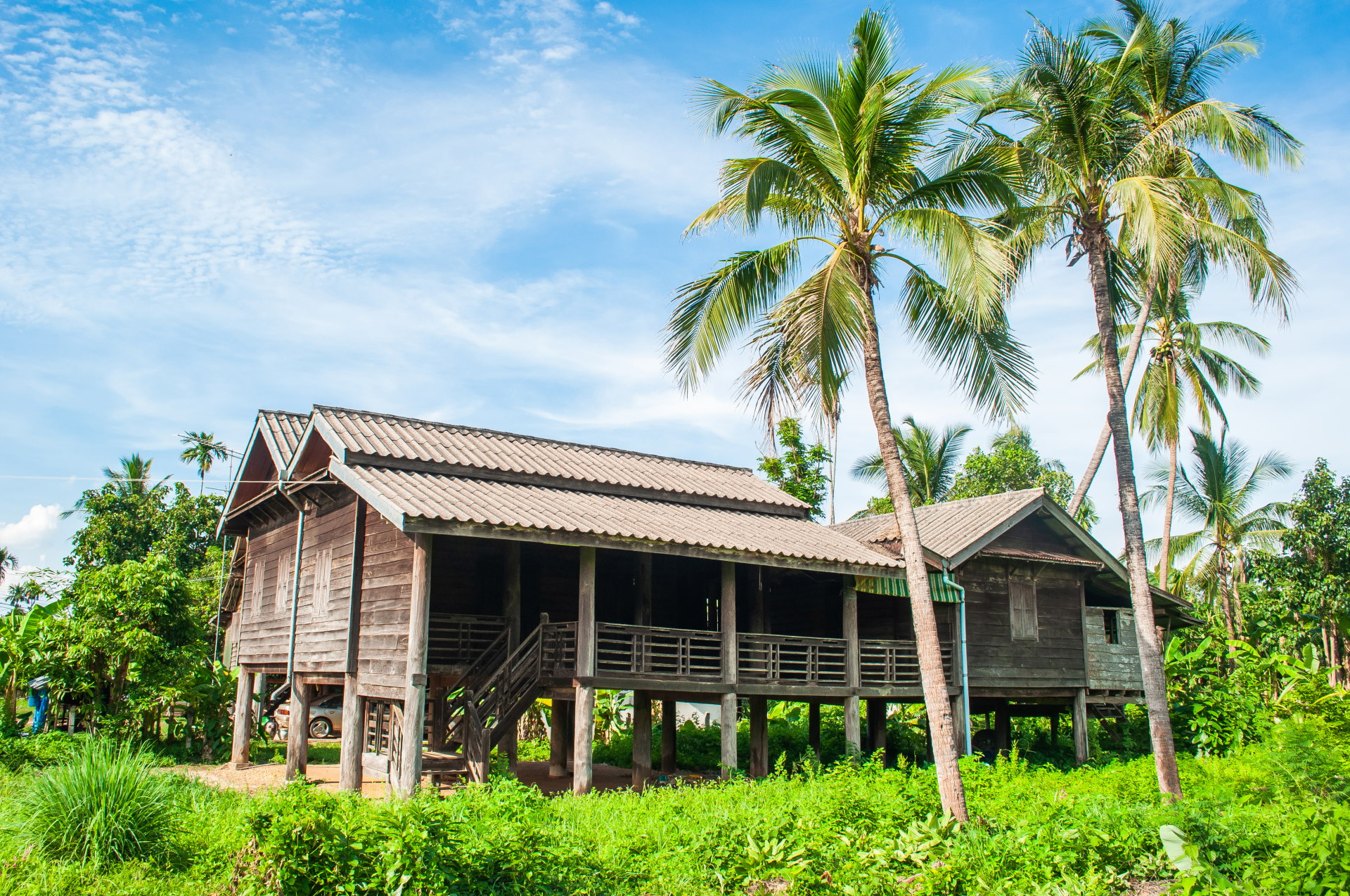
I recommend that once you're in the area, you take the time to wander around. The rural setting is lovely, you'll come across pretty wooden houses on stilts, and you can see rice paddies (obviously more interesting if they are full and green, from July onwards).
Observe the activity on the Mekong
As a conclusion to this day in Nakhon Phanom, I wanted to return to the banks of the Mekong to observe the activity on the river.
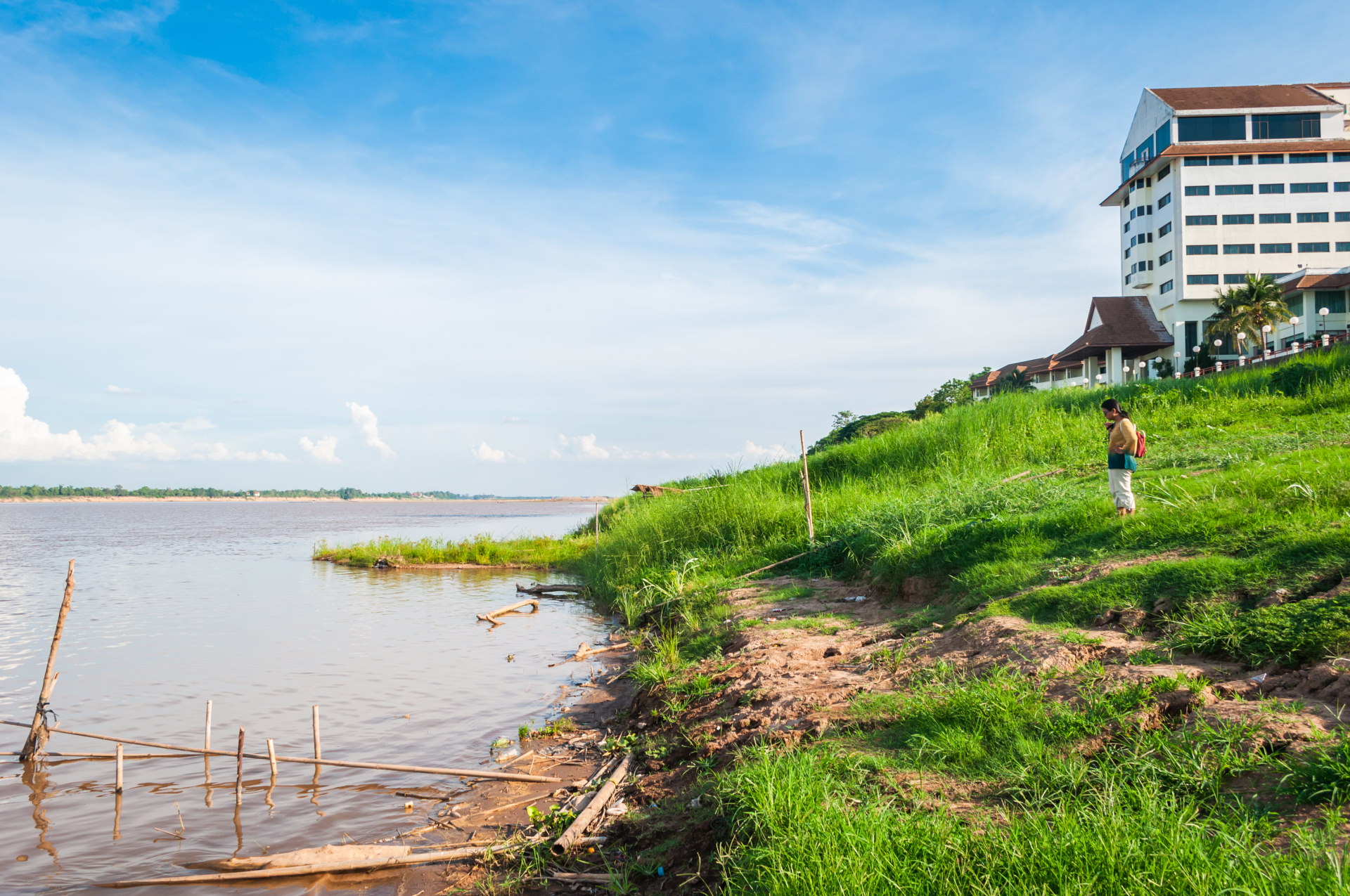
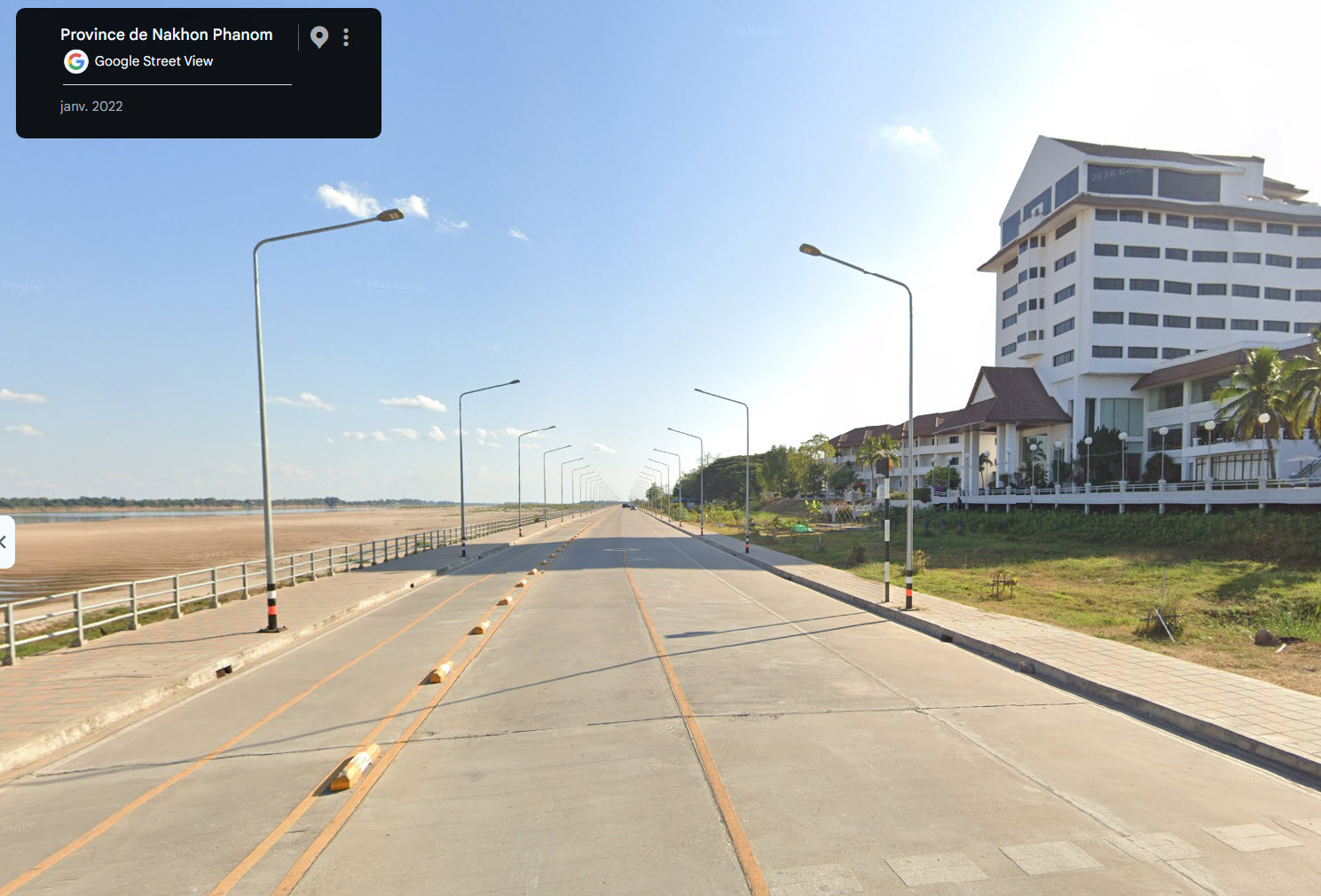
So I headed south of the city, to the Fortune River View Nakhon Phanom hotel, where I found the access I was looking for to really get down to the riverbank.
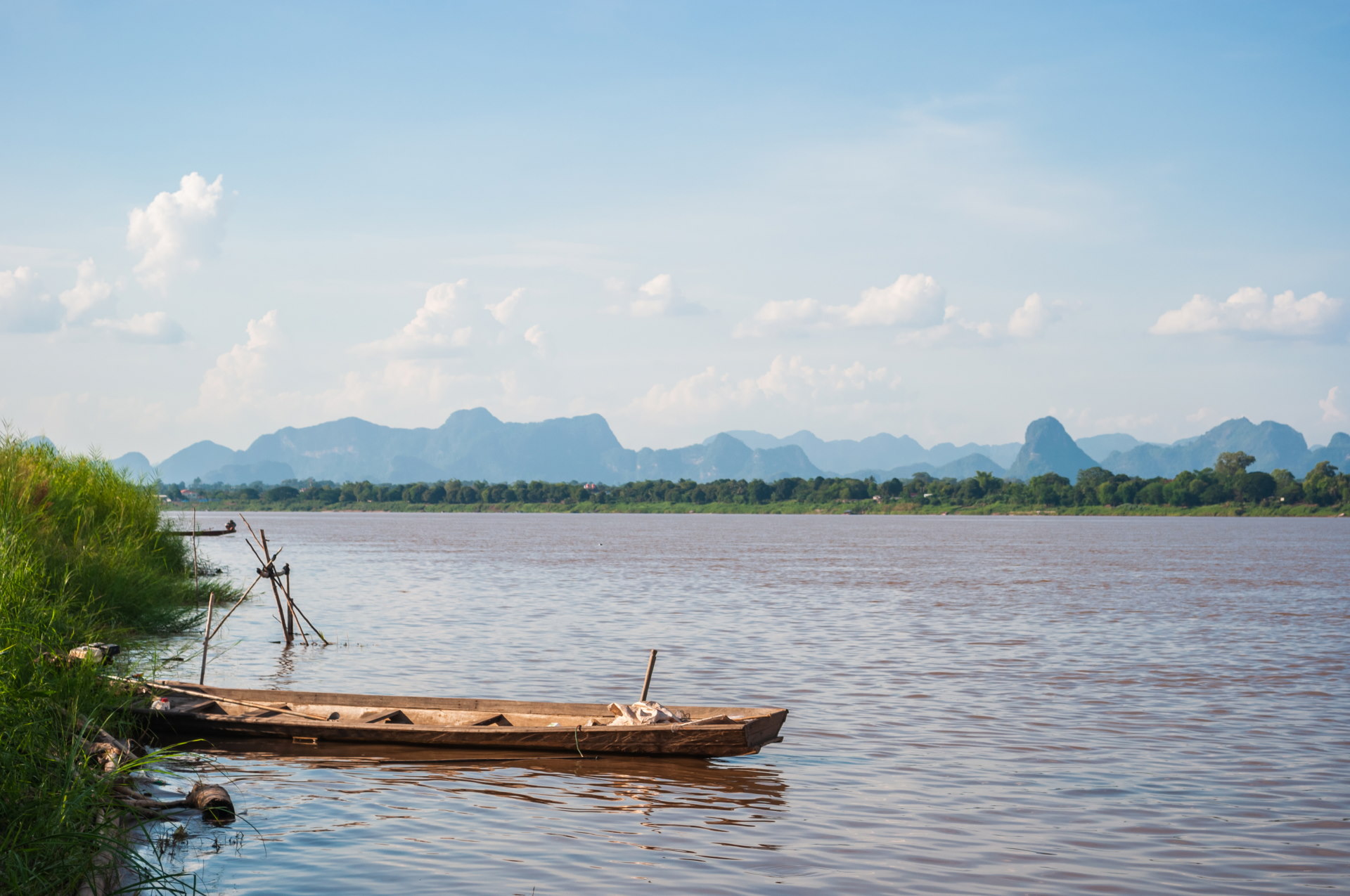
Unfortunately, apart from a few boats moored there, there wasn't much to see… But rediscovering this place while writing the revised article showed me just how much it had changed! The riverbanks have given way to a proper road that now runs alongside the river for several kilometers. Well, at least it also makes for a fantastic bike path that follows the Mekong for over 30 km!
It must be said that Thailand likes to "control" the water and tends to stabilize riverbanks to limit the effects of erosion. The differences can be significant: in this spot, the bank has been pushed back by about 60 meters, but the difference sometimes reaches several hundred meters, up to 800 meters in some places!
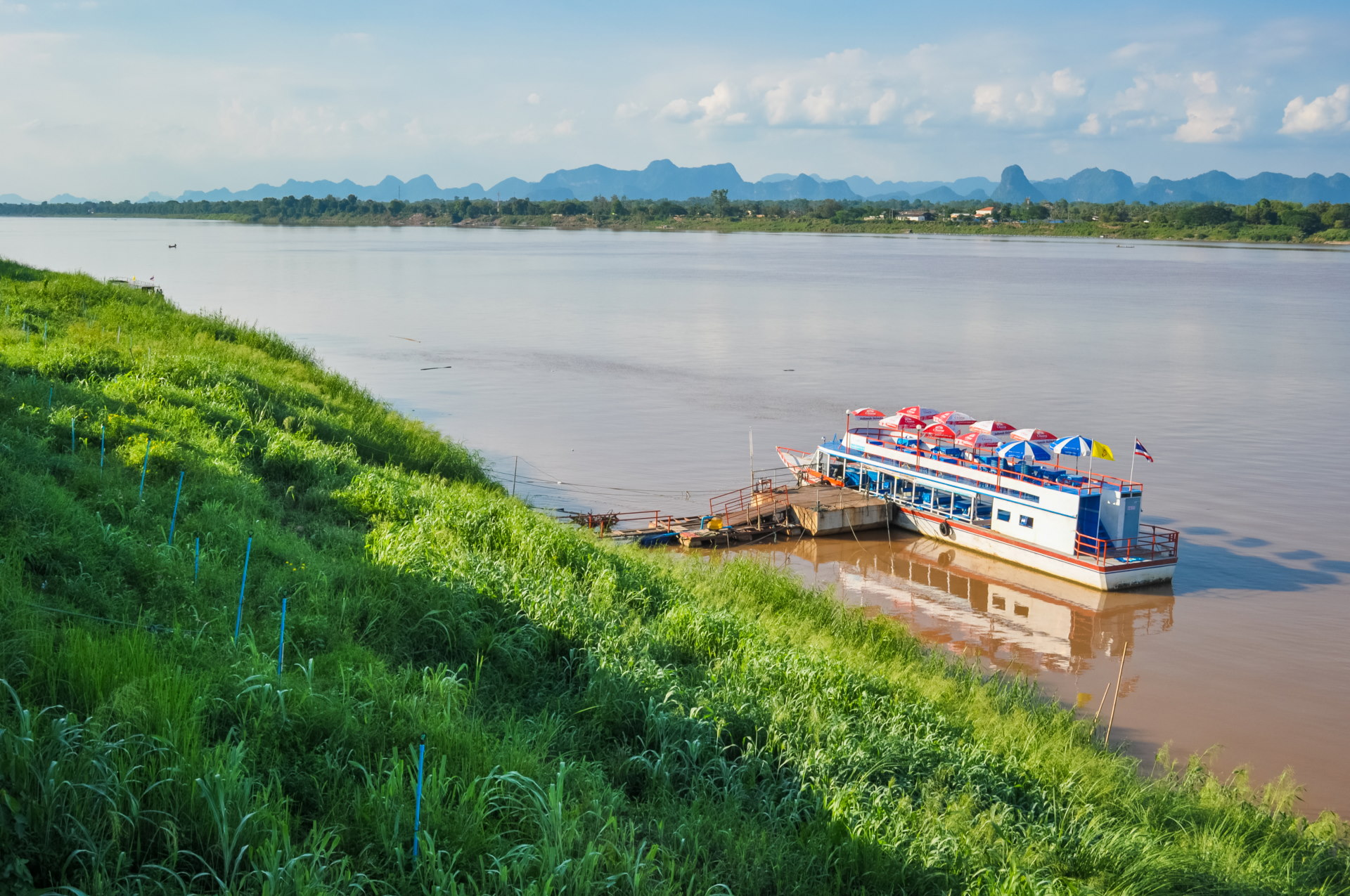
Another noticeable change in the city: in the late afternoon, we went to a restaurant whose name I didn't note down, just to have a drink with a view of the Mekong, near our hotel. I've since discovered that the establishment has become a guesthouse.
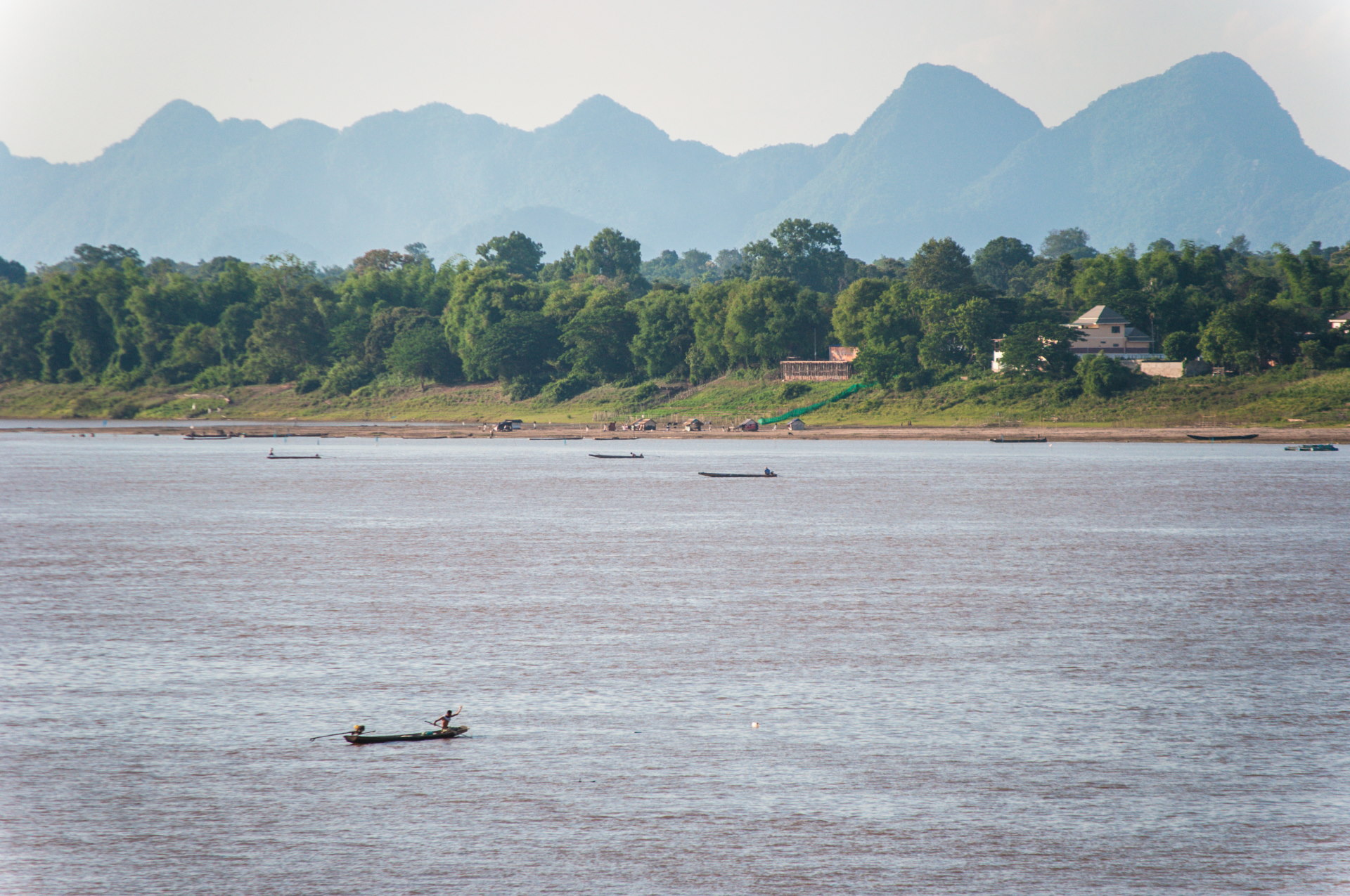
We were then at the level of the quay where the Thais embarked to cross the Mekong. The view of Laos was more interesting than from our first observation point, with more activity as we could see some fishermen at work.
How to get to Nakhon Phanom?
Nakhon Phanom is located in the northeast of Isan, over 700 km from Bangkok. The city is therefore quite far from the capital, but it remains easily accessible by road and air. Luckily, we tested both options: the bus on the way there, then the plane on the way back.
Come by bus
Nakhon Phanom bus station is located on the outskirts of the city. Buses run to Bangkok and several cities in Isan. From Bangkok, the journey takes approximately 12 hours depending on the service chosen, with departures generally scheduled for late afternoon/early evening.
We chose this option on the outbound journey. The trip is long, but the bus takes you directly to Nakhon Phanom and is generally the most economical way to reach the city. If you're departing from Bangkok, most buses leave from the Mo Chit terminal, and you'll have several options for schedules and bus types depending on the company.
Here are two that offer good value for money, around 900 baht:
- Nakhon Chai Air
- Cherdchai Tower
The cheapest company is Transport Co, but the journey takes around 18 hours, ouch… to save 200 baht…
To find out about schedules and fares, you can go directly to the bus station or use a booking platform like 12Go. However, make sure that the destination is Nakhon Phanom and not That Phanom or another destination in the province.
Coming by plane
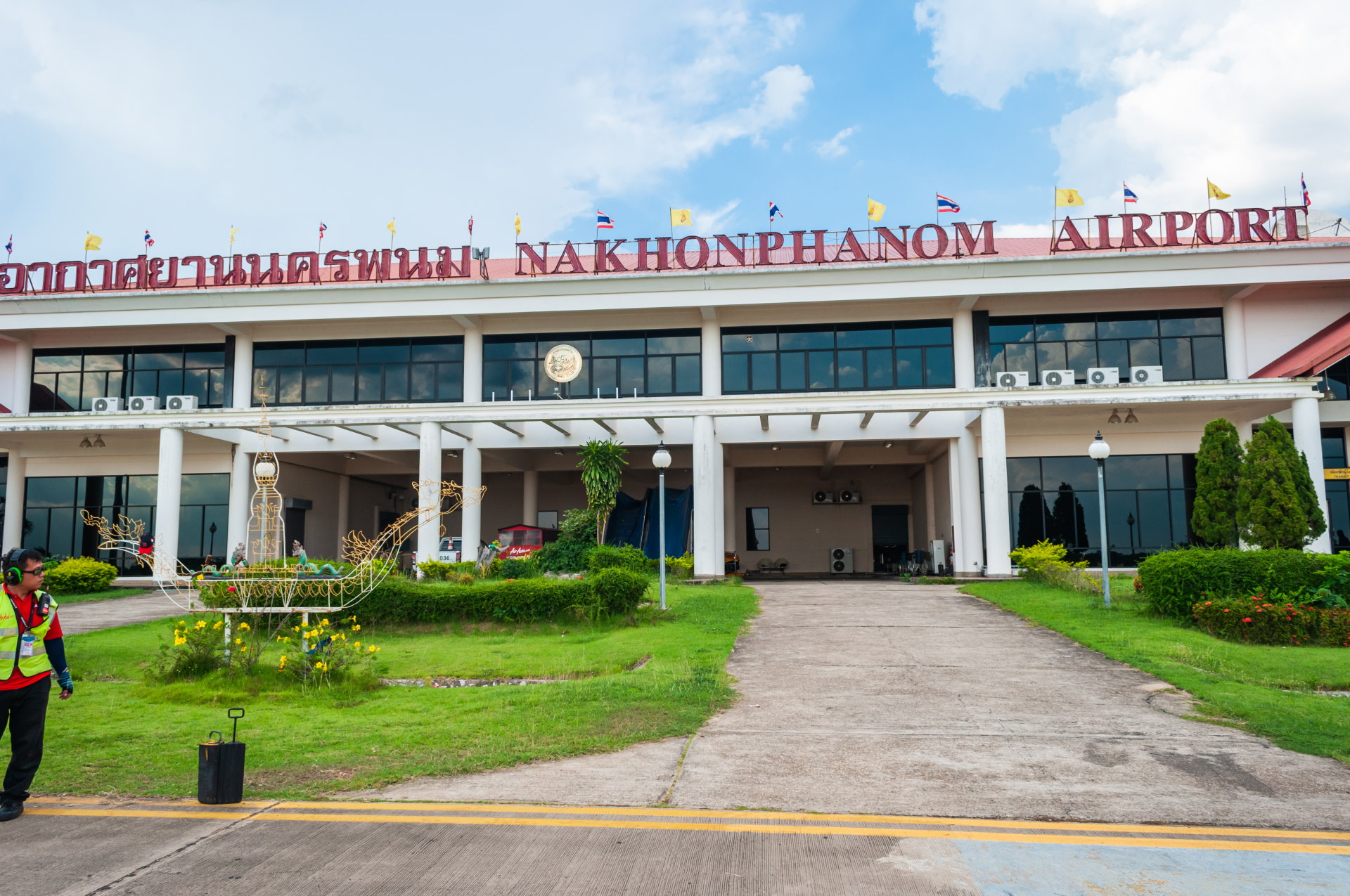
With the rail network struggling somewhat in Isan, Thailand has compensated with air transport. Although Nakhon Phanom has just under 30,000 inhabitants, it boasts its own airport, located a few kilometers west of the city center.
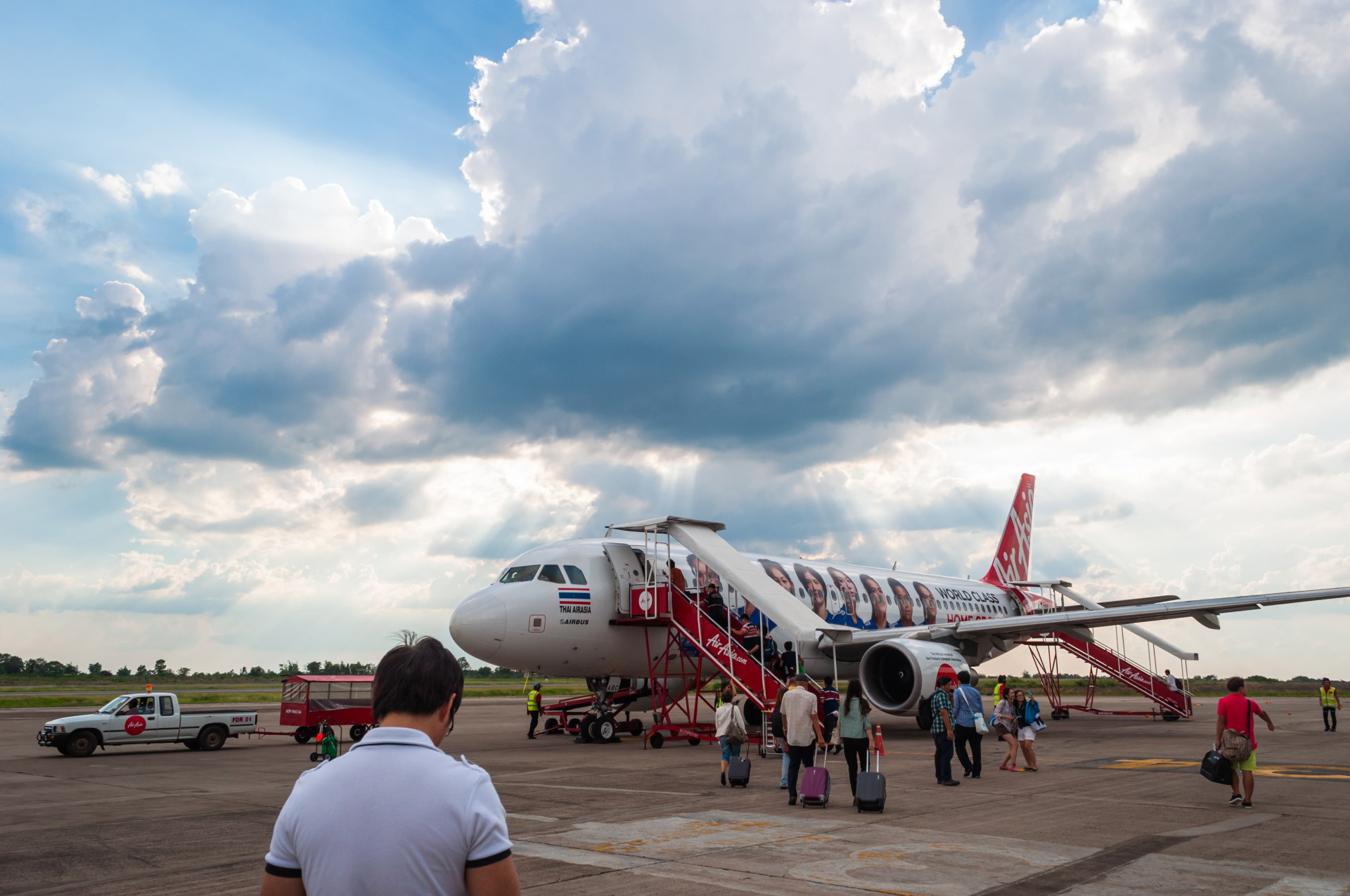
Regular domestic flights are available from Don Mueang (DMK), connecting Bangkok to Nakhon Phanom and significantly reducing travel time: expect a little over an hour flight, with fares varying depending on the period and time but generally between 1,200 and 2,000 baht.
This was the option we chose for the return trip, to avoid another 12-hour drive. Since the airport is close to the city, the transfer to your accommodation is quite straightforward. Plan to take a local taxi or ask your hotel if they can arrange a pick-up.
From Laos
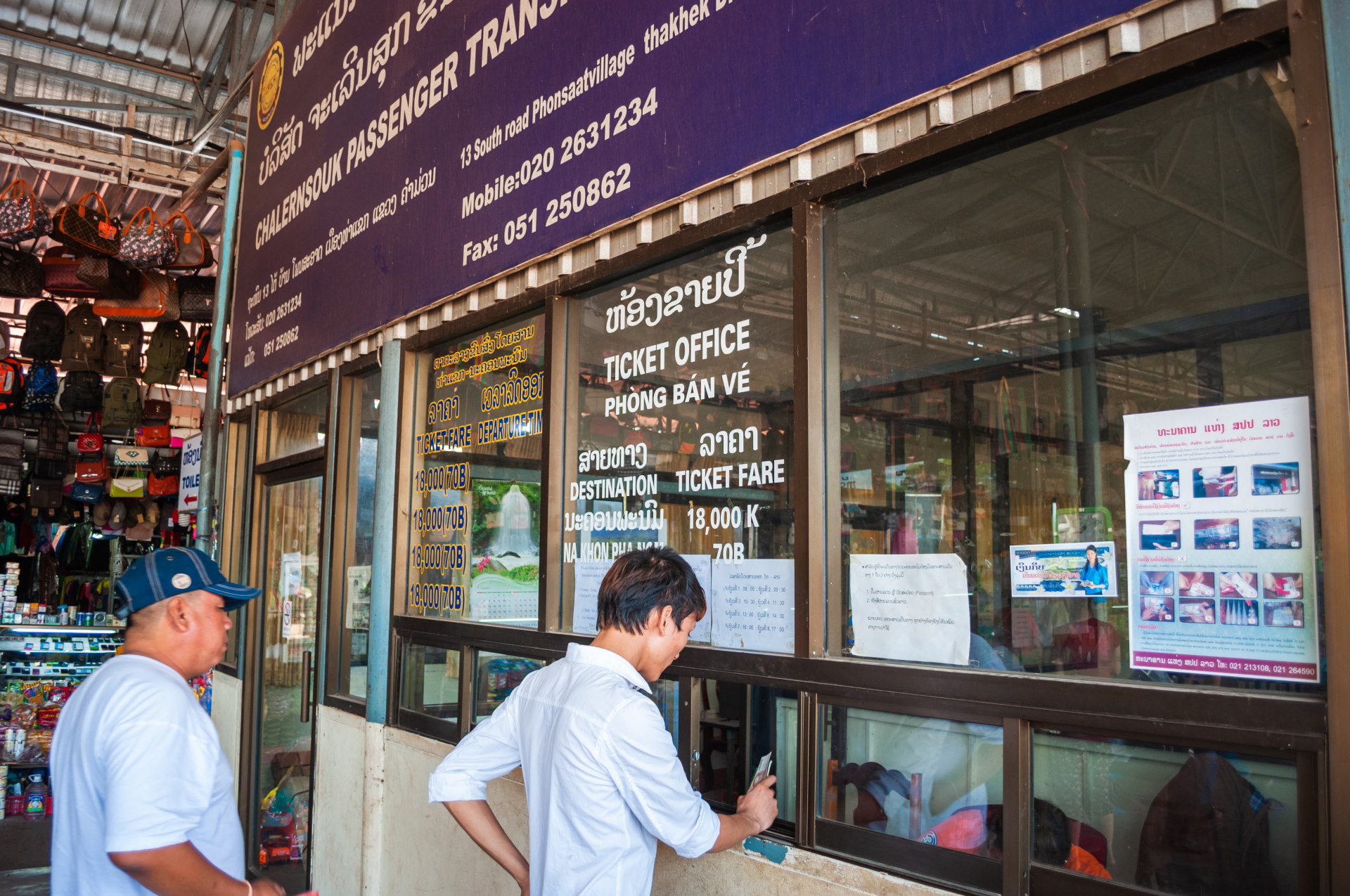
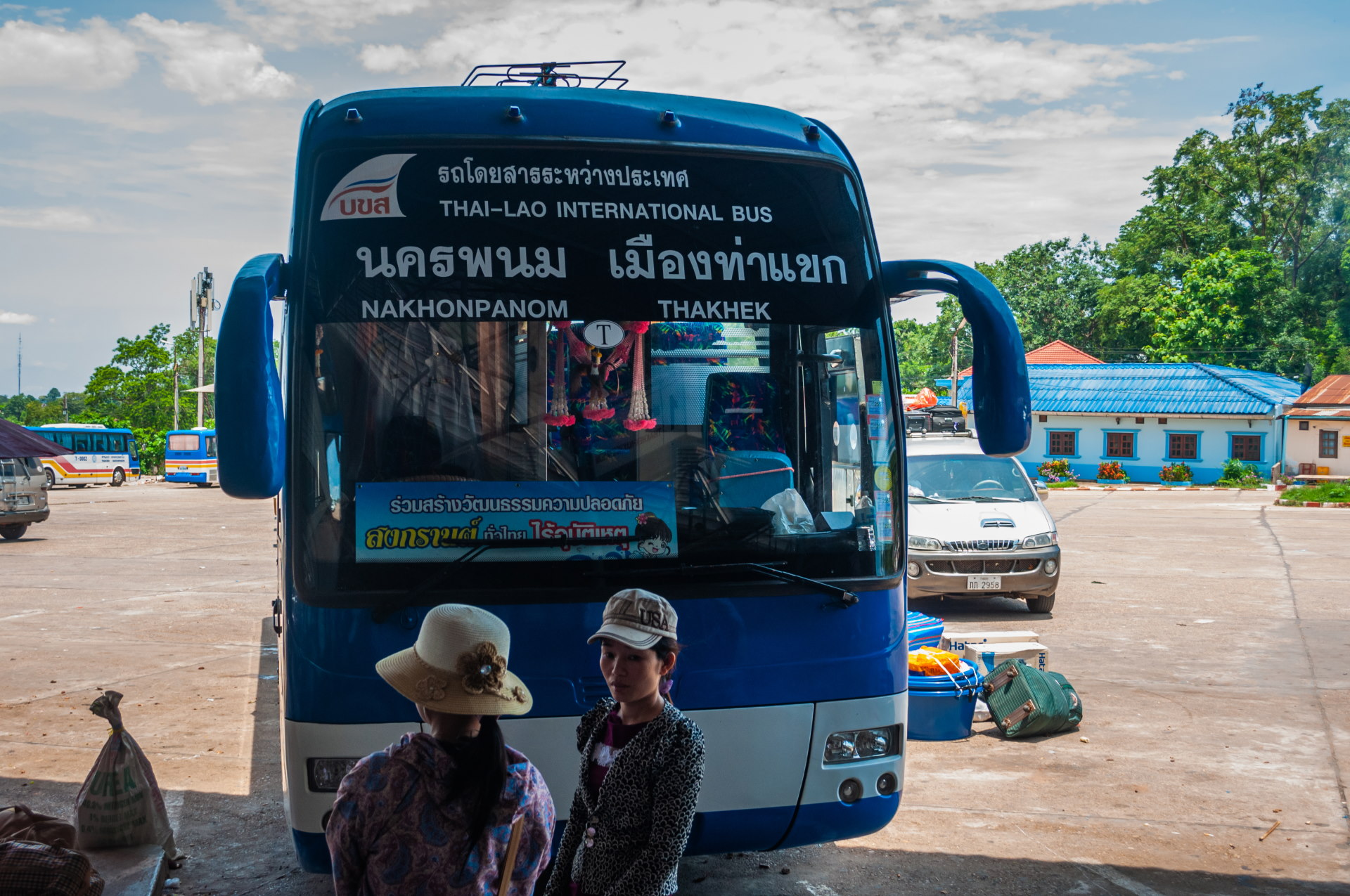
If, like us, you are arriving from Laos, the crossing to Thakhek is via the Third Friendship Bridge, located about fifteen kilometers north of Nakhon Phanom. An international bus connects the Nakhon Phanom bus station to the Thakhek bus station and passes through the border crossings of both countries. It is not possible to cross the bridge on foot.
Bus schedules and entry requirements for Laos should be checked before departure, especially depending on your nationality. This connection is certainly an interesting option for combining Nakhon Phanom with Thakhek, which lies opposite it on the other side of the Mekong River.
Where to sleep in Nakhon Phanom:
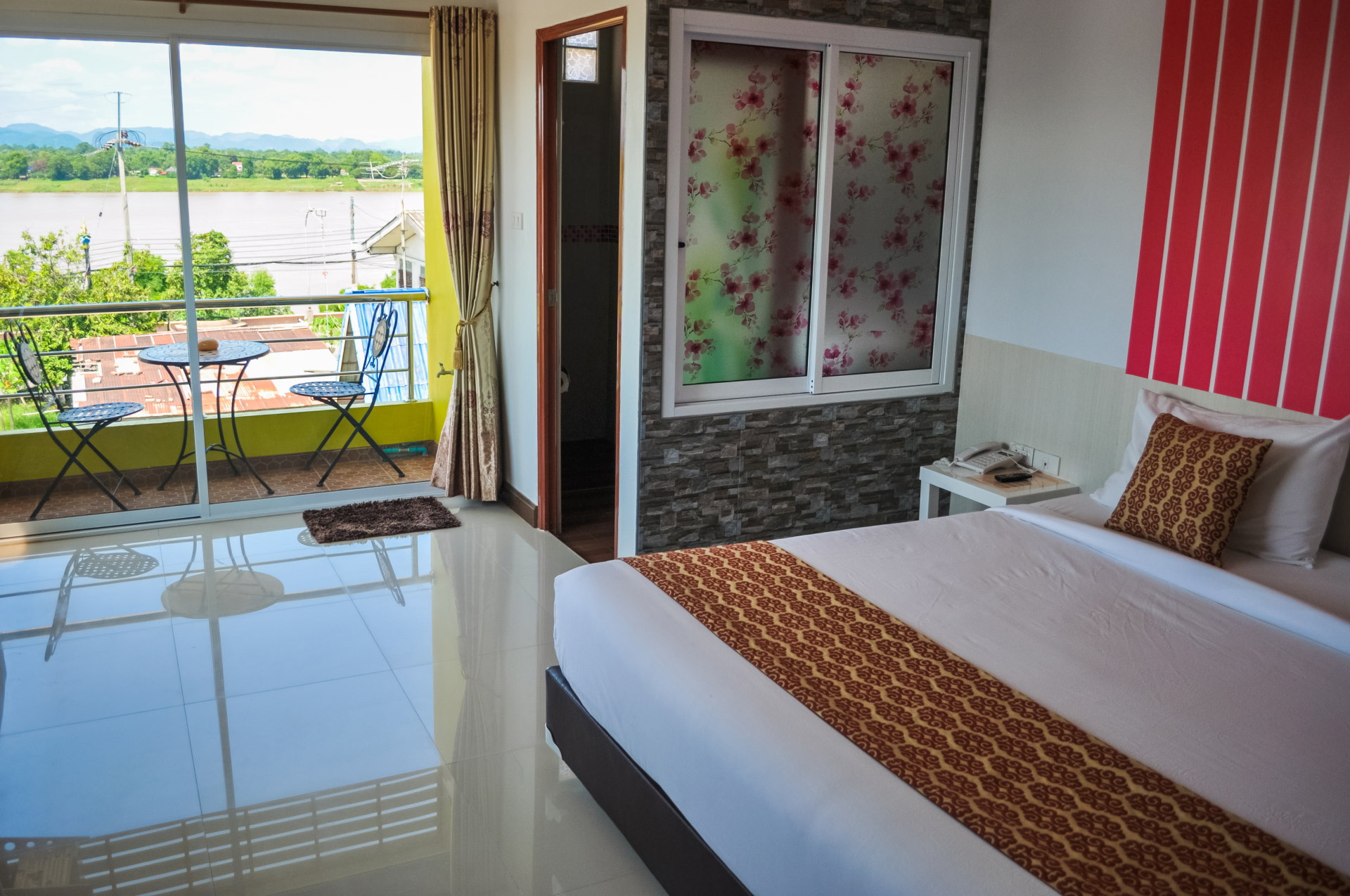
We stayed at the northern end of the city, in a hotel facing the Mekong River, the Khongpumork Hometel . Despite its appearance, it was a rather family-run hotel. We appreciated the large, clean rooms with their views of the river and Laos across the water.
The only slight drawback was the lack of restaurants and local life nearby, so it was fortunate they lent bicycles. However, if you have your own transport, it won't be a problem. Incidentally, another hotel I've noticed, with the same issue of isolation but this time located on the southern outskirts of town, is the Siri Regent , which seems like an interesting modern option if having a swimming pool is important to you.
If you wish to compare other accommodations, you can check availability in Nakhon Phanom via this hotel search.
Do you plan to stop there if you are passing through the region? Do you know about this “little piece of Vietnam”?
