

Chiang Mai

In a nutshell
Why visit Chiang Mai?
Chiang Mai is a good first stop for exploring northern Thailand, without having to choose between city visits and outings in nature.
Inside the moat, temples alternate with narrow streets, cafes, and guesthouses. Further east, the Warorot market and the districts around the Ping River reveal a bustling commercial city, quite different from the typical temple postcard image.
Doi Suthep is located just to the west. Other mountains, waterfalls, and villages require further travel: allow extra time if you wish to explore the province.
Open the map in full size

Keeping time beyond the temples
My opinion
For a first visit, I would recommend a hotel in the old town or just south, towards Wua Lai. This way you can easily visit several temples on foot, go out to eat, and organize excursions separately.
The trap would be to fill every day with temple visits or to make countless trips to the mountains. Choose a few visits, save an evening for a market, and leave time for strolls through the neighborhoods. To get out of the moat, here's my walking route to the Ping River.
Understand
A former capital of the kingdom of Lanna
Founded in 1296 by King Mangrai, Chiang Mai became the capital of the Lanna kingdom. Its name means "new city": before it, power had been established in Wiang Kum Kam, south of the present city.
The moats, the remains of the ramparts, and the grand temples still allow us to read this history. Wat Chiang Man recalls the founding of the city, while Wat Phra Singh and Wat Chedi Luang testify to its religious importance.
To go back a little further, the ruins of Wiang Kum Kam offer another visit, to be planned outside of the walking tour in the old town.

The remains of Wiang Kum Kam, south of Chiang Mai.
To have
Where to start in Chiang Mai?
Six ideas to plan your stay, with my detailed guides to prepare for visits.

In the heart of the old town
Wat phra singh
A large religious complex where you can take the time to look at the buildings, the decorations and the Lai Kham viharn.
The great chedi
Wat chedi luang
Its imposing, partially ruined chedi gives the temple its distinctive presence. The nearby Wat Phan Tao allows you to extend your visit without having to cross into the city.

On the mountain
Doi Suthep and Wat Pha Lat
The Doi Suthep temple overlooks the city. On the way up, Wat Pha Lat offers a rest stop in a wooded setting: set aside at least half a day for this area.

In the woods
Wat Umong
Tunnels, a chedi and shaded paths: a temple whose atmosphere is different from that of the great sanctuaries in the center.

Markets and neighborhoods
Warorot and the banks of the Ping
Leave the moat for the shops of Warorot Market, then cross the river to Wat Ket. A walk to discover something other than the most famous temples.

Crafts and market
Wua Lai and the Silver Temple
The area south of the old city is associated with silver work. Discover Wat Sri Suphan and, on Saturday evenings, the Wua Lai market.
On weekends: the Saturday market is held in Wua Lai; the Sunday market takes place in the old town, along Ratchadamnoen. A good excuse to keep an evening free.
Organization
Chiang Mai in three days
A program to discover the city without rushing. Add nights to explore the province.
A few temples, then the narrow streets
Combine Wat Phra Singh with Wat Chedi Luang and Wat Phan Tao. If you still have room for more sightseeing, visit Wat Chiang Man. Leave time between temple visits and an evening for the market if your trip falls on a weekend.
Climb the mountain
Spend the morning at Doi Suthep and Wat Pha Lat. The afternoon can be free for a coffee in Nimman or a visit to Wat Umong. If you're continuing on to the villages, save the rest of the day for exploring the mountains.
Warorot, the Ping and Wua Lai
Walk to Warorot, cross over to Wat Ket, and then take a break by the Ping River. At the end of the day, explore Wua Lai. If you prefer a nature outing, replace this day with a day trip instead of trying to cram everything in.
With an extra day or two, consider a trip to Doi Inthanon, Mae Kampong, or Bua Thong. These excursions require a vehicle and travel time. For trekking, plan a separate itinerary.
Logistics
Getting to Chiang Mai and getting around
Join Chiang Mai
Getting around
Book the trip
Arriving by plane: check the transport options indicated by Chiang Mai airport.
Trip
Where to stay in Chiang Mai?
For a few days in the city, location remains the primary criterion. Countryside accommodations are better suited to a different pace of stay.
Old City
The easiest choice for a first stay: temples accessible on foot, restaurants and many small places to eat.
Wua Lai / Haiya
Just south of the moat, a good alternative for staying close to the center. The Saturday market brings the neighborhood to life.
Chang Moi / Night Bazaar
For markets and shops, go between the old town and the Ping. Check the exact street if you're looking for peace and quiet.
Nimman / west of the city
For cafes and restaurants, there's more direct access to the Doi Suthep area. Temples in the city center will require a longer journey.
Compare neighborhoods and hotels
Here are two tried-and-tested addresses in the old town, taken from my accommodation guide. You'll also find options near Wua Lai, Nimman, and the river.
Budget option
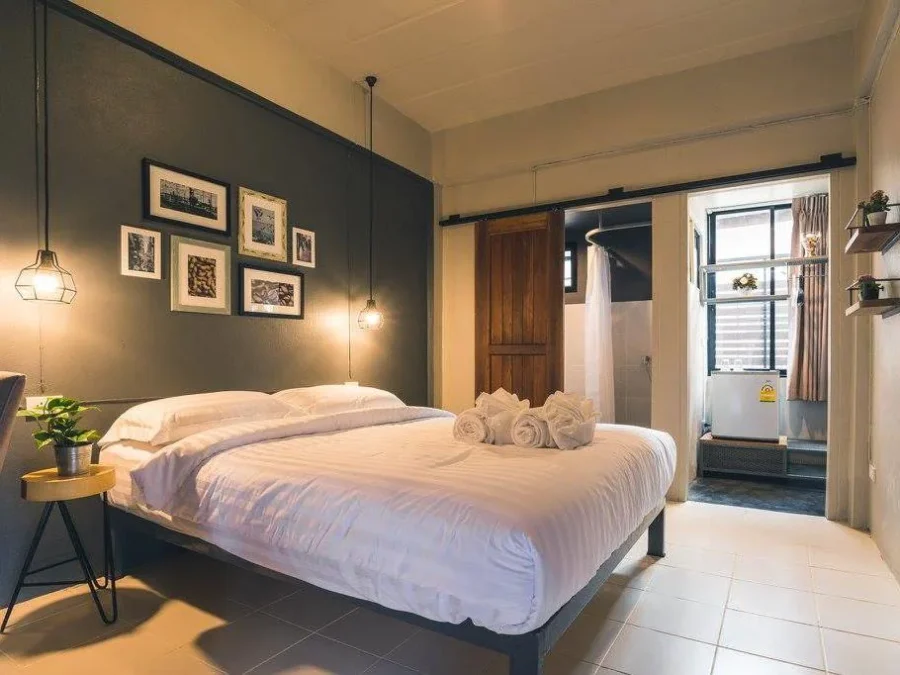
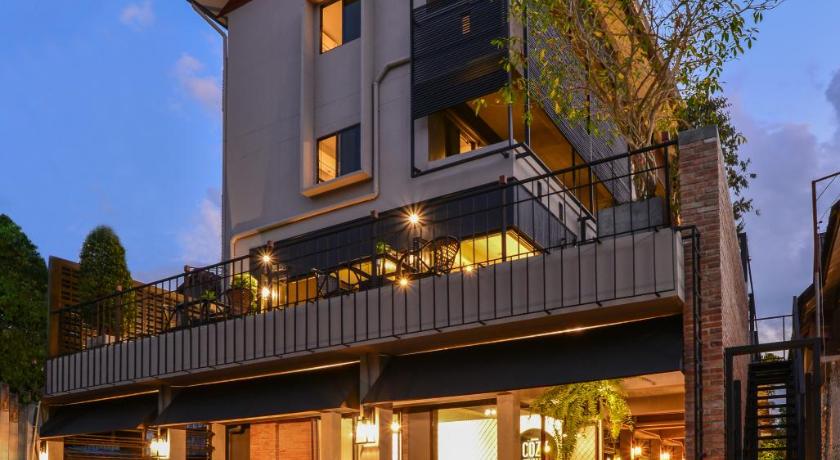
Cozy Inn Chiang Mai
A simple address in the old town to prioritize sightseeing and keep to a reasonable budget.
With a pool
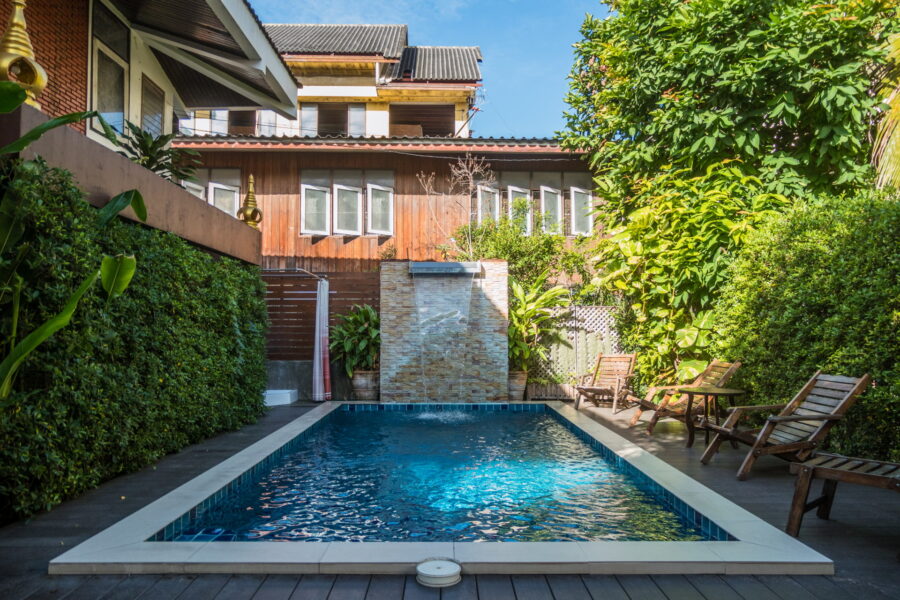
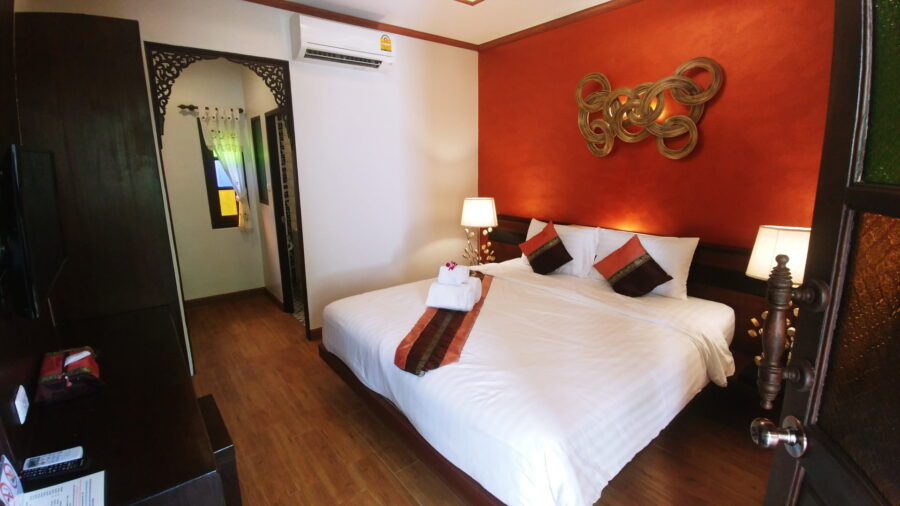
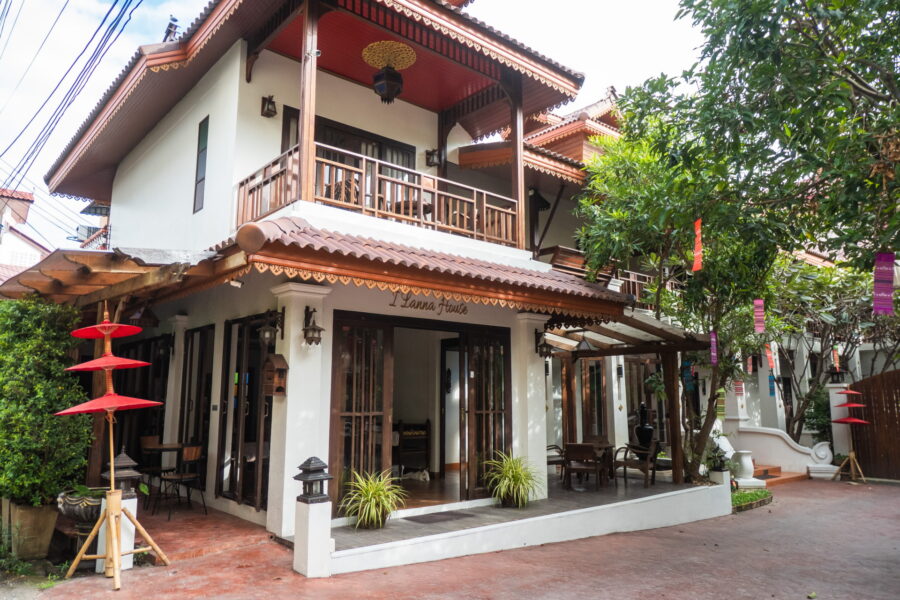
I Lanna House
Near Suan Dok Gate, a small place with a swimming pool to take a break after sightseeing.
The booking links are affiliate links: I may receive a commission if you book through them. This is a way to support the blog.
Throughout the year
Festivals and the best time to visit
February Flower Festival
Floral decorations and a parade around Nong Buak Haad Park. Check the dates for the upcoming edition.
April 13–15 Songkran
The Thai New Year is particularly lively around the moat. My main article gathers tips and places to celebrate it.
November Loy Krathong and Yi Peng
The celebrations follow the lunar calendar. Check my article, updated annually, for dates and locations; lantern releases are not permitted everywhere.
When to go? November to January is a good time to enjoy cooler weather. The end of the dry season can be marked by smoke, particularly in March and April; conditions vary from year to year. Check my climate guide for Thailand before planning your trip.
Go Further
My guides and excursions around Chiang Mai
Allow time to explore the surrounding area.
For a day out of town, my guides to Doi Inthanon , Mae Kampong village and Bua Thong waterfall will help you choose an outing according to your desires.
If you're planning a mountain hike, start with my tips for choosing the right trek in Chiang Mai . A multi-day itinerary should be planned separately from city sightseeing.