

Chiang Rai
In a nutshell
Why visit Chiang Rai?
Chiang Rai allows you to discover another part of the North, between artistic creations, Lanna history and mountain roads.
The city center remains compact enough to easily walk between the temples, the clock tower, and the night market. The most famous sites, however, are spread out: the White Temple is in the south, the Blue Temple is on the other side of the Kok River, and the Black House is further north.
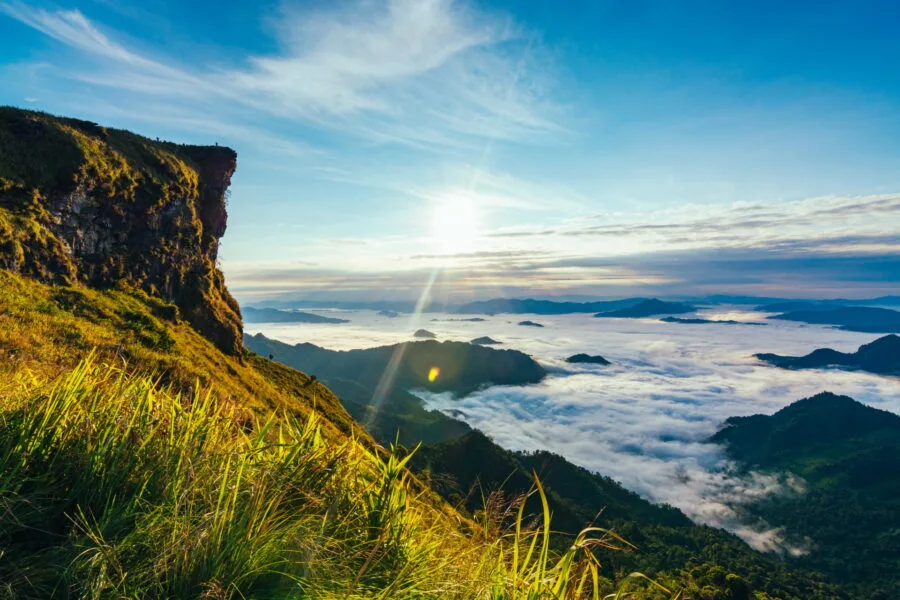
The city is also a base for exploring the province. Chiang Saen, Mae Salong and Phu Chi Fah are excursions or stops in their own right, not visits to be squeezed in between two temples.
Open the map in full size

Don't limit yourself to just one day trip from Chiang Mai.
My opinion
Chiang Rai isn't a particularly charming city overall, but it makes a good base for exploring the far north. It would be a shame to only see the white and blue temples before hitting the road again.
Personally, I like to stay near the Night Bazaar: after a day of sightseeing, you can go out for dinner without needing a car. And it's by setting aside time for the mountains, villages, and tea plantations that the trip takes on a whole new dimension.
Find my program for visiting Chiang Rai in two or three days and my five-day itinerary in the province.
Understand
The origins of the kingdom of Lanna
King Mangrai founded Chiang Rai in 1262, before establishing Chiang Mai in 1296. The city was thus one of the first centers of power that shaped the Lanna kingdom.
In 1434, Chiang Rai entered the country's religious history with the discovery of the Emerald Buddha, now housed in the Grand Palace in Bangkok. Wat Phra Kaew commemorates this event and houses a replica of the statue as well as a museum.
The contemporary temples tell another story of the city. Wat Rong Khun and Baan Dam embody the very different visions of two artists from the region.
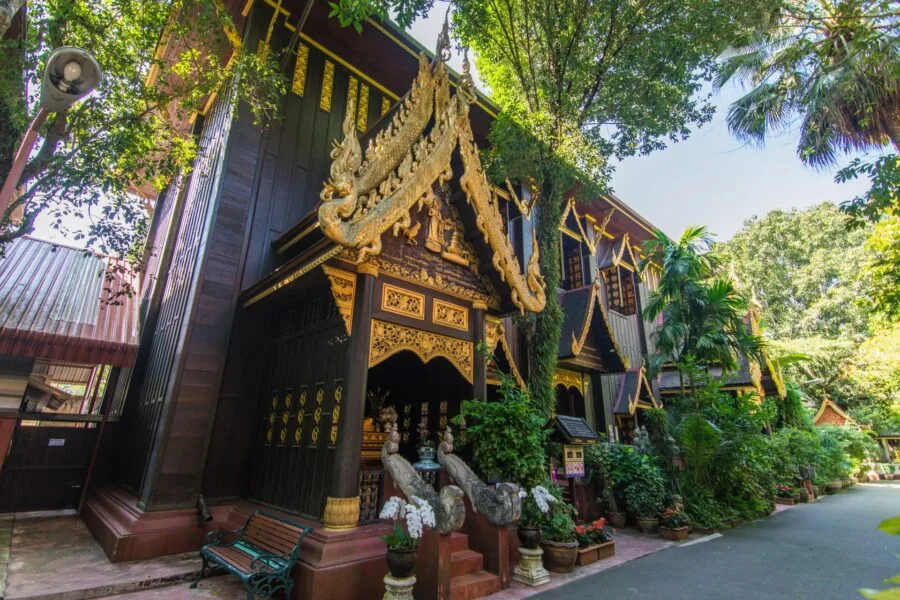
The Wat Phra Kaeo museum, in the center of Chiang Rai.
To have
Where to start in Chiang Rai?
Six ideas for exploring the city and its immediate surroundings. My detailed guide includes sightseeing tips; the White Temple also has its own dedicated article.
The classic
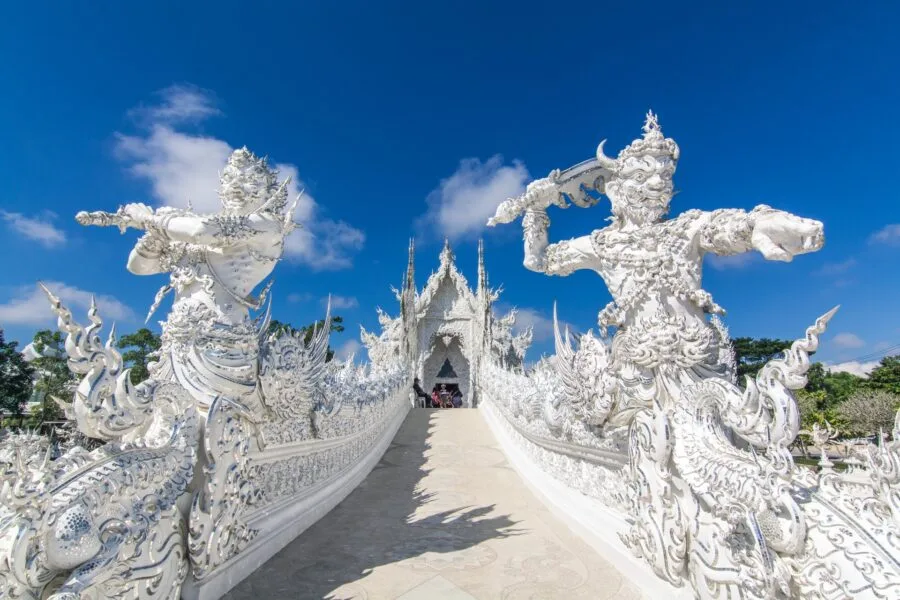
Wat Rong Khun, the white temple
Chalermchai Kositpipat's work blends Buddhist architecture with contemporary references. It is located approximately 13 km south of the city center.
On the other side
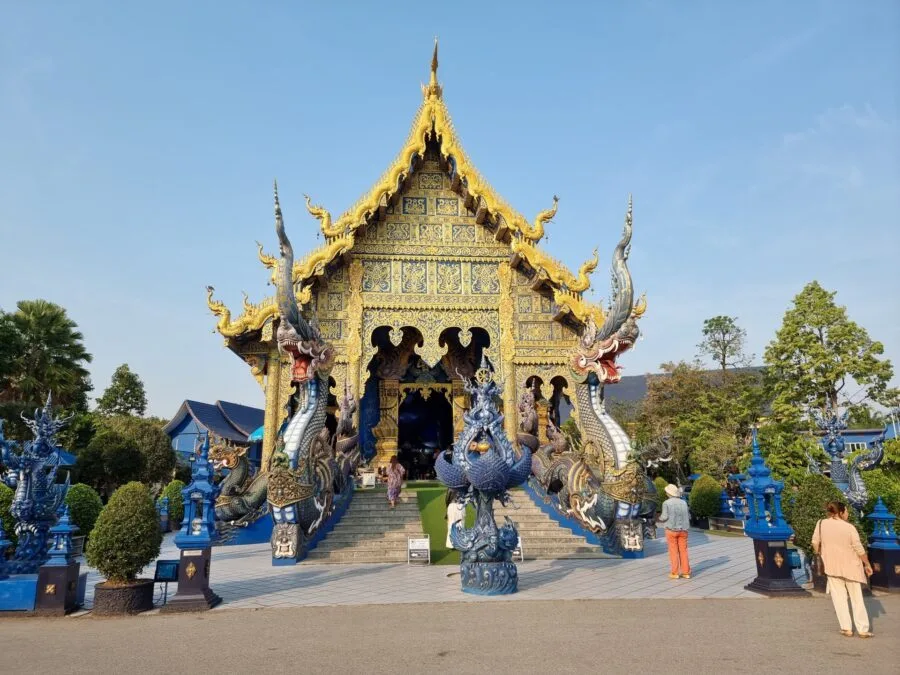
Wat Rong Suea Ten, the blue temple
Deep blue, gold decorations and a large white Buddha: a compact ensemble to discover north of the Kok River.
A historic temple
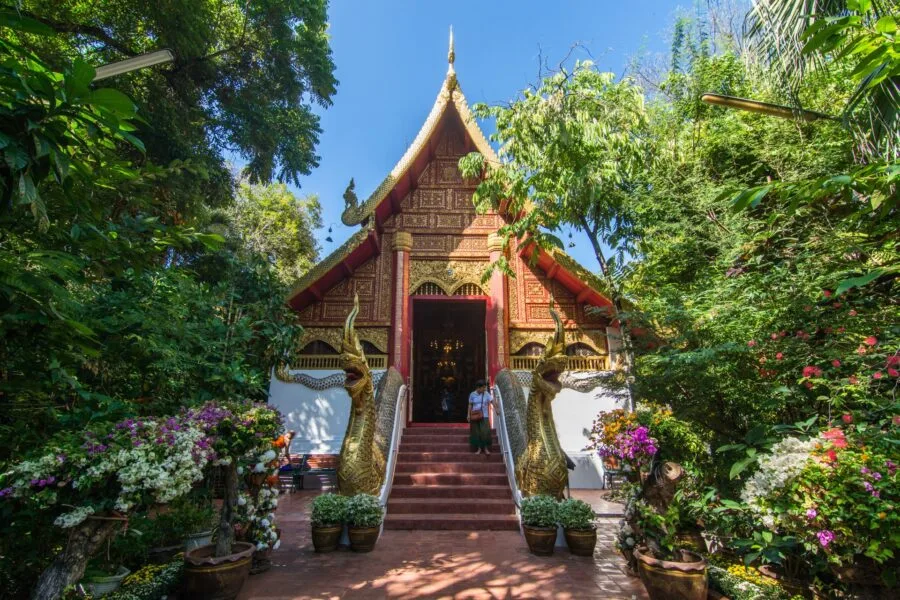
Wat Phra Kaeo
In the center, this temple commemorates the discovery of the Emerald Buddha. Its museum complements the visit and offers another perspective on local history.
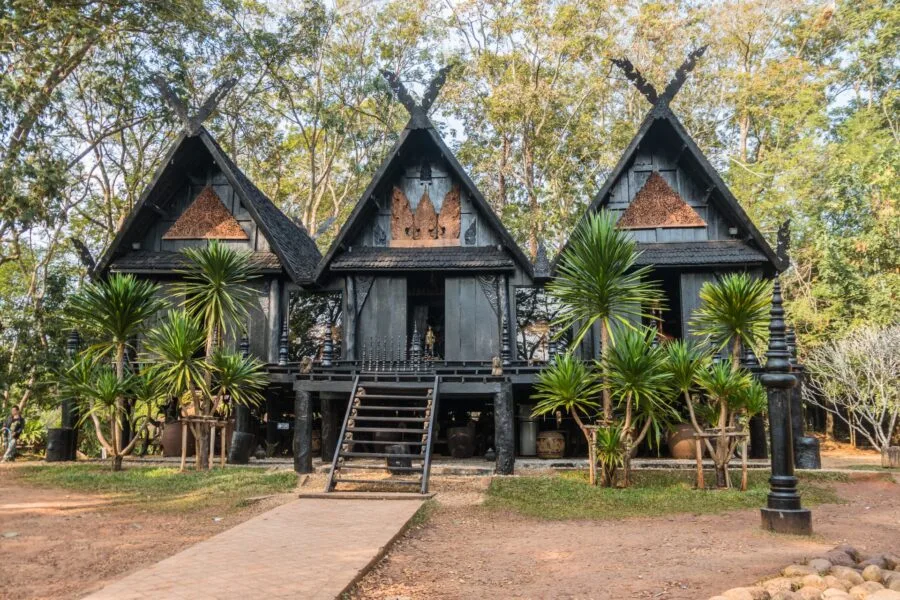
The world of Thawan Duchanee
Baan Dam, the black house
A complex of buildings and collections created by the artist Thawan Duchanee. It is a museum, with a sometimes bewildering atmosphere, and not a temple.
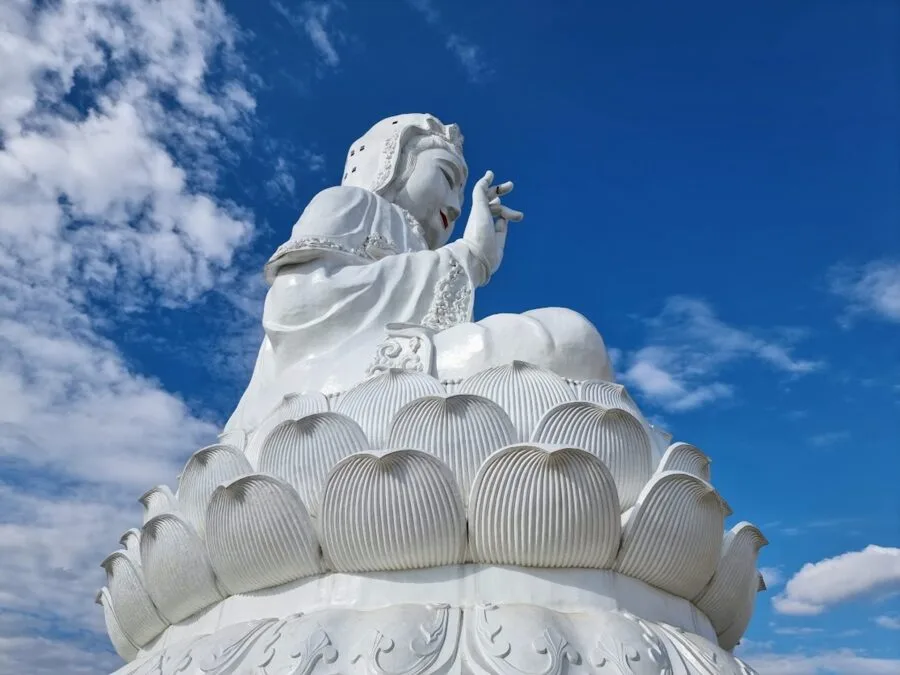
A vast religious complex
Wat Huay Pla Kang
The large white statue represents Guan Yin. The site associates this figure with a nine-tiered pagoda and a white shrine, in a mixture of Thai and Chinese influences.
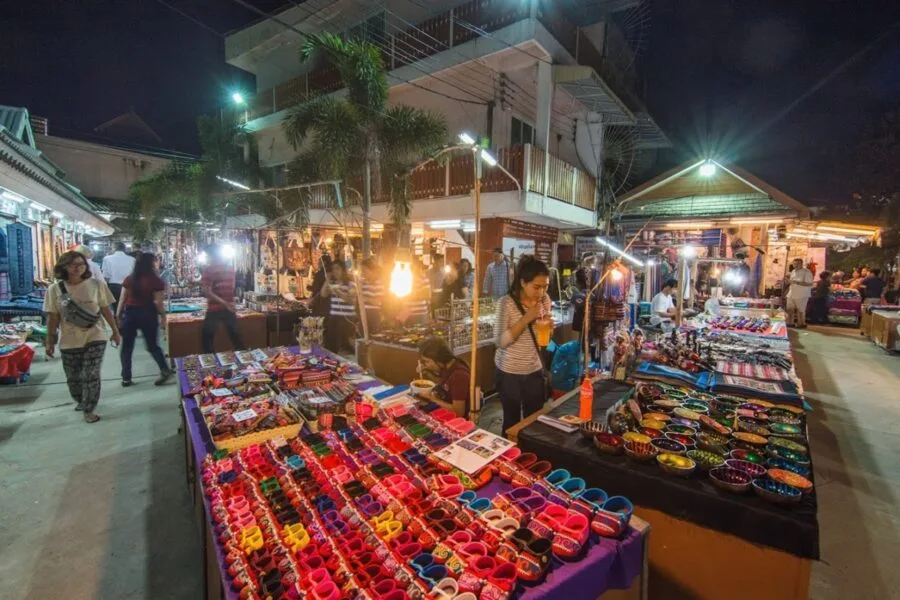
At the end of the day
The Centre and the Night Bazaar
A walk around the clock tower, then dinner at the night market: a simple way to enjoy the city after sightseeing.
For a change of pace: leave room for the city's cafes or a cooking class . Sightseeing isn't just about visiting temples.
Organization
Chiang Rai in two or three days
Two days for the city and nearby major sites; a third for an excursion. Add extra nights for a loop through the province.
With more time: spend a night in Mae Salong or near Phu Chi Fah. Sleeping near the mountains avoids long trips back and forth from Chiang Rai, especially for a sunrise.
Logistics
Getting to Chiang Rai and getting around
Join Chiang Rai
Getting around
Book the trip
To check connections: GreenBus lines and Chiang Rai airport transport.
Trip
Where to stay in Chiang Rai?
For a first stay, choose first between the convenience of the centre and the setting of the riverbanks.
Night Bazaar / Clock Tower
The most convenient area for walking out to dinner and staying close to the lively city center. It's my usual choice for a stopover in town.
Around the center
A quieter side street might offer more peace and quiet. Check the walking distance to the restaurants.
On the banks of the Kok
To prioritize the setting and a hotel where you can relax, plan your travel to the city center and tourist sites.
A night in the mountains
Mae Salong or Phu Chi Fah are suitable for an additional stop in the province. They are not districts of Chiang Rai.
Here are two addresses from my selection, with photos. My Chiang Rai guide also suggests other hotels in the city and along the river.


Small guesthouse
Baan Norn Plearn
An address about fifteen minutes' walk from the Night Bazaar, with Laan-Tim's cafe next door for a break or breakfast.
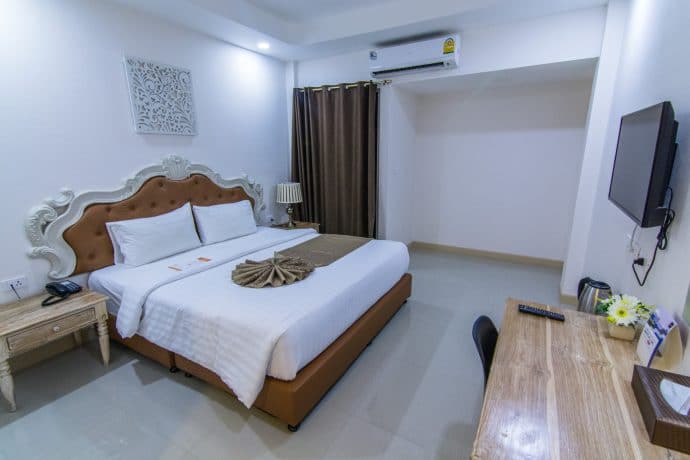

Well positioned
Hi Chiangrai Hotel
A hotel with a more modern design, well located for reaching the night market and going out to eat in the centre.
The booking links are affiliate links: I may receive a commission if you book through them. This is a way to support the blog.
Throughout the year
When to go and which festivals to discover?
November to January: The cool season
A good landmark for sightseeing and mountain roads. Pack a warm layer for evenings and departures before sunrise.
April 13–15 Songkran
Thai New Year and Water Festivals. My main article explains the traditions and where to celebrate them.
November Loy Krathong
The date follows the lunar calendar. My article is updated every year to help you plan your trip around this festival.
The end of the dry season: heat and smoke can affect visits, particularly in March and April. Conditions vary from year to year. The rainy season makes the landscapes greener, but requires more flexibility for roads and mountain excursions.
Go Further
My guides for exploring Chiang Rai province
Chiang Saen and the Golden Triangle
A day for the ruins of Chiang Saen and the landscapes of the Mekong.

For a different kind of exploration: my article on the Kok River Valley showcases the landscapes and villages west of Chiang Rai. For travel and activities on the river, check local conditions before you go.
Extending a tour in the North: combine Chiang Rai with Mae Salong , Doi Pha Tang or Chiang Mai, allowing time for transfers rather than a series of back-and-forth trips.