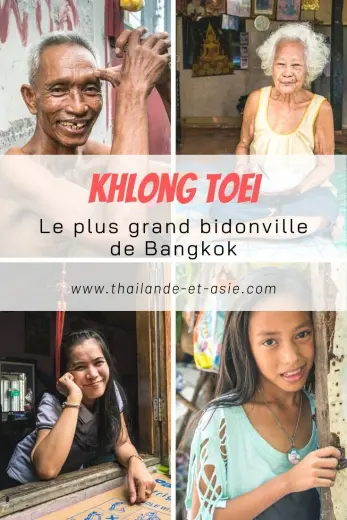
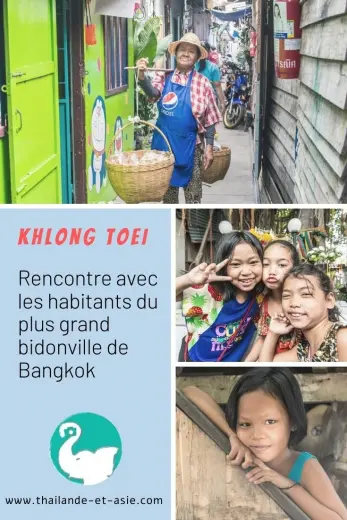
One might find this title a bit sensationalist. And in a way, it is. Because talking about a "slum" inevitably attracts attention, but it can also give the impression of a certain voyeurism—as if one were observing poverty up close, camera in hand.
But that's not at all how I went there. And if you read my articles regularly, you know that's not my approach to travel.
No, this visit came about from a completely different context: an acquaintance passing through Bangkok wanted to do a photo shoot in a lively neighborhood, with real street life, smiles, and scenes of everyday life. Khlong Toei quickly emerged as the obvious choice.


Some facts about Khlong Toei
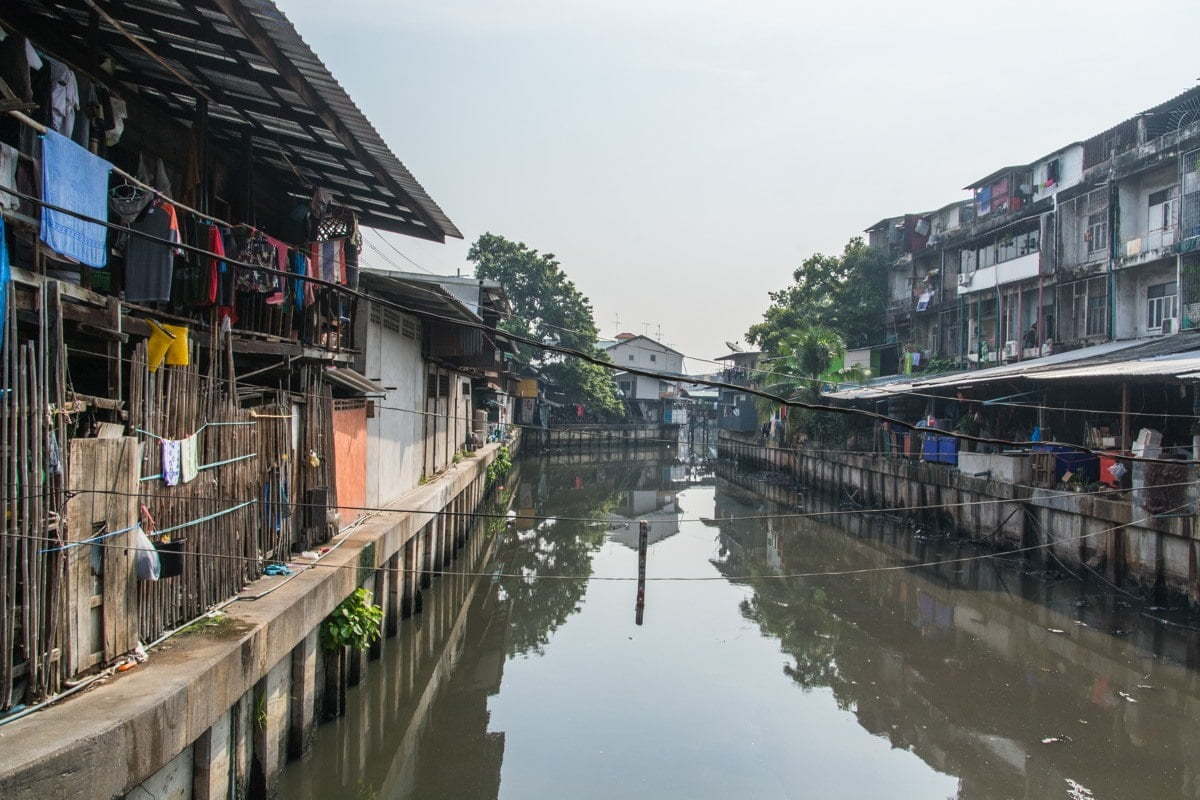
“Khlong” refers to the canal that runs alongside the slum (which is under the adjacent highway), and “Toei” (pronounced stubble) is the name given to the Padan, a plant species that grows here along the canal. Note that the spelling “Klong Toey,” which I originally used in this article, is sometimes found, but since “Khlong Toei” is more commonly used, I will stick with it for the rest of the article.
The shantytown is believed to date back at least 50 years, with the vast majority coming from Thailand's northeastern provinces (Issan) and having settled there during the construction of the port to work as construction workers.

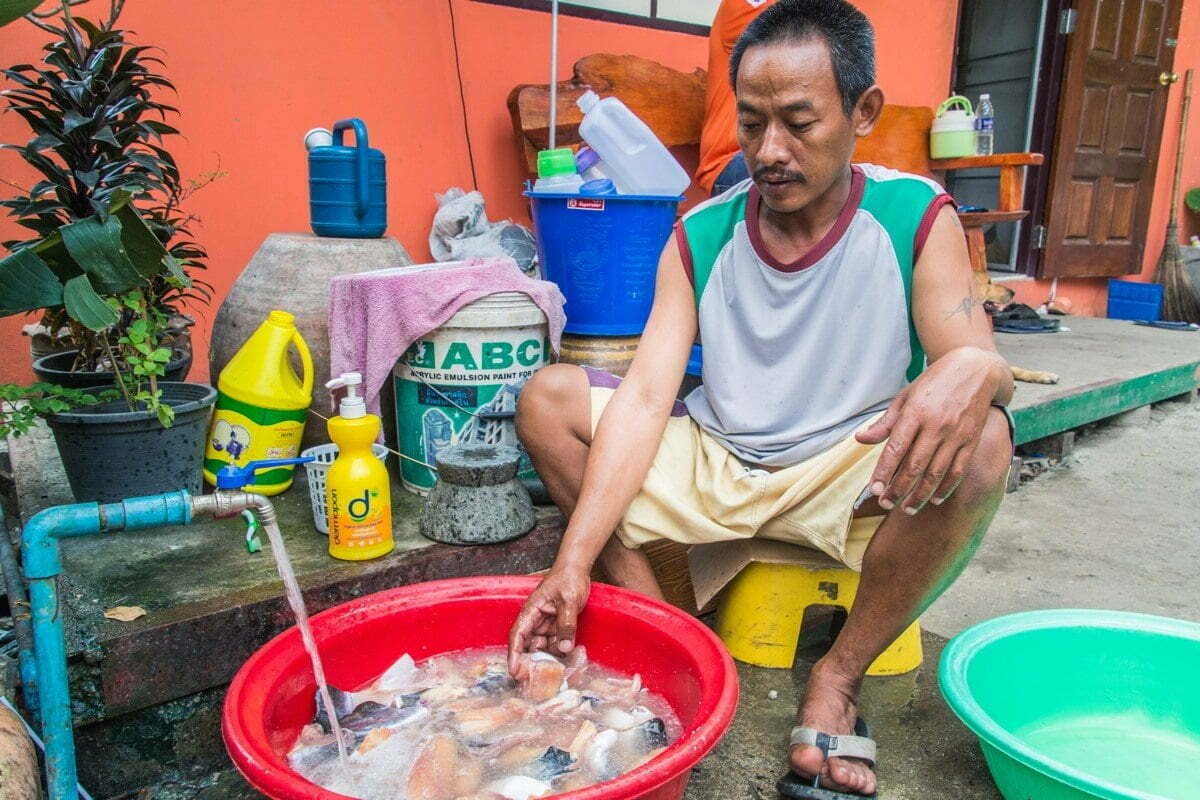

Most of them now work at the nearby Khlong Toei market, others are motorbike taxi drivers or mechanics.
Today, its population is estimated at 80. Who says shanty town, says daily difficulties like electricity and running water are not necessarily available. But the conditions are better than they were before, associations, local or not, carry out several actions daily to improve the lives of its inhabitants.
This paragraph was written using this PowerPoint presentation, summarizing the needs and facts about the slum: Klong Toey Slum
But isn't a shanty town dangerous?
It is true that we generally associate "poverty/shanty town" with a place that is not very respectable... But here in Bangkok, we are far from the favelas and other places where it is better not to go without a local or even not to go at all.
Khlong Toei is ultimately like any other place in Bangkok where you find its communities composed of the working class, living as a family. Often on the banks of the klongs, the famous canals of the city which have a combined population of 1 million (but are not all necessarily poor), these communities form a real small village, with a manager, its school, etc.
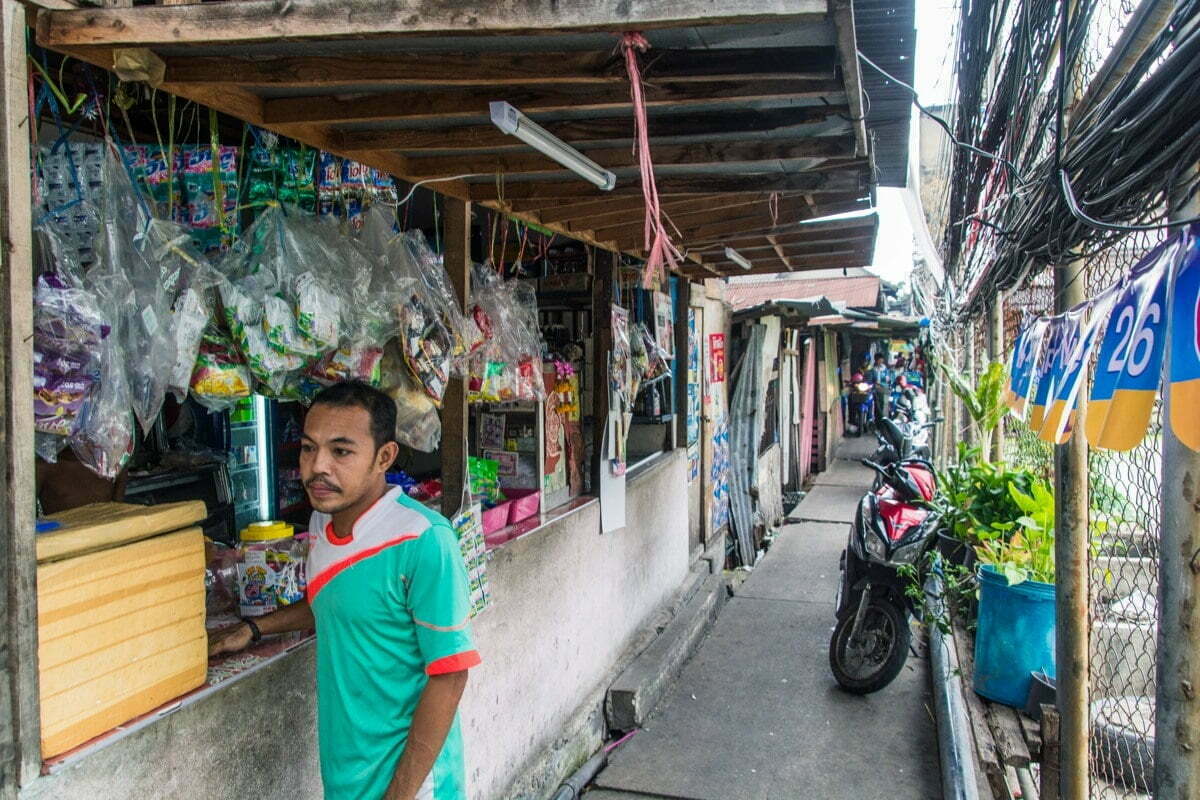
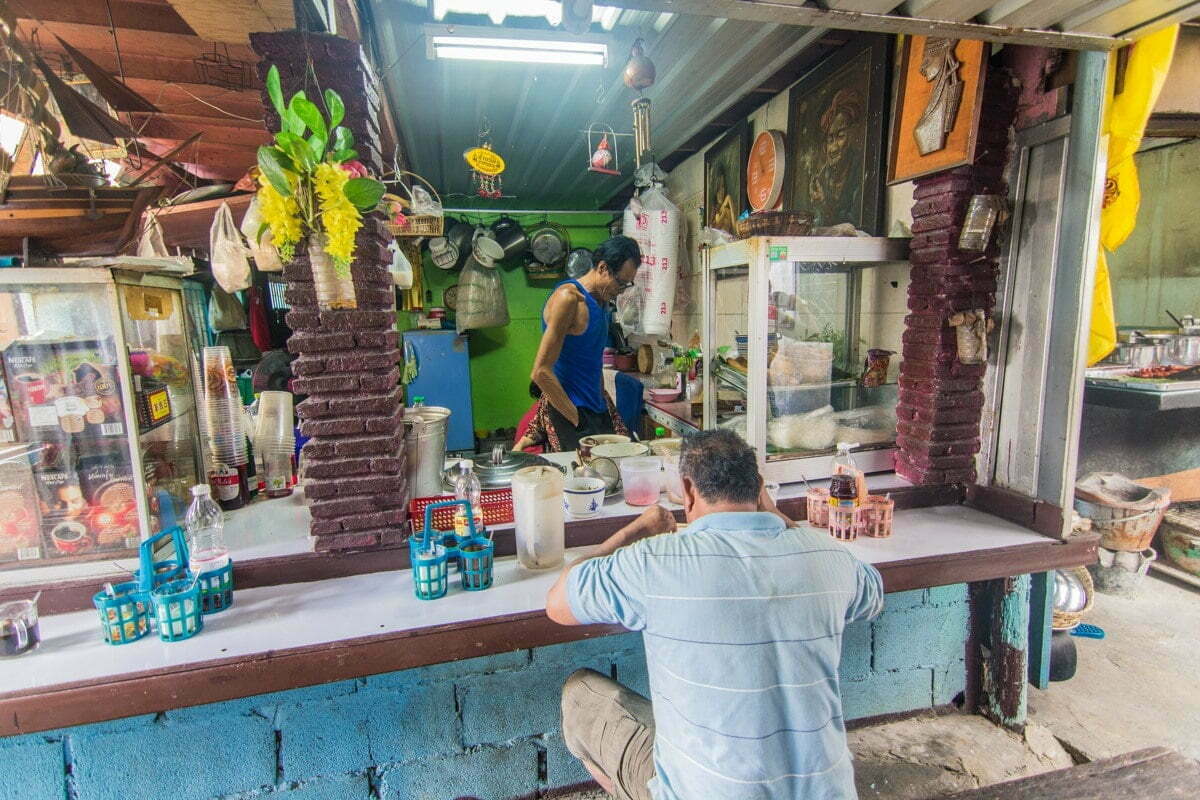
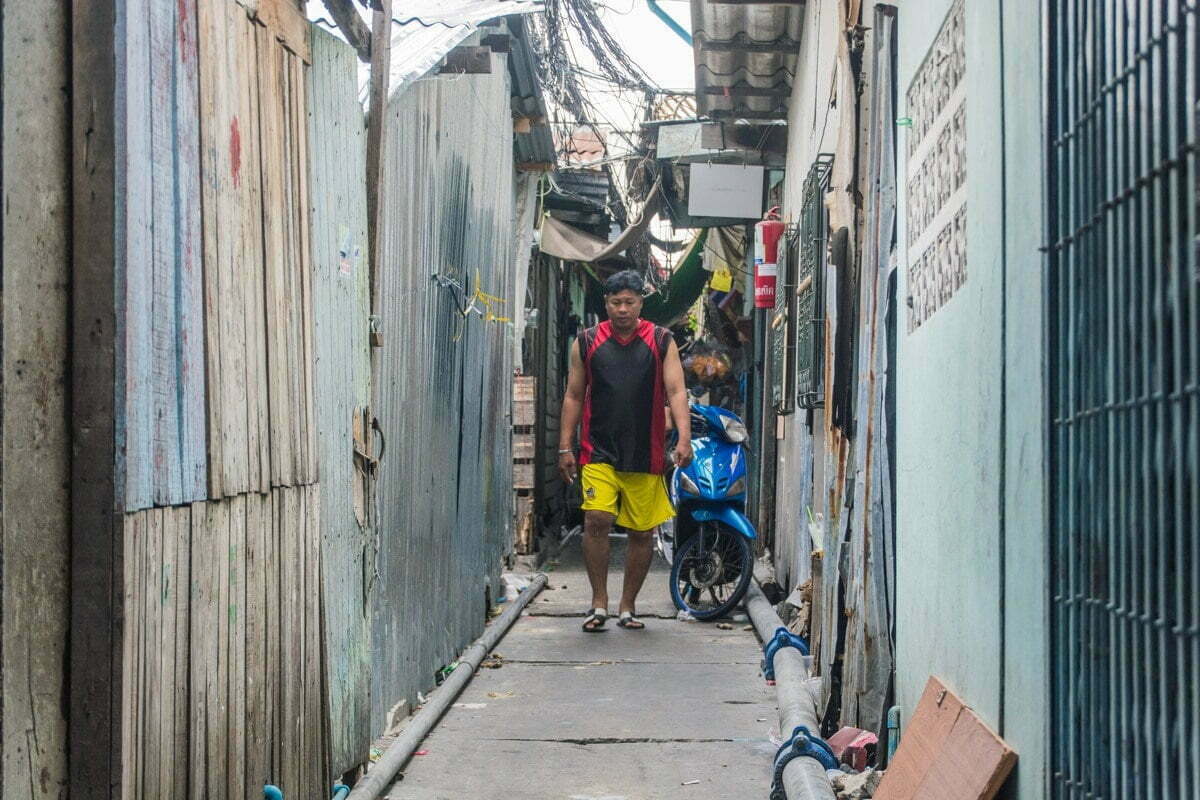
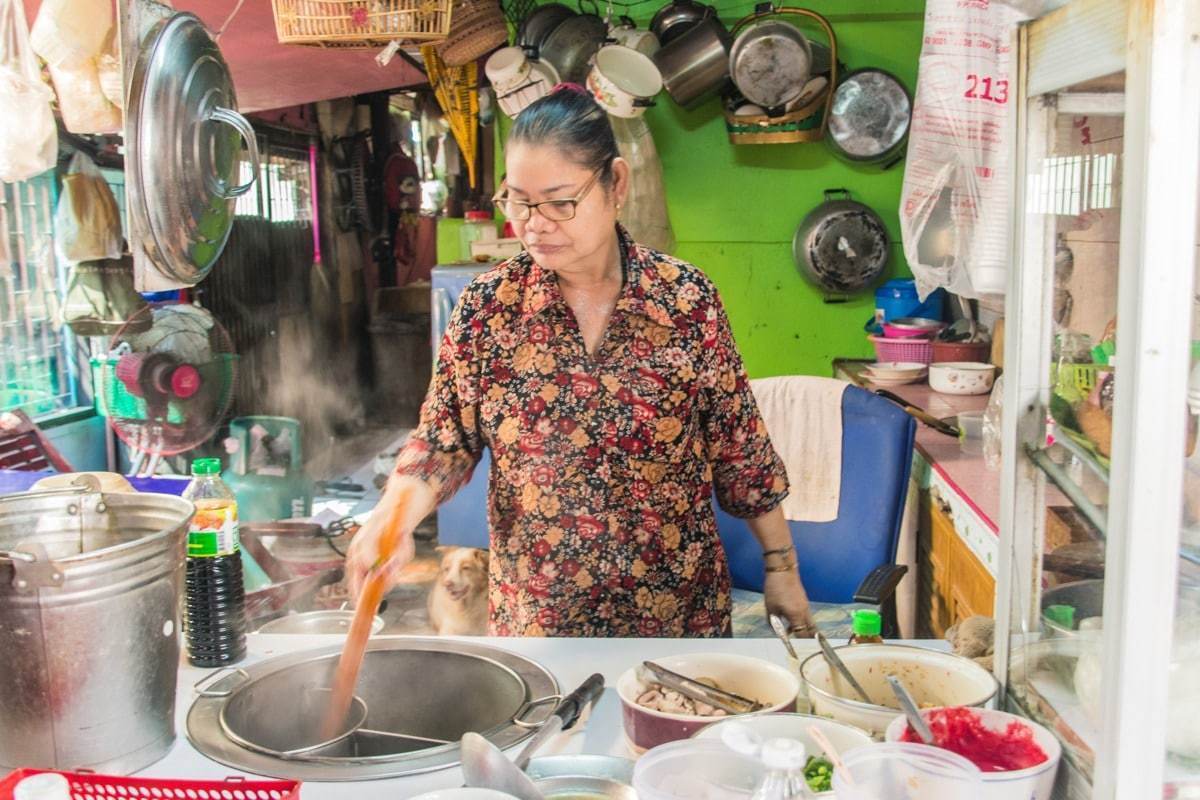
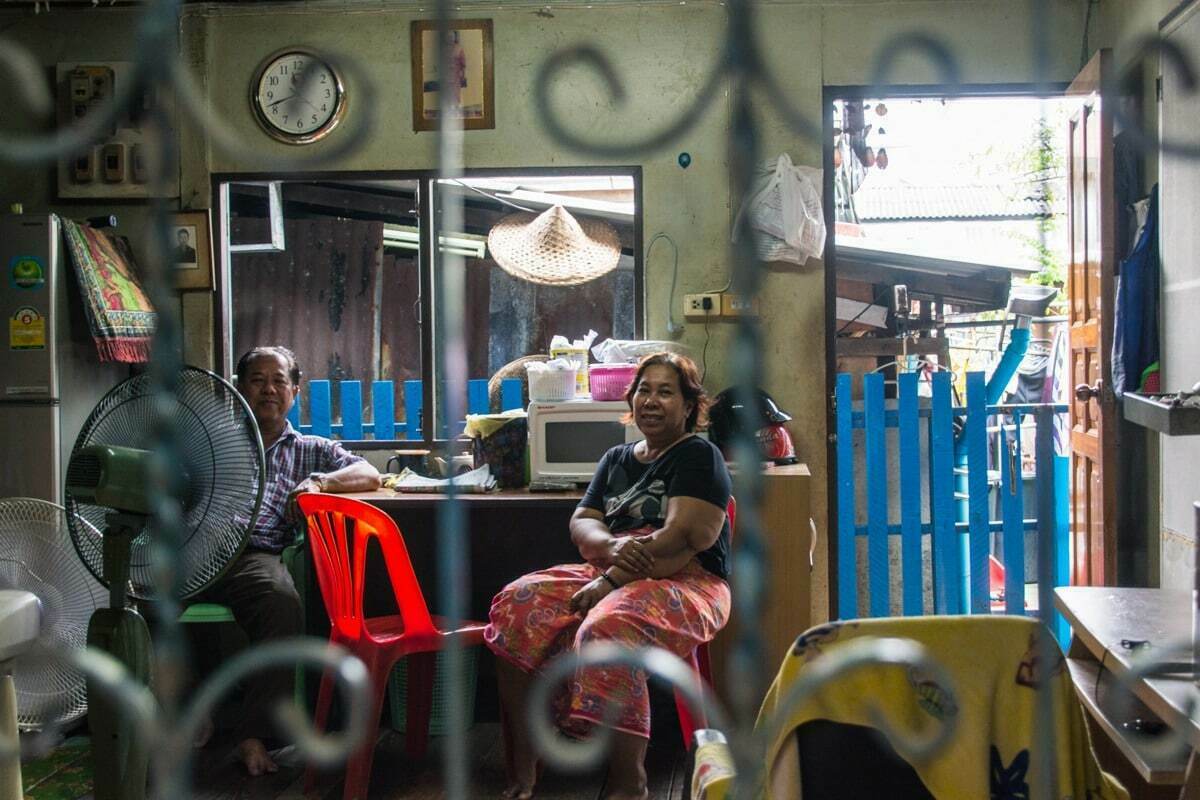
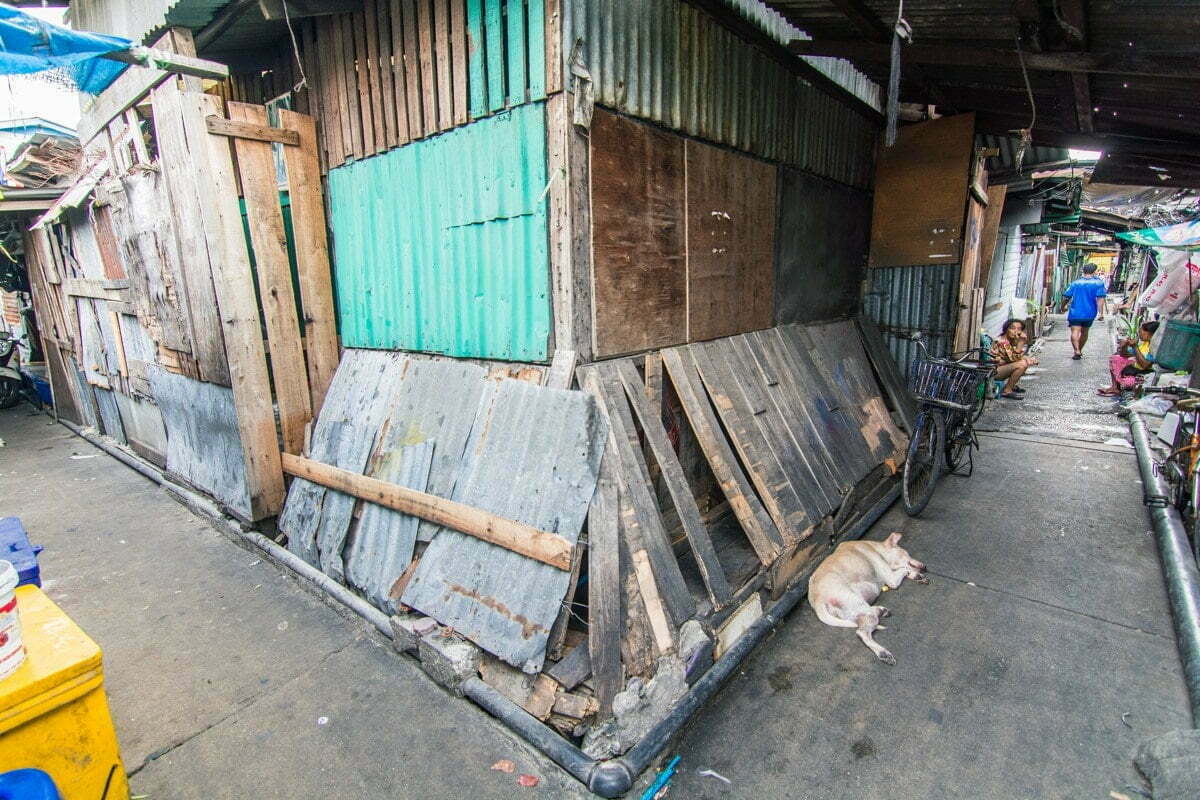
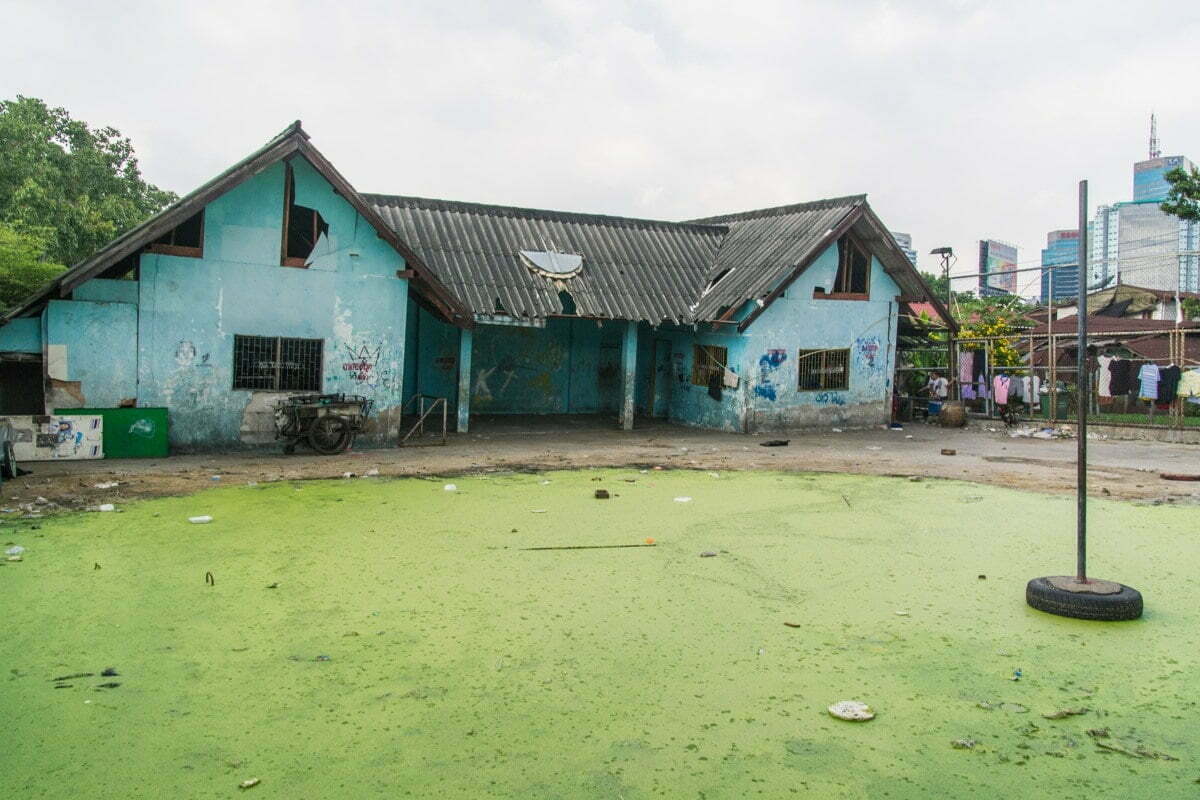
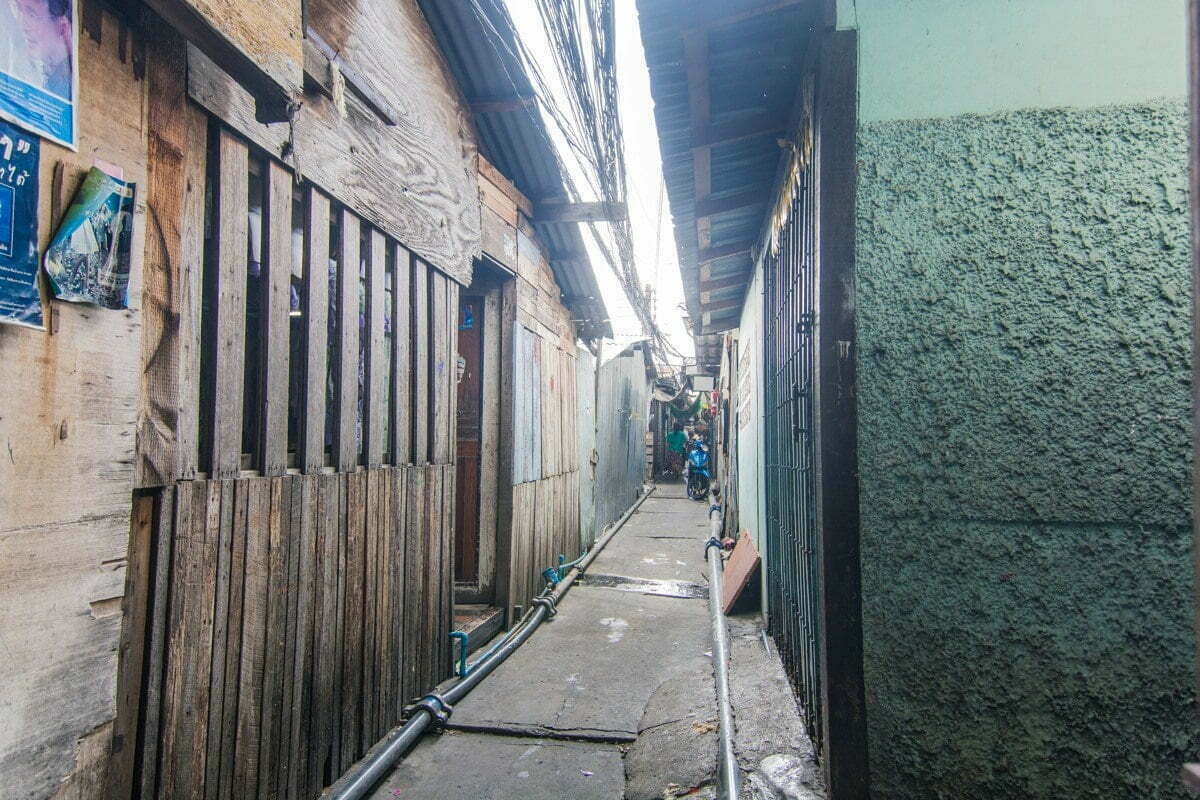
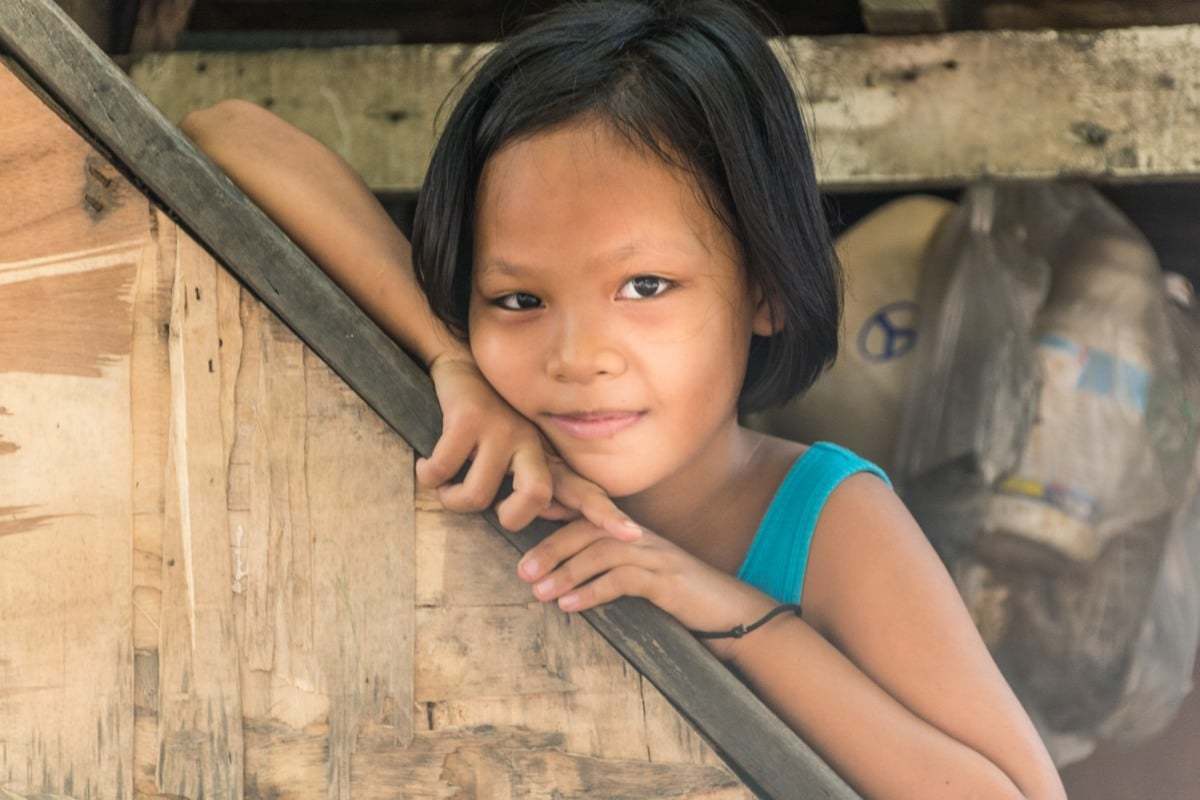
Here, it was mainly smiles that we came across, we are not in the land of smiles for nothing. There were also of course curious looks, but never embarrassed or annoying. The children were delighted for some to cross our path and it was the opportunity to play for a few minutes with his children who live outside most of the time.
Another face of Bangkok
For those looking to meet locals and want to see Bangkok differently, this is the kind of place to be. It's certainly not the only one and I'll be sure to feature other communities.
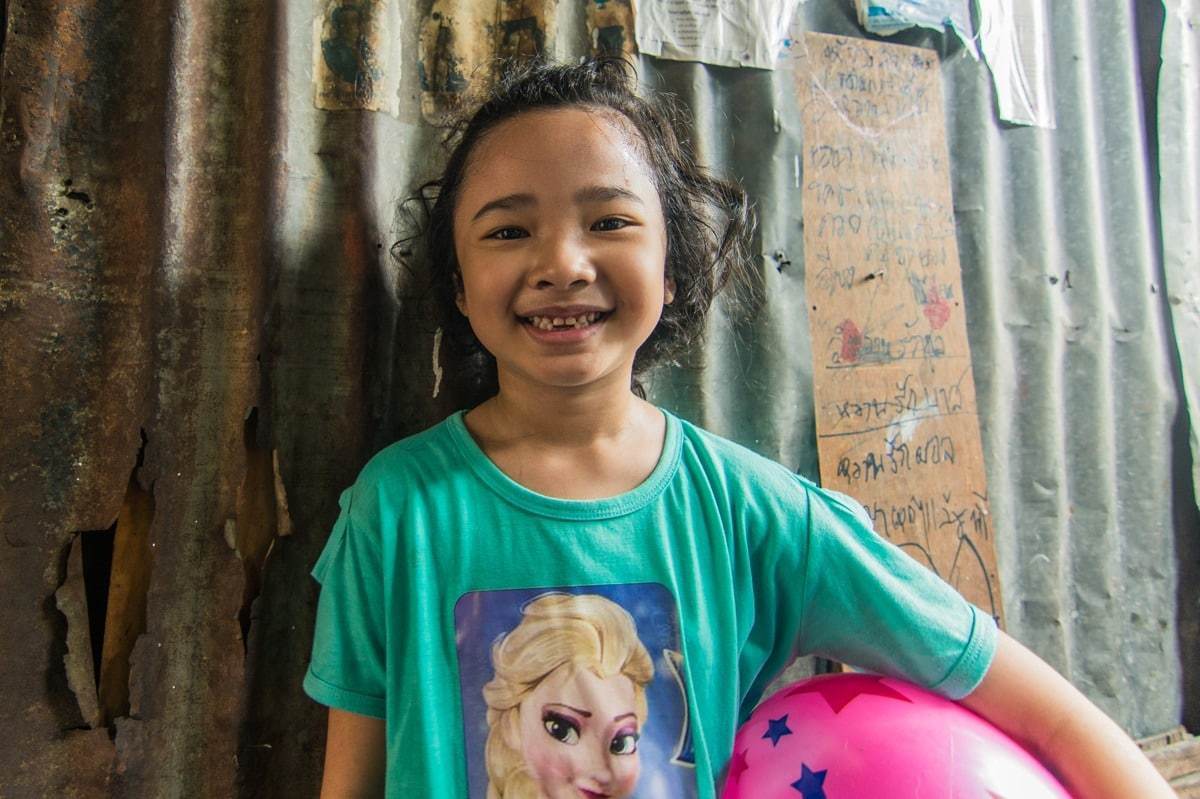
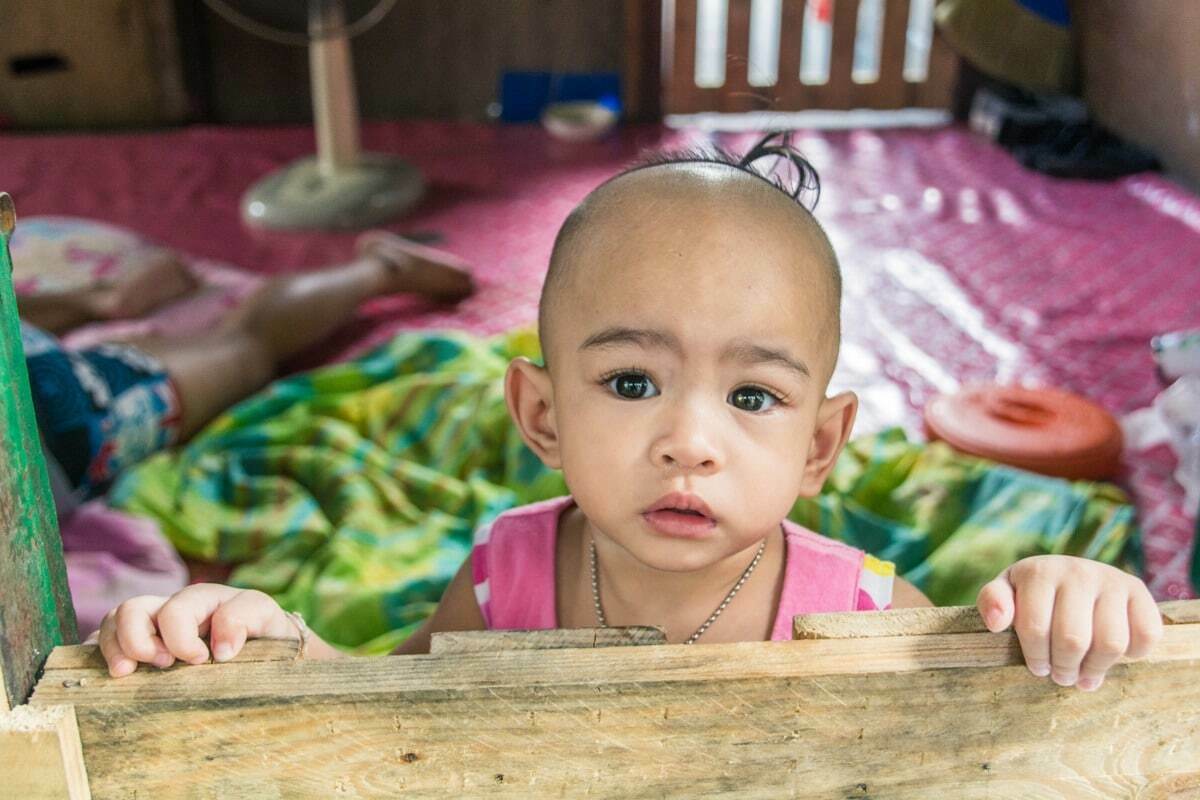
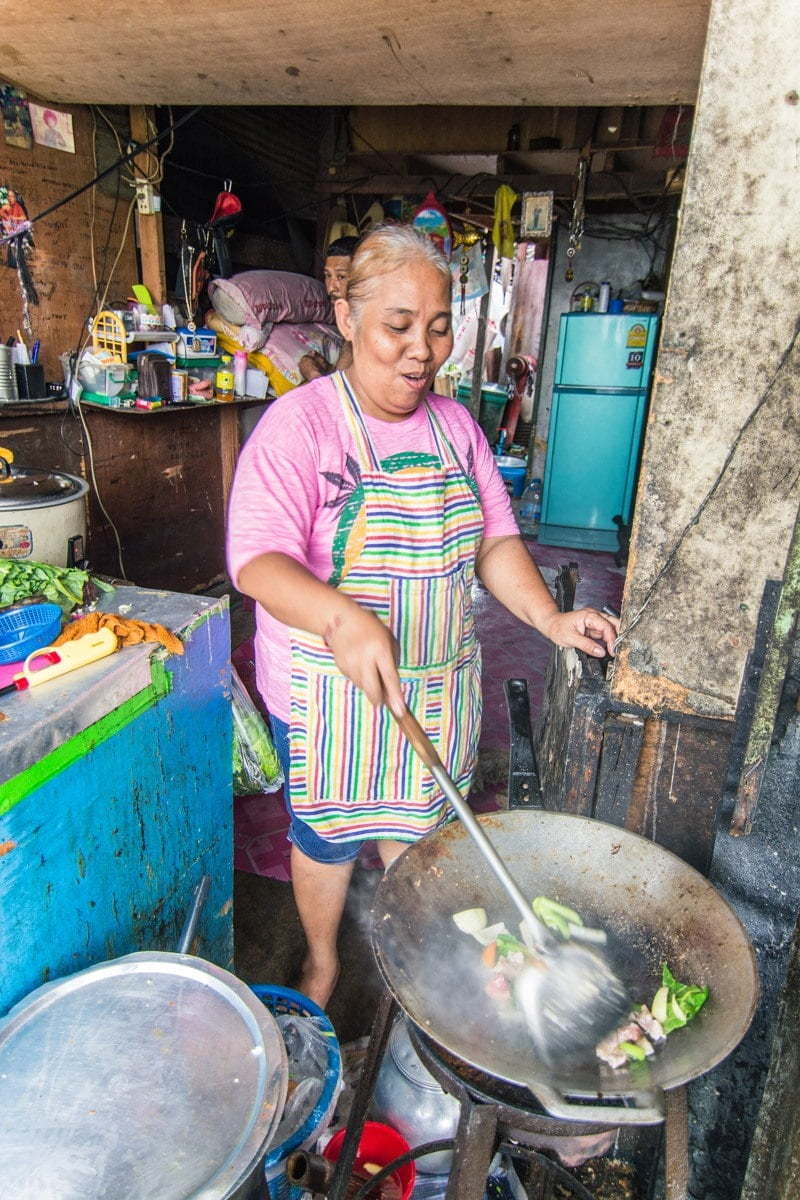
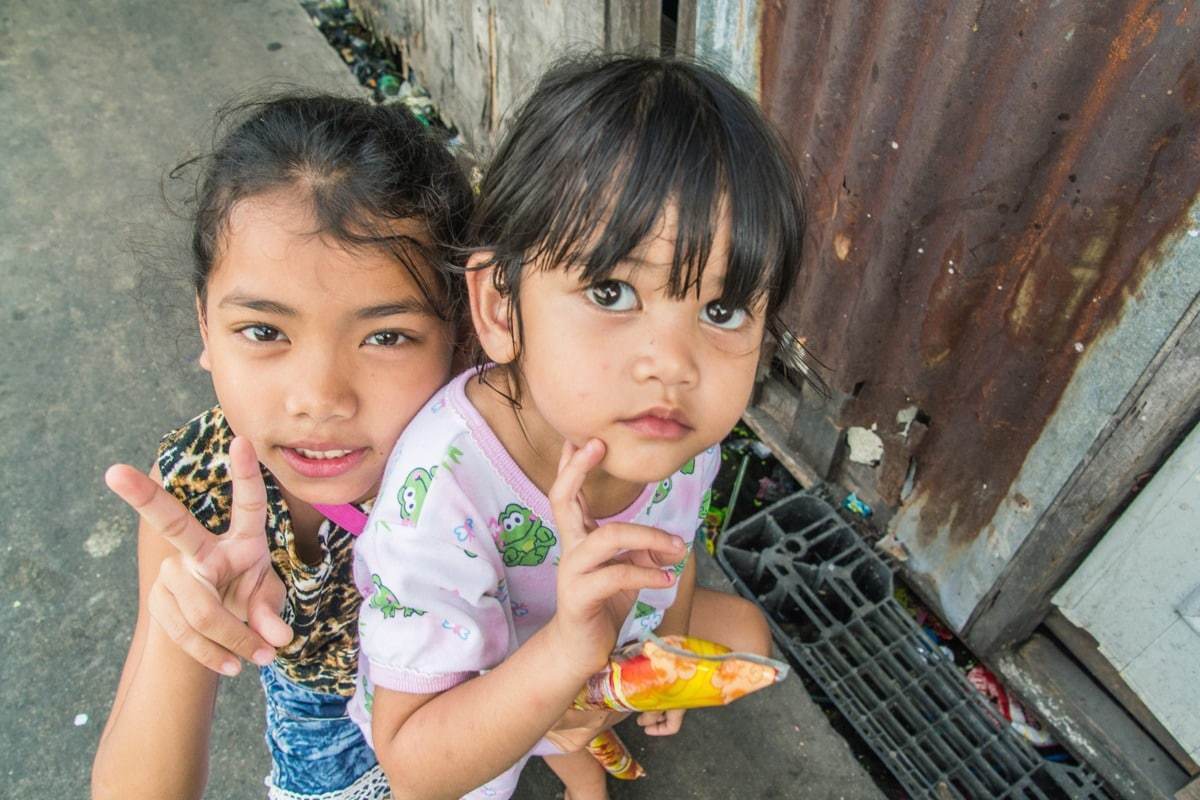
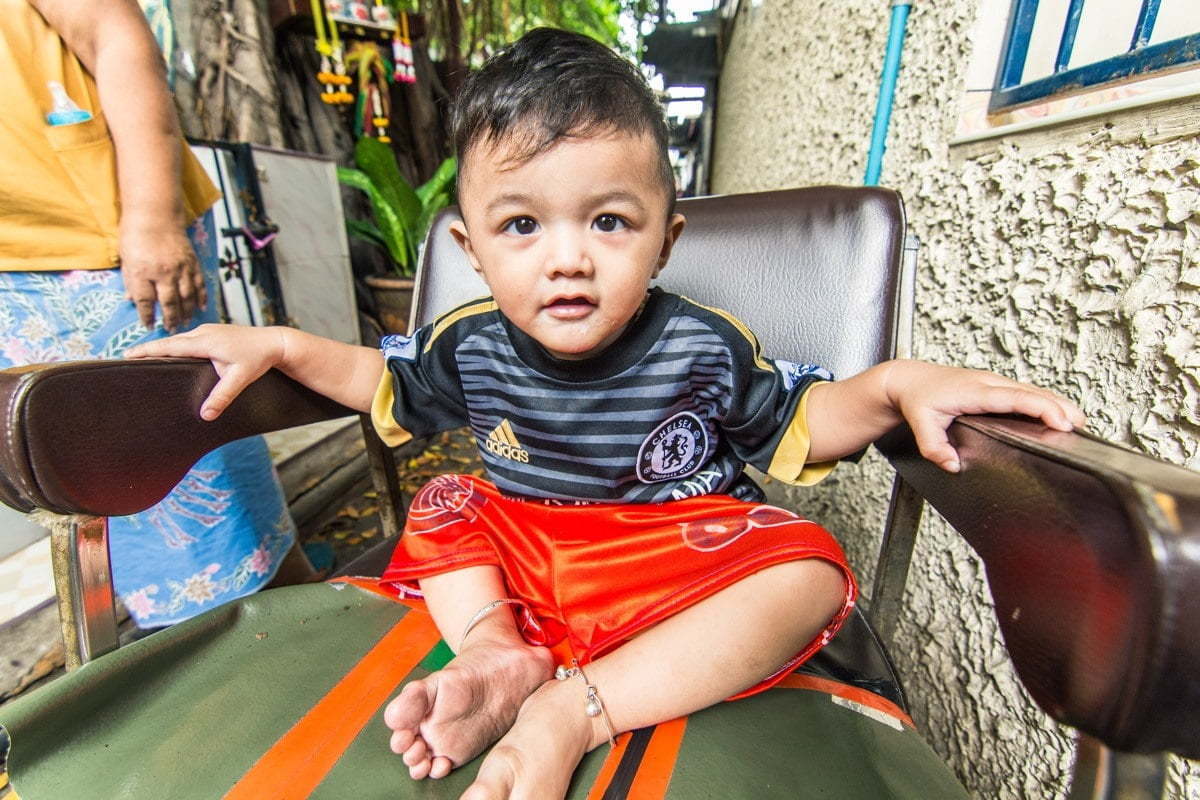
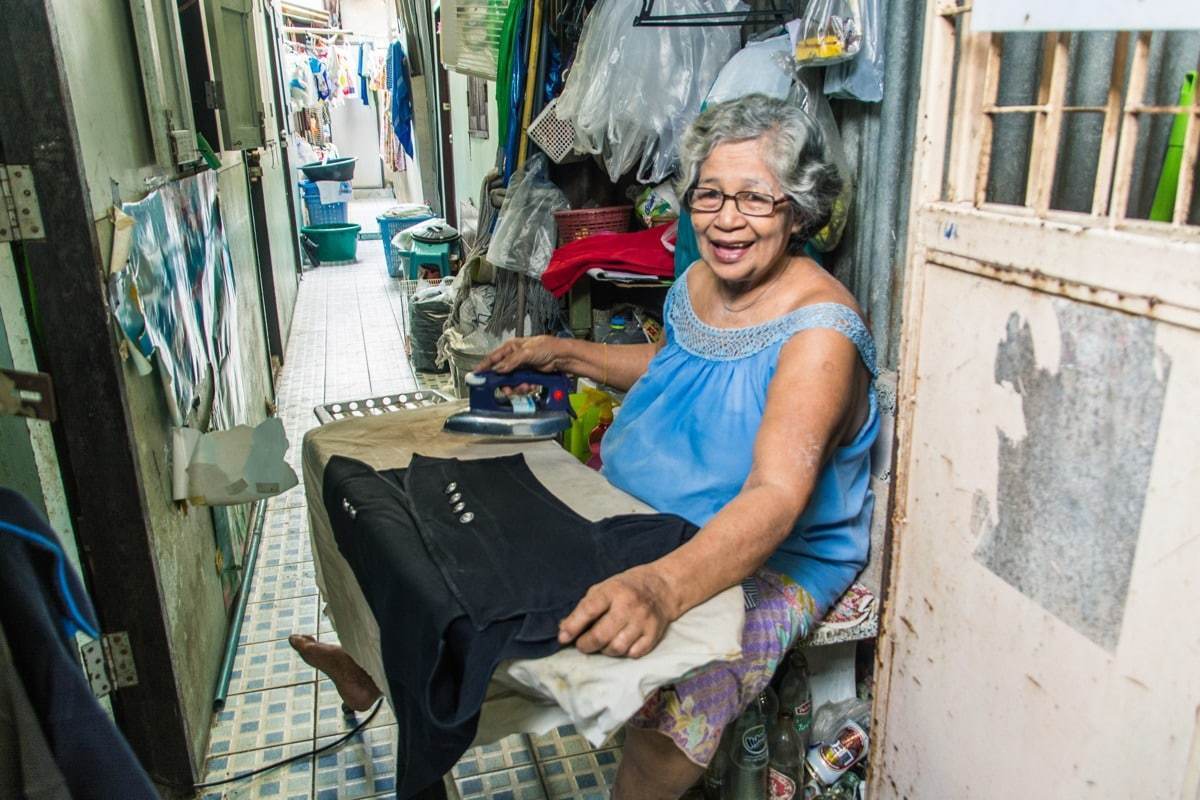
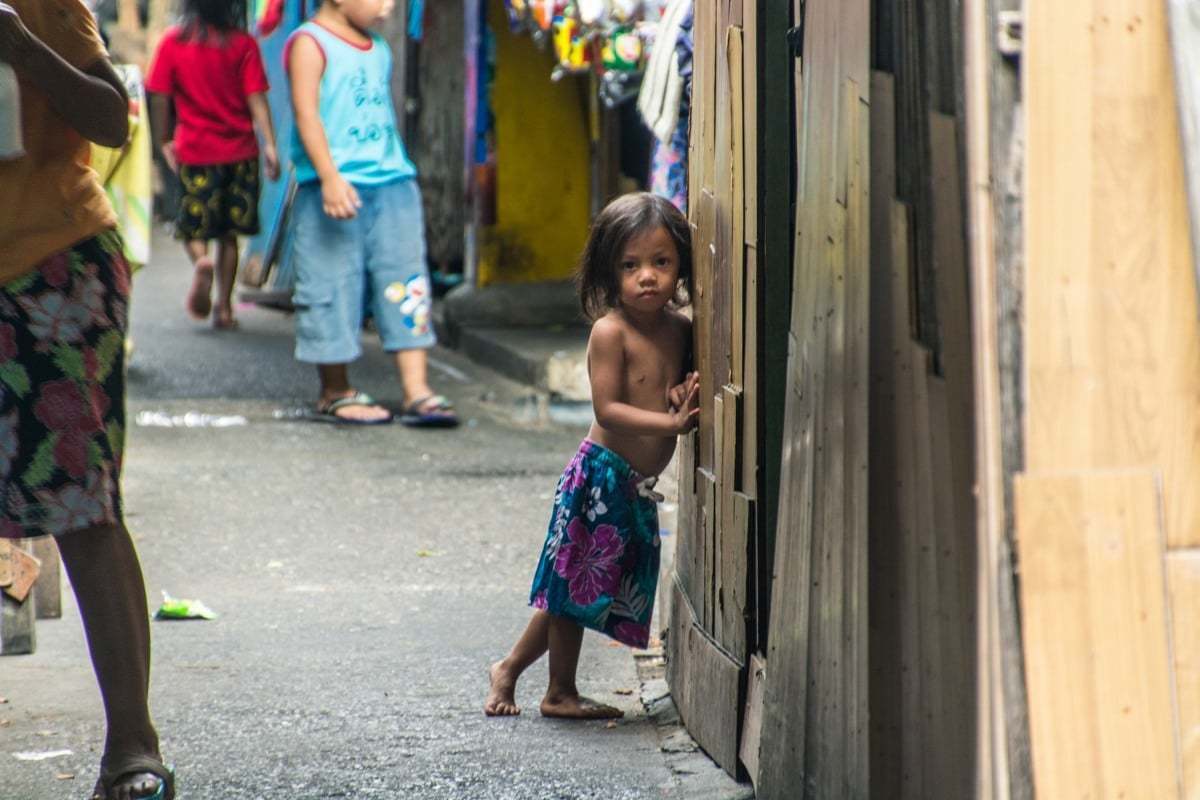
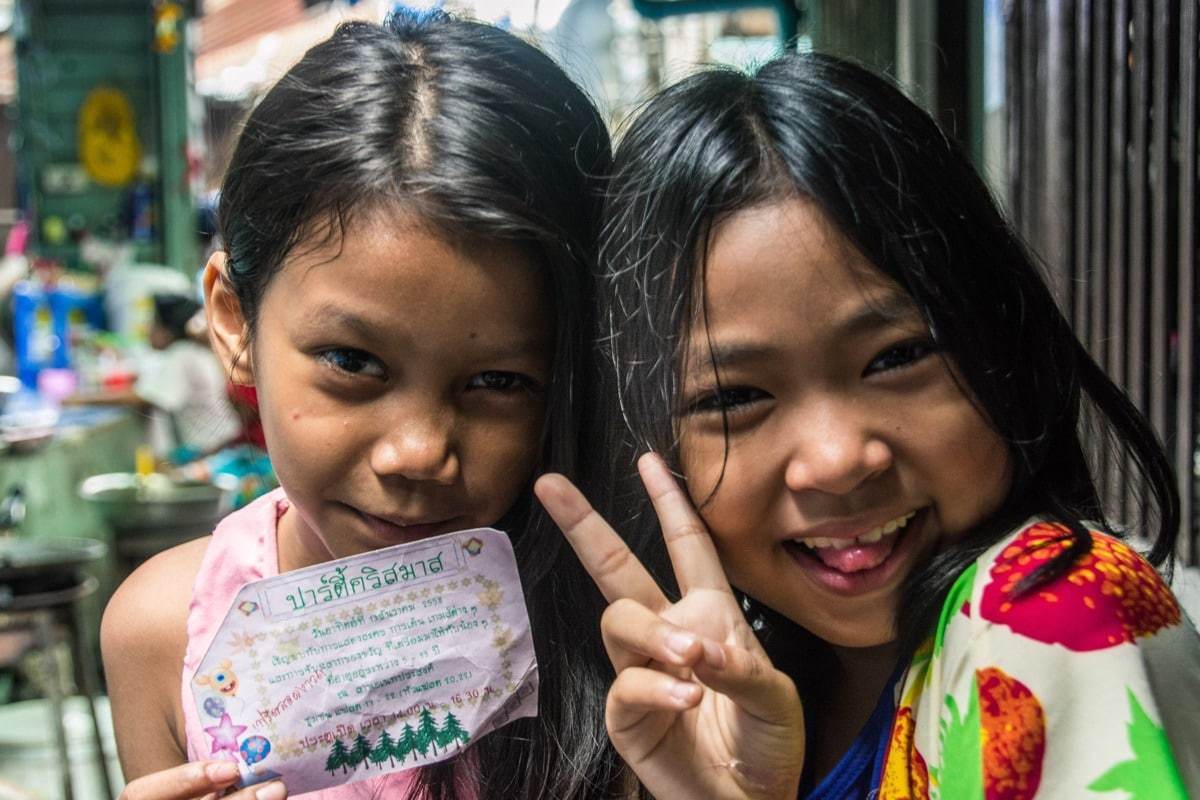
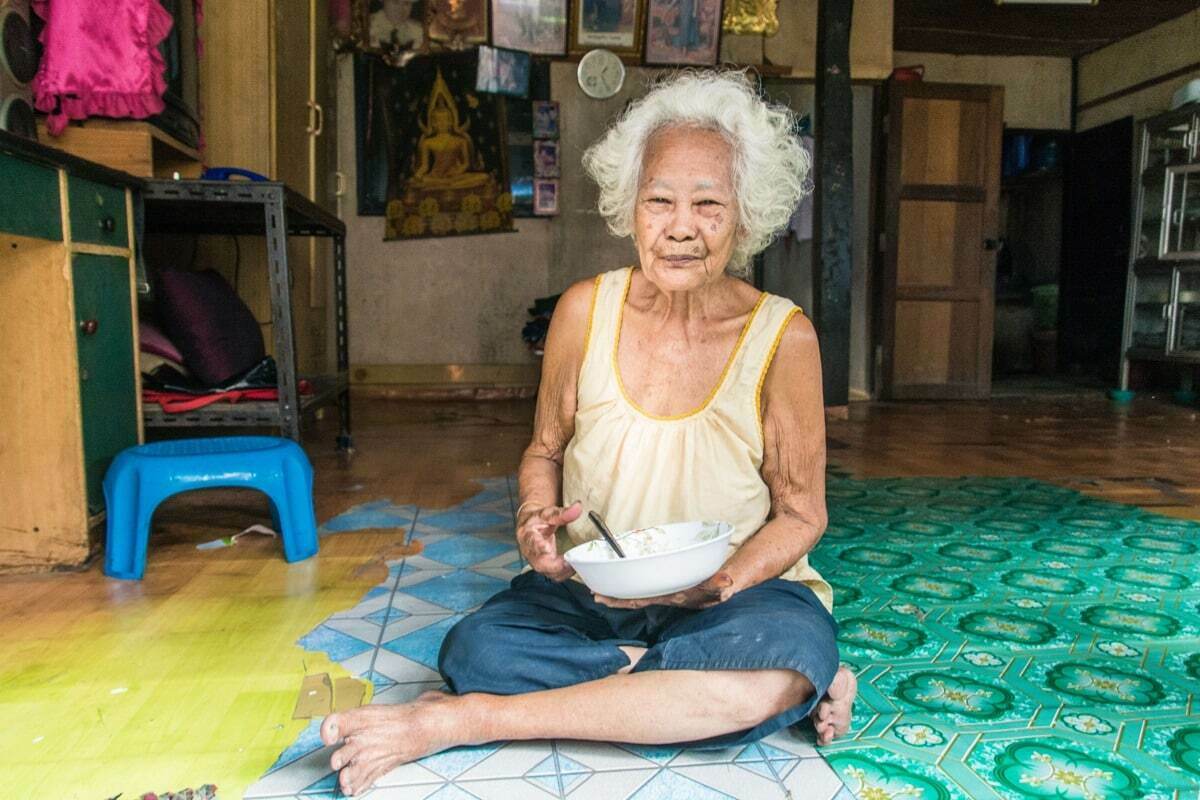
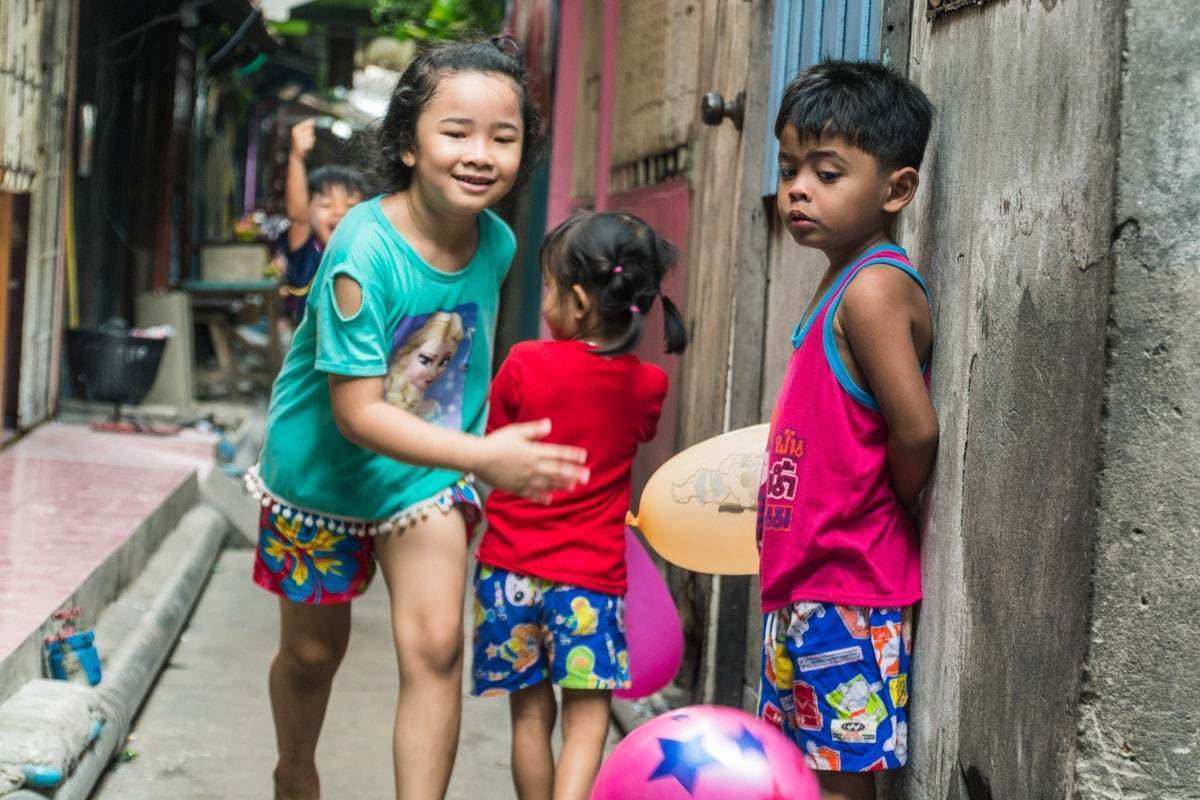
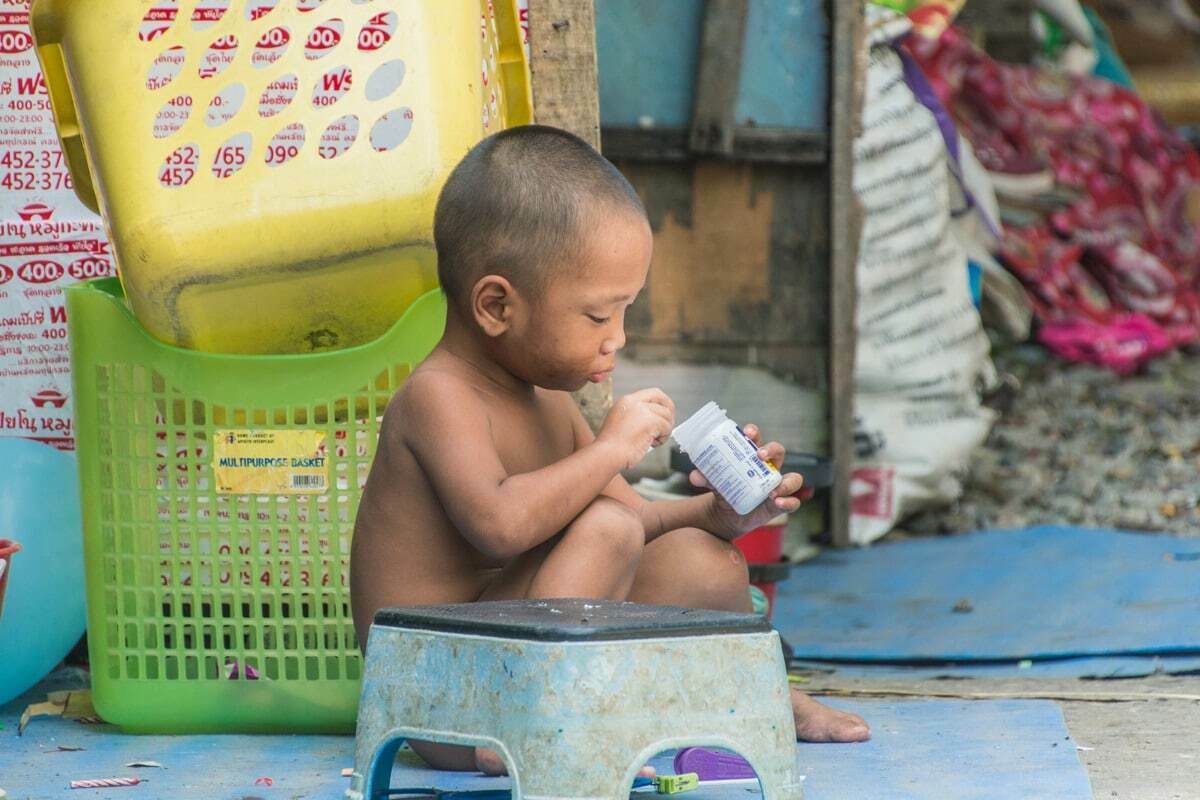
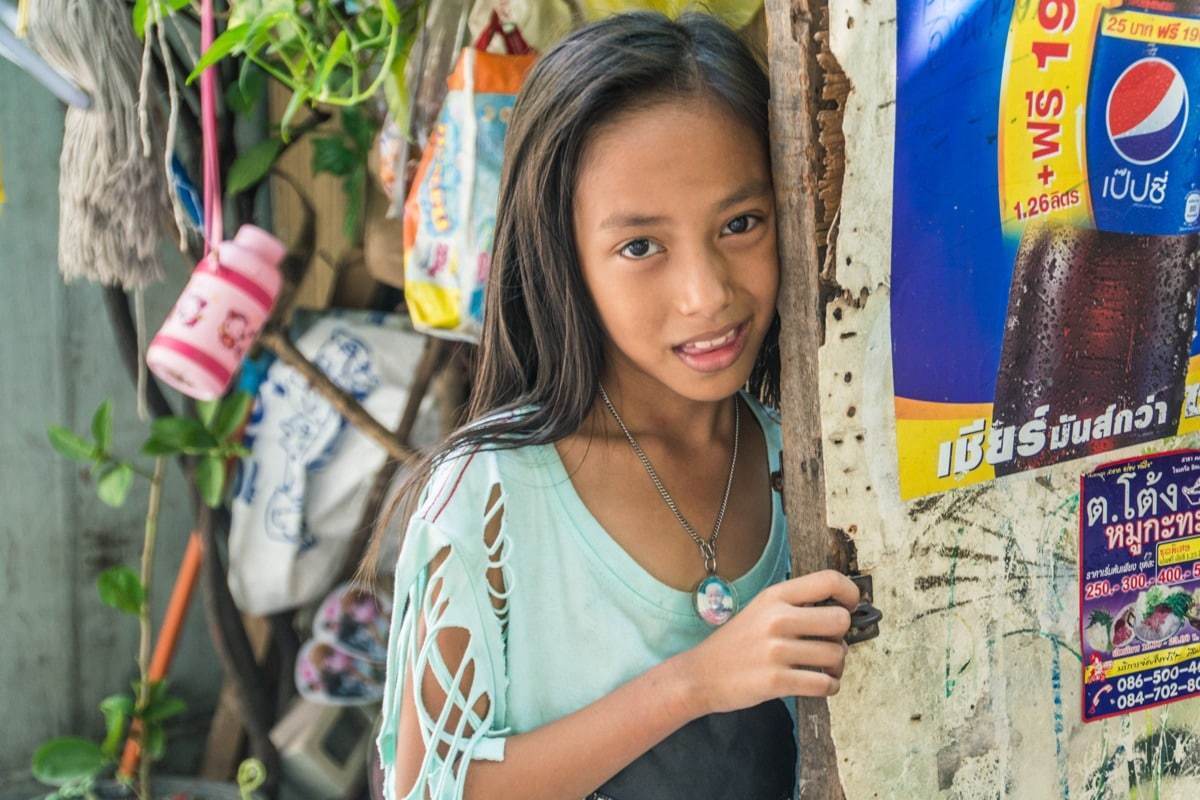
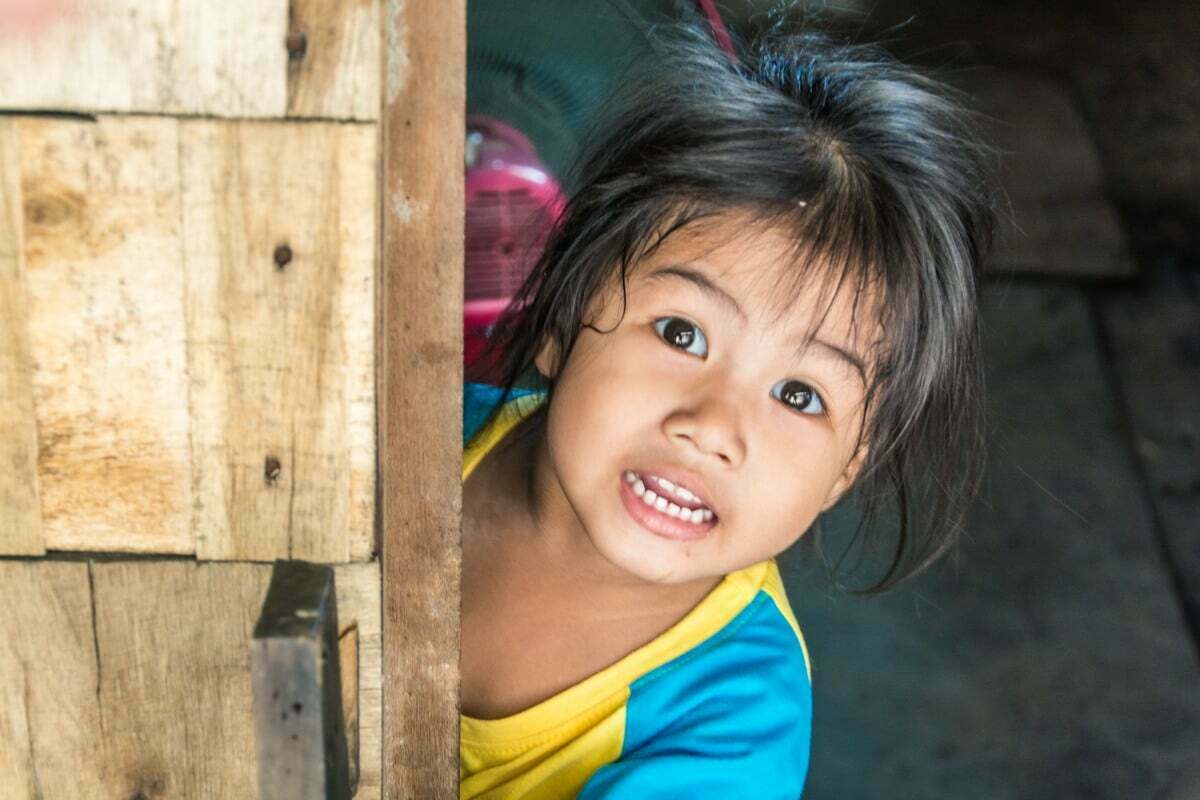
This is precisely the possible opportunity to see these communities that tend to disappear, because the city of Bangkok, in a spirit of modernization seeks to "clean up" this kind of area, as if hiding/moving poverty was a solution. Let's be clear, it comes from a good feeling, reorganizing the city, adding parks, etc. is good; but wanting to do this too much takes away from the charm of the city.
This would be the case, for example, at Fort Mahakan, directly concerned by this type of initiative, the community, which includes houses built 200 years ago, could make way for a public garden...

But what about the people who live there? The locals themselves say it very well, foreigners (because this is the tourist district, the showcase of Bangkok) do not necessarily need to have a new park and spaces to sip coffee but would rather simply see the "real" Bangkok and meet its inhabitants, their way of life.
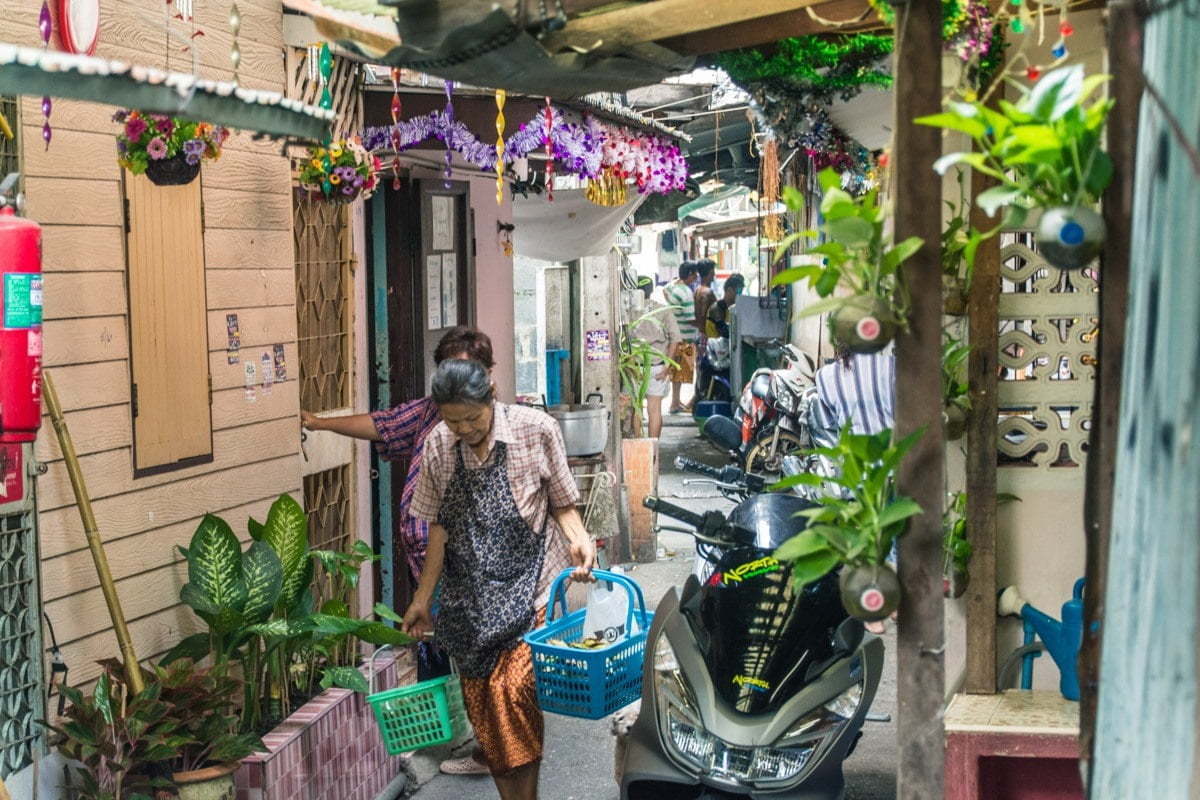
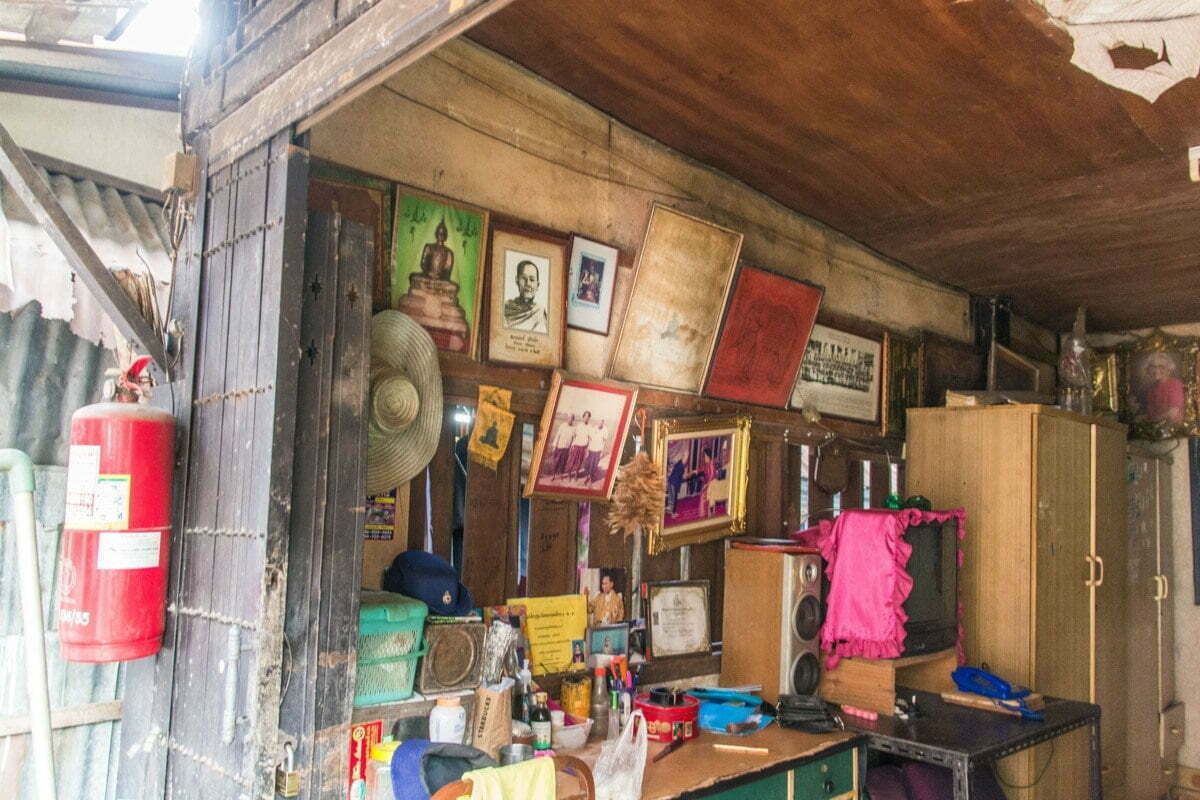
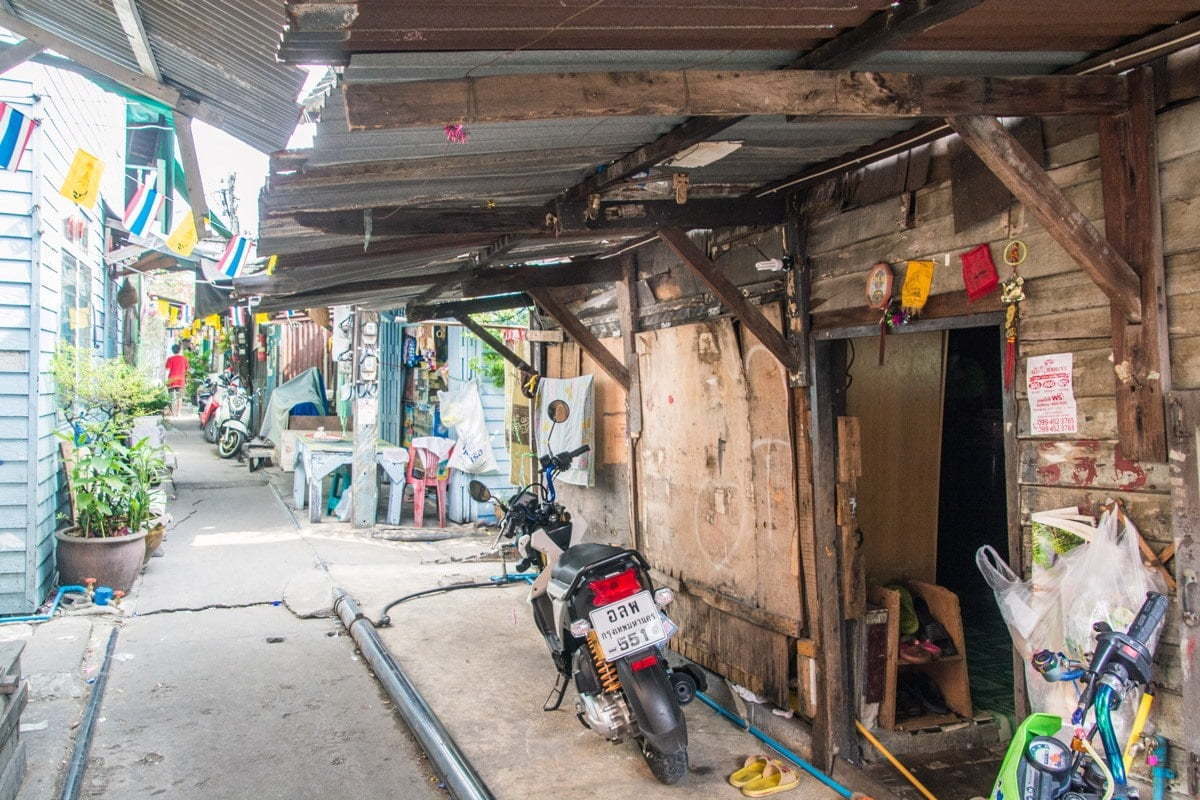
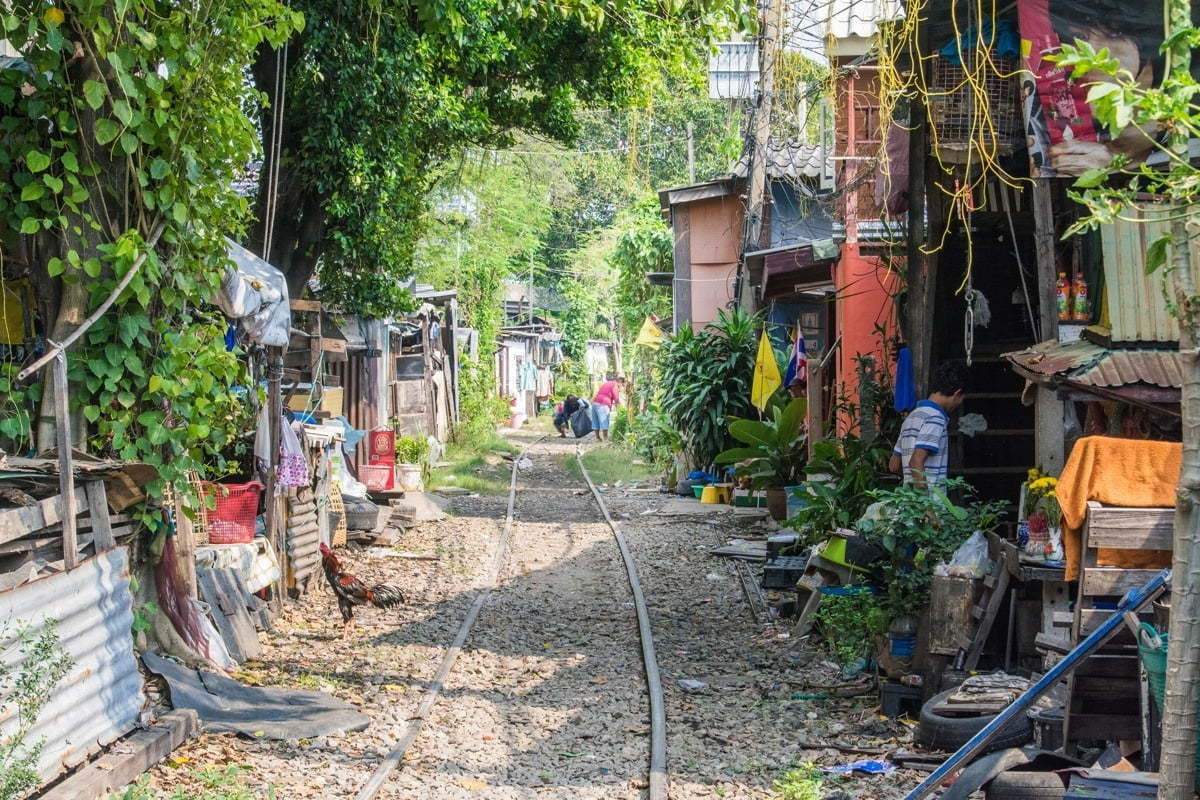
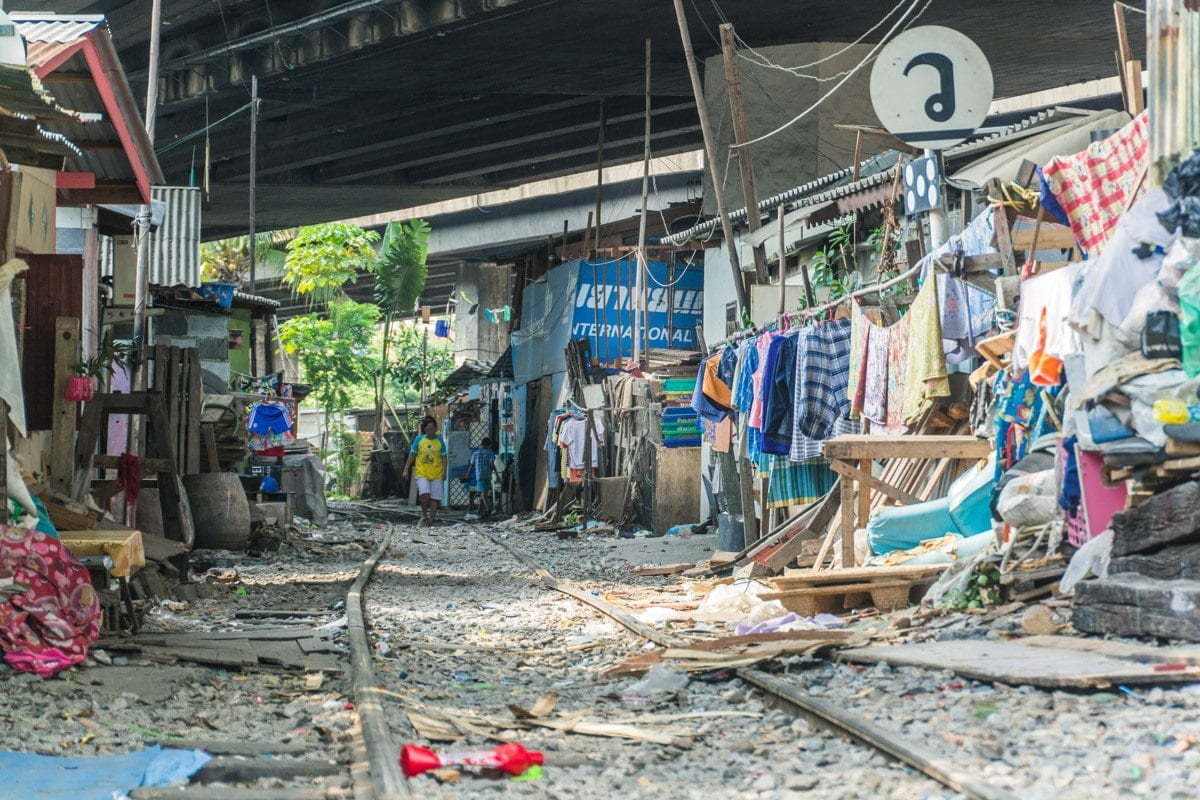
Bangkok is not set to become the new Singapore.
People, stories
Of course, few people here speak English, but speaking a minimum of Thai, I could therefore converse a little with the locals, because taking pictures is good, but getting to know each other a little is better.


In addition to the many children, excited and happy to spend a few minutes playing ball with us, I met this old gentleman, who under his smile hides a sick man, who somehow accepts his destiny all mapped out, for lack of care.
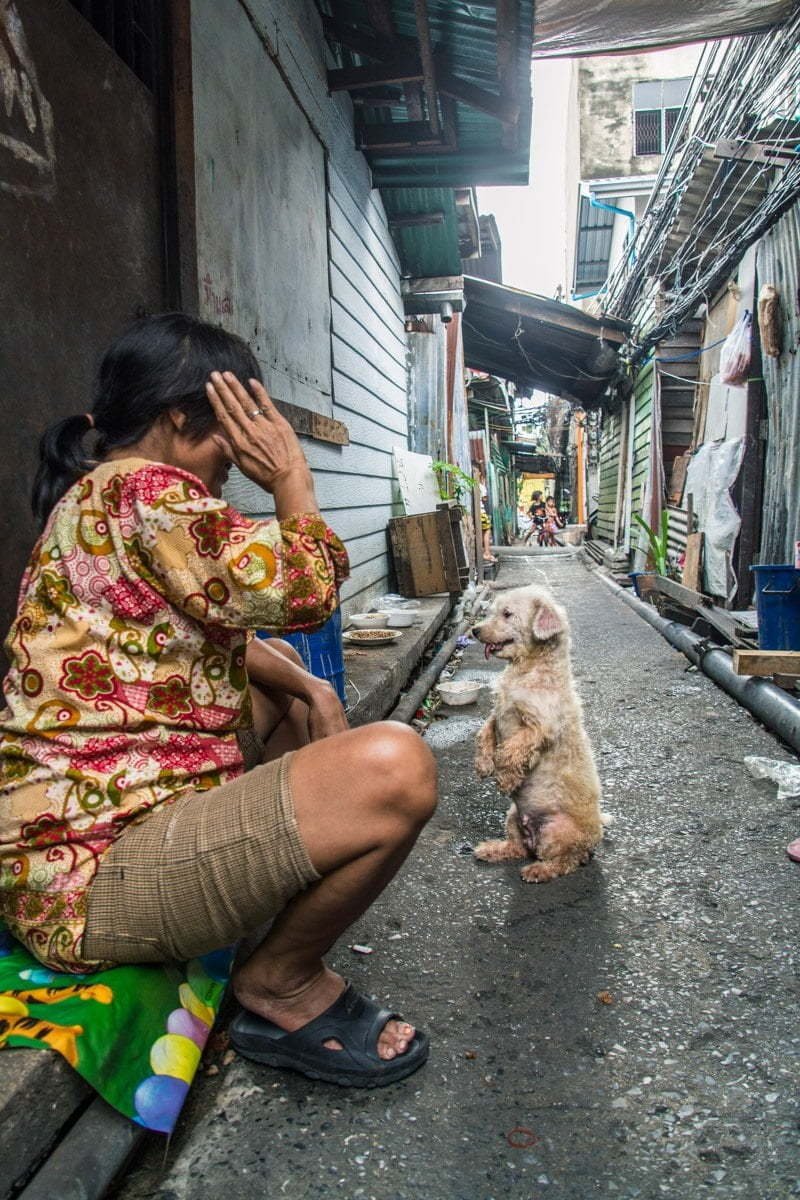
A little further on, these ladies of a certain age suddenly show us what their "learned" dog can do, while I make one of them laugh like crazy by wanting to take her photo.
She was surprised that I wanted (imperfect subjunctive power!) to do a portrait of her, not considering herself "attractive", answering her straight away, all women are beautiful... A question of self-esteem!
Further on, there is a grandmother who is preparing her specialty to go and sell it, while her daughter casts a curious glance out of the window (the same one who will take a selfie).



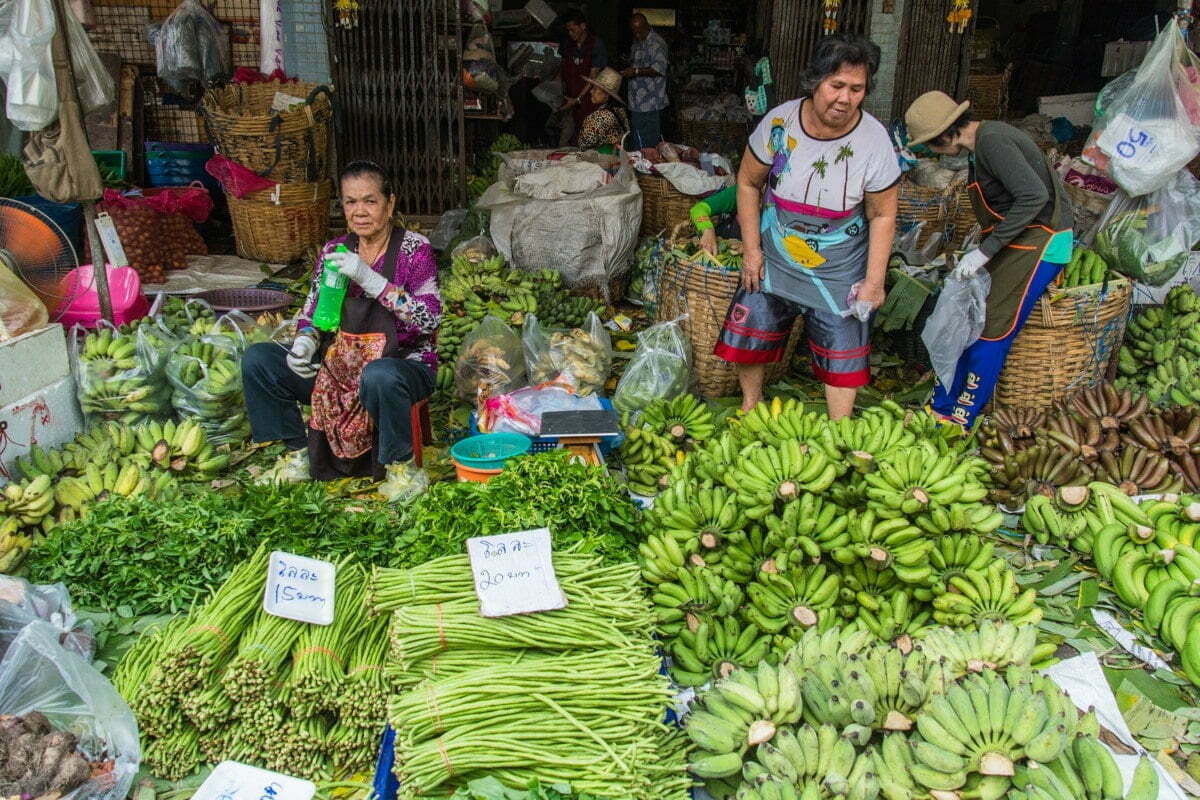
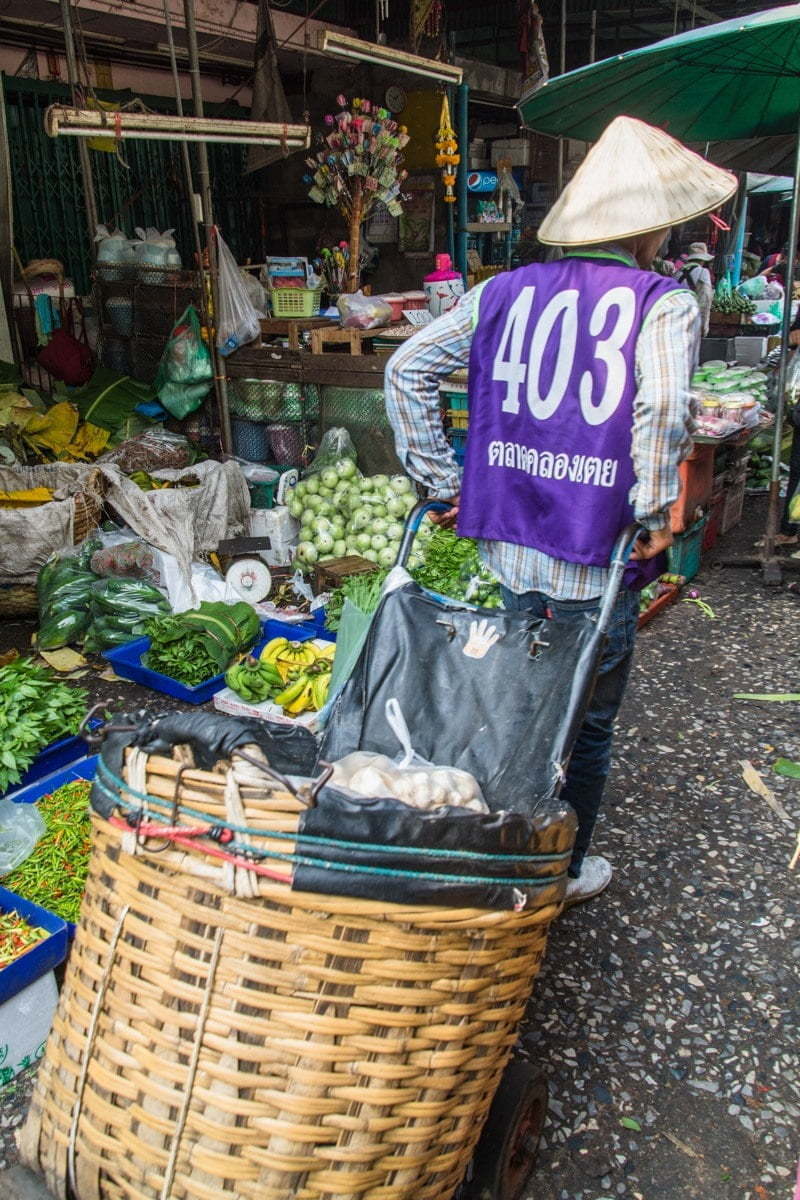
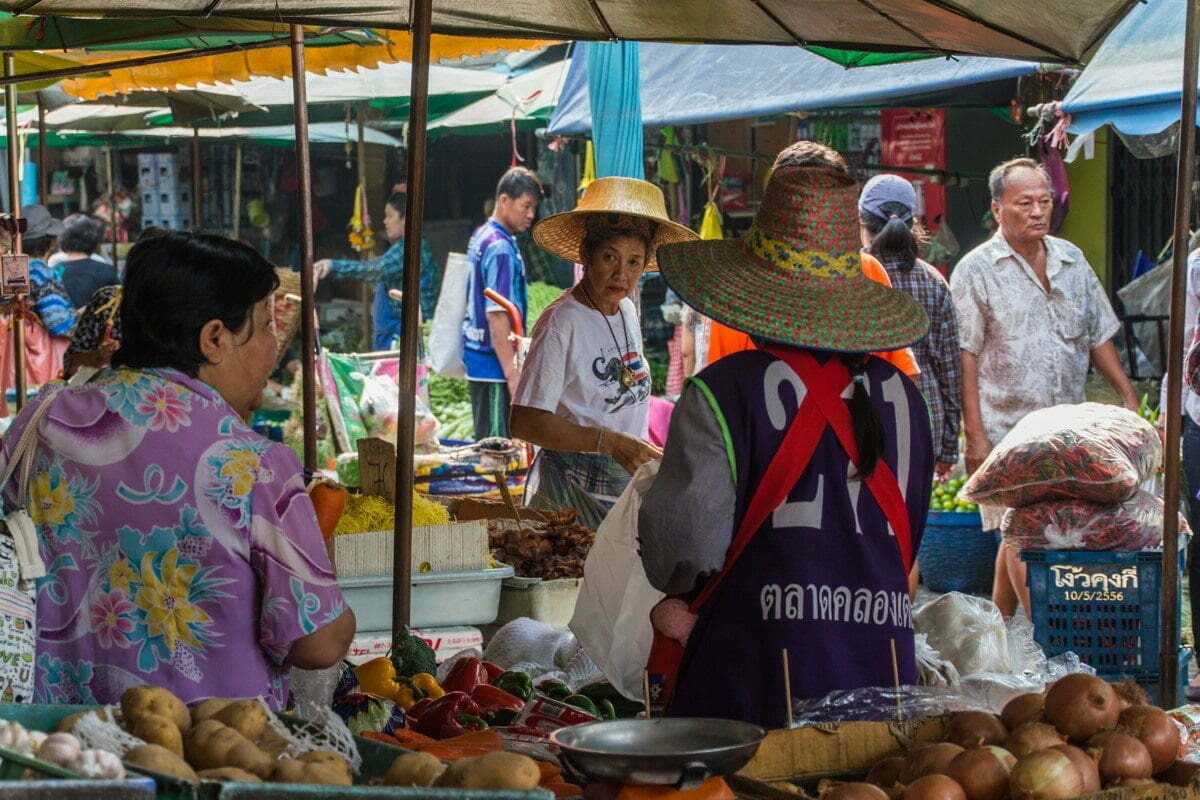
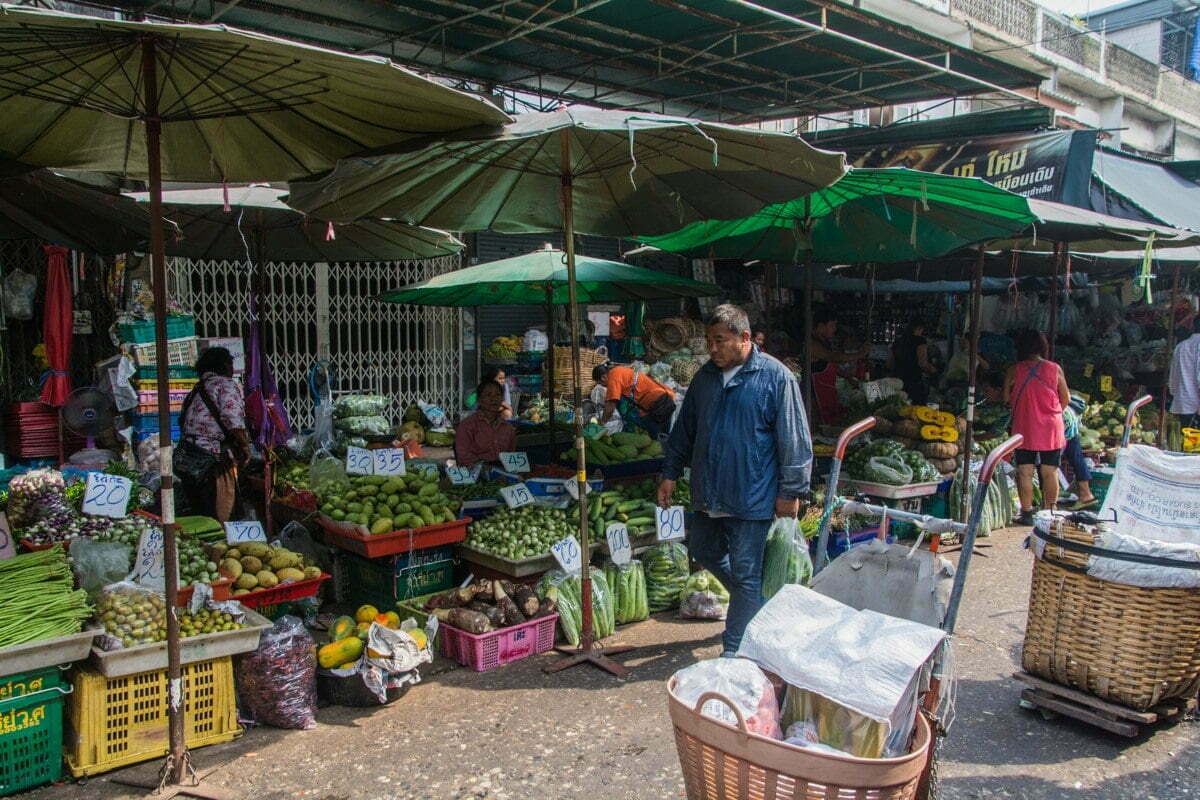
Khlong Toei, Bangkok's largest market
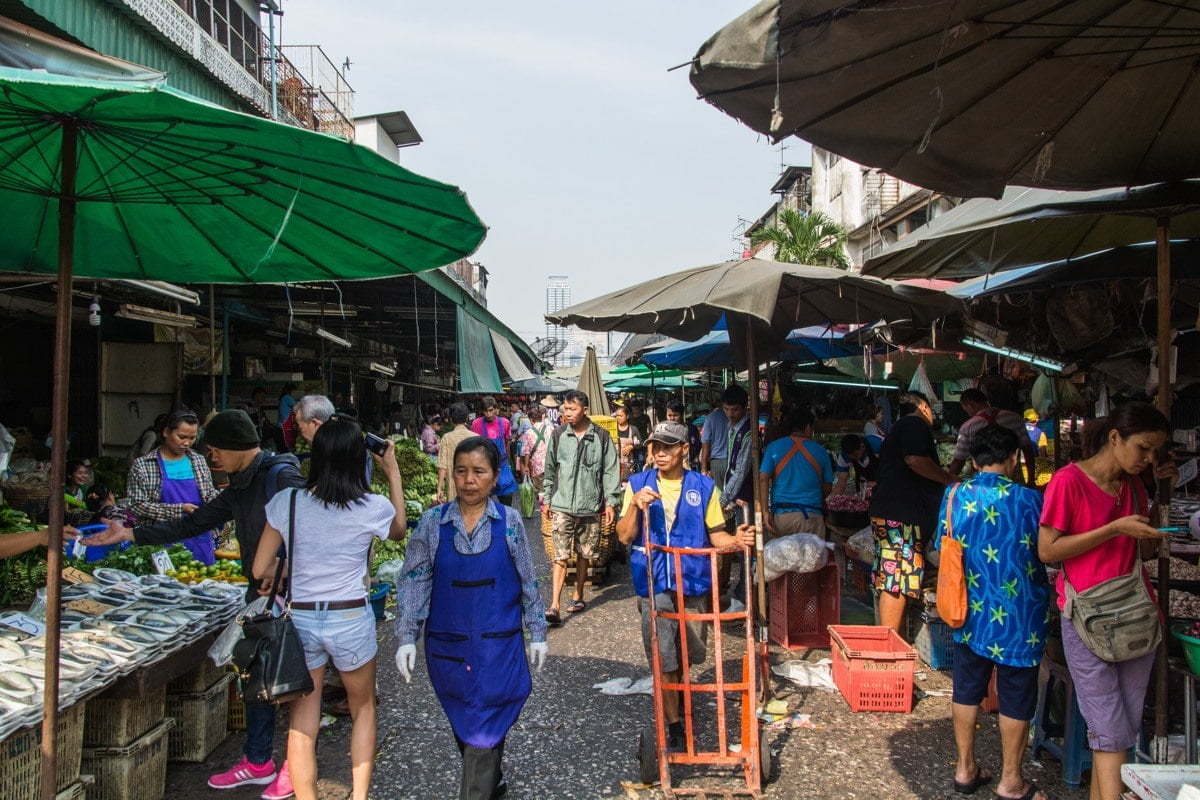
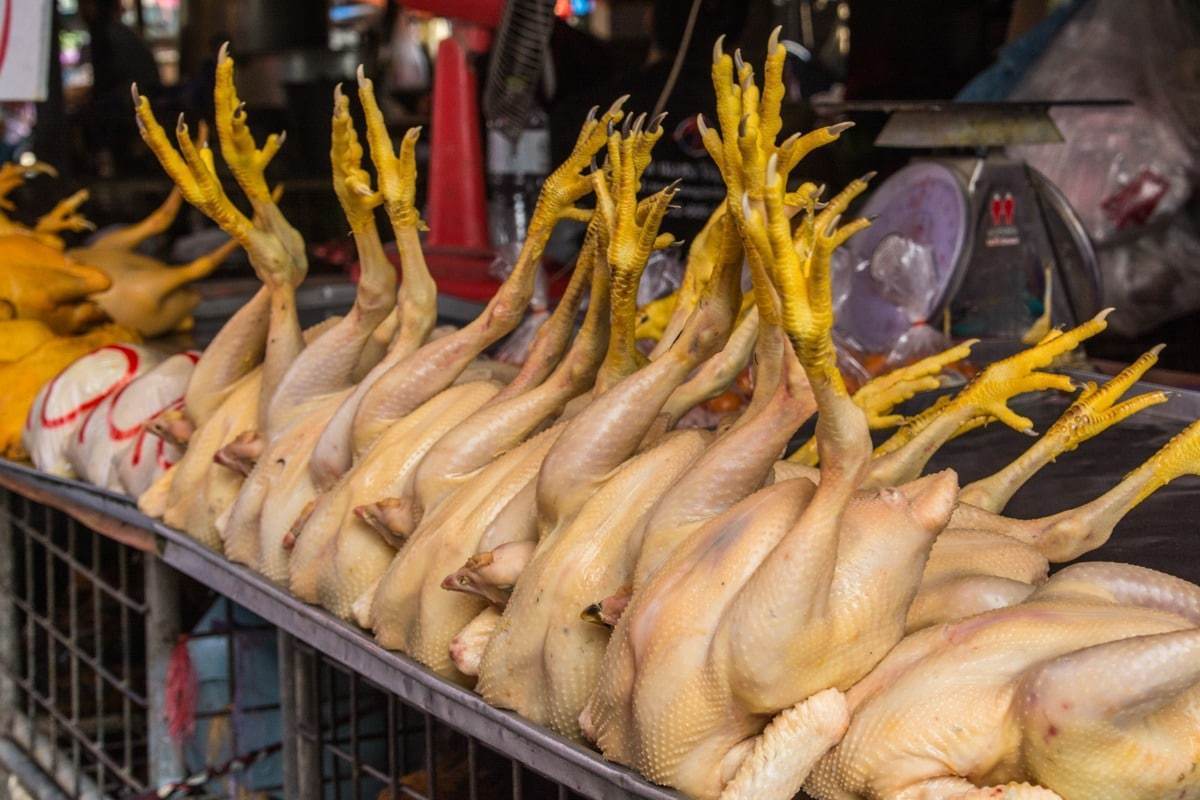
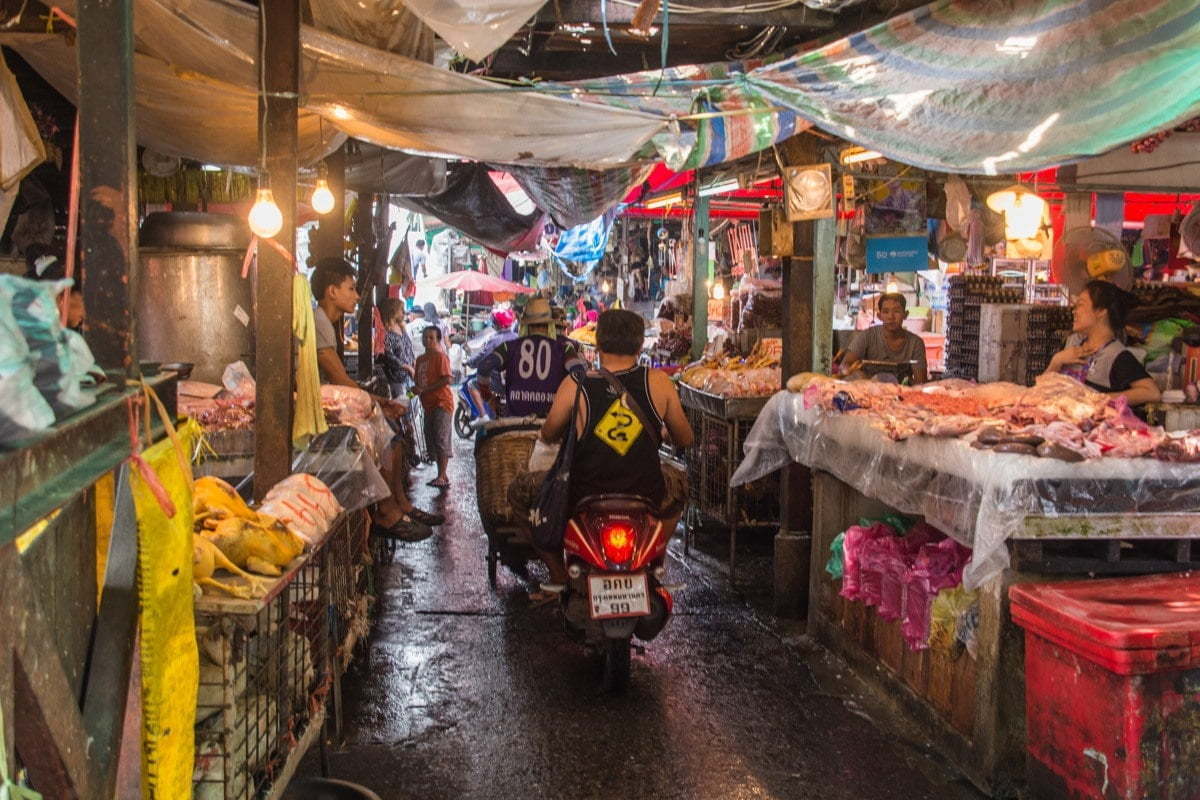
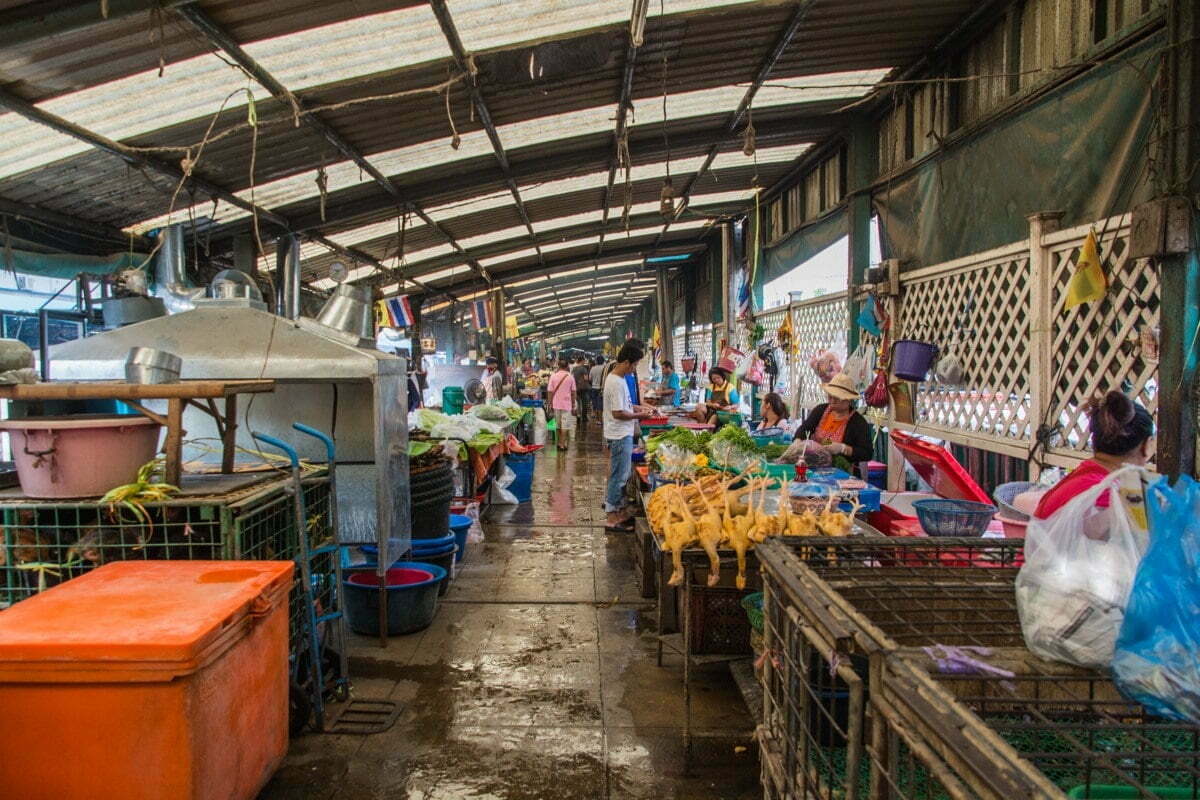
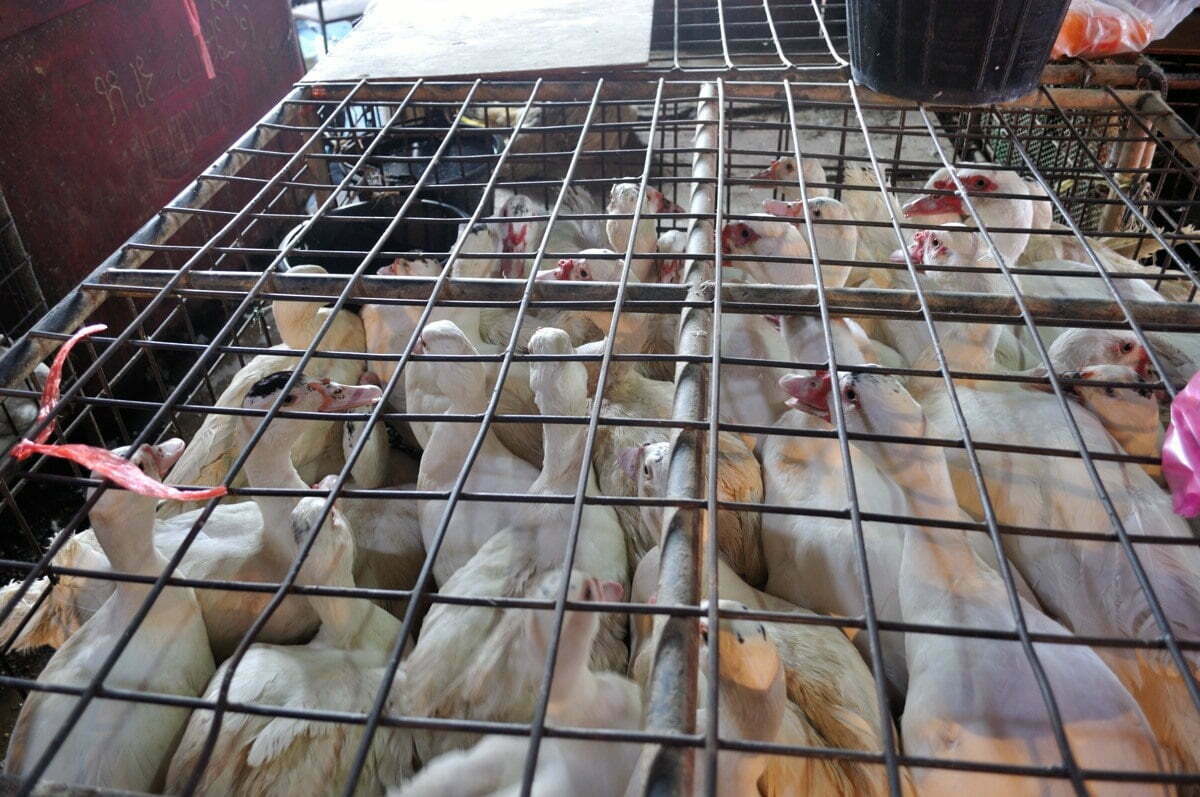
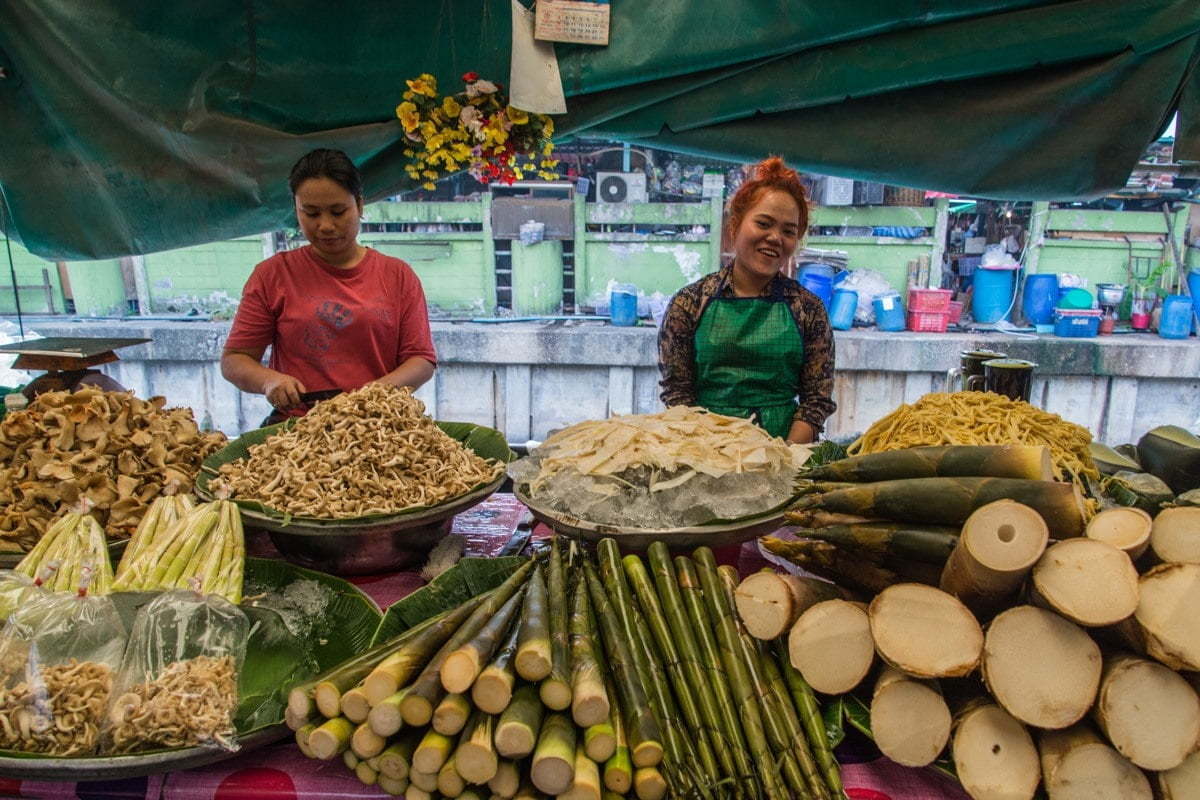
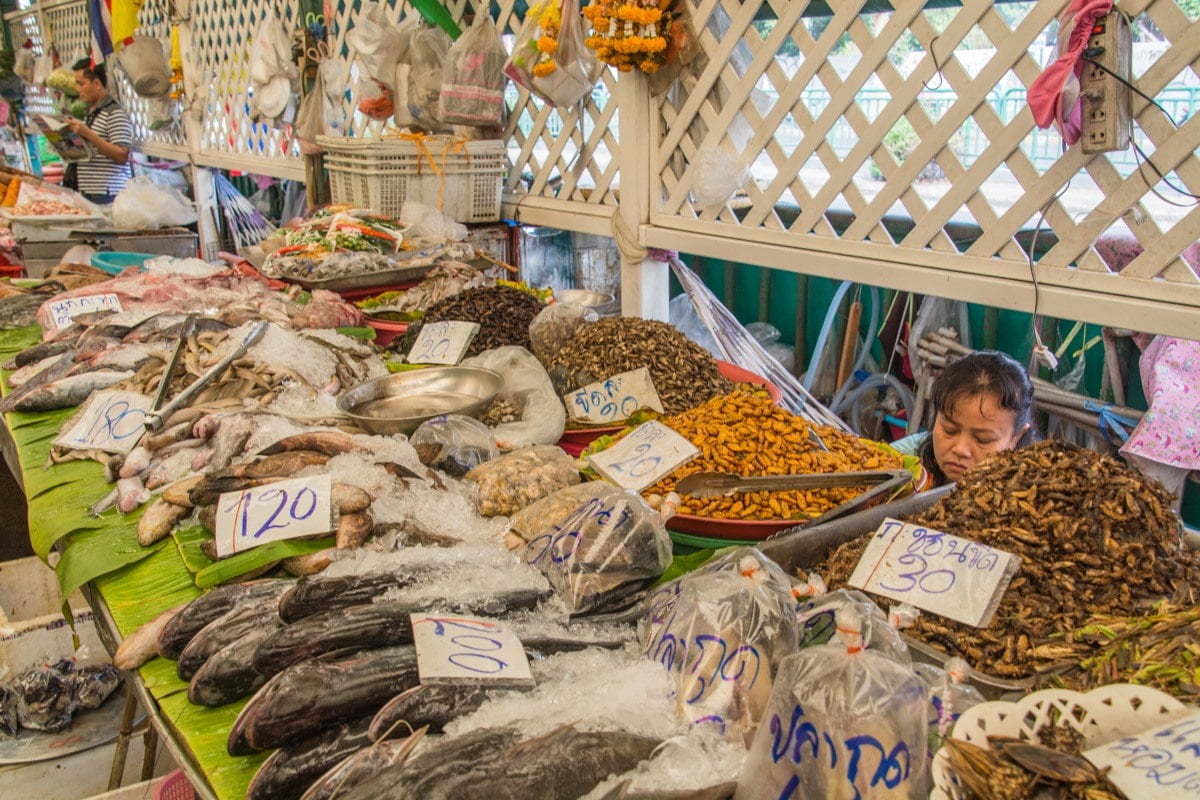
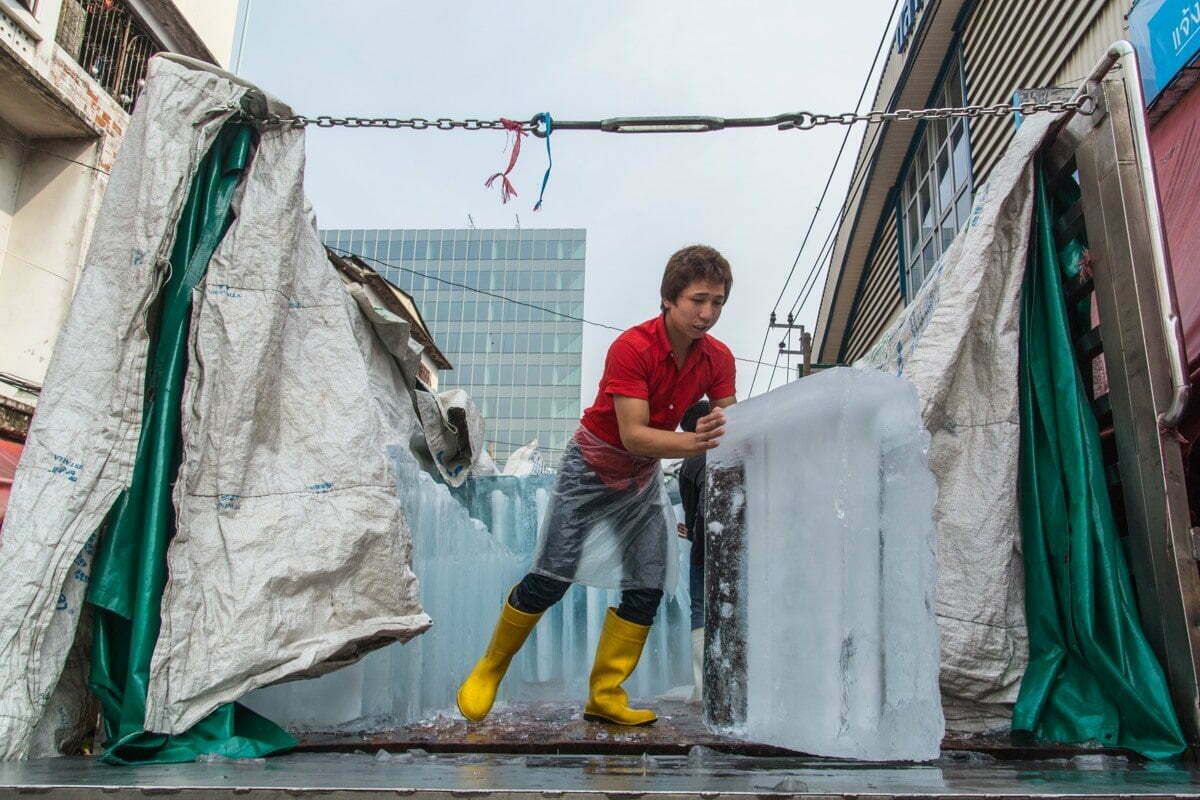
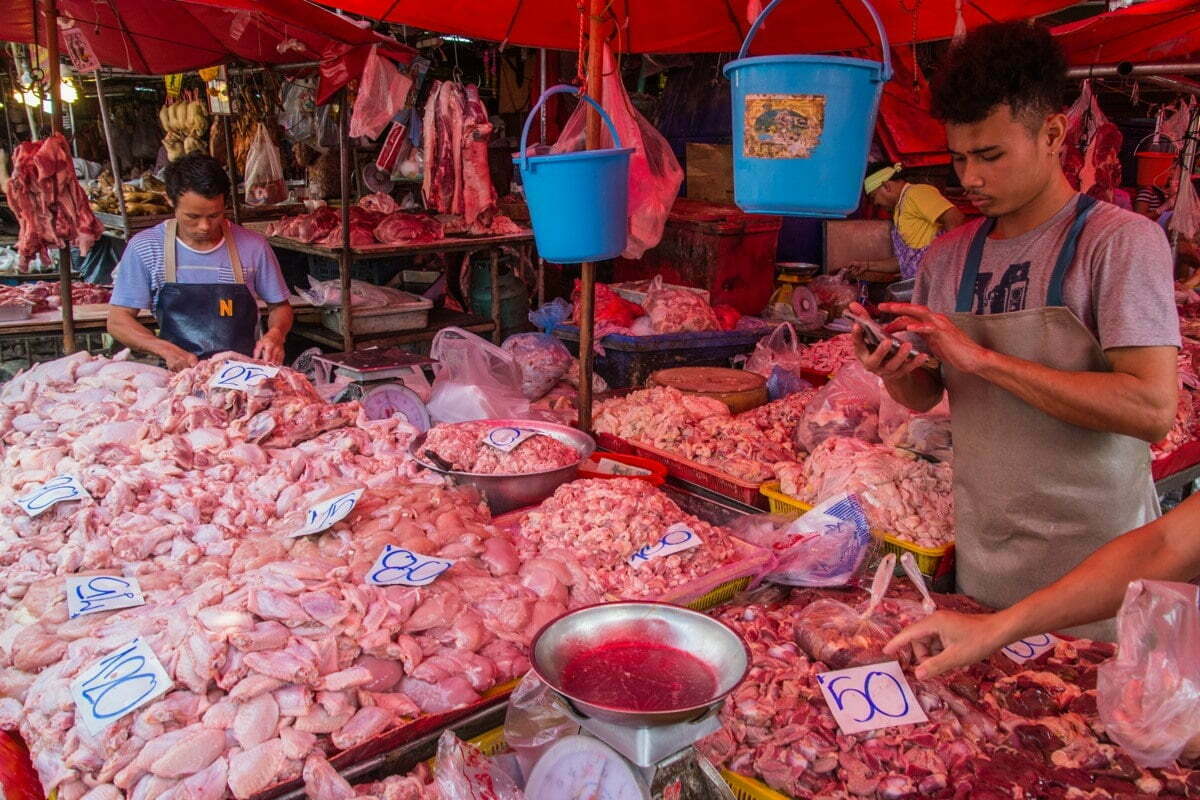
Khlong Toei is not just a poor area, it is also home to Bangkok's largest market, sometimes nicknamed "wet market" because the ground is always moistened by the melting ice brought in throughout the day to keep the meat and fish (among other things) fresh.
One of the reasons for this location is its proximity to the river and Bangkok's port. It's also not far from here that I take the boat to Bang Kachao, also known as Bangkok's green lung, which is an ideal place for a peaceful bike ride; for those interested, I talk about it in this article.
How to get to Khlong Toei?
Several options, if you plan to go to the slum first, then go to the BTS Ekkamai, from there, either walk a little over 2 km on foot or take a motorbike taxi. If you want to see the market first, you can either get off at Queen Sirikit Convention Centre or Khlong Toei MRT station, in both cases it is about 2 m.
The distance between the market and the slum is about 2 km. Which, on a map, gives roughly this summary:
Did you like this article? Share it on Pinterest!