


Today's journey took us between the town of Dong Van and the small town of Bao Lac , slowly bringing us closer to Hanoi, our final point in this long loop through the mountains of northern Vietnam.
It was supposed to be a moderate stage of about 100 km, but we were setting off with almost 40 km already covered that morning towards the Dong Van loop . So, it was past 14:30 pm, and we couldn't afford to linger too long…
If you've been following the other articles, you won't be surprised to learn that we're once again arriving at nightfall...
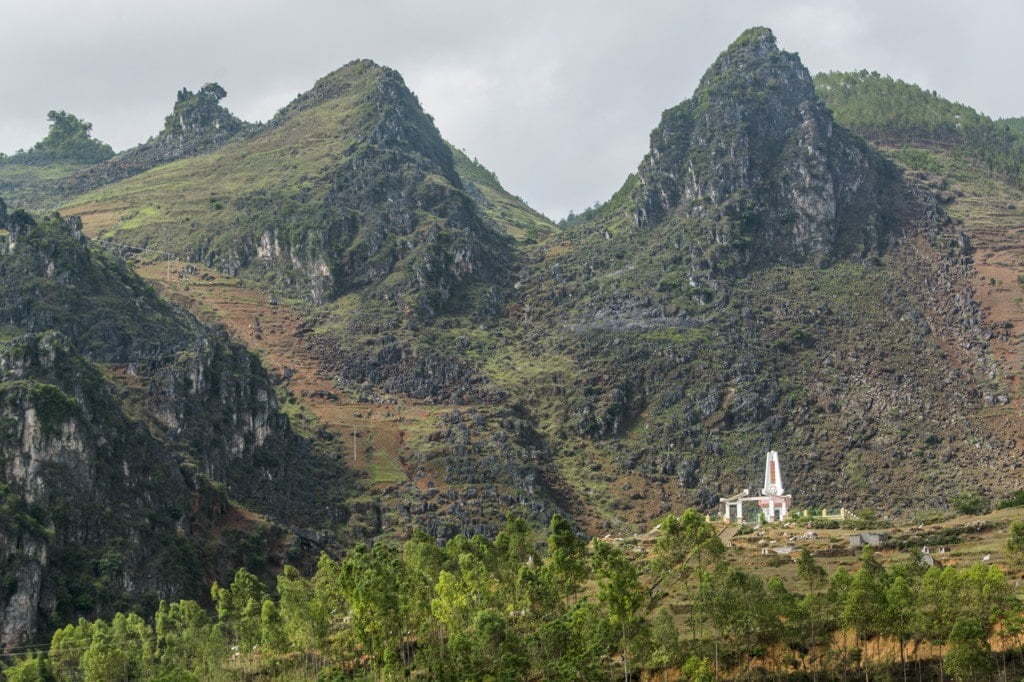
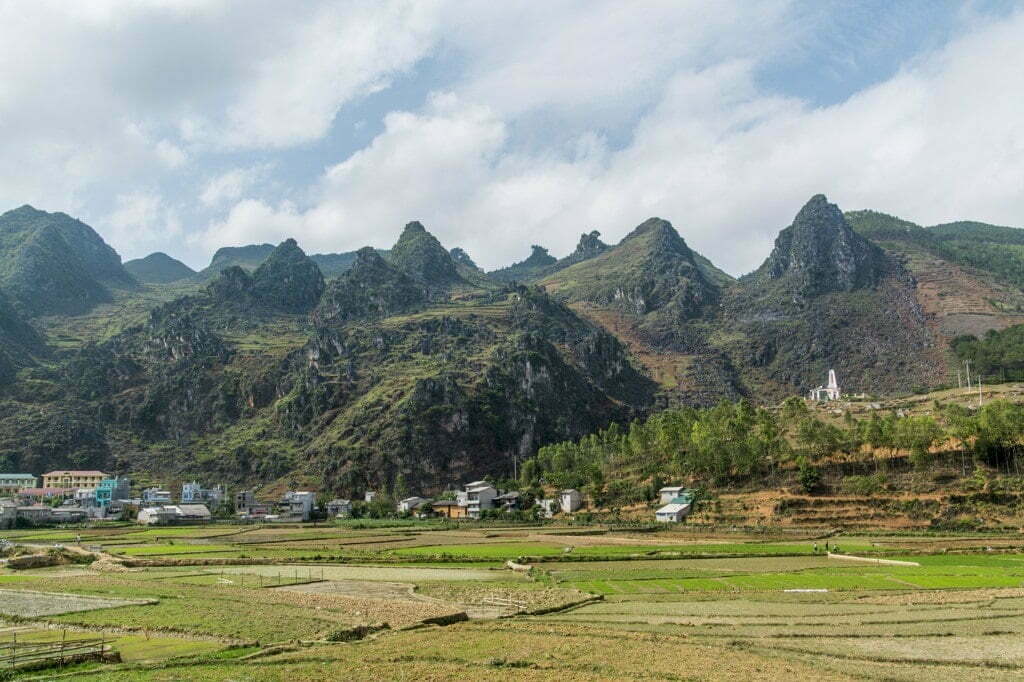
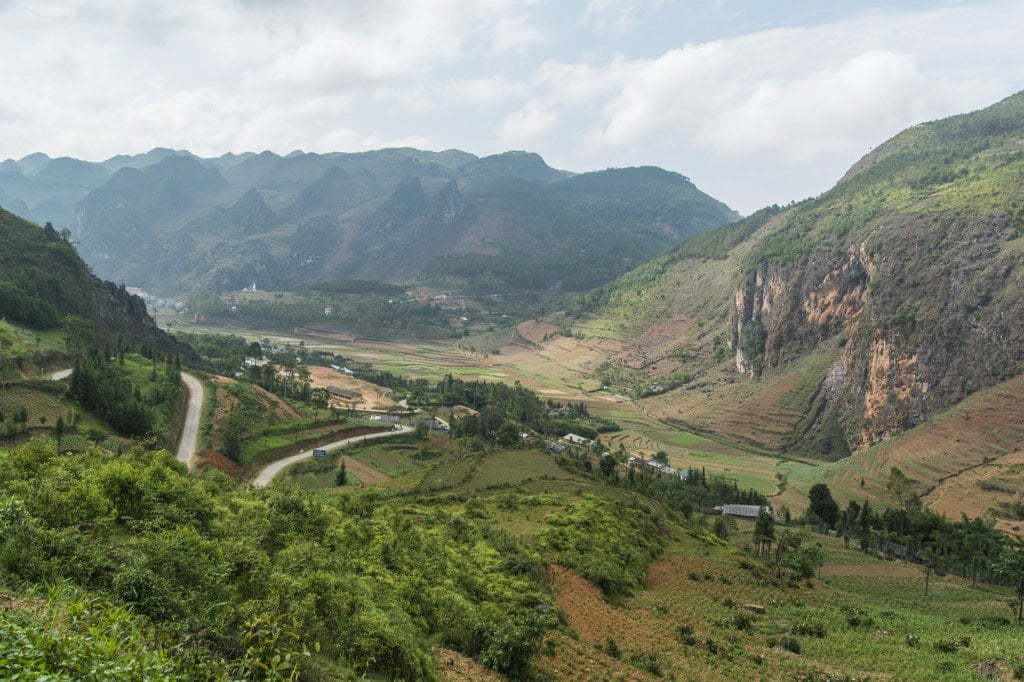
Ma Pi Lèng Pass and Tu San Canyon
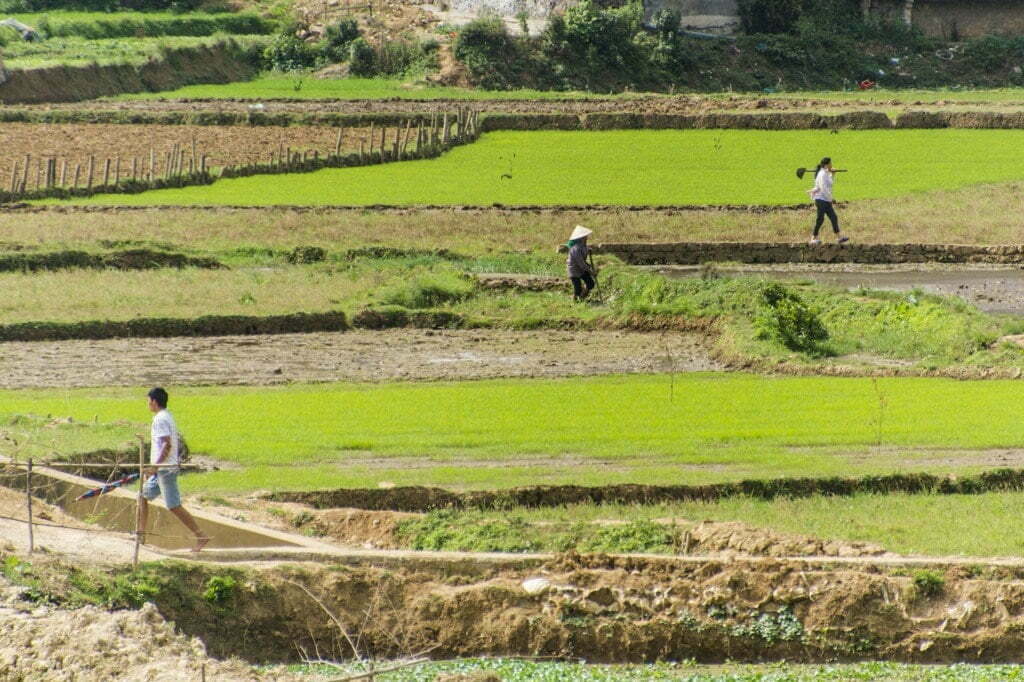
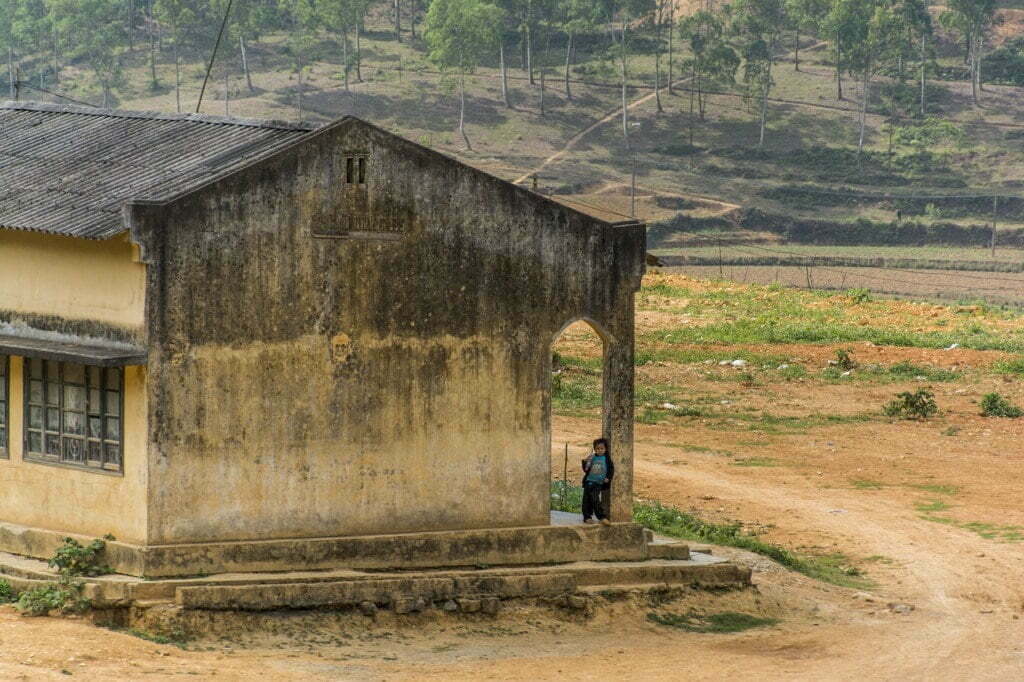
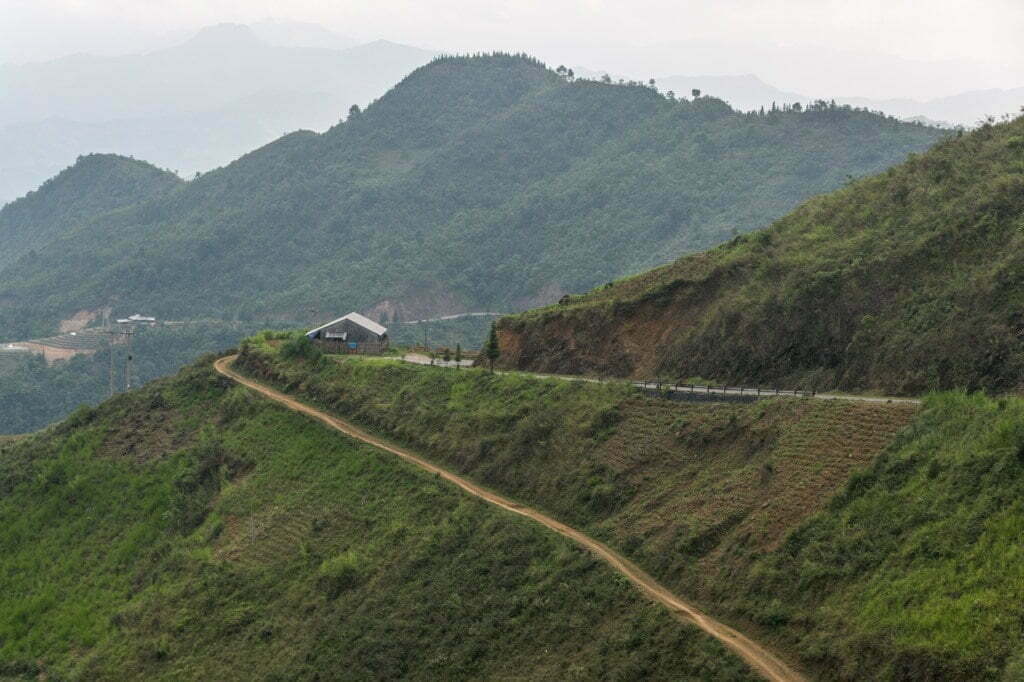
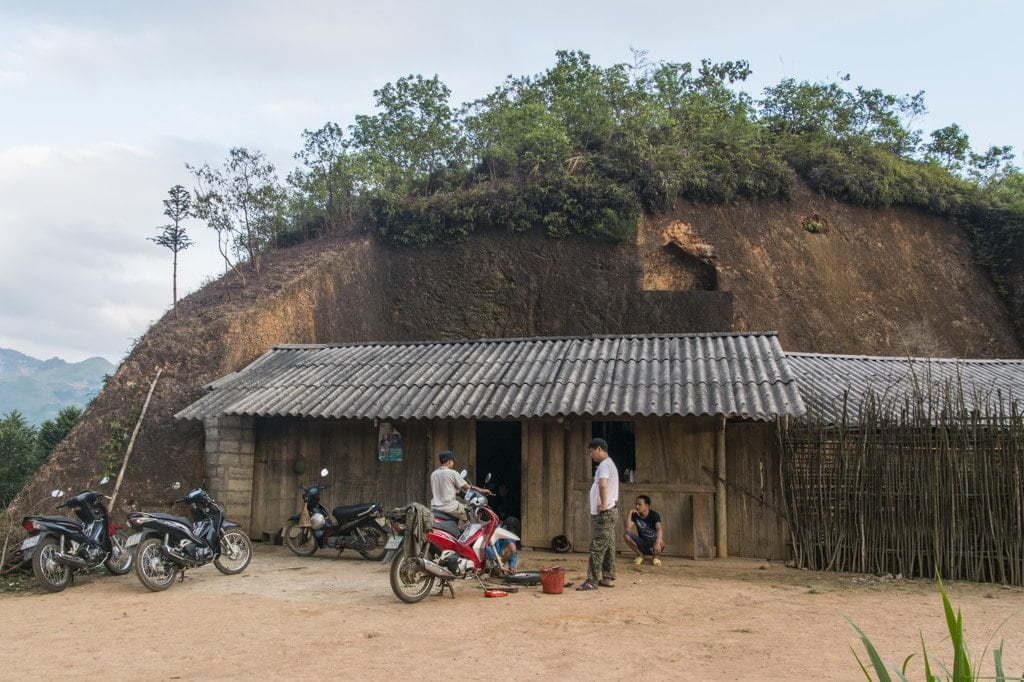
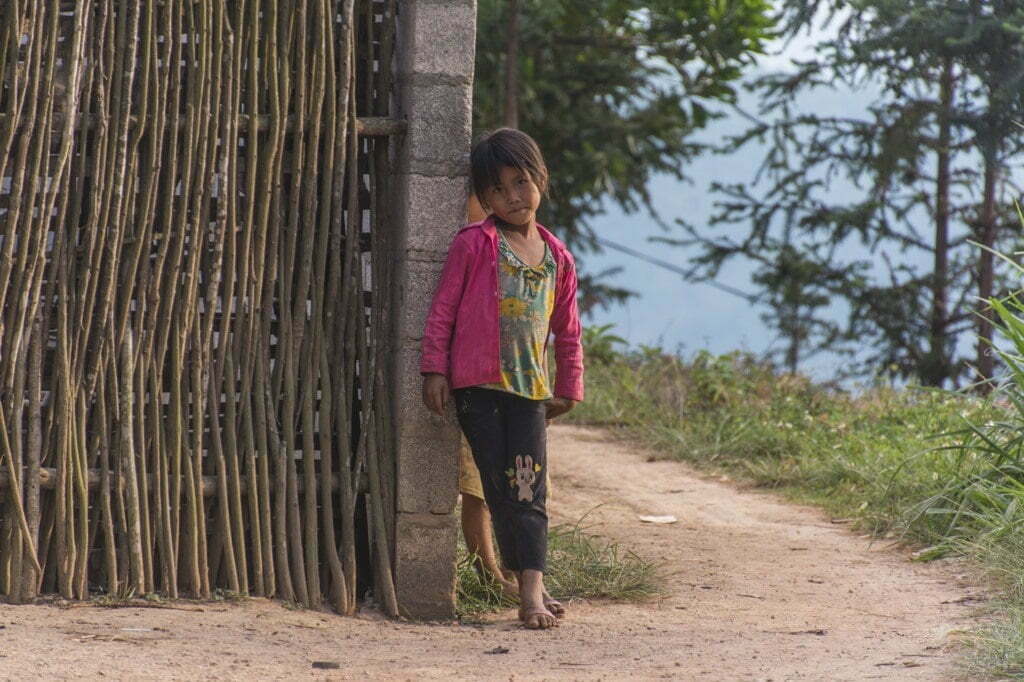
Located in the Meo Vac district, the Ma Pi Leng pass was undoubtedly the highlight of the day. We regularly encountered children and people from the Tay, Hmong, or Dao ethnic groups, to name just a few, sometimes daydreaming by the roadside, other times working, carrying baskets on their backs.
Yet, only 9 km south of Dong Van , it took us 1 hour to reach it! That shows how much the scenery had already captivated us and how winding the road really was.
This road also has its own history. First of all, its name, "Hanh Phuc", which means "happiness". It was once a particularly dangerous access route to the Dong Van and Meo Vac regions.


Until the early 60s, only horses were allowed to pass on this road, which is what gave the pass its name, because according to the local language, Ma Pi Lèng means "the horse's nose".
But after 5 years of hard work, volunteers have carved a road through the mountain to connect the city of Hà Giang to the district of Mèo Vac.
It was from this time that the road took the name of "road of happiness", because it helped to improve the living conditions of the local inhabitants.
A must that I recommend, this road offers absolutely spectacular landscapes.
The pass reaches an altitude of 2,000 m , and the unobstructed view of the multitude of peaks around the viewpoint is simply fabulous.
The visual picture was so surreal that I really had the feeling of having a real living painting in front of me.


And I didn't know it at the time of our visit, but one of the unique features of this site is the Tu San canyon , at the bottom of which flows the Nho Que River. With a depth of 800 m (for a length of less than 2 km), this makes it the deepest canyon in Vietnam and all of Southeast Asia.
So, after having had our eyes filled with wonder , we continued along this road which definitely lives up to its name, because it was with a smile hanging on our lips that we had during this hour spent near the Ma Pi Lèng pass.
Meo Vac, Dong Van’s “twin”
It was after about ten additional kilometers that we arrived at Meo Vac. This city is also often a bivouac place for travelers going to this northern part of Vietnam.
It's a bit like Dong Van's "twin" in that it has the same small mountain town feel, with its Sunday market as well.


It is in this part of our motorbike trip that we will come across the most tourists, proof that the region is starting to attract (well, we didn't come across more than 3 or 4 motorbikes, but still).
In our case, we were just passing through and as we approached 17pm, we still had 76 km to go , we didn't have much of a choice.
Bao Lac, a stage that could have been good…
This is where we see the impact and importance of choosing the right dates when planning a trip, particularly here in northern Vietnam.
Indeed, apart from the magnificent landscapes , the main attraction is the presence of all these ethnic minorities with costumes as varied and colorful as possible.

Unfortunately, most markets take place on Sundays and given the length of our stay, the only ones we were able to see were those of Bac Ha and Lung Phin.
So if you can, try to split your stay between Bac Ha and Bao Lac over a week (which may seem a bit long too…), in order to see their respective Sunday markets.
In general, each market, depending on the region, has a dominant ethnic group. While in Bac Ha and the surrounding area the Flower Hmong dominated the stalls , here in Bao Lac it is notably the Black Lolo.
No market for us, but just an intermediate stop before reaching Cao Bang.
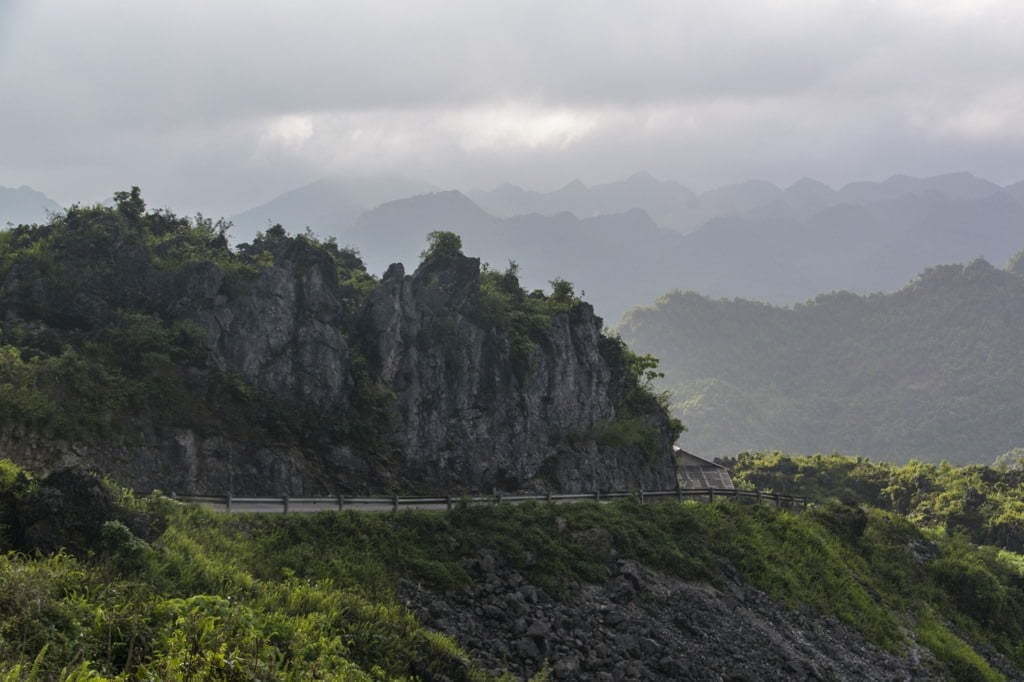
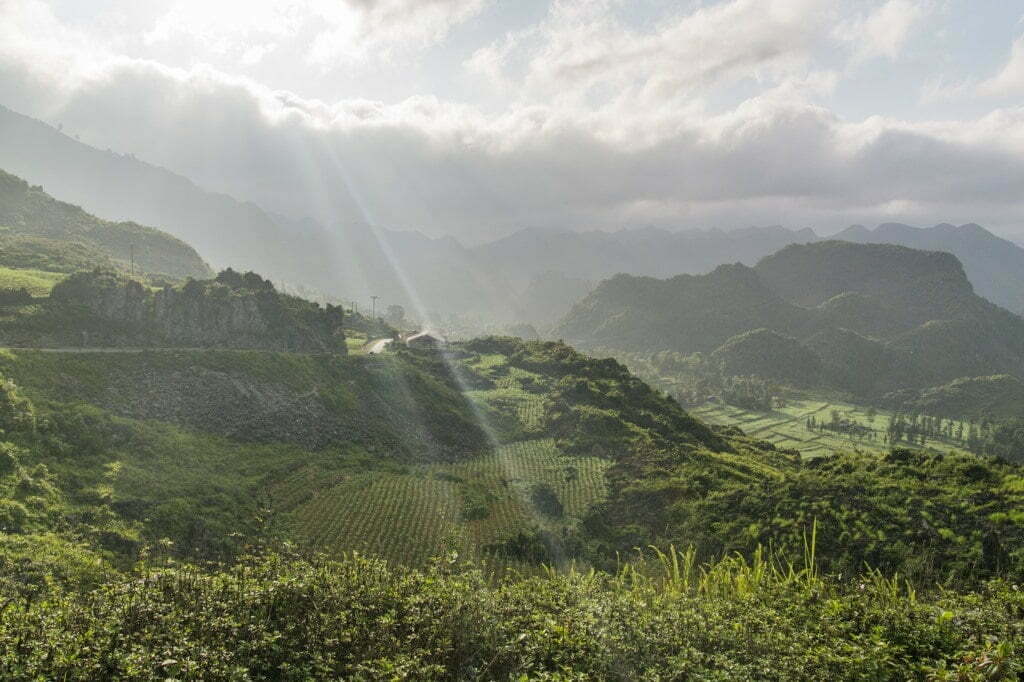
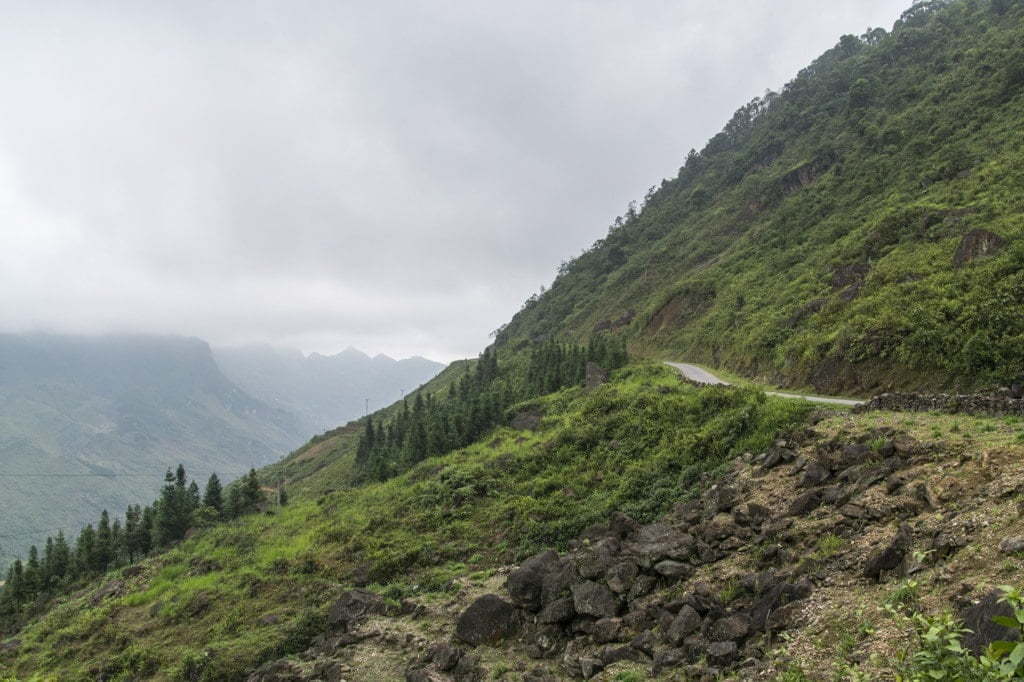
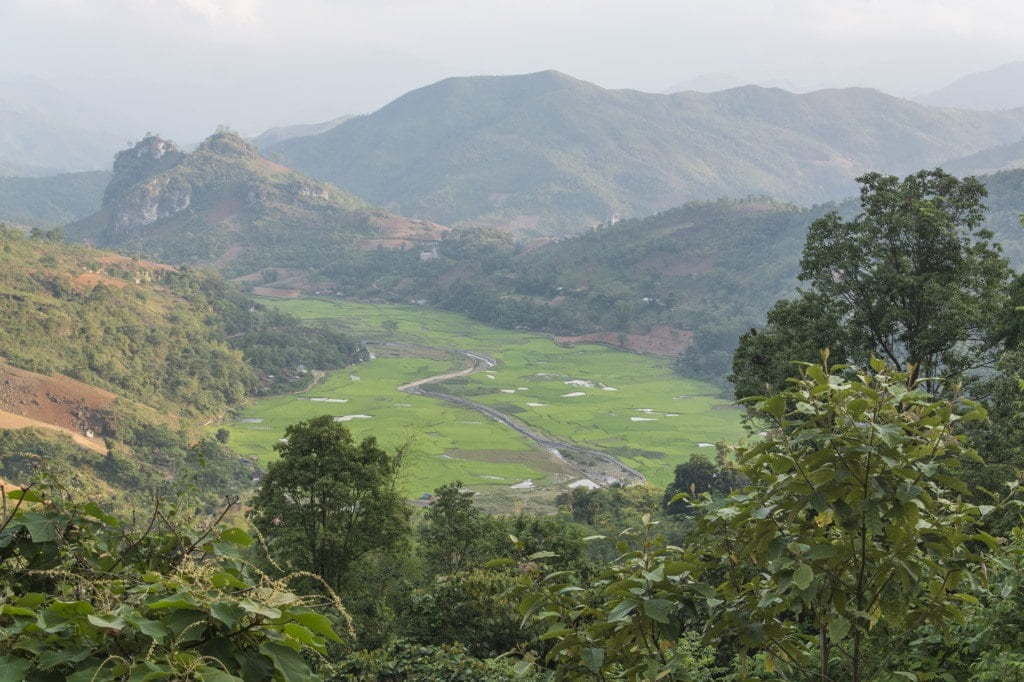
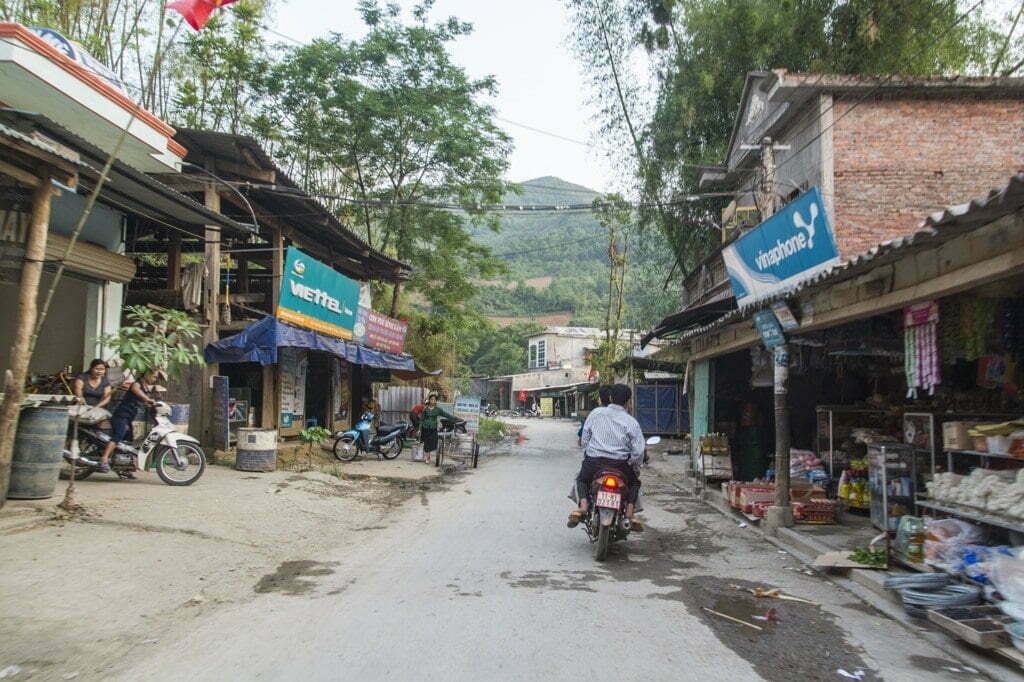
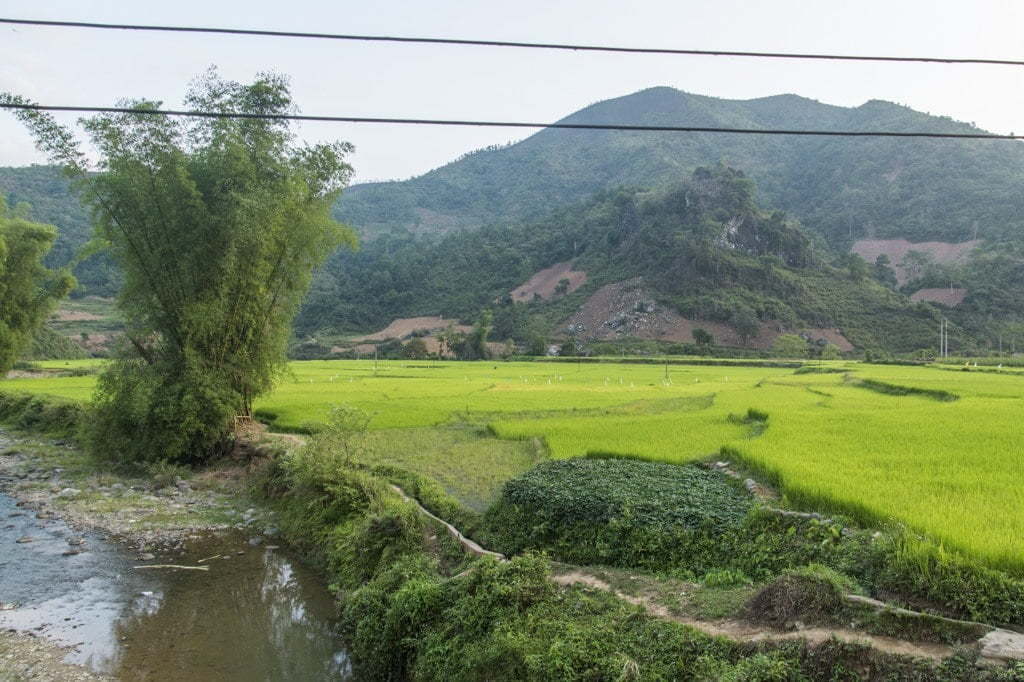
On the last part before reaching Bao Lac, we passed through some villages, rice paddies and landscapes that were a little less impressive (well, especially after seeing Ma Pi Leng… it seemed almost “bland”), but, as a consolation prize, we were treated to a lovely spot and viewpoint over the mountains at sunset.

Before finishing the last 30 kilometers at night… once again. So it was around 19:30 p.m. (at least we are regular in terms of arrival timing, lol) that we arrived at Bao Lac.
Where to stay in Bao Lac?
We continued along this road in poor condition, wondering if there was really a city center here. We came across a few hotels, but it was only after a bridge, next to which was the market (ordinary, not the ethnic one, although it may take place in the same place, but in everyday life it has much less charm...) that we found our happiness.
A hotel, which we could see from the bridge, quickly caught our eye, because, let's face it, motorcycling is exhausting , so finding a decent hotel makes a bit of sense to be able to recover from the day; and given the price, why not? (Except, as an aside, and this applies to all hotels in the north, with the exception of Hanoi, the mattresses were always hard…)

So we put our suitcases down at the Duc Tai Hotel (for a price that I will put when I have my hands on this famous notebook… But less than $20 for sure).
I had spotted a spot , just before reaching the bridge, with restaurants and the place seemed a bit lively. That's where we'll eat our dinner, in this restaurant that looked like a kind of canteen.

As it was the first time we saw a café that was rather "designer" and with a different, welcoming setting, it attracted us like flies and we decided to sit there to have a dessert.

