


Header photo: SHori , CC BY 4.0 , via Wikimedia Commons
Coffee remains my favorite drink and seems to be increasingly popular with the Japanese. This doesn't stop me from being interested in tea, and even less from appreciating the verdant landscapes of its plantations.
In Japan, this drink remains deeply rooted in habits and traditions: on a daily basis, people mainly consume infused green tea, while matcha is closely associated with chadō (“the way of tea”), the famous tea ceremony.
Whether you are a tea lover or, like me, simply appreciate these settings with perfectly aligned shrubs, several major producing regions can easily be integrated into a classic itinerary: Wazuka from Nara, Uji from Kyoto, Shizuoka between Tokyo and Kansai, or Kagoshima during a stay in southern Kyushu.
Each one presents a different face of this culture, with its own varieties and production methods.
Japanese tea is not limited to matcha.
If, like me before I became interested in it, you mainly associate Japan with matcha, you should know that Japanese tea actually covers very different preparations.
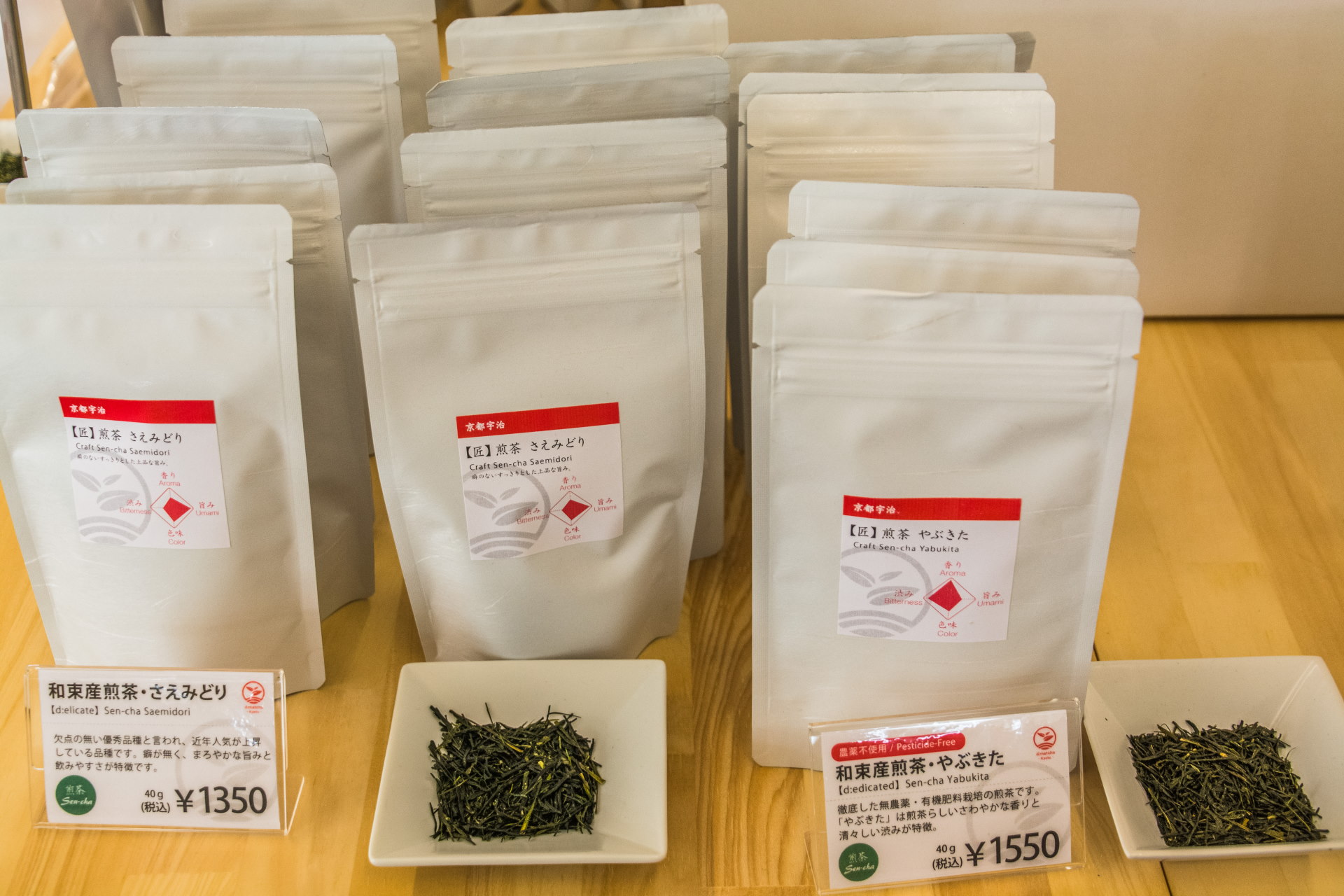
We can notably distinguish:
- Sencha, obtained from steamed and then rolled leaves, remains the most common green tea.
- Gyokuro, produced from tea trees shaded before harvest.
- Hōjicha, which is distinguished by the roasting of its leaves.
- Genmaicha, a mixture of green tea and roasted rice.
- Finally, matcha, a very fine powder obtained by grinding tencha, itself produced from shade-grown tea plants.
A single region can therefore produce several styles of tea. If you are interested in this topic, Wikipedia offers a page listing the different Japanese teas , allowing you to identify the main varieties before tasting them in Japan.
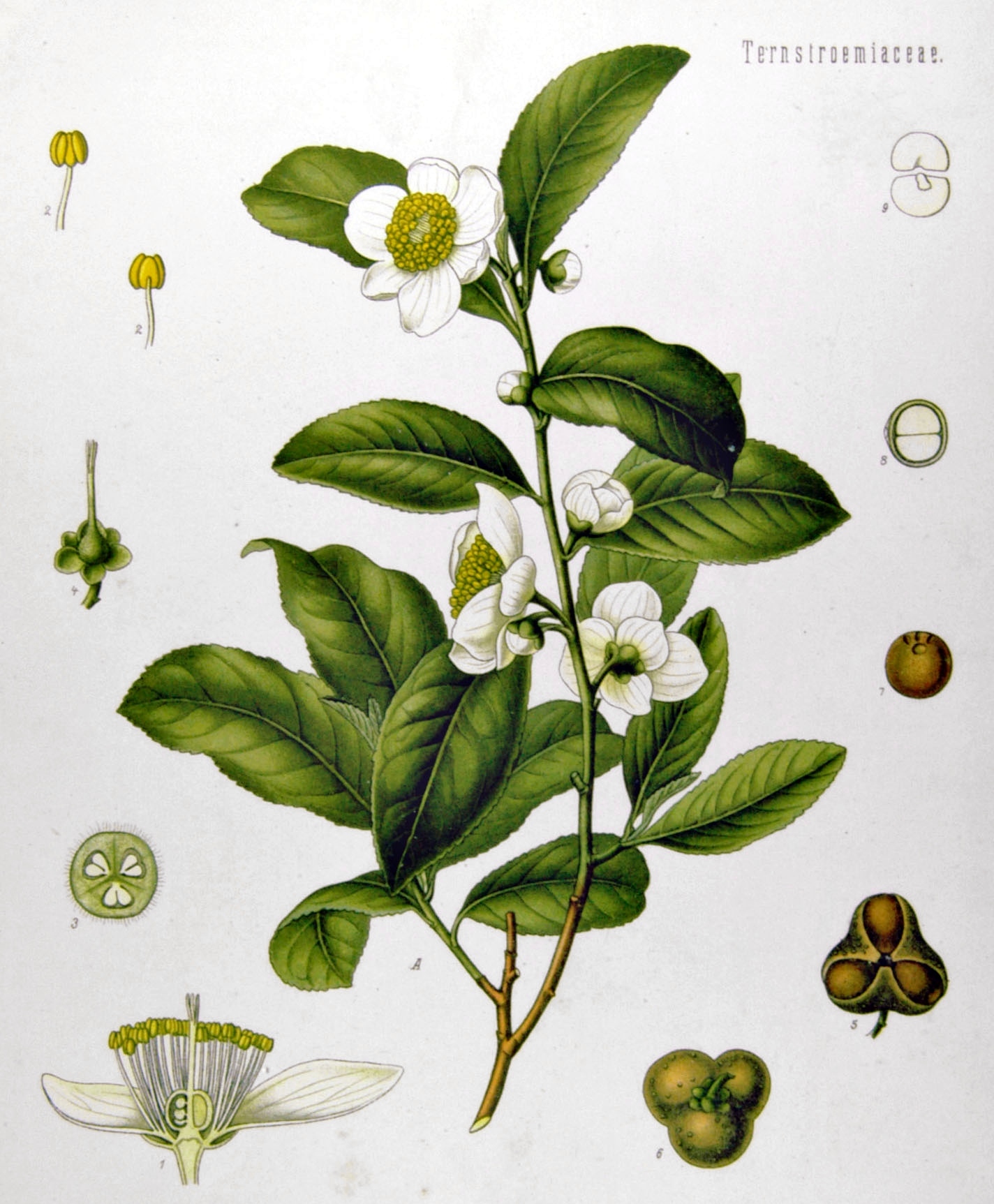
The Chadō: When tea becomes a ritual
I couldn't imagine tackling an article focused on tea in Japan without discussing in more detail the chadō (also referred to as sadō or chanoyu), which occupies an important cultural place.
Literally meaning "the way of tea", this practice is generally based on the preparation of matcha: the host measures the powder, adds hot water and whisks the mixture in front of his guests according to a precise sequence of gestures.
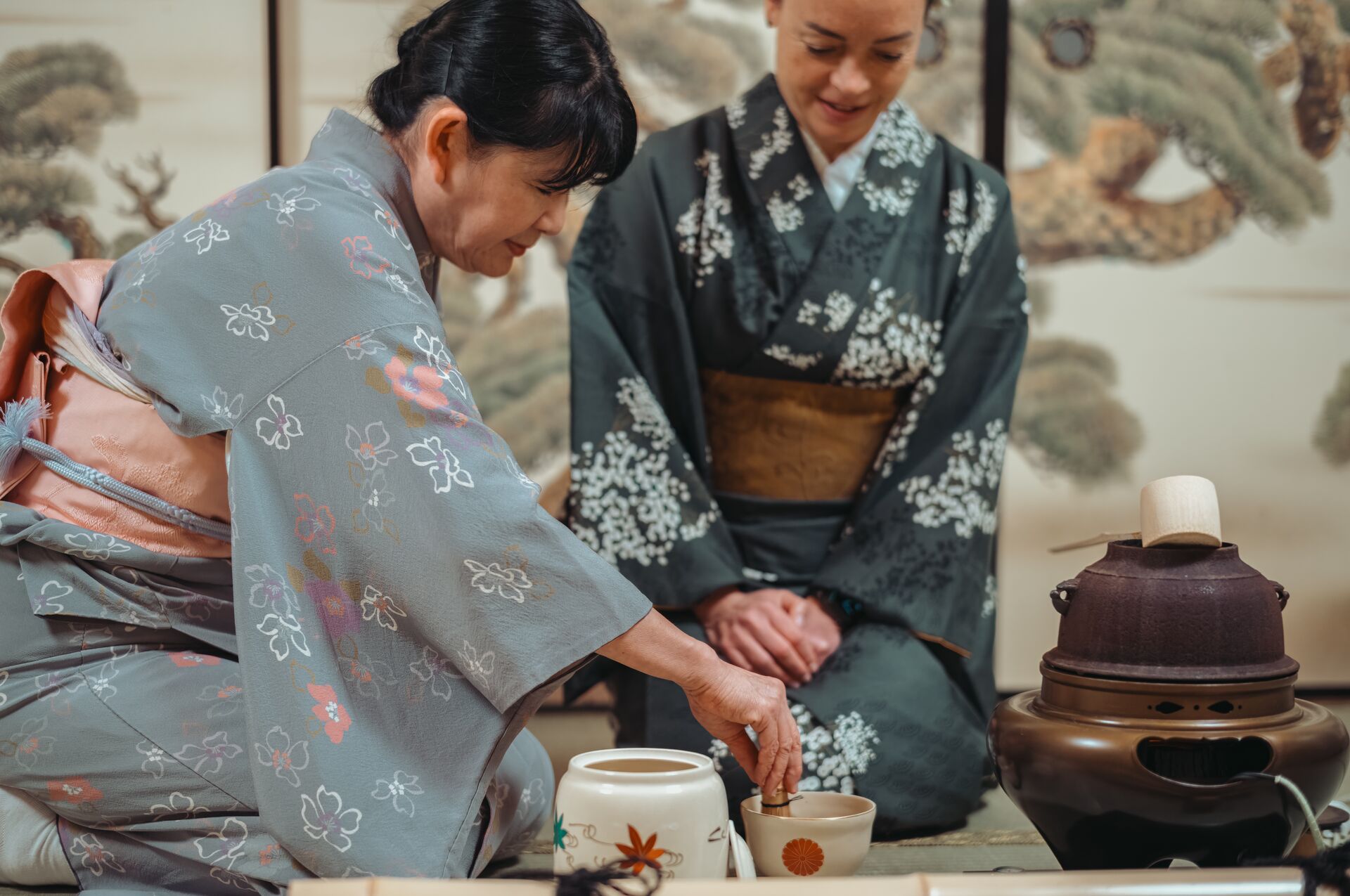
But the chadō goes far beyond this simple protocol: the bowl, utensils, calligraphy, flowers, and pastries that accompany it also contribute to the experience. Note that a distinction is made between the chakai, a shorter and generally informal gathering, and the chaji, a more elaborate and codified meeting.
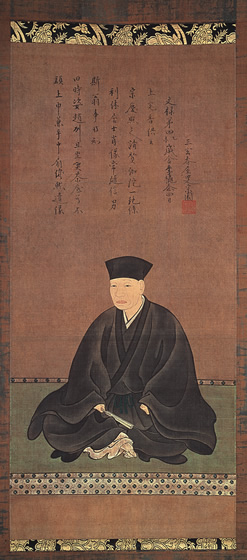
In the 16th century, the tea master Sen no Rikyū greatly contributed to perfecting this ritual and transforming it into a practice that was simultaneously aesthetic, spiritual, and social. The Urasenke school encapsulates its spirit around four principles: harmony, respect, purity, and tranquility.
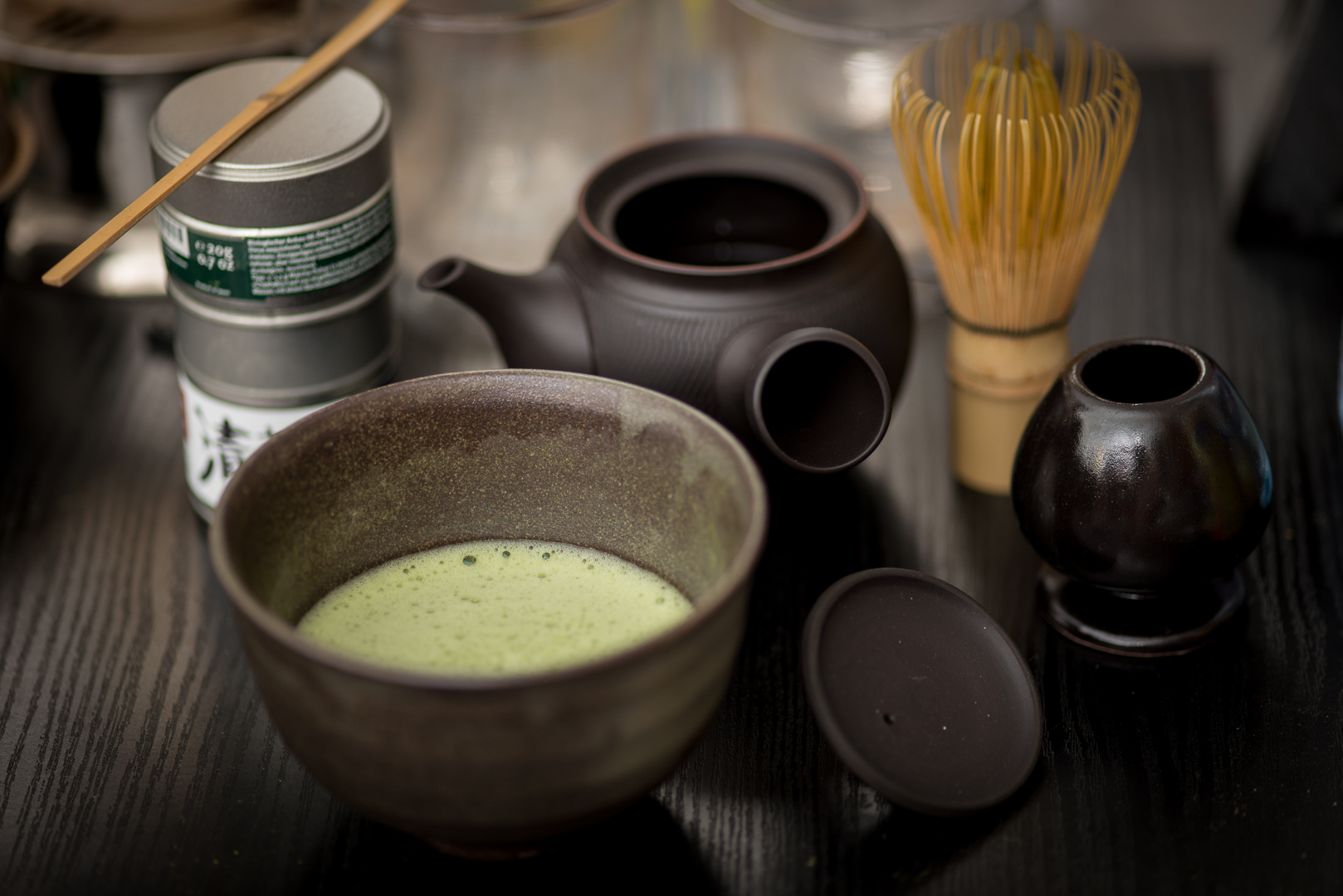
Kyoto is particularly linked to this tradition and offers numerous ceremonies and initiations. This experience perfectly complements a visit to a plantation: the former allows you to discover the gestures and the relationship between the host and their guests, while the latter helps you understand the terroir and the production process.
Uji and Wazuka: the tea region to discover from Kyoto
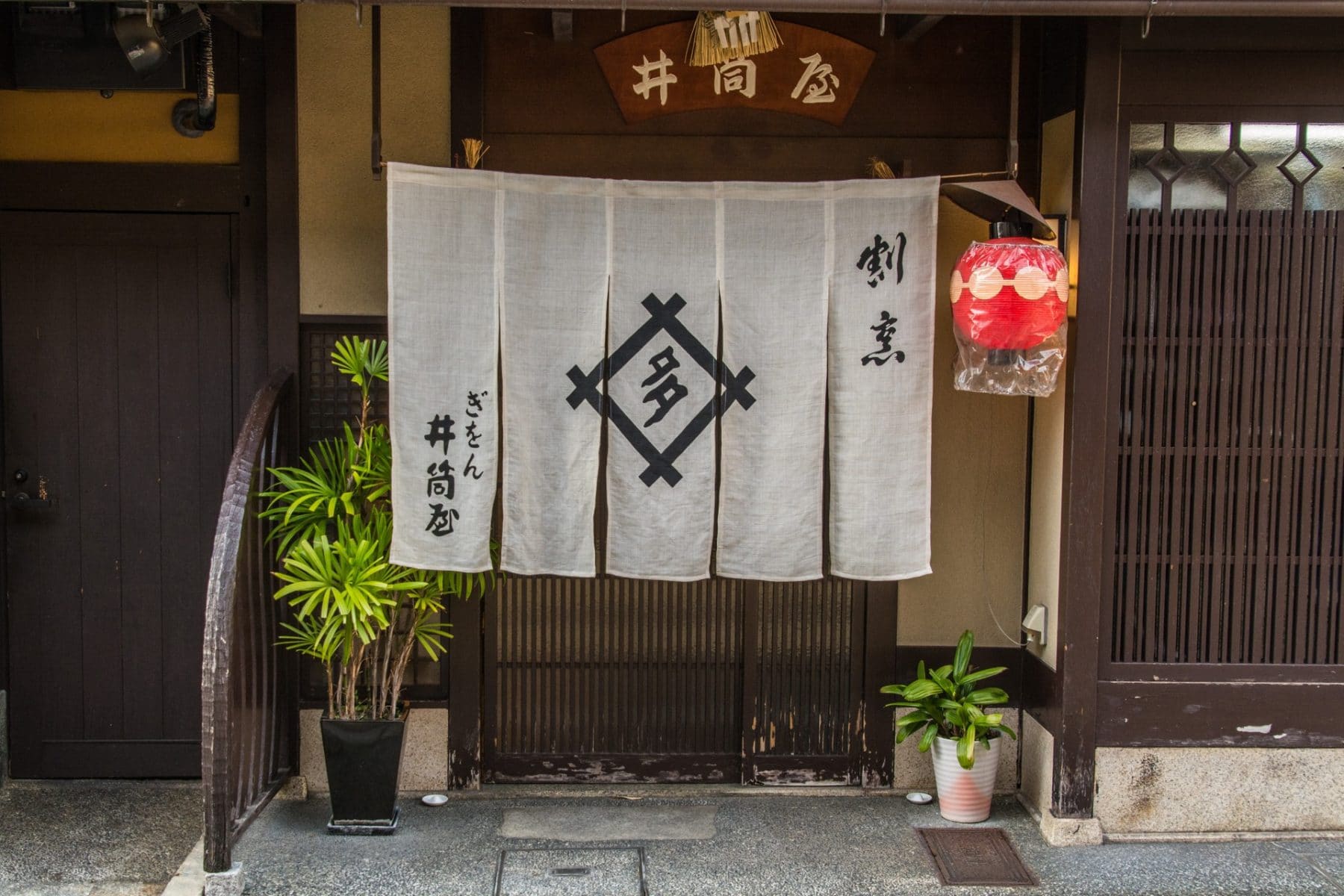
For a first trip between Kyoto , Osaka , and Nara , southern Kyoto Prefecture is the easiest choice. Uji is easily accessible by train from Kyoto. The town combines tea houses, tea-making workshops, specialty shops, and historical sites like Byodo-in. It's a good introduction to tea culture, but the landscape is more urban than in Wazuka.
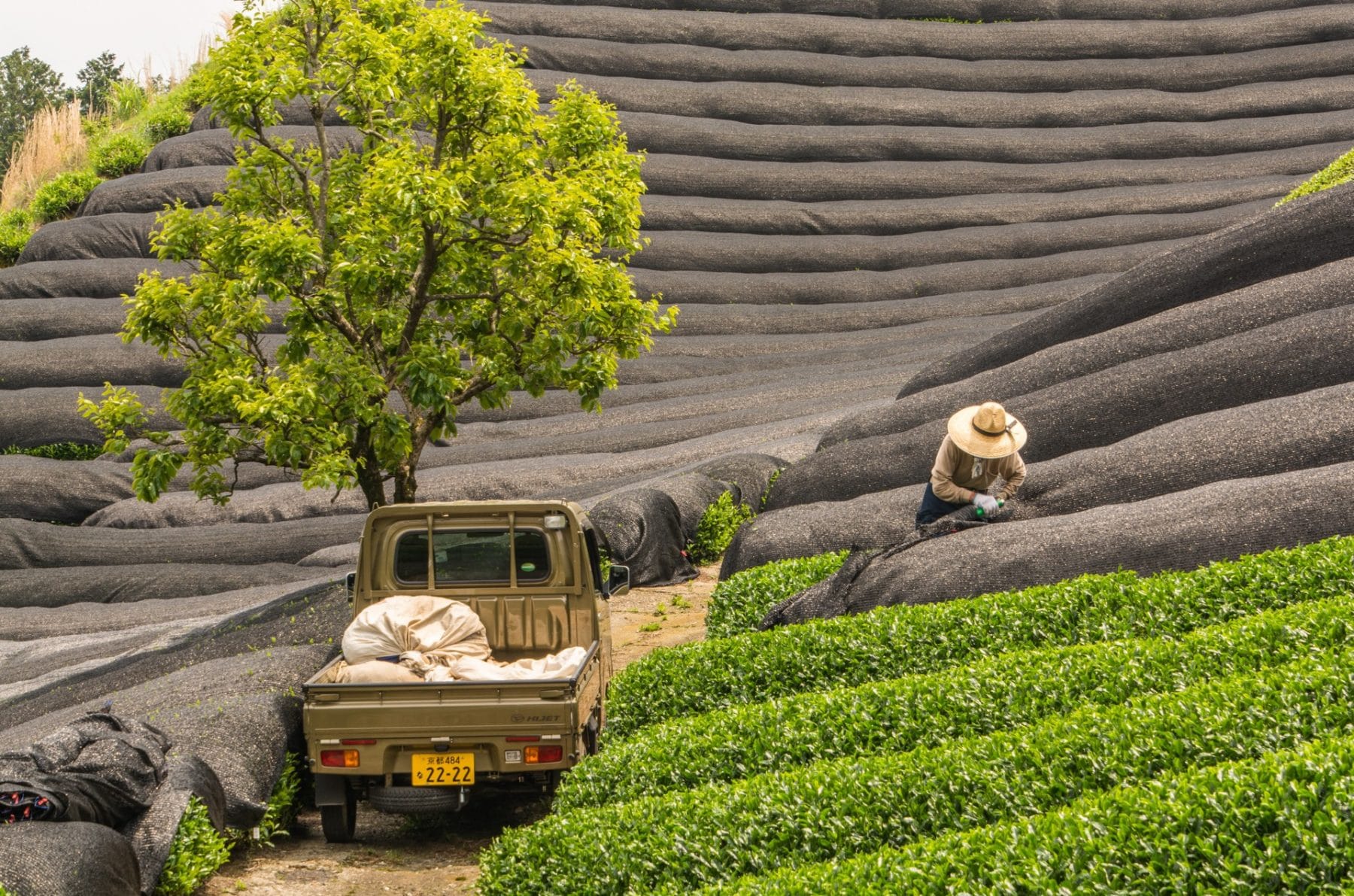
Located further east, Wazuka offers views of beautiful tea plantations nestled in the mountains. Rows of tea bushes follow the slopes around the houses, creating a still very active agricultural landscape. During my visit to the village, I chose to explore it by bicycle: a perfect way to reach different cultivated areas and take the time to stop and admire the scenery.
→ I describe this day in detail in my article about a bike ride in the Wazuka tea plantations.

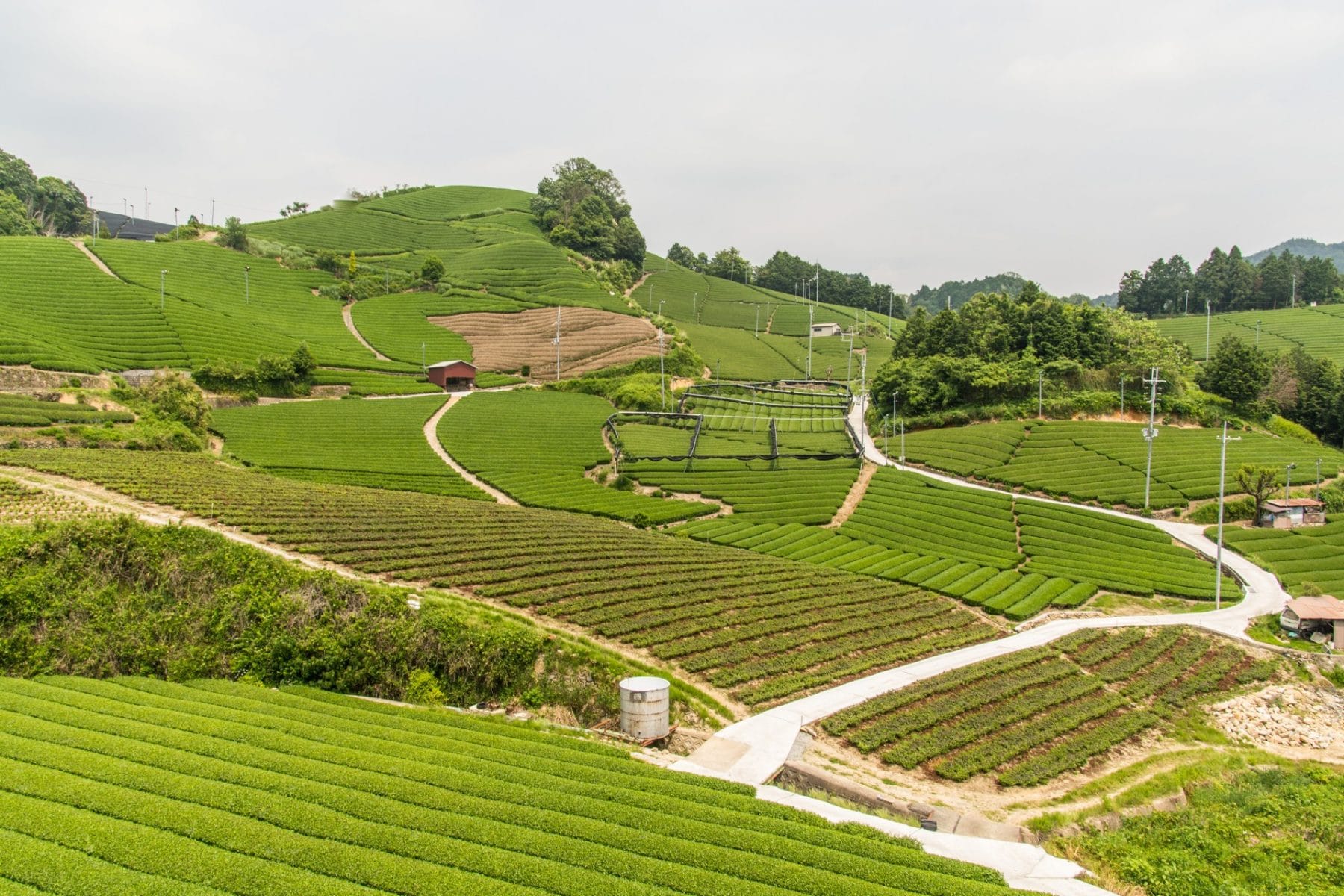
Wazuka requires more planning than Uji. Public transport is limited, so you'll need to get to Kamo Station and then take a bus or taxi. Since the plantations are privately owned, you must stay on public roads and paths, or arrange a guided tour to enter a plantation.
Shizuoka: Tea plantations on the road from Tokyo to Kyoto
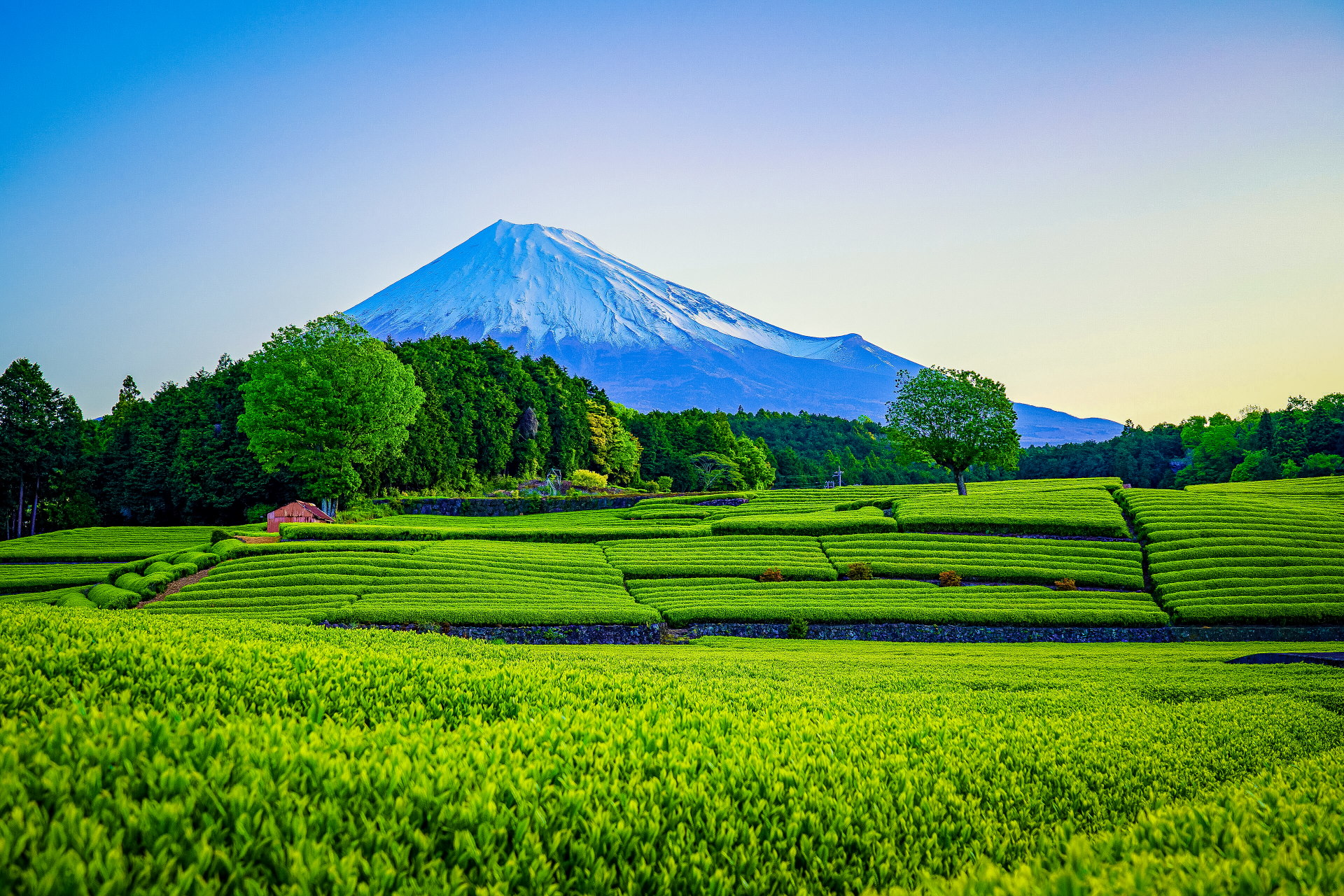
Shizuoka is the easiest stop to include in a trip between Tokyo and Kyoto. The prefecture stretches along the Tokaido Road at the foot of Mount Fuji, and its tea plantations cover both plateaus and mountain slopes. On a clear day, in some areas, the rows of tea bushes blend seamlessly with the silhouette of the volcano, but this view is, of course, weather dependent.
The region is particularly suitable for travelers who wish to understand larger-scale production. The Shizuoka Tea Museum in Shimada traces the history of the beverage, showcases its processing methods, and features a garden and a teahouse.
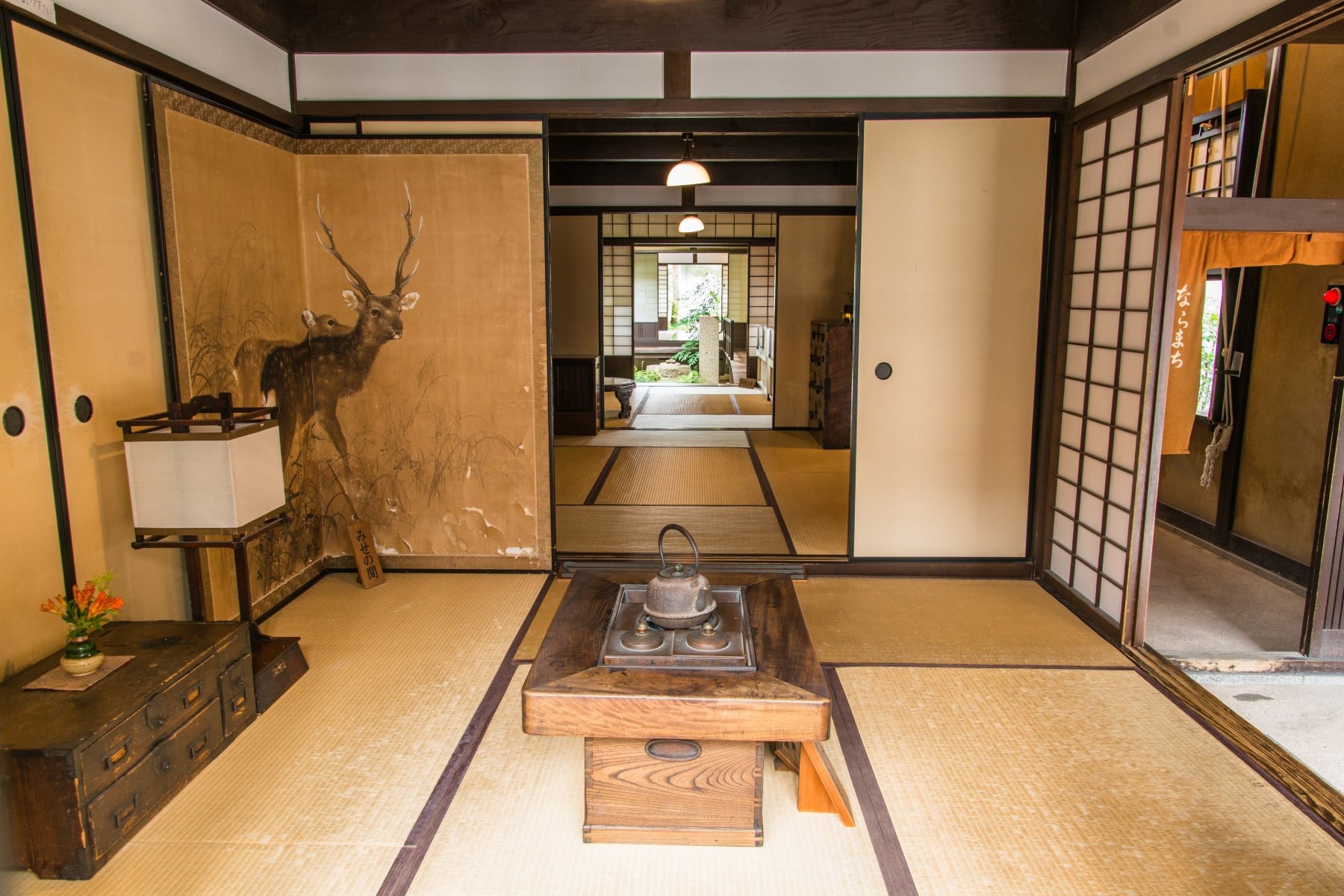
Around Shizuoka, the Nihondaira, Makinohara or Oi Valley areas offer other opportunities for visits, tastings and, depending on the season, fruit picking.
A simple stopover allows you to discover a museum or a tea house, but an overnight stay gives more freedom to reach a farm located away from the main roads.
Shizuoka should therefore not be considered merely as a technical stop between two cities: the prefecture can easily occupy a full day, especially if the trip already includes Mount Fuji or the Izu Peninsula.
Kagoshima and Chiran: tea from southern Kyushu
Kagoshima only makes sense as part of a trip to Kyushu. From Tokyo or Kyoto, the detour would be considerable for a single visit focused on tea. However, the region fits well into an itinerary that includes Kagoshima City, the Sakurajima volcano, Chiran, and perhaps the Ibusuki hot springs.
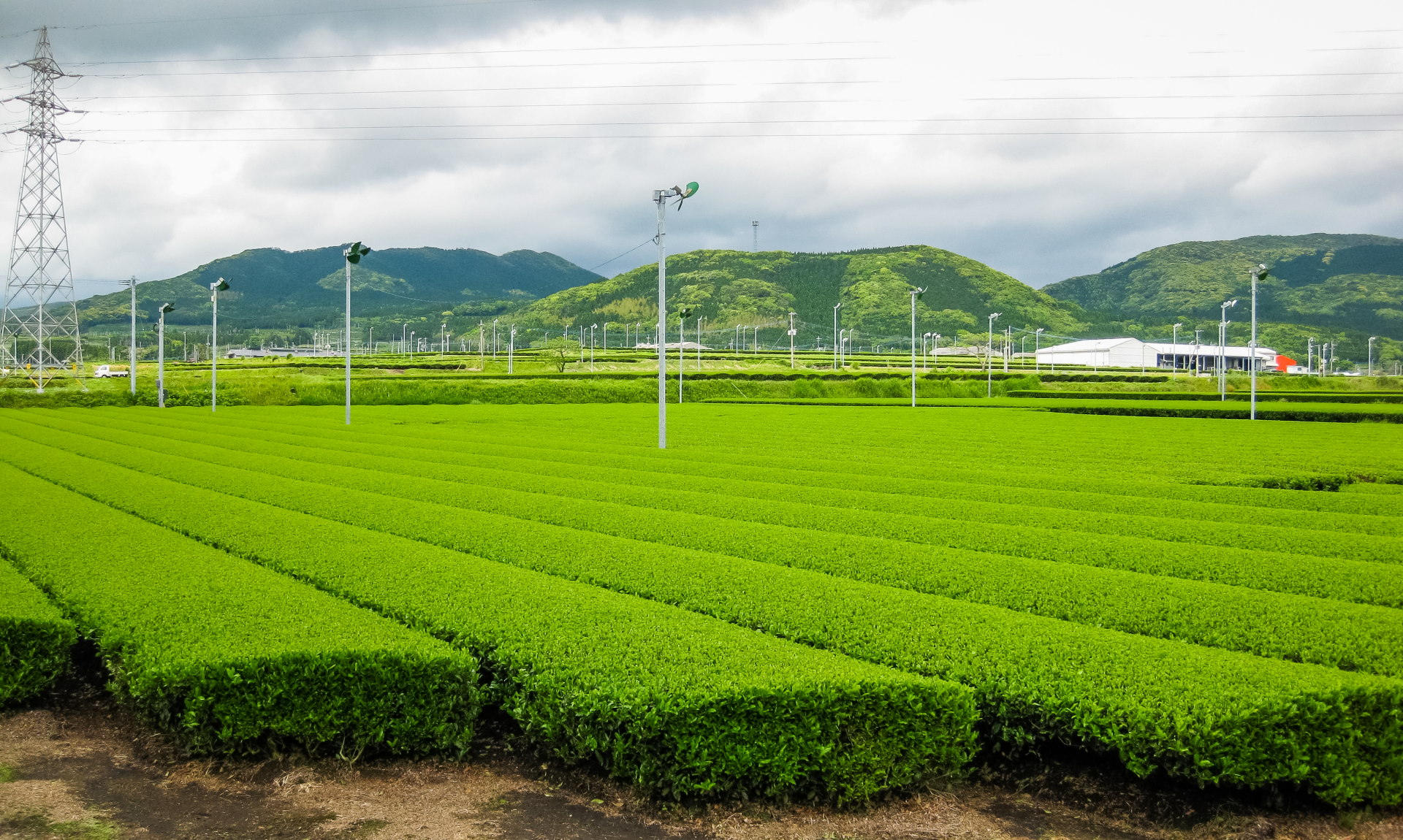
The warmer climate allows for the harvest of the first new teas of the year earlier than in central Japan. The Chiran, Kirishima, and Shibushi areas are among the prefecture's main tea-producing regions. In Chiran, the plantations can be combined with a visit to the old samurai residential district. This combination gives the experience more than just a tea tasting.
The distances and infrequent public transport make a car particularly practical for exploring the rural areas of Kagoshima. This region is therefore less suited to travelers making their first Tokyo-Kyoto trip than to those spending several days in southern Kyushu.
Which tea region should you choose during a trip to Japan?
| Region | To be integrated into… | Why choose it? |
|---|---|---|
| Uji and Wazuka | Kyoto, Nara and Osaka | Tea culture, temples and agricultural landscapes in Kansai. |
| Shizuoka | Tokyo, Mount Fuji and Kyoto | Plantations, tea museum and a stop on the Tokaido route. |
| Kagoshima and Chiran | Tour in southern Kyushu | Early harvests and the historic Chiran district. |
When is the best time to visit tea plantations?
Tea plants remain green year-round, but spring is the most interesting time to observe activity in the plantations. The first harvest, known as shincha, usually begins earlier in Kagoshima, sometimes as early as the end of March, and then progresses northward during April and May. The dates vary depending on altitude, weather, and the type of tea being cultivated.
The fruit-picking workshops are therefore only offered during specific periods and often require booking. Outside of harvest time, tours, tastings, and museums remain open. Summer can be hot and humid, while autumn offers more pleasant temperatures for walking or cycling. In winter, agricultural activity is quieter, but the orchards retain their distinctive shapes.

Tea, another way to discover Japan
During our visit to Wazuka, we had already seen other tea plantations and were familiar with the basics of how they operated. This did not detract from the interest of the visit: we had come primarily for the scenery and to see how these crops were integrated into the hills of the village.
Ultimately, this is what makes each region interesting. Even when the concept of plantations is already familiar, the topography, the extent of the crops, and the local specialties give each visit a distinct character. Tasting or learning about chadō then complements this discovery, without being its sole appeal.


