


When you think of Bangkok , you think of its majestic temples, its street food, its bustling streets, and its canals. But there's also its river, the Chao Phraya. Yet, how many visitors actually use the public boats to get around its banks? If you're unfamiliar with the system, the different flag colors, companies, and docks can quickly make this mode of transport confusing.
The operation of these services is constantly evolving, with modernization work making platforms more accessible, but also lines whose schedules and stops change regularly. It's not always easy to find your way around.
That's why an update to this article was necessary. The famous orange-flagged boat no longer operates all day, while the more modern electric ferries of Thai Smile Boat are taking up an increasingly important place.
These public services should also be distinguished from the Chao Phraya Tourist Boat , designed to connect the main tourist sites.
First, I'll explain how to choose your boat, before going over the most interesting stops and what you can see around each one. I'll finish with other ways to navigate the river and a few places to eat or stay along the Chao Phraya, to complete this overview of an artery that's inseparable from life in Bangkok.
Chao Phraya, Bangkok's lifeblood
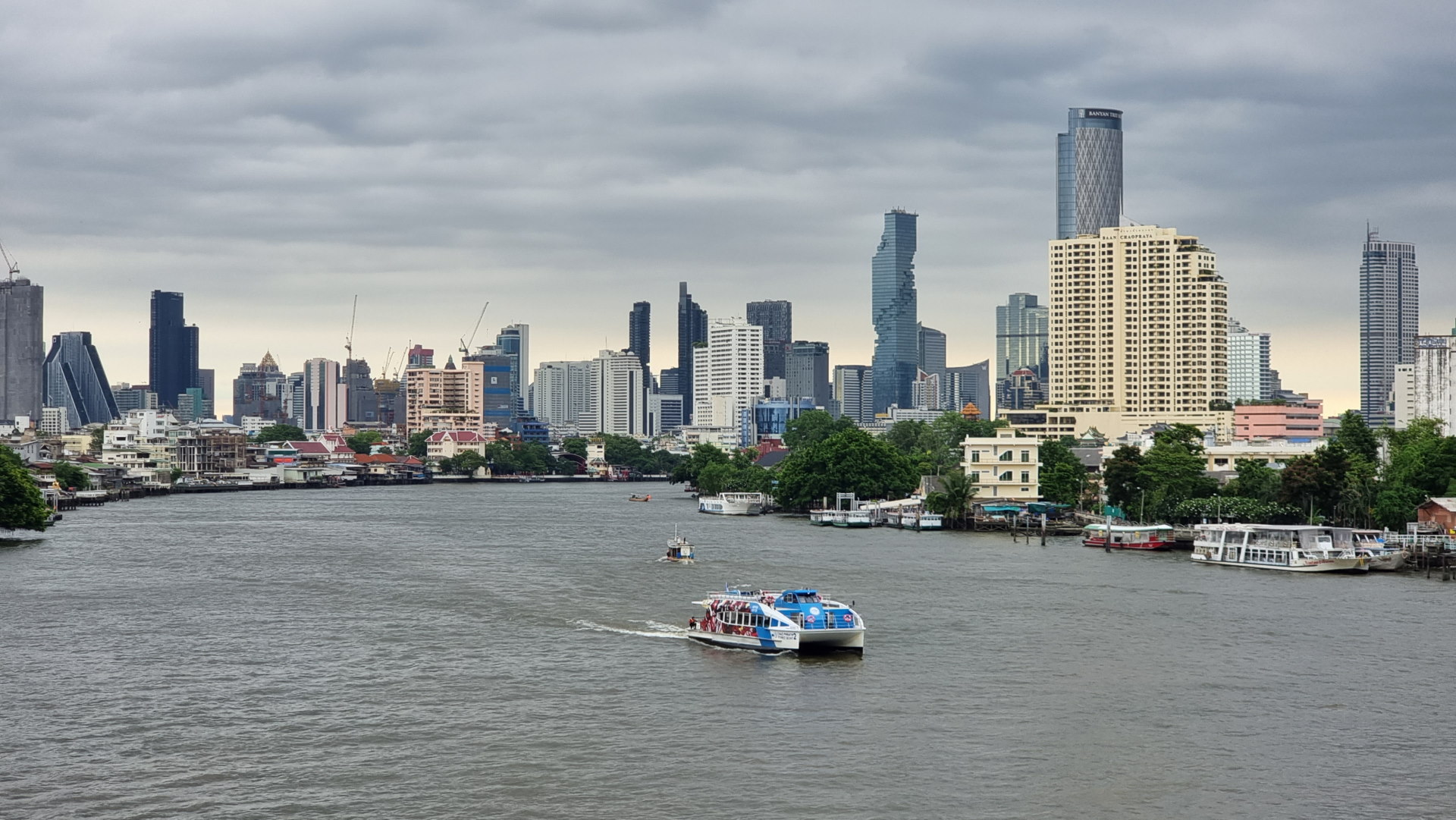
The river flows through the city from north to south, notably separating the historic districts on the east bank from those of Thonburi to the west. As a reminder, Thonburi was the capital of the kingdom before the founding of Bangkok and remained an independent city until 1971.
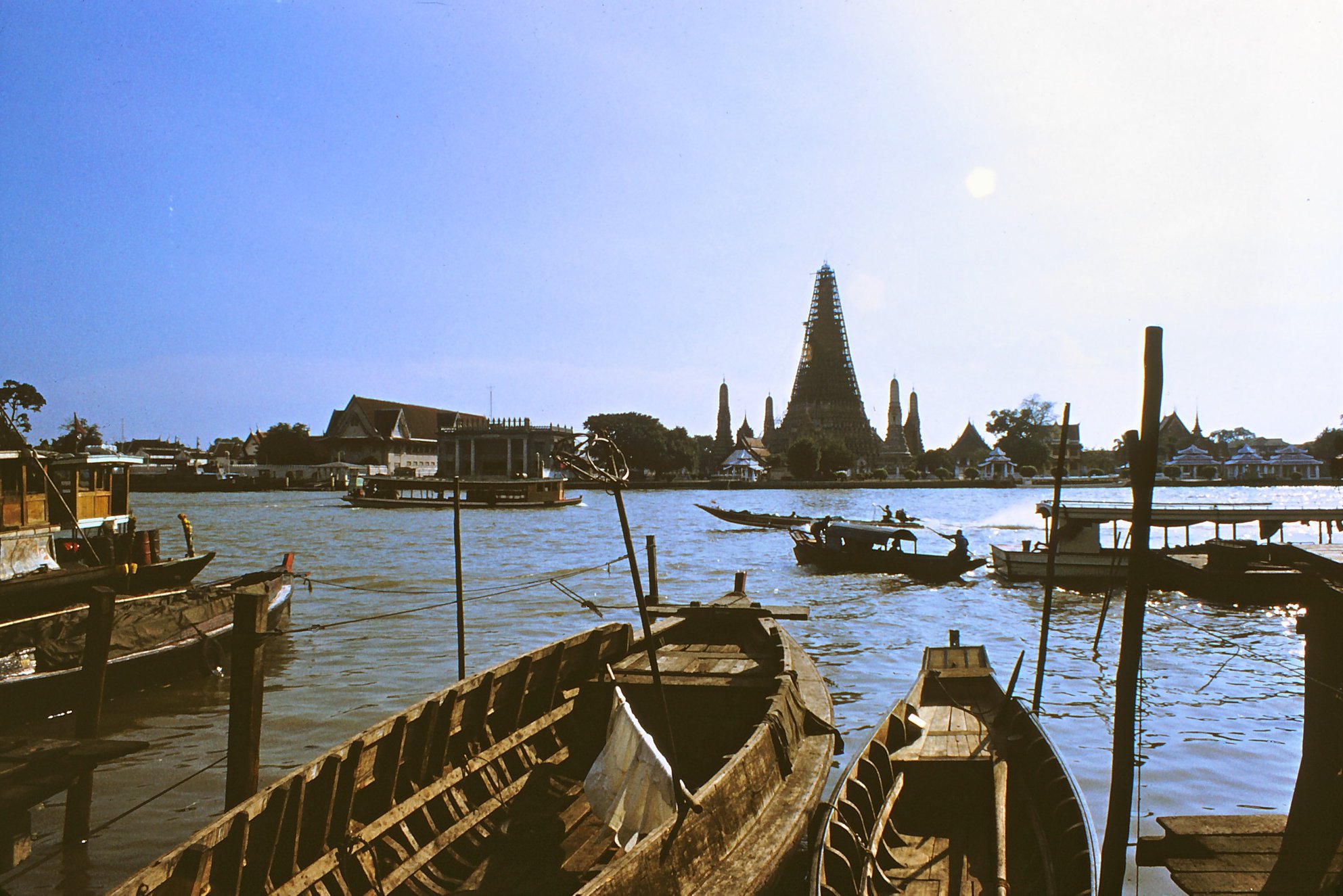
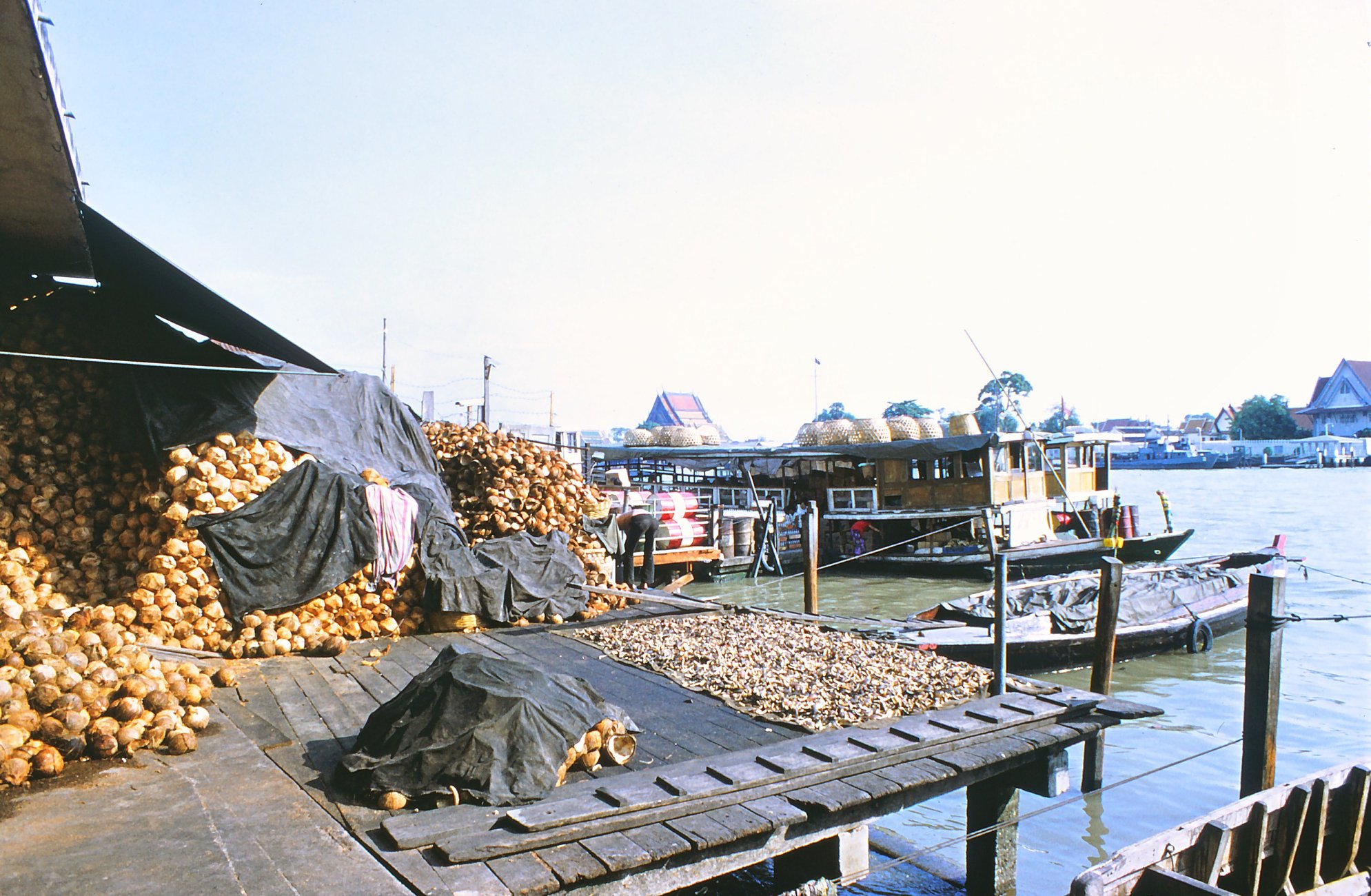
From the nearby town of Nonthaburi in the north, to the bend in the river south of Rama III, boats are an excellent means of transport to avoid traffic jams.
They also offer another perspective on Bangkok, between temples, modern buildings, old houses, markets and daily activity on the quays.
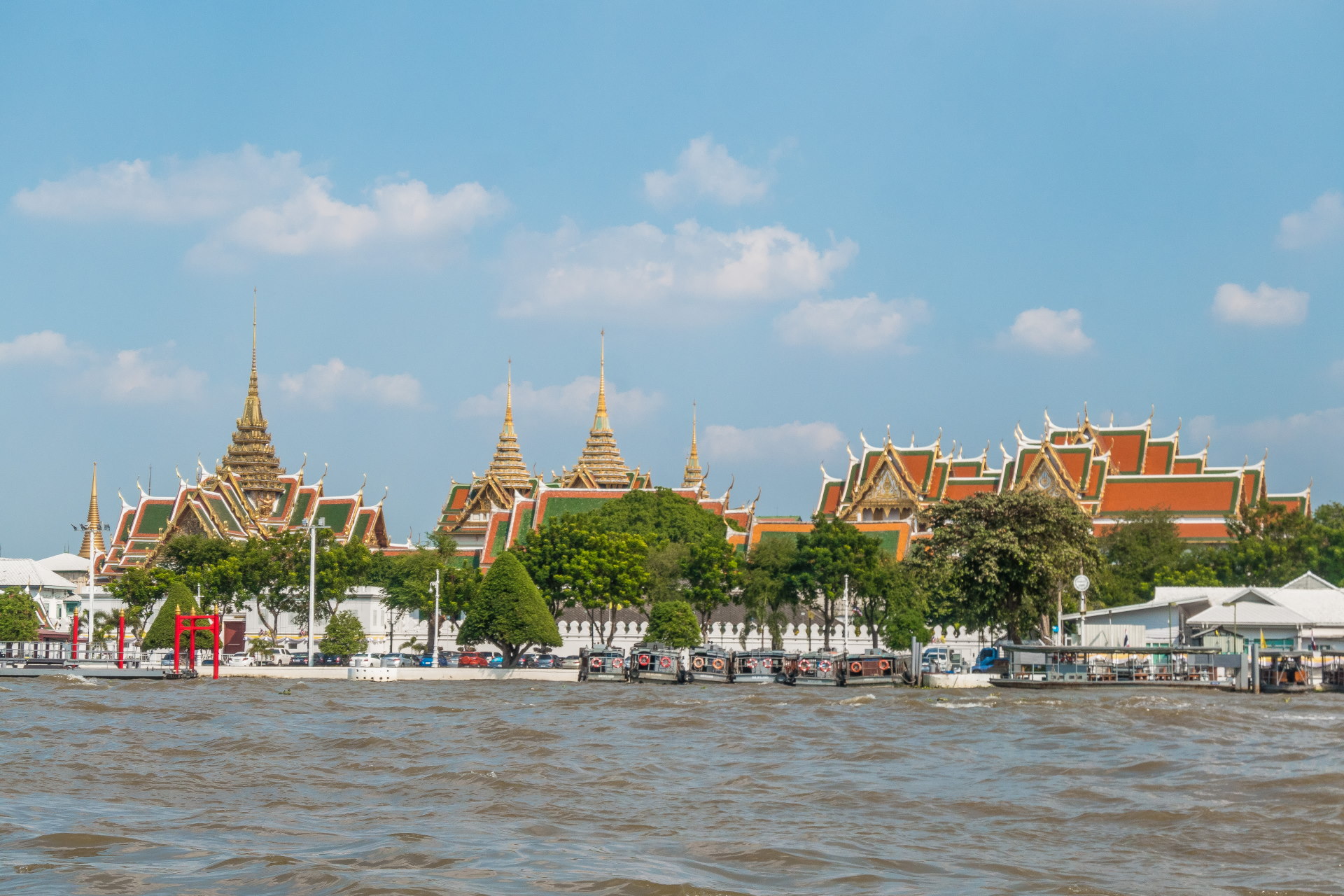
Which boat should I take on the Chao Phraya River?
Launched in 1971 (yes, that date again!), the Chao Phraya Express long dominated river transport in Bangkok. The company alone offered four lines covering different time slots, including several express services that only stopped at the main docks.
Today, the offering has expanded. A line specifically for tourists first appeared, with double-decker catamarans serving the docks near the city's main attractions, in improved comfort, but at a higher price.
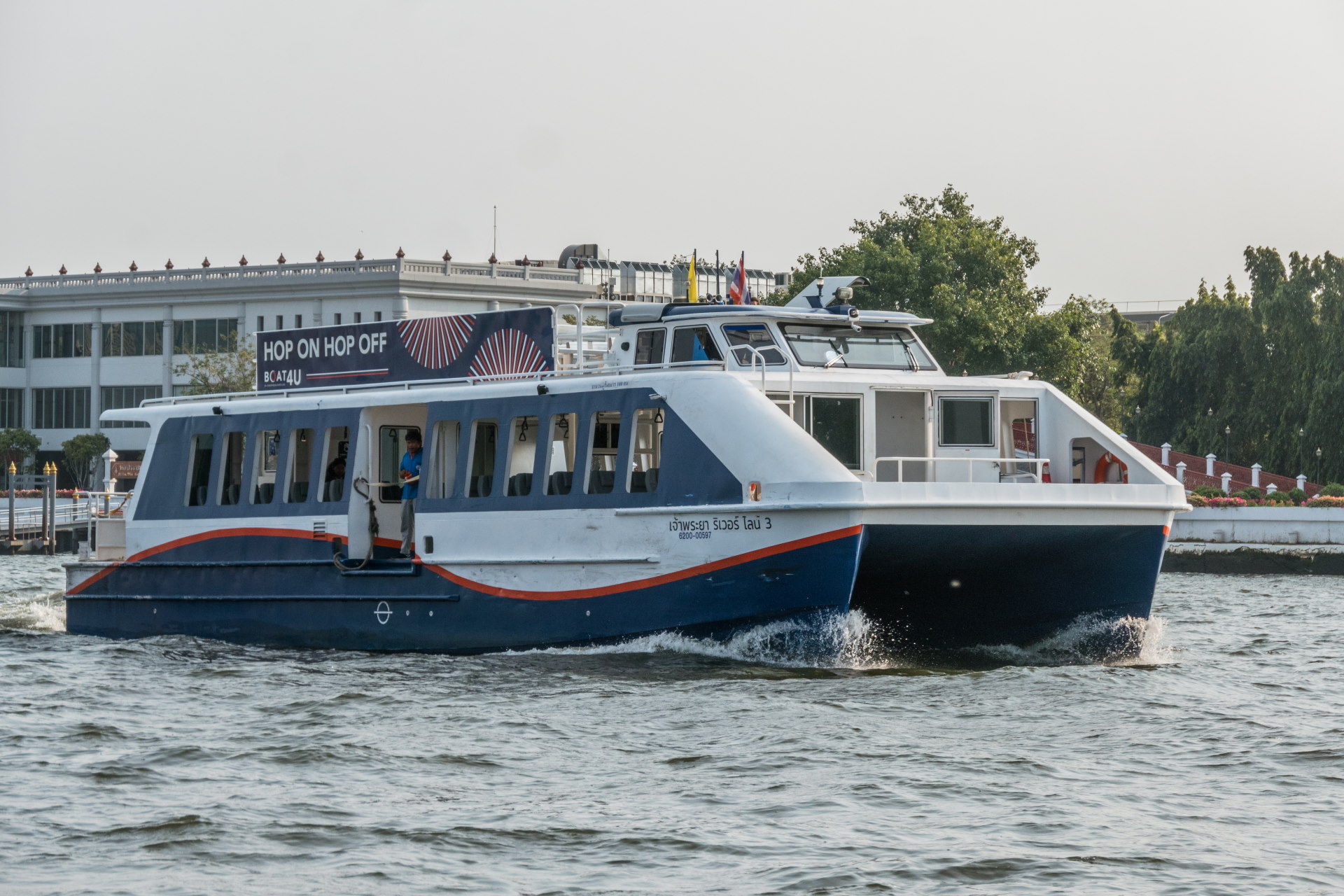
More recently, a new operator has joined the offering with electric catamarans that contrast with the diesel boats of the aging Chao Phraya Express fleet.
For its part, the Chao Phraya Express has begun modernizing its fleet, while also redesigning its routes and reorganizing its operations. Today, the choice therefore depends on the time of day, the pier you are at, and what you are looking for: a simple journey, greater comfort, or a day of sightseeing with several stops.
Chao Phraya Express Boat: traditional boats
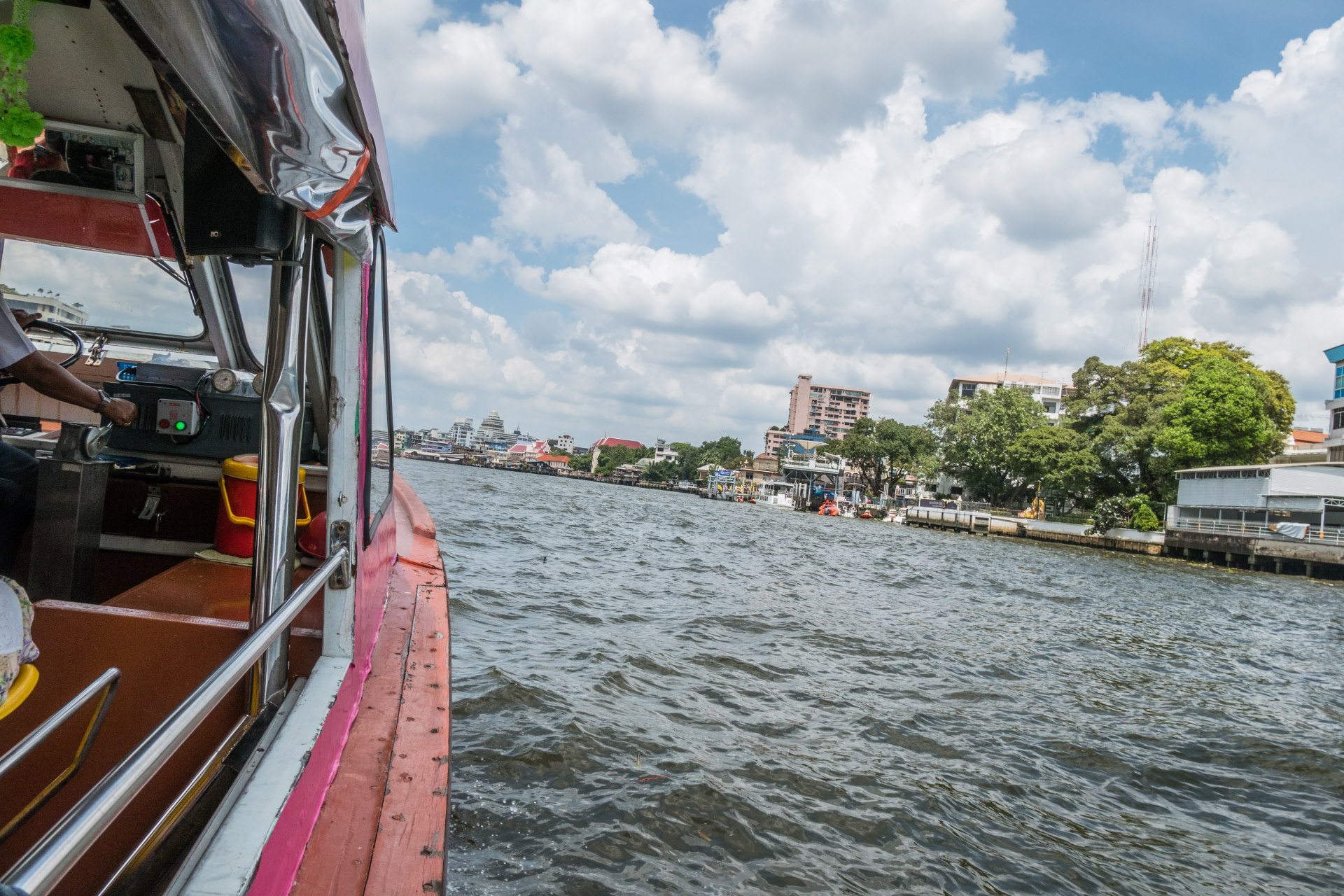
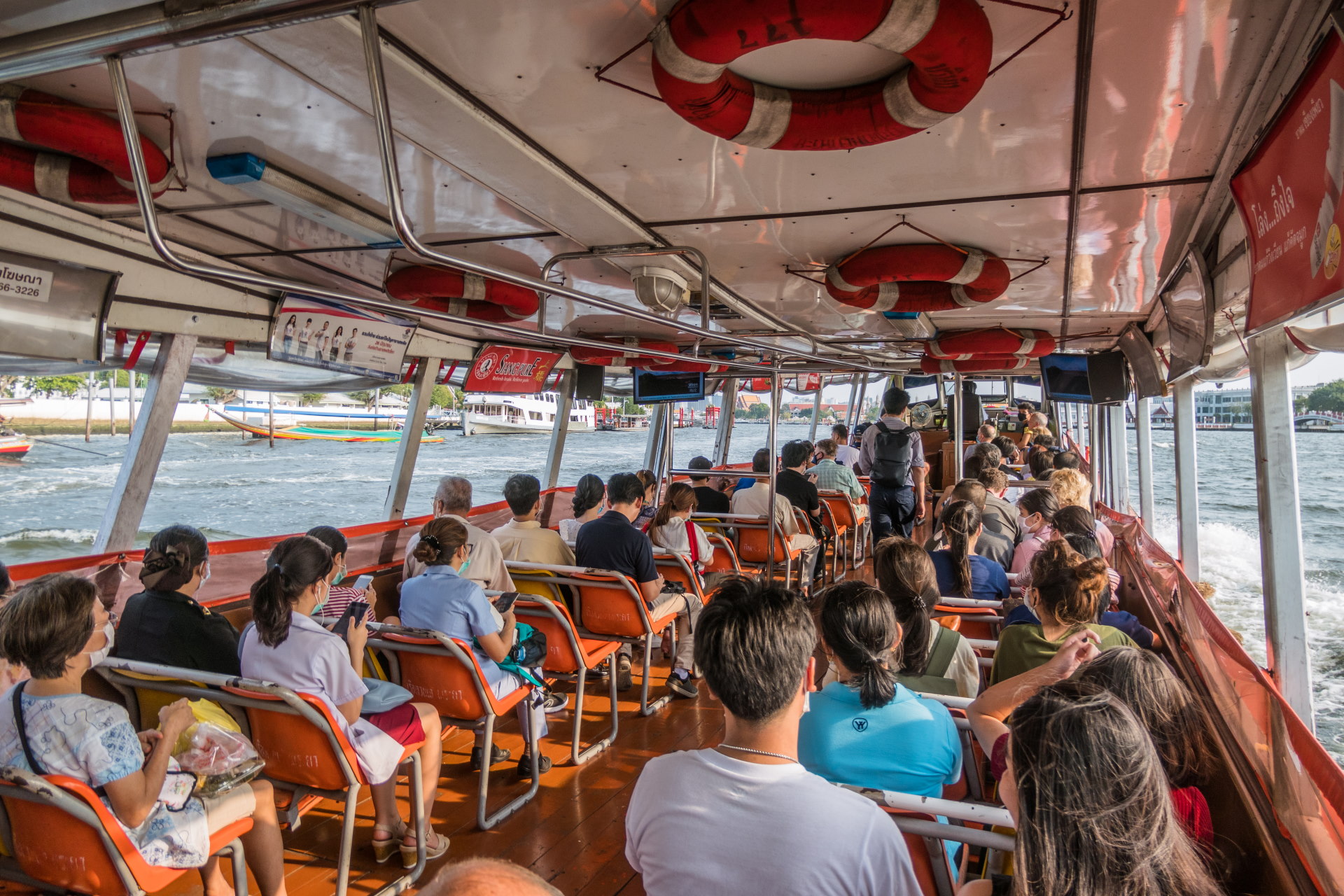
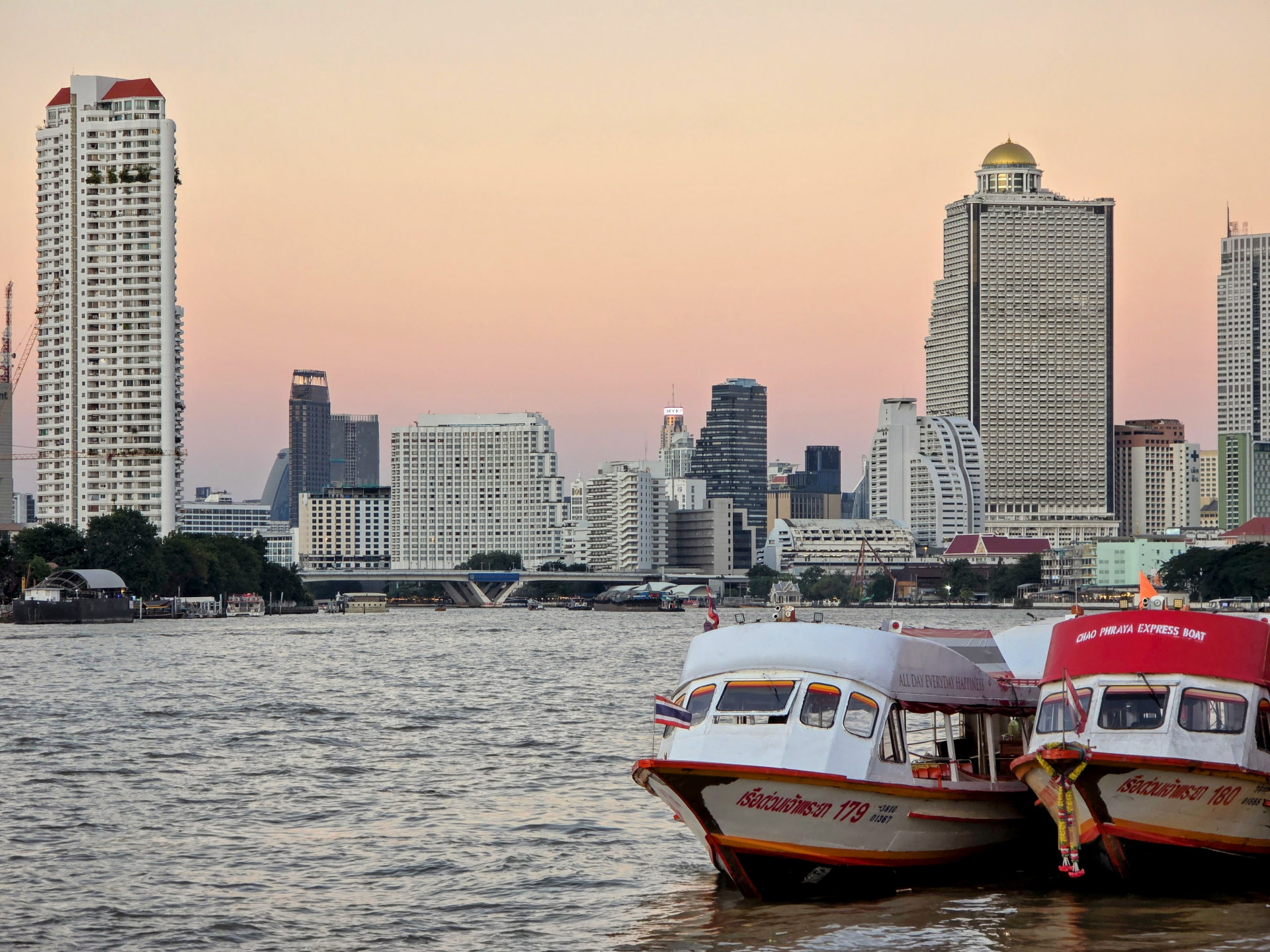
The Chao Phraya Express Boat remains the most traditional and historic way to experience the daily life of the river at a lower cost. The boats are identifiable by the color of the flag on the stern: orange, yellow, green and yellow, or red, depending on the route.
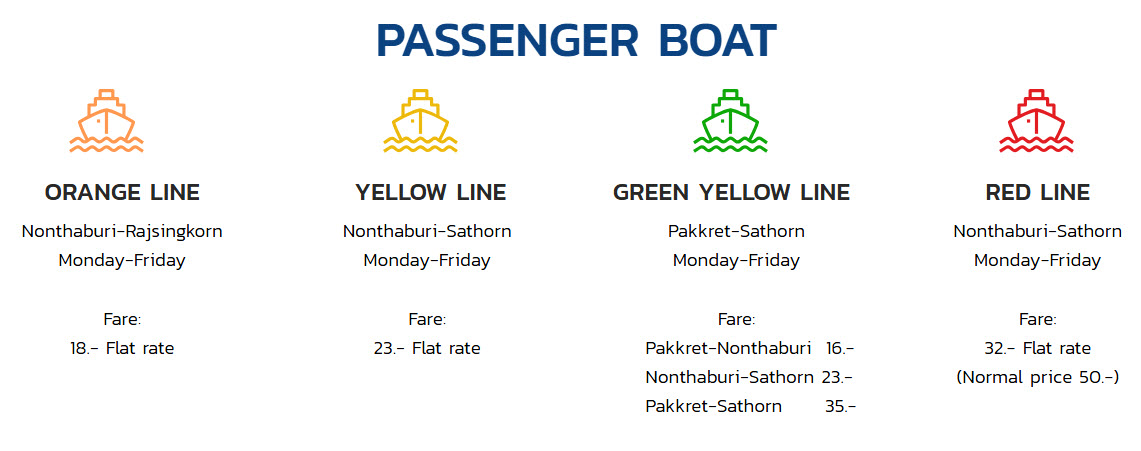
The main changes concern fares, which are now fixed on their routes rather than calculated according to distance as was the case before, but also the reorganization of schedules, in particular those of the famous boat with the orange flag.
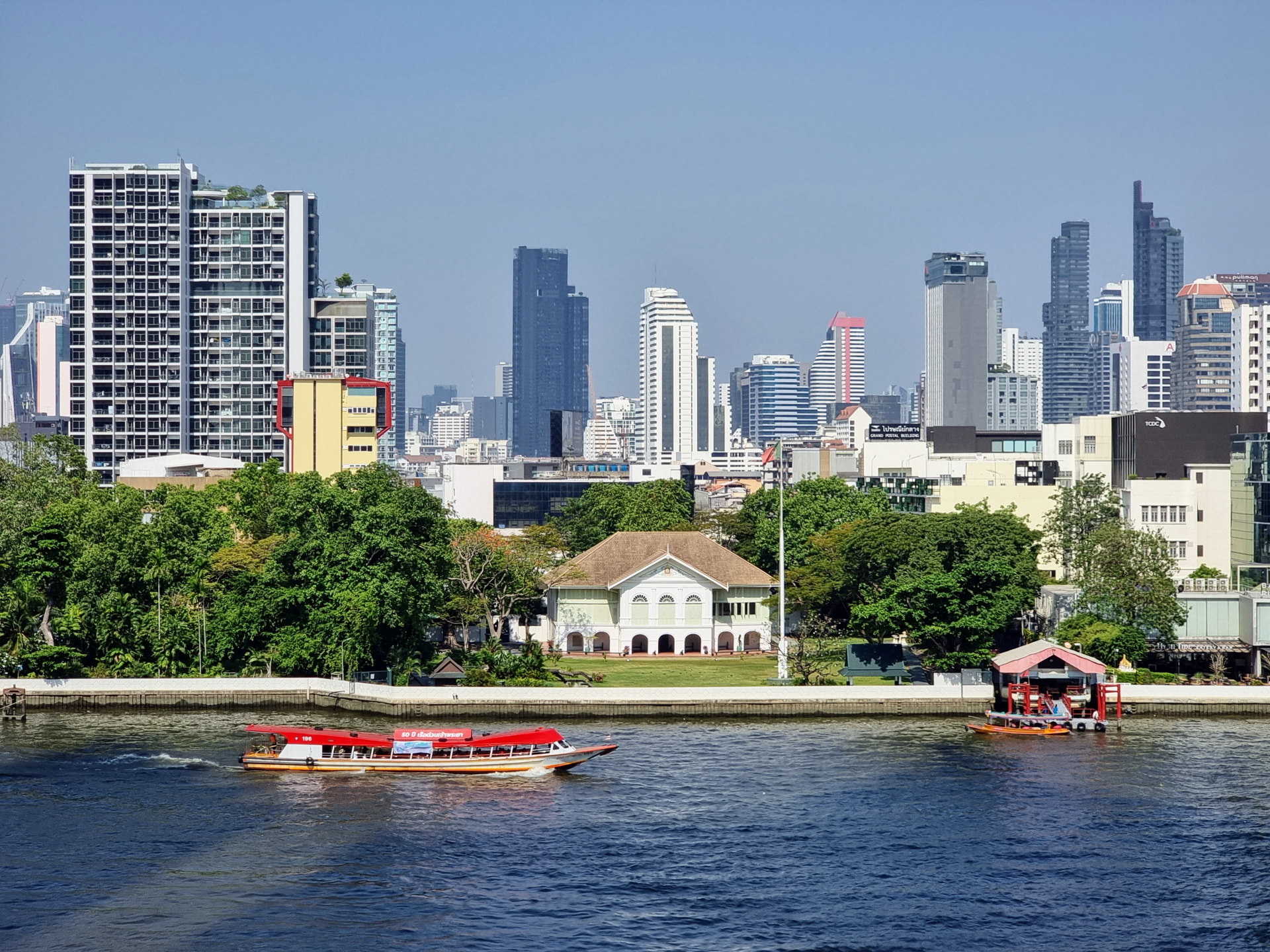
Despite noisier and sometimes crowded boats, the Chao Phraya Express retains a significant advantage: its openings allow passengers to directly enjoy the river, photograph the banks, and observe the activity during stops.
It is still the service that best preserves the charm of local transport, even though I understand the desire to make the river "cleaner".
Orange line
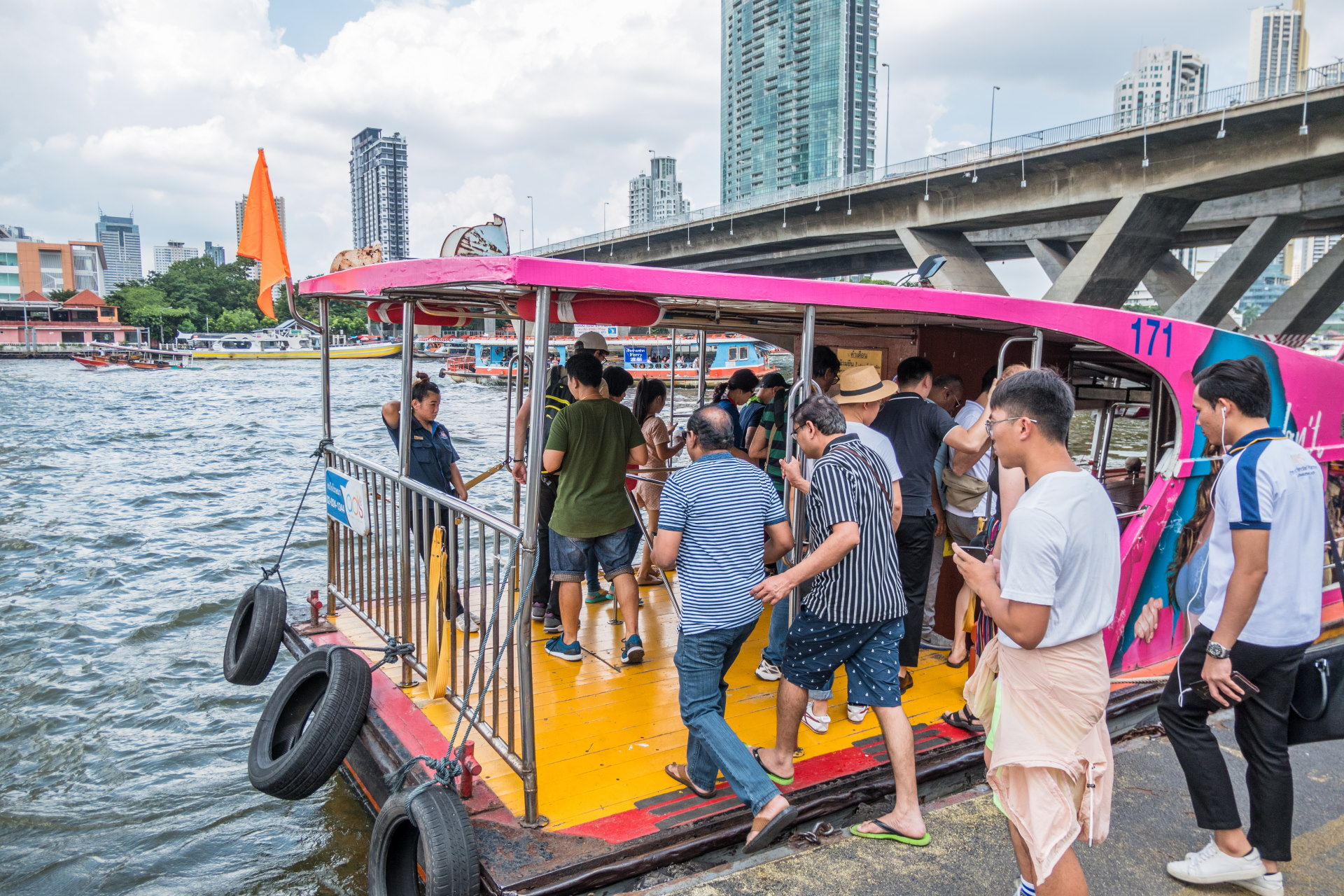
Formerly a regular presence throughout the day, the orange-flagged ferry now operates Monday to Friday, primarily in the morning and late afternoon, in both directions. These schedules mainly serve to transport the numerous workers from the northern suburbs.
In short, it's unlikely you'll use it on a typical day of sightseeing. An era is ending.
yellow line
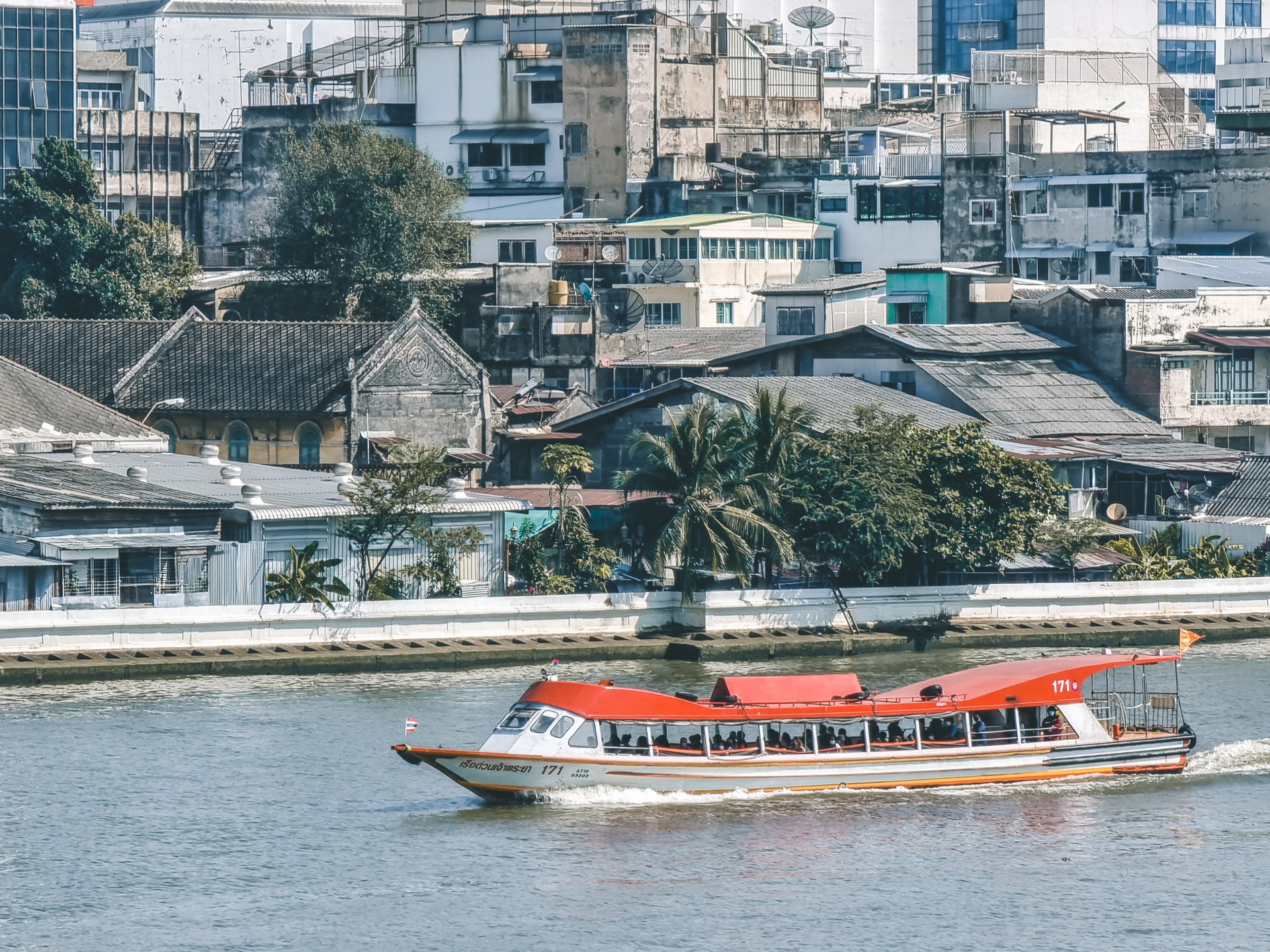
During the day, the yellow flag service takes over , serving fewer platforms and operating in two variations. It has become somewhat of a "default" line, although its operation remains rather confusing.
It operates a daytime service between Nonthaburi and Wat Rajsingkorn. On weekdays, additional services connect Nonthaburi to Sathorn in the morning, and then Sathorn to Nonthaburi in the late afternoon. On weekends and public holidays, this yellow line still provides the majority of the company's service.
Green and yellow line
The line with the green and yellow flag , officially called the Green-Yellow Line , extends the service to Pak Kret, where the famous island of Ko Kret is located , ideal for cycling.
However, it only operates from Monday to Friday, heading towards Sathorn in the morning and then towards Pak Kret in the late afternoon. Designed for commuting, these times do not allow for day trips to Ko Kret.
Red line
The red line follows the same logic: it connects Nonthaburi to Sathorn only on weekday mornings. It is primarily an express service, with very few stops.
To sum it up, the yellow line is now the default choice, but the reality on the ground is that it has become less convenient, especially with the arrival of other companies. This is particularly true of Thai Smile Boat, whose fares are ultimately not much higher.
Thai Smile Boat: electric and air-conditioned ferries
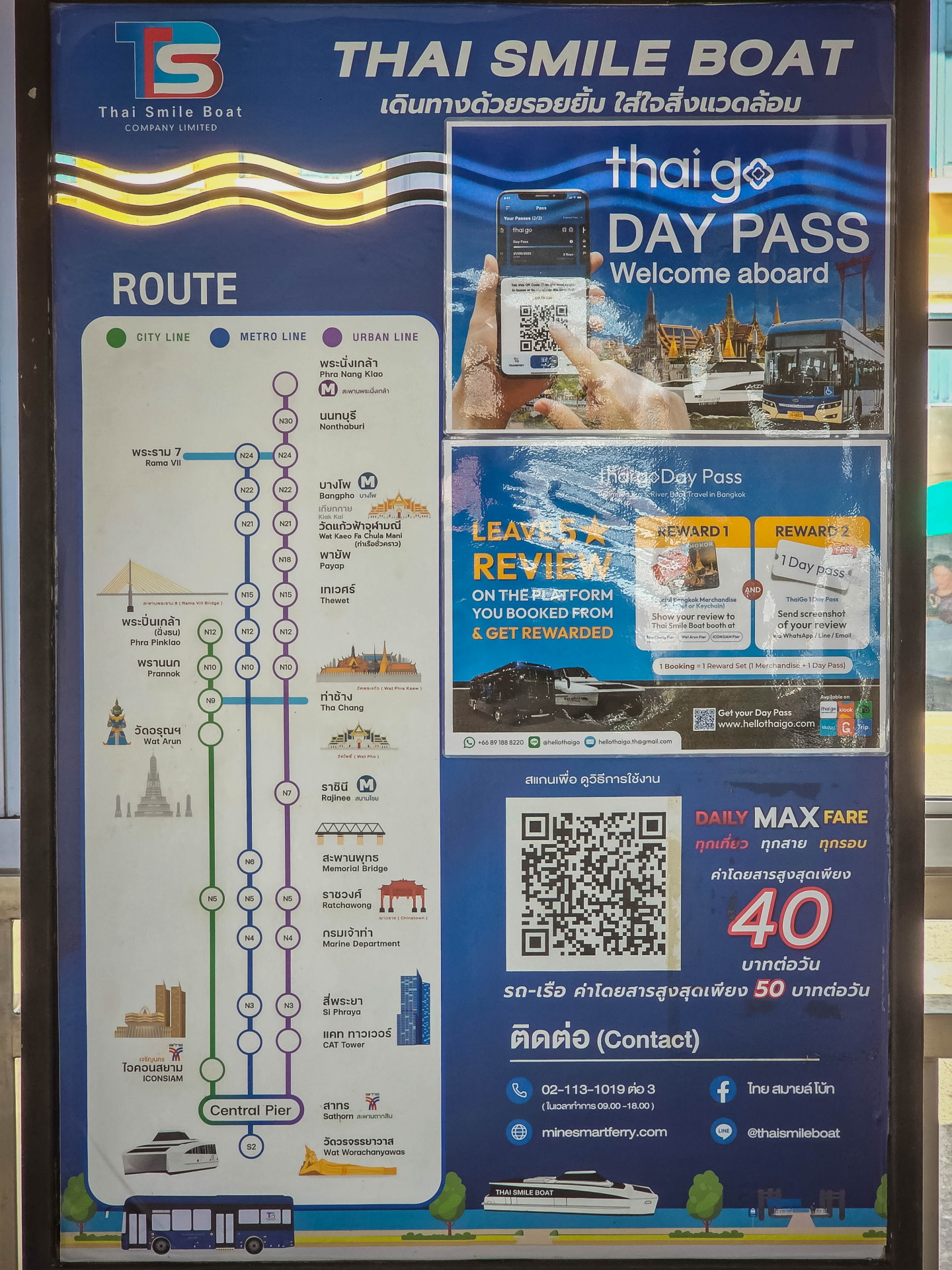
Thai Smile Boat , formerly known as MINE Smart Ferry, operates fully electric ferries. Three routes currently travel the Chao Phraya River:
- la Cityline, the most useful for visiting the center of Bangkok;
- la Metro Line, which goes back up to the Rama VII bridge;
- theUrbanLine, which connects to Nonthaburi and the Phra Nang Klao bridge.
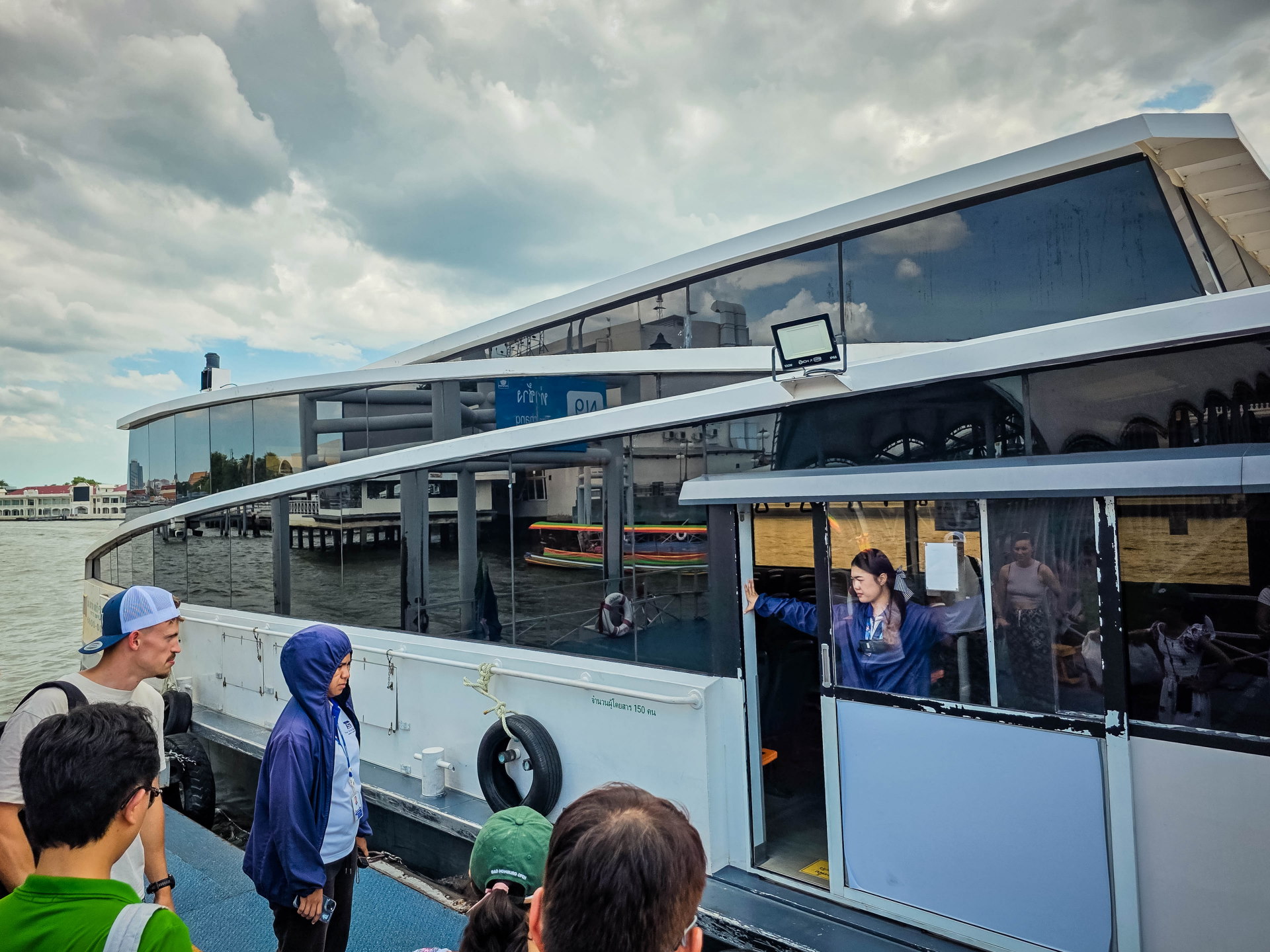
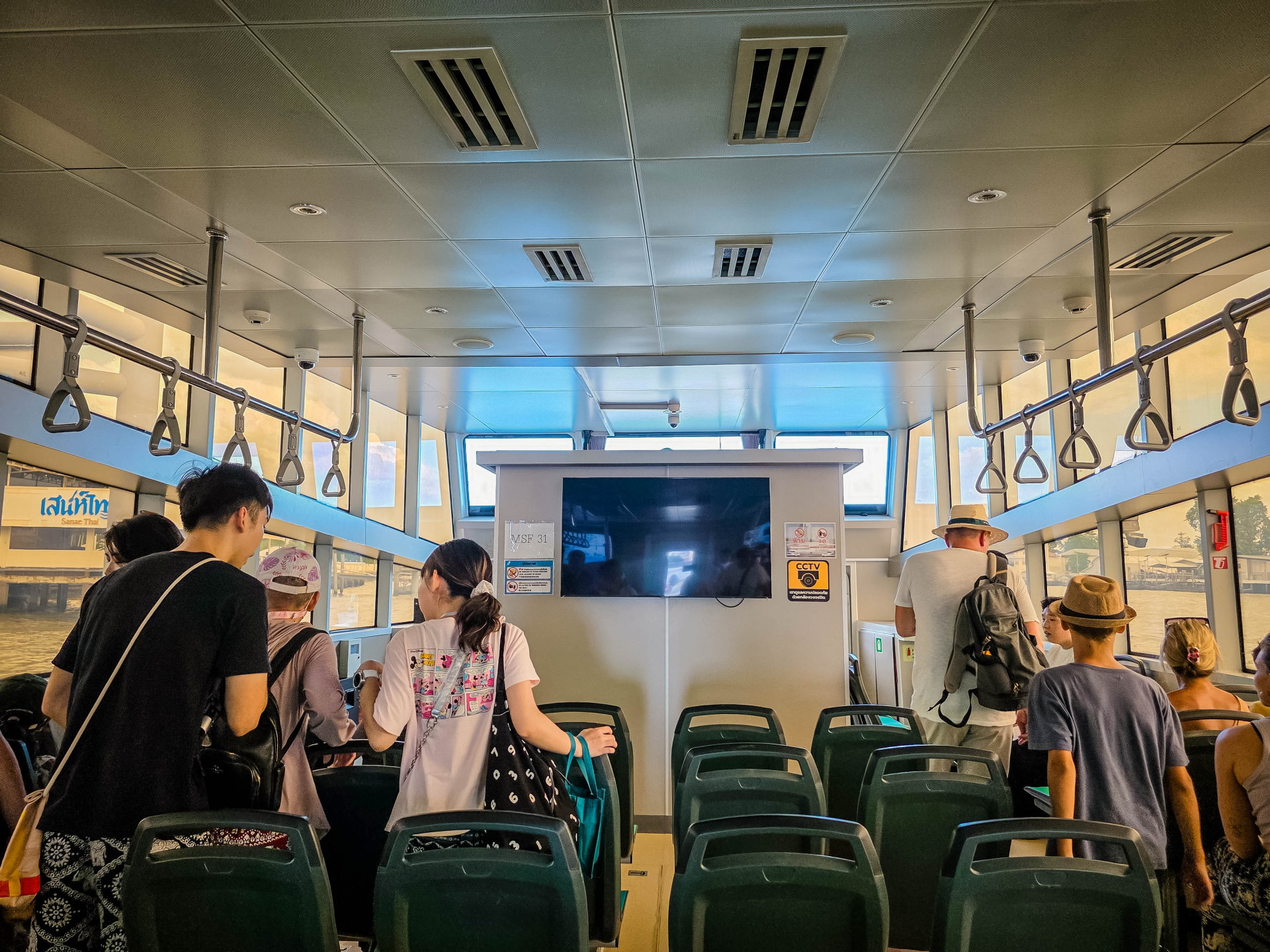
The fare is 30 ฿ per trip, regardless of distance. The fare displayed for the yellow-flag boat was 23 ฿, so the difference was only 7 ฿ for travel on a quiet, air-conditioned, and comfortable boat. A daily limit of 40 ฿ is also advertised for boat trips paid for through the Thai Go system.
On the other hand, the experience is more sanitized. The enclosed interior and tinted windows aren't really conducive to taking photos of the activity on the docks or riverbanks. Thai Smile Boat is therefore very practical for getting around comfortably, but less interesting if the journey itself is part of the experience.
The City Line serves, among other places, Sathorn, ICONSIAM, Wat Arun, Tha Chang, Wang Lang, and Phra Pinklao. The other two lines add several stops towards northern Bangkok and Nonthaburi. However, be aware that not all lines operate on the same schedule, and some have a midday interruption.
Chao Phraya Tourist Boat: the boat with the blue flag
The Chao Phraya Tourist Boat is a separate service, easily identifiable by its blue flag. It operates on a hop-on hop-off basis and only stops at piers near major tourist attractions.
Boats typically run every 30 minutes between Sathorn and Phra Arthit, stopping at ICONSIAM, Ratchawong, Pak Khlong Talat, Wat Arun, Tha Tien, Tha Chang, Tha Maharaj, and Wang Lang. Late in the day, some services are extended to Asiatique The Riverfront.
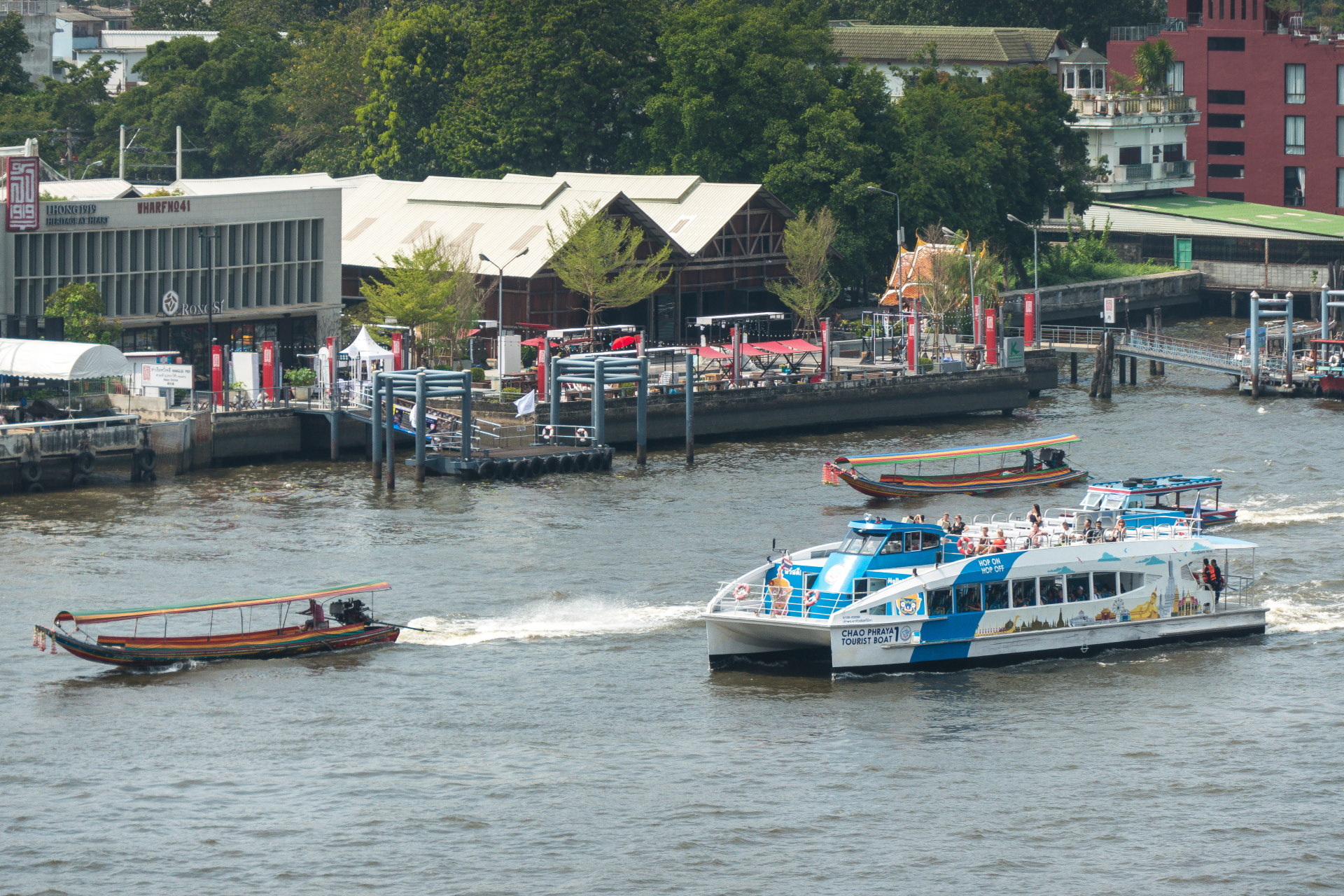
A day pass costs 150 ฿ and allows unlimited hop-on, hop-off travel. A single-trip ticket is also available. This is the easiest way to explore Bangkok for the first time, focusing on the major landmarks, but it's significantly more expensive than public boats if you only plan one or two trips.
The Tourist Boat, on the other hand, retains a real appeal for the view: some boats have an open upper deck, much more pleasant for enjoying the scenery and taking photos than the closed interior of electric ferries.
Taking the boat: a user's guide
In principle, it's quite simple: you mainly need to know which platform corresponds to your destination and check which service stops there. These days, tickets are often purchased directly on the platform, depending on the station. On traditional boats, payment can also be made to the ticket collector on board.
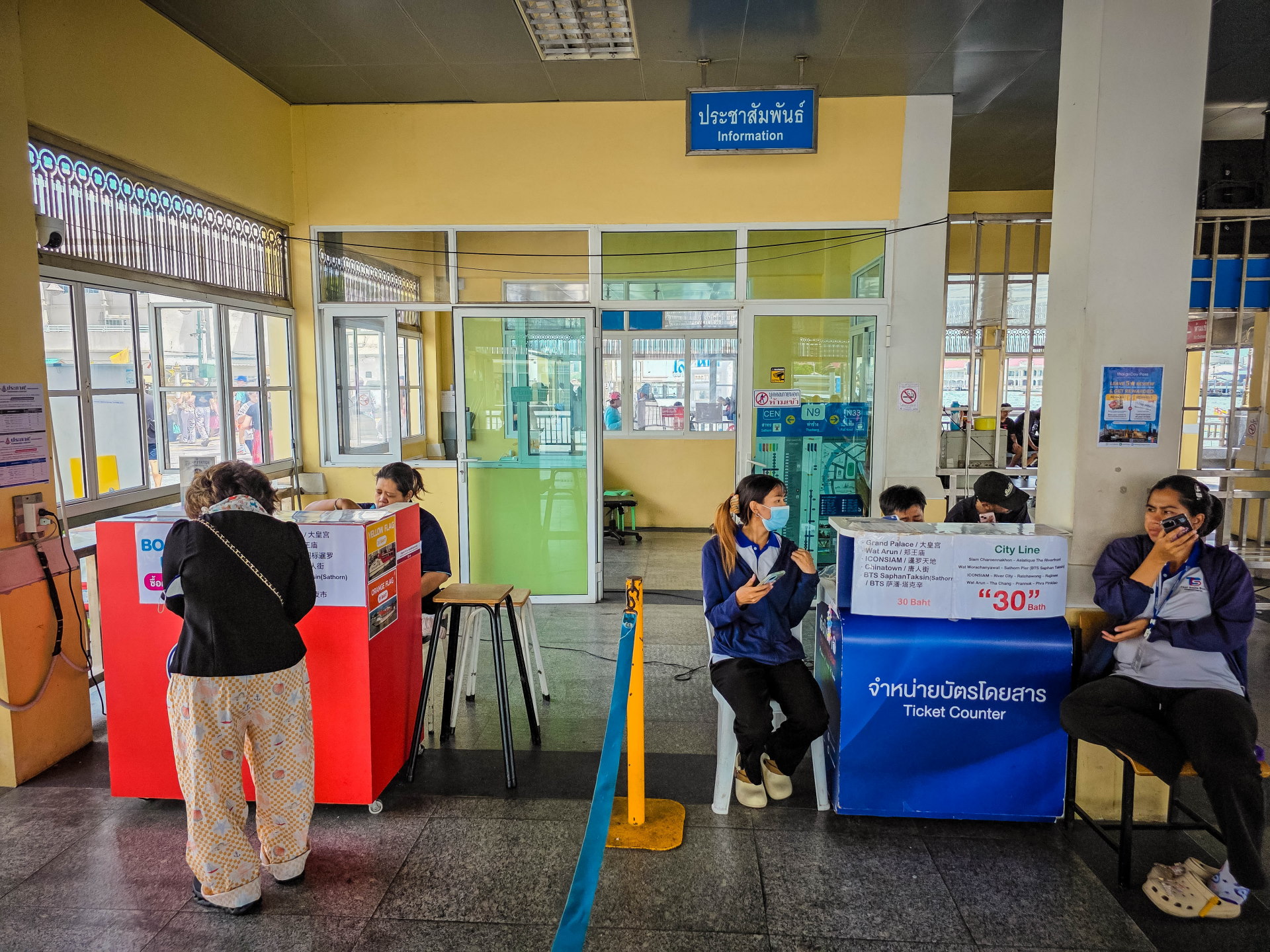
At the main piers, the companies usually have separate counters clearly displaying destinations and fares. It's sometimes best to specify which service you want before buying your ticket, as you'll often be offered the Tourist Boat by default: 50 ฿ per trip, compared to 30 ฿ for Thai Smile Boat.
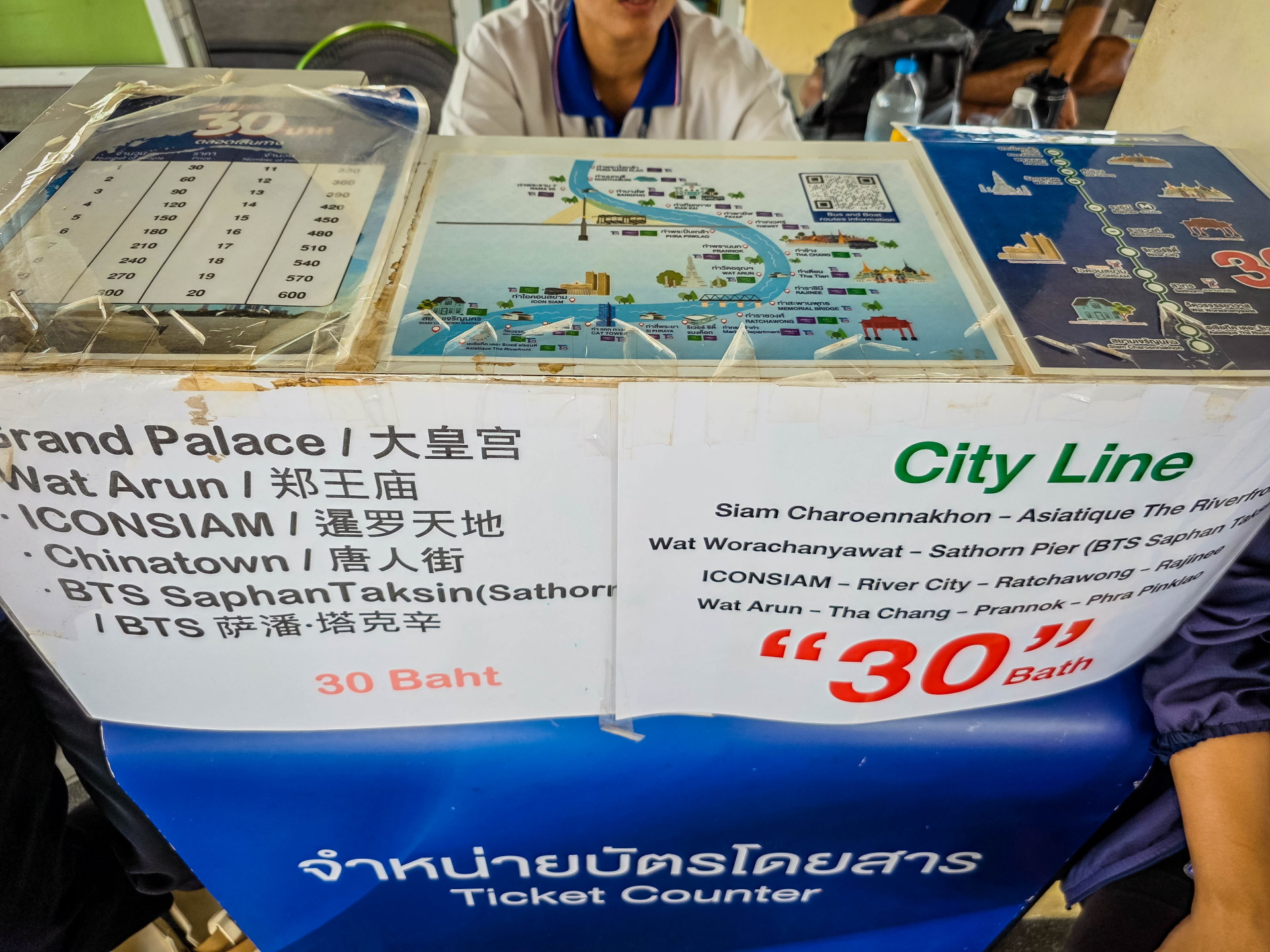
As schedules and even fares are subject to change (this is particularly true for the Chao Phraya Express, whose prices partly follow fluctuations in fuel costs), I advise you to check the official information before setting off, so as not to be surprised:
- Chao Phraya Express Boat routes, stops and timetables ;
- Thai Smile Boat timetable ;
- Chao Phraya Tourist Boat route and timetable.
Please also note that any works or one-off events organised on the river, in particular rehearsals or the procession of the royal barges (the latter remaining rare, with an edition every seven years on average), may lead to temporary interruptions and shortened routes.
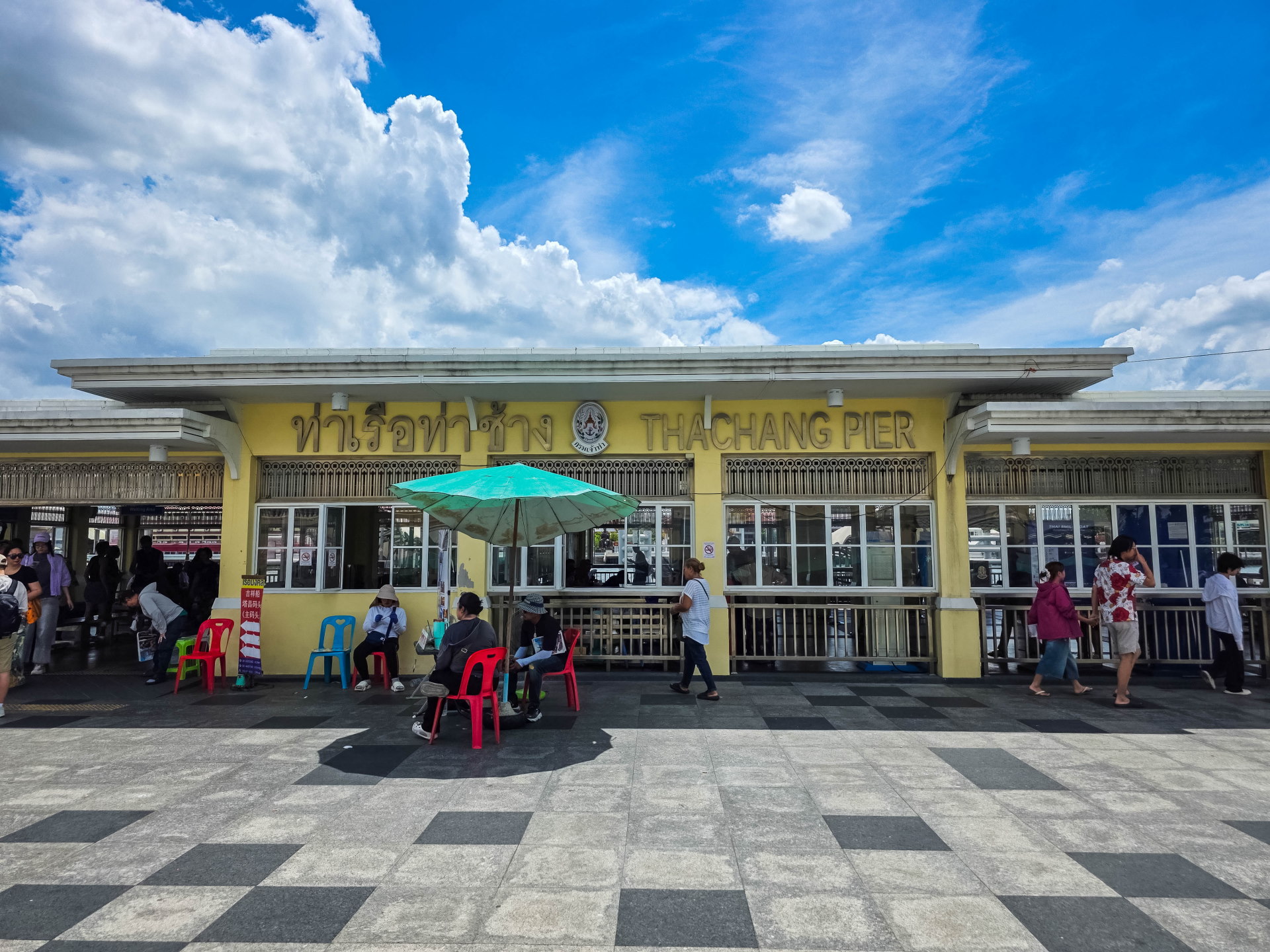
Many platforms have recently been renovated, with wider spaces and generally clearer signage. These improvements are helpful, but the information displayed on-site isn't always immediately up-to-date—sometimes a nice map and QR codes lead to a website that's out of service…
Where to stop along the Chao Phraya and why?
The way boats work has changed, but the main purpose of this article remains the same: to know which dock to disembark at and what is possible to see around it.
Here are the most useful stops, from north to south.
Nonthaburi (N30)
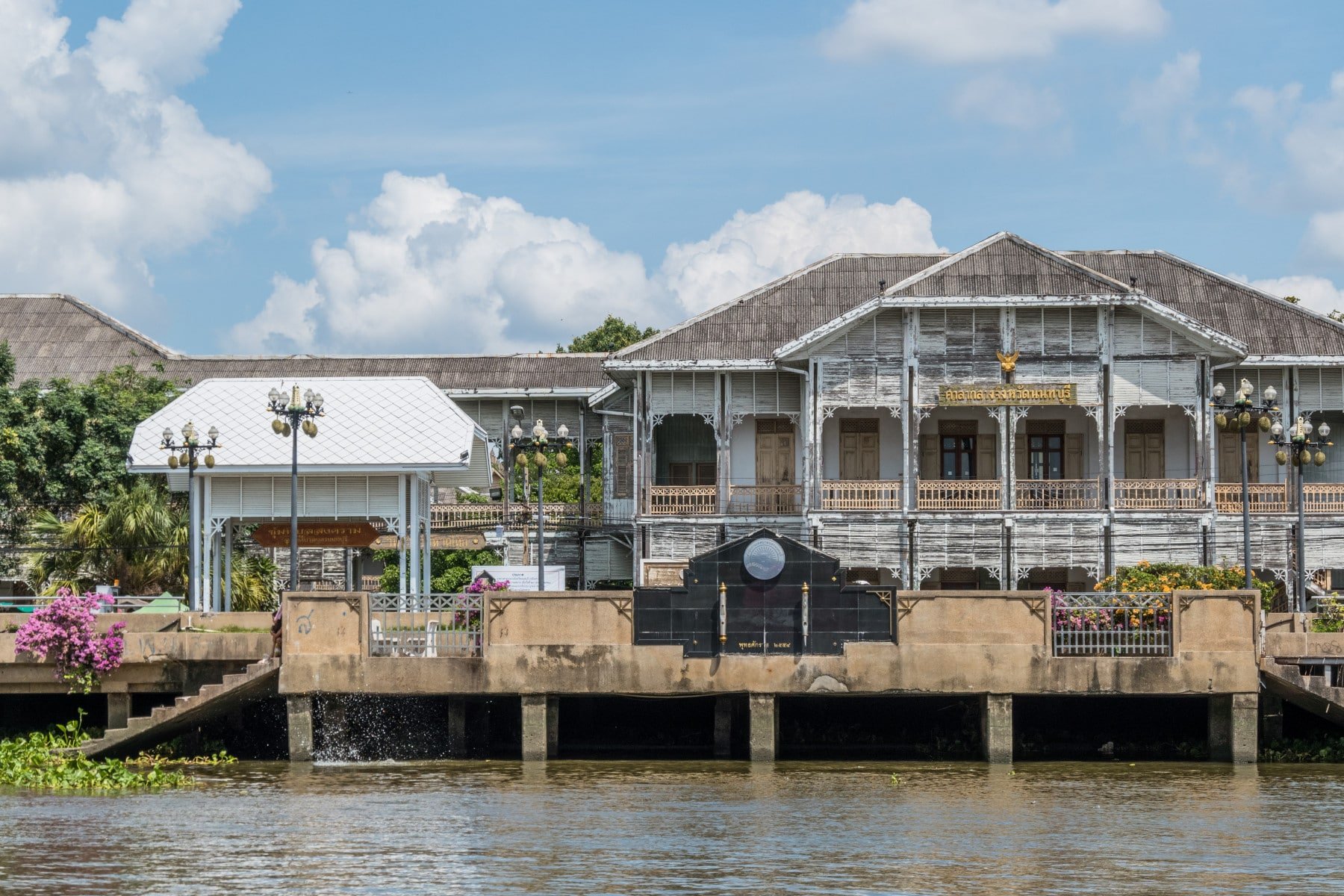
Reasons to stop there:
- Nonthaburi marks the boundary between the dense urban area of Bangkok and neighborhoods with a more provincial atmosphere.
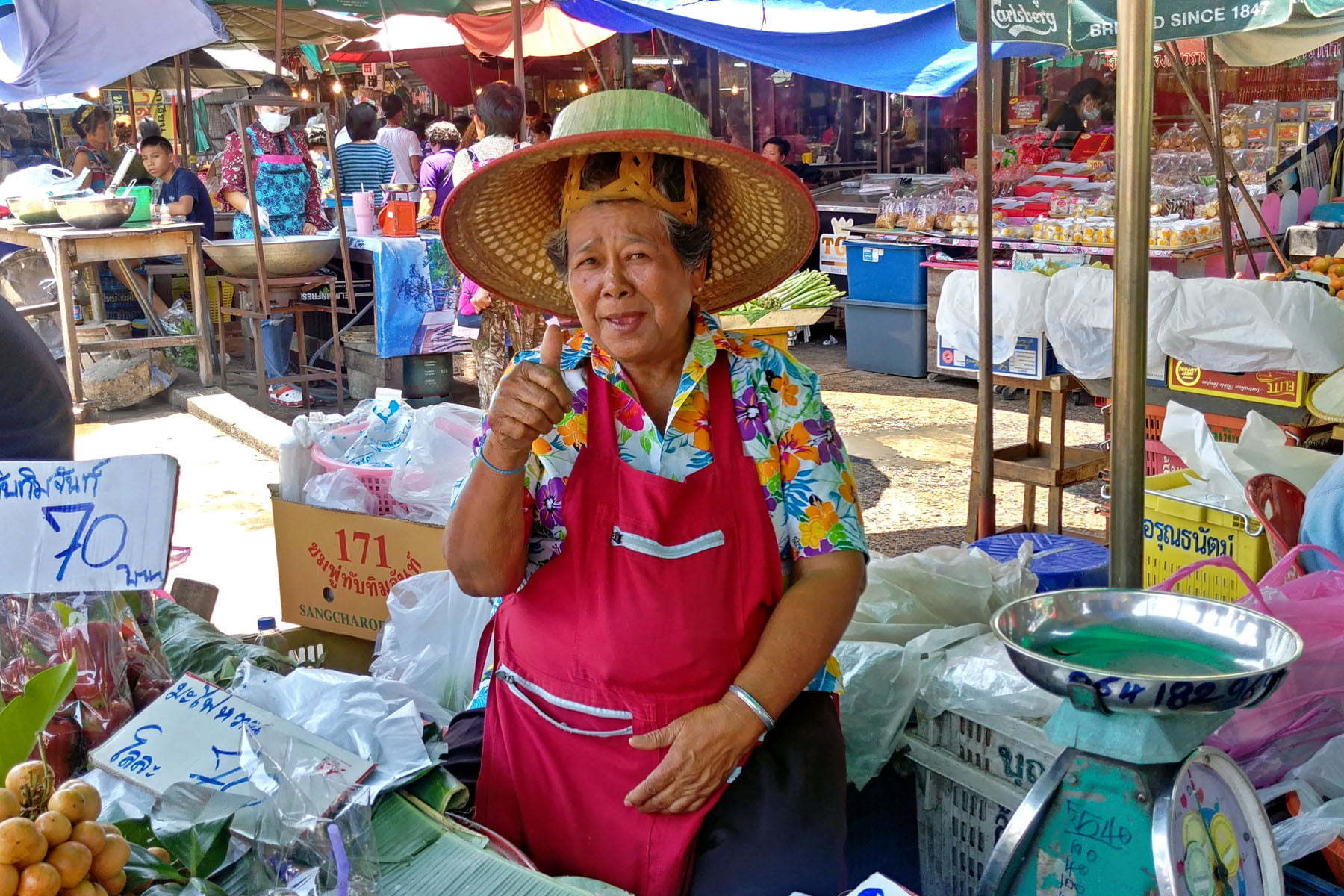
- The Nonthaburi market is located directly next to the dock.
- A Mon community known for its pottery has settled in Koh KretThe island now attracts Bangkok residents for its relaxed atmosphere and weekend market. However, the boat doesn't take you there directly: from Nonthaburi, you have to continue by road to Pak Kret, then take the small ferry from Wat Sanam Nuea.
Useful services: Chao Phraya Express Boat as well as Metro and Urban Lines of Thai Smile Boat.
Thewet (N15)
Reasons to stop there:
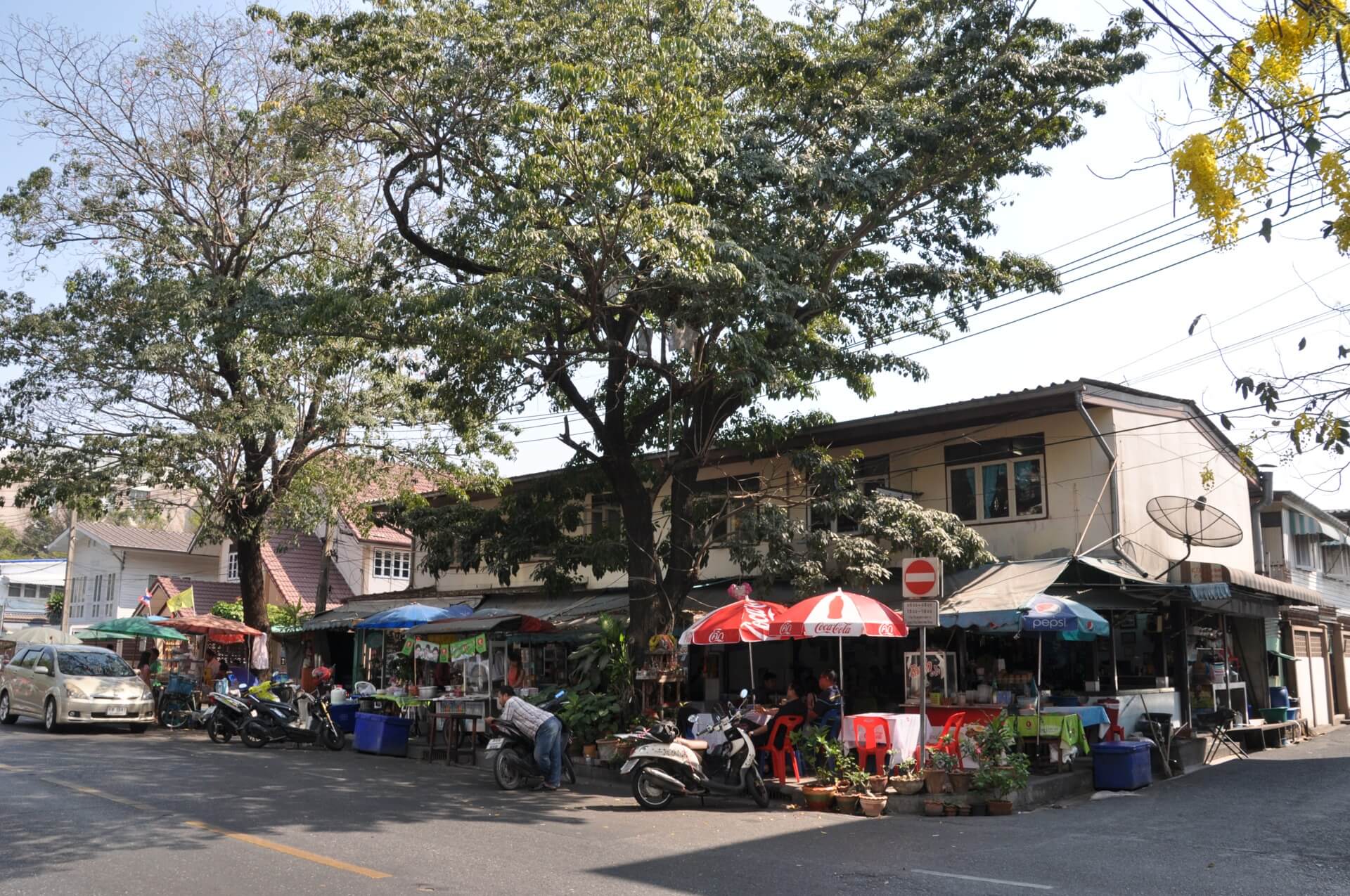
- To discover Thewet Market (Thewarat Market).
- To discover a still very local area around the market and Wat Devaraj Kunchorn.
- For lunch or dinner by the river, especially at the Steve Café & Cuisine restaurant, located not far from the dock.
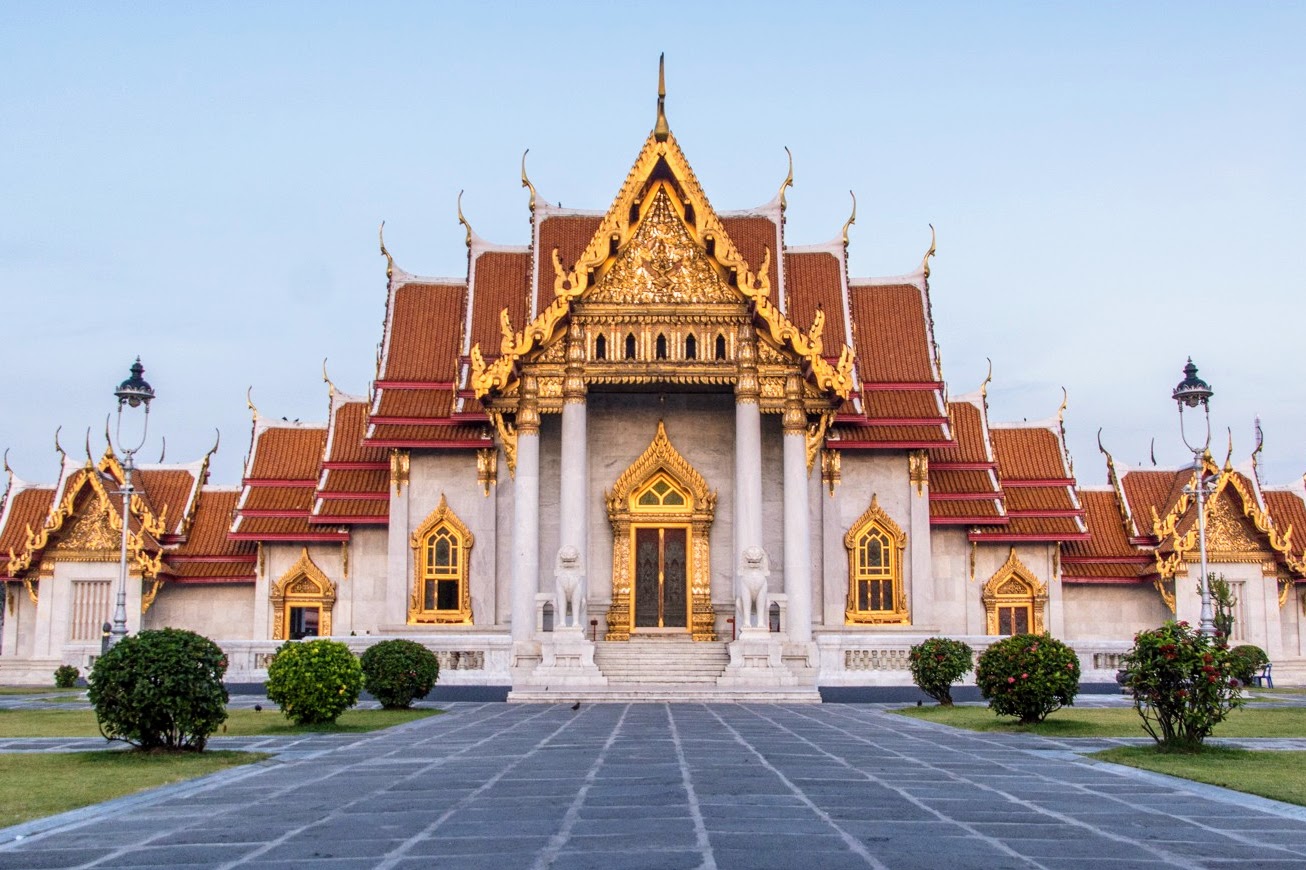
- To reach the Dusit district and Wat Benchamabophit, better known as marble temple.
The former attractions of Dusit Park, such as Vimanmek Palace, the Ananta Samakhom Throne Hall, and the old Bangkok Zoo, are no longer open to the public. Therefore, they are no longer a reason to choose this stop.
Useful services: Chao Phraya Express Boat as well as Metro and Urban Lines of Thai Smile Boat.
Phra Athit (N13)

Reasons to stop there:
- Rambuttri Street, a quieter alternative to Khao San Roadwhich is located nearby.
- The Bang Lamphu district, with its guesthouses, restaurants and bars.
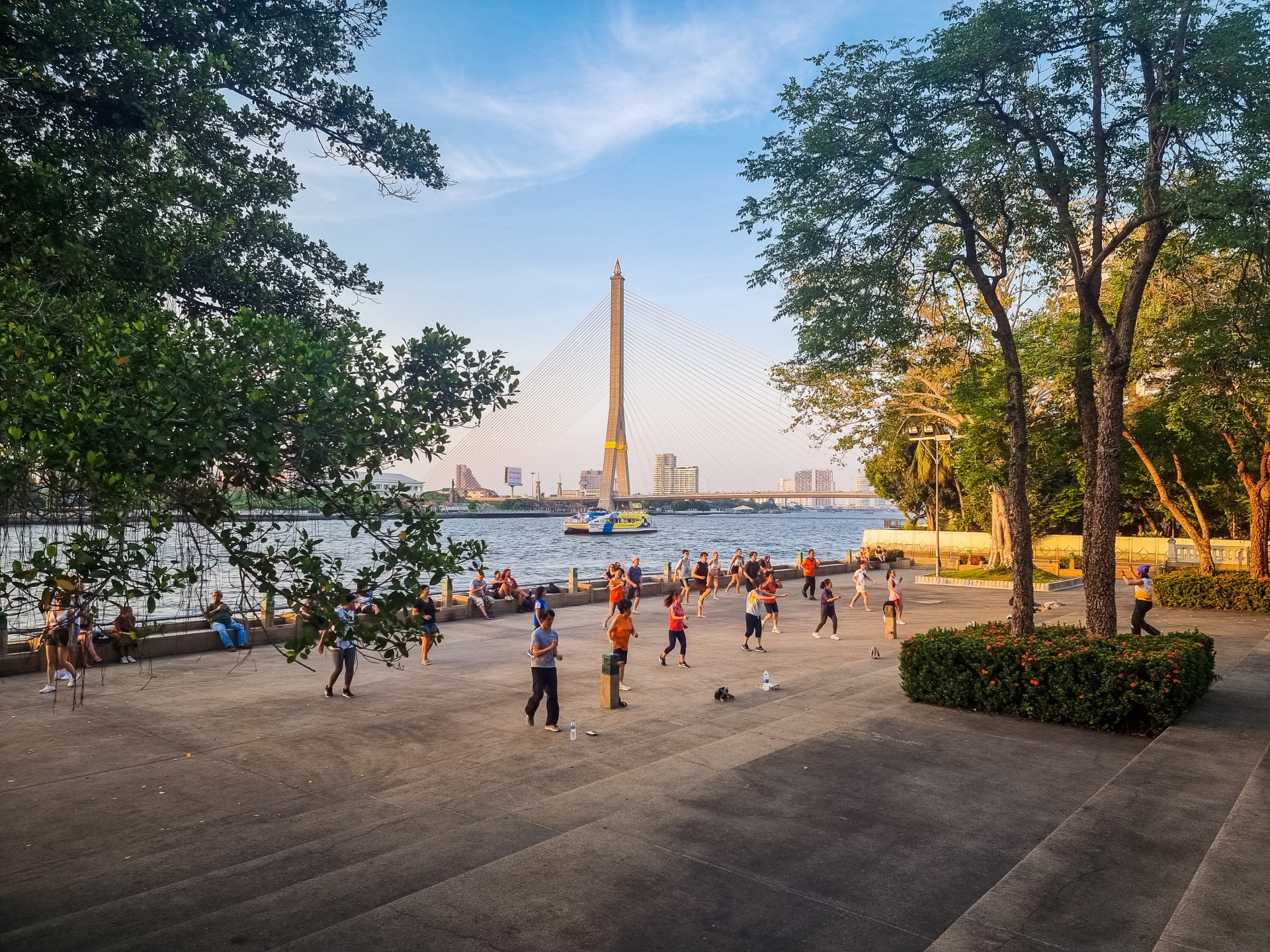
- Santi Chai Prakarn Park, Phra Sumen Fort and the riverside promenade.
- The Rama VIII Bridge can be reached by continuing the walk north along the river. Several restaurants are also located in this area, including Kin Lom Chom Saphan.
Useful services: Chao Phraya Express Boat and Chao Phraya Tourist Boat.
Phra Pinklao Bridge (N12)
Reasons to stop there:
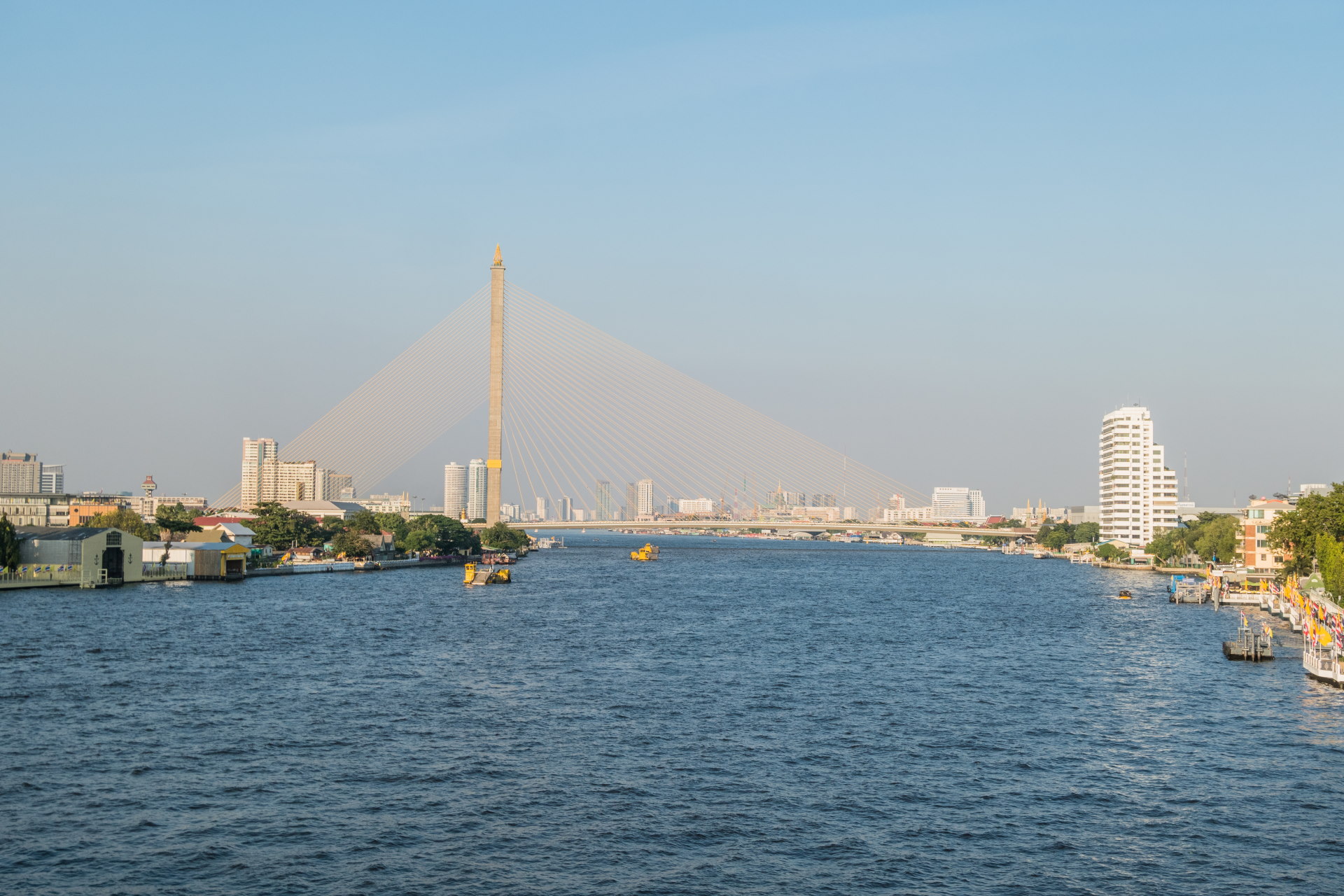
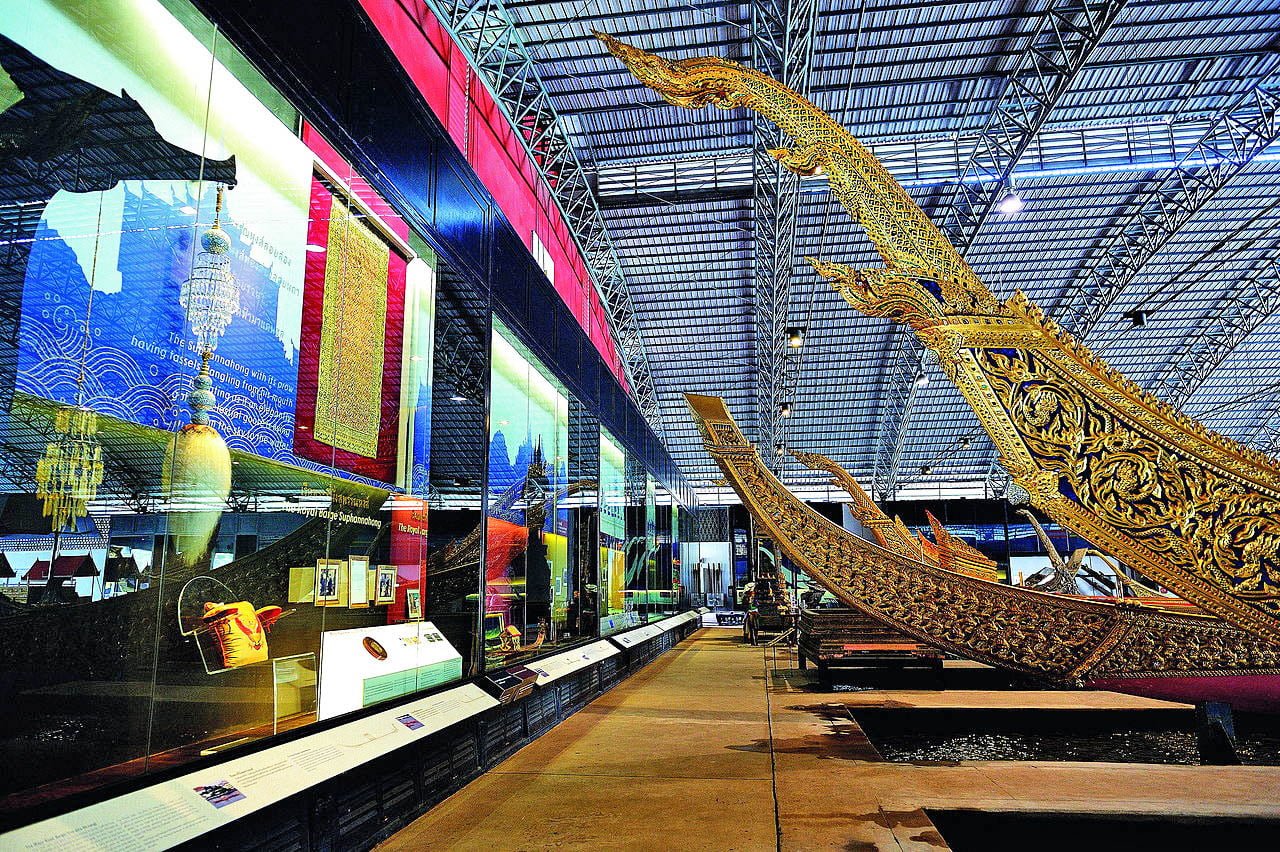
- Le National Museum of Royal Barges, installed along a canal on the Thonburi side.
- The Bangkok Noi districts are located behind the river.
Useful services: Chao Phraya Express Boat as well as City and Urban Lines by Thai Smile Boat.
Wang Lang / Prannok (N10)

Reasons to stop there:
- Le Wang Lang local market, very popular for its food stalls, clothes and small shops.
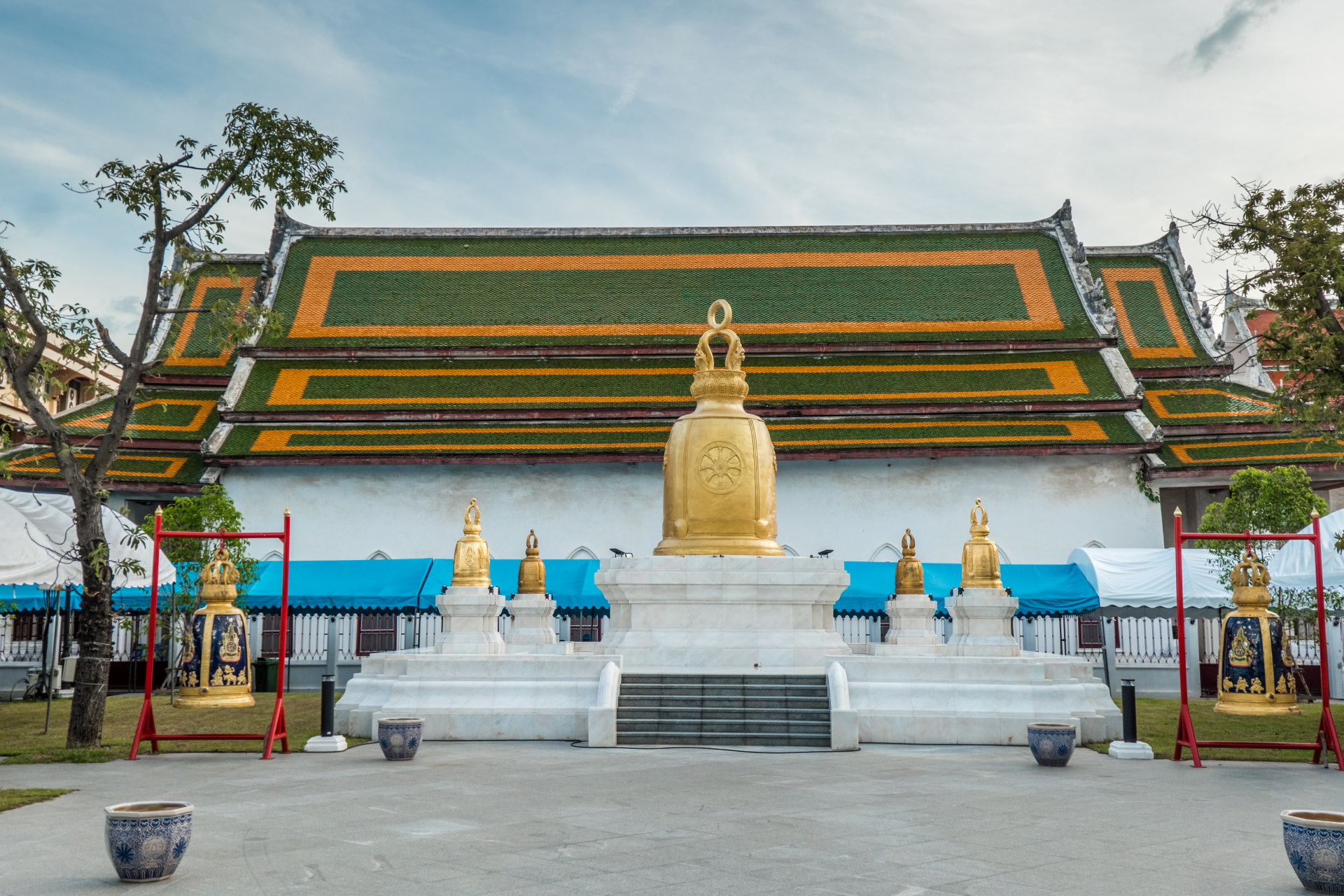
- Wat Rakhang Khositaram, an ancient royal temple nicknamed the temple of bells.
- Siriraj Hospital, its rather unusual medical museums, and the old Thonburi train station.
- The former Patravadi Theatre, since transformed into a hotel and riverside dining areas.
Useful services: Chao Phraya Express Boat, the three Thai Smile Boat lines and Chao Phraya Tourist Boat.
Tha Maharaj
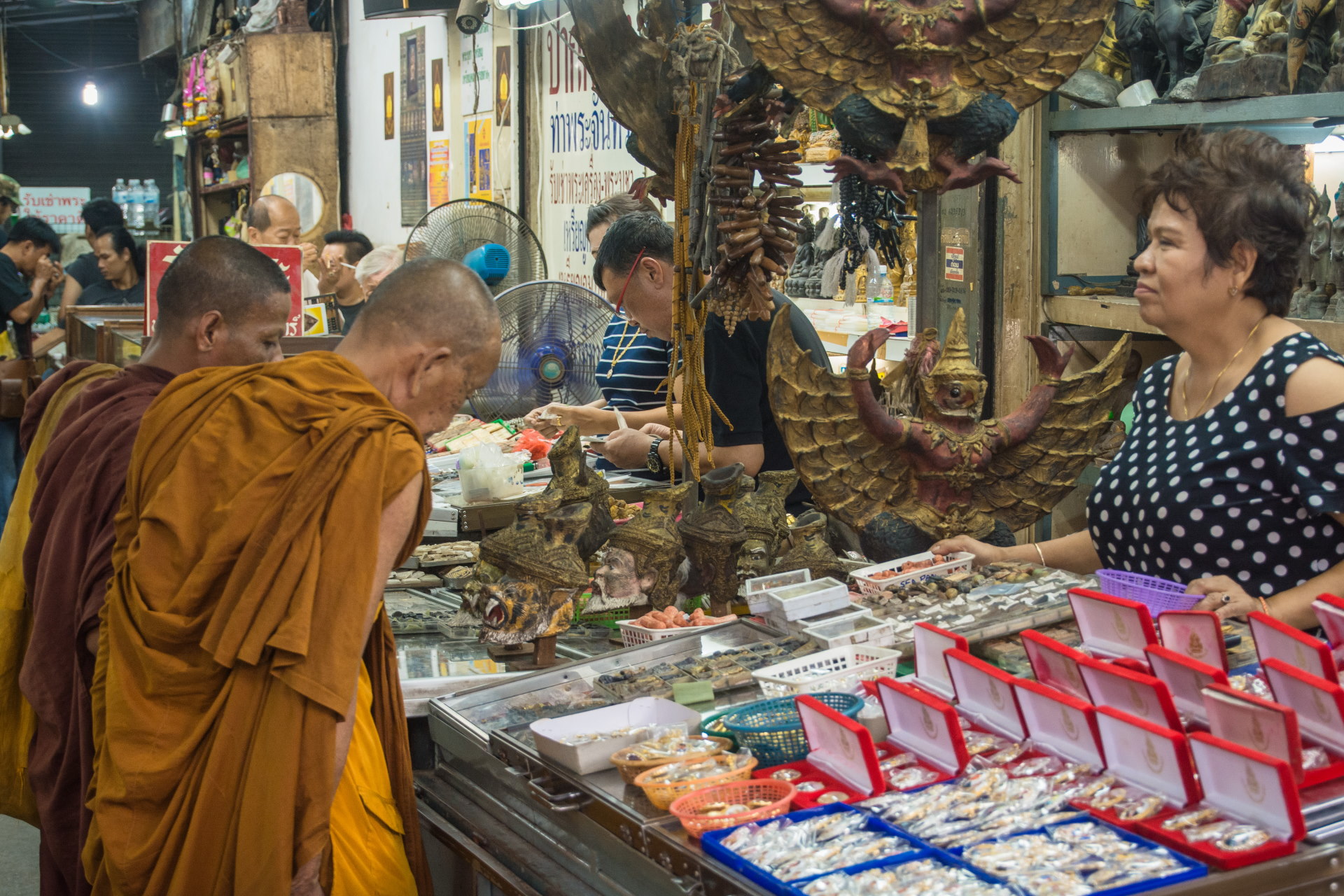
Reasons to stop there:
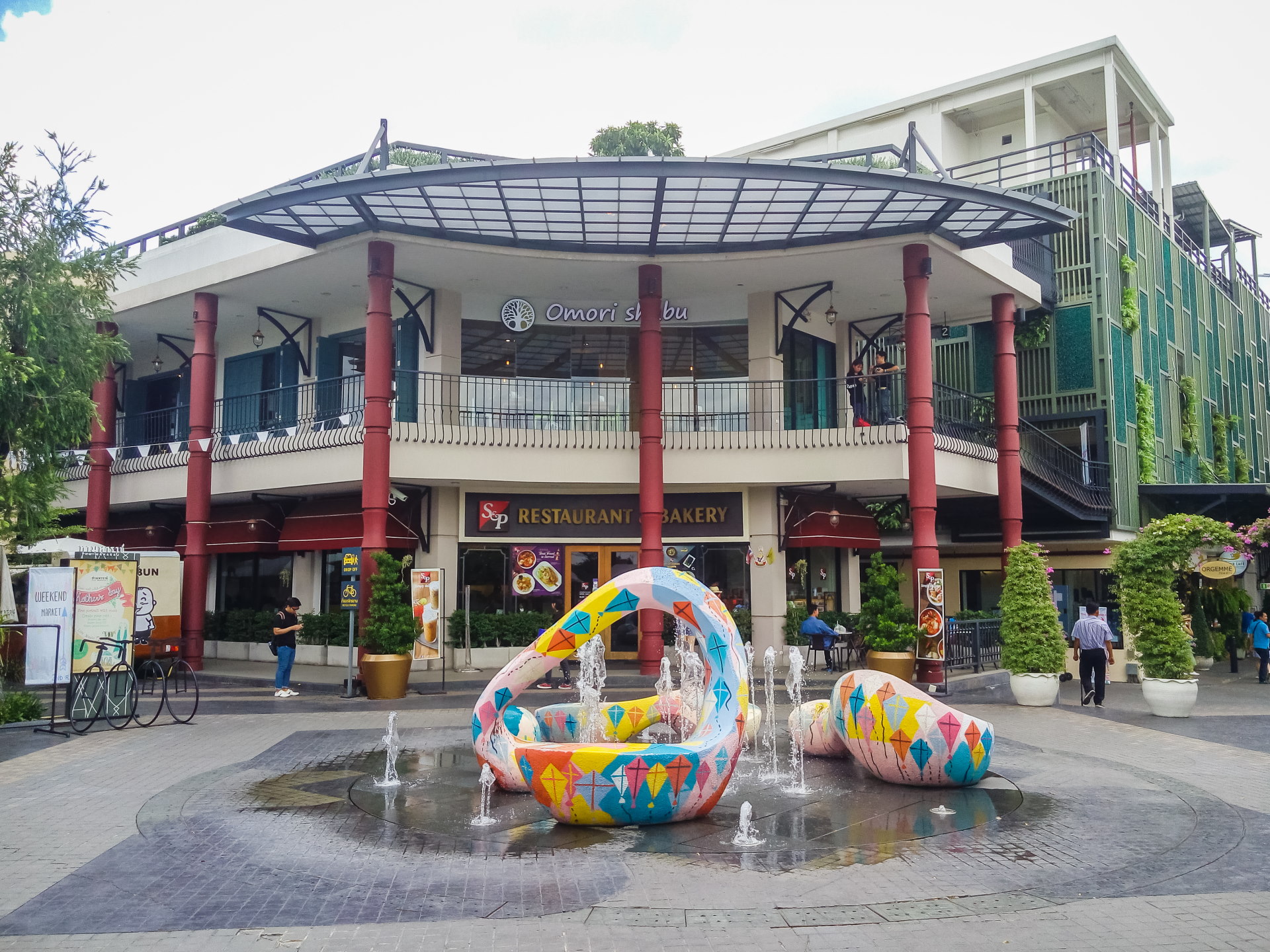
- Tha Maharaj's small open-air shopping centre is convenient for eating or taking a break by the river.
- This is also where the famous amulet market is located.
- Sanam Luang, the Bangkok National Museum and Thammasat University are within easy walking distance.
- The Grand Palace and Wat Phra Kaew are accessible on foot, although Tha Chang remains more direct.
Useful service: Chao Phraya Tourist Boat.
Tha Chang (N9)
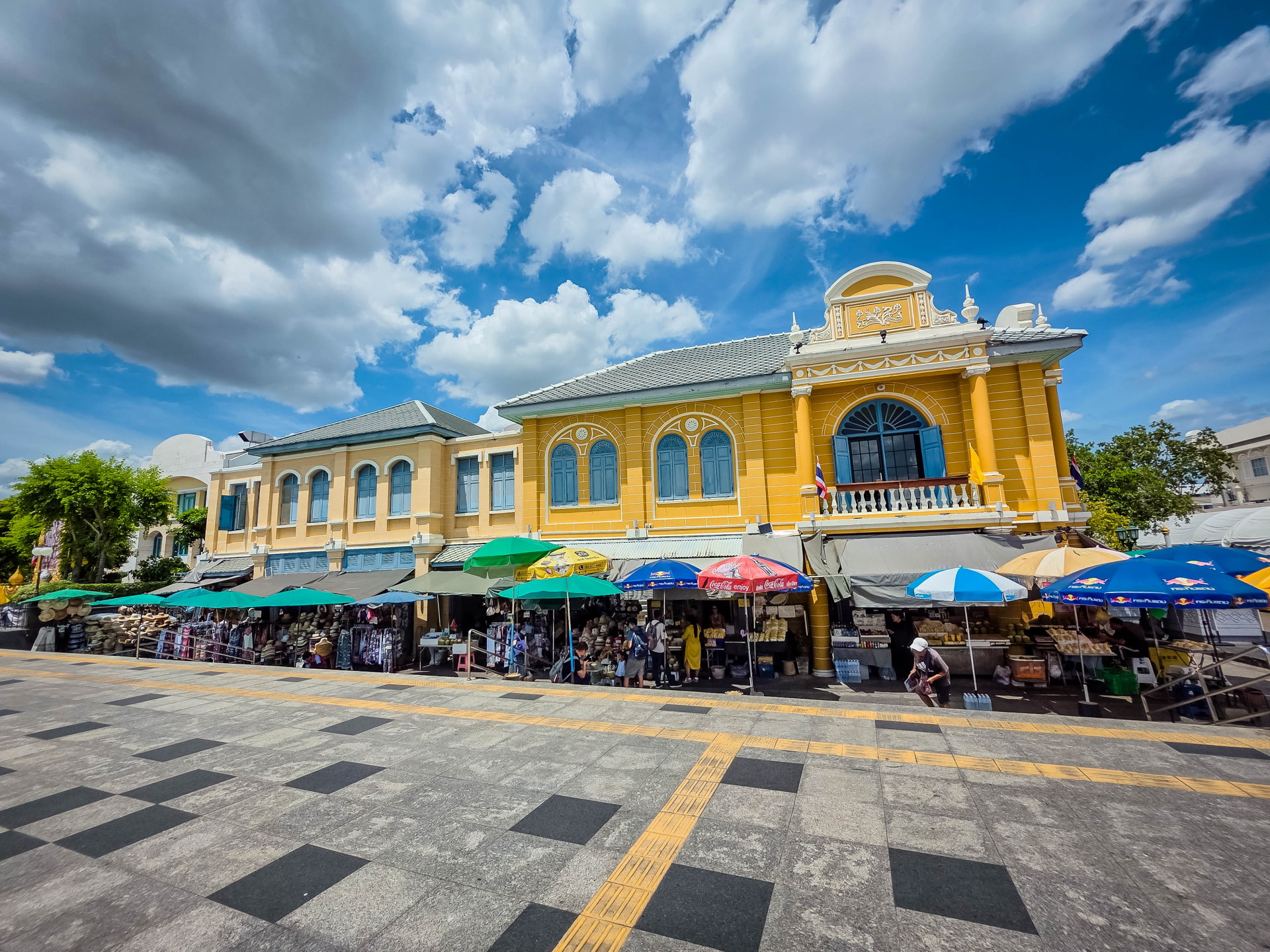
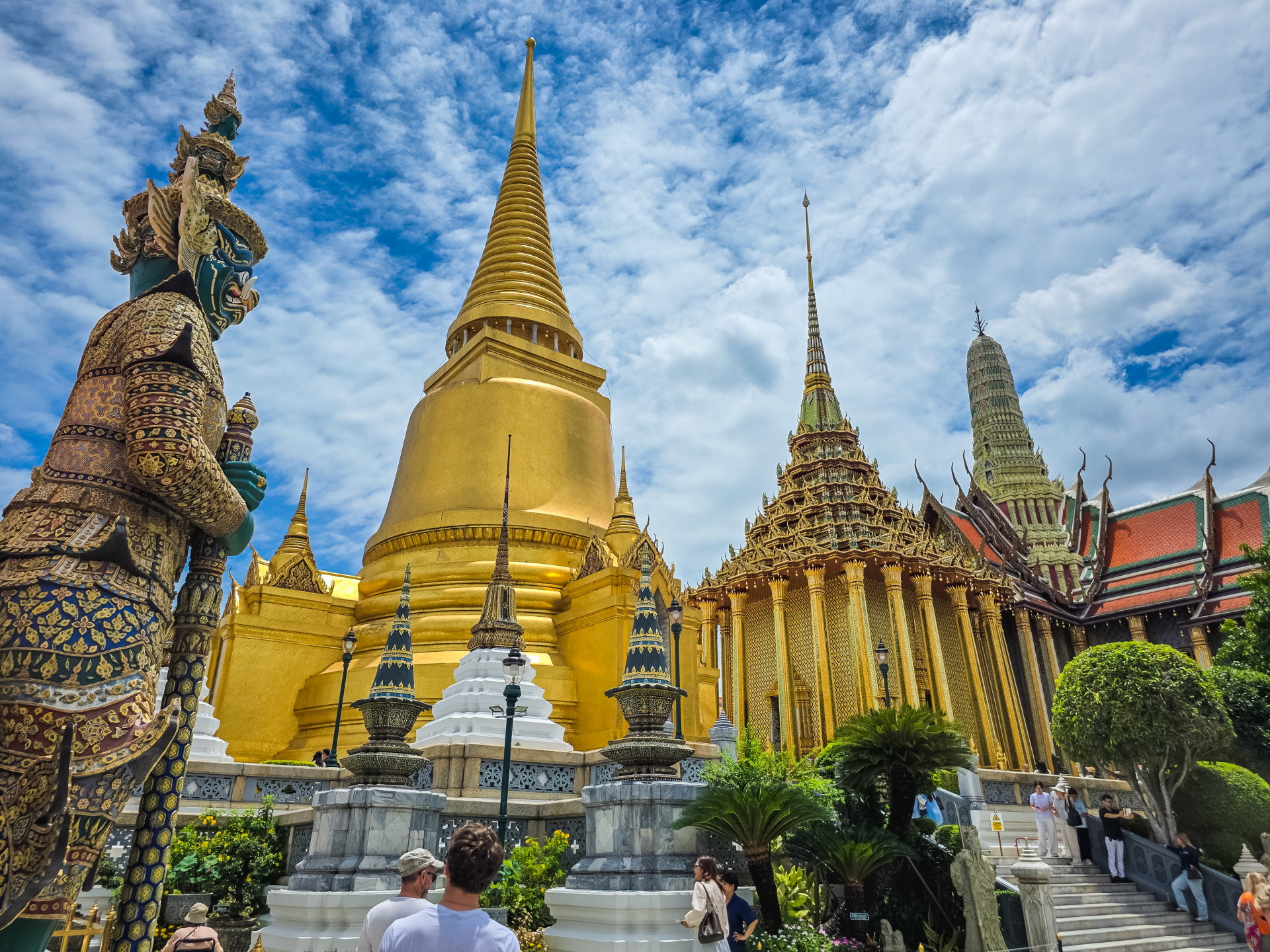
Reasons to stop there:
- The main platform to reach the Grand Palace and Wat Phra Kaew.
- The royal square of Sanam Luang.
- The shrine of the city pillar, or City Pillar Shrine.
Useful services: Chao Phraya Express Boat, Thai Smile Boat City Line and Chao Phraya Tourist Boat.
Tha Tien (N8)
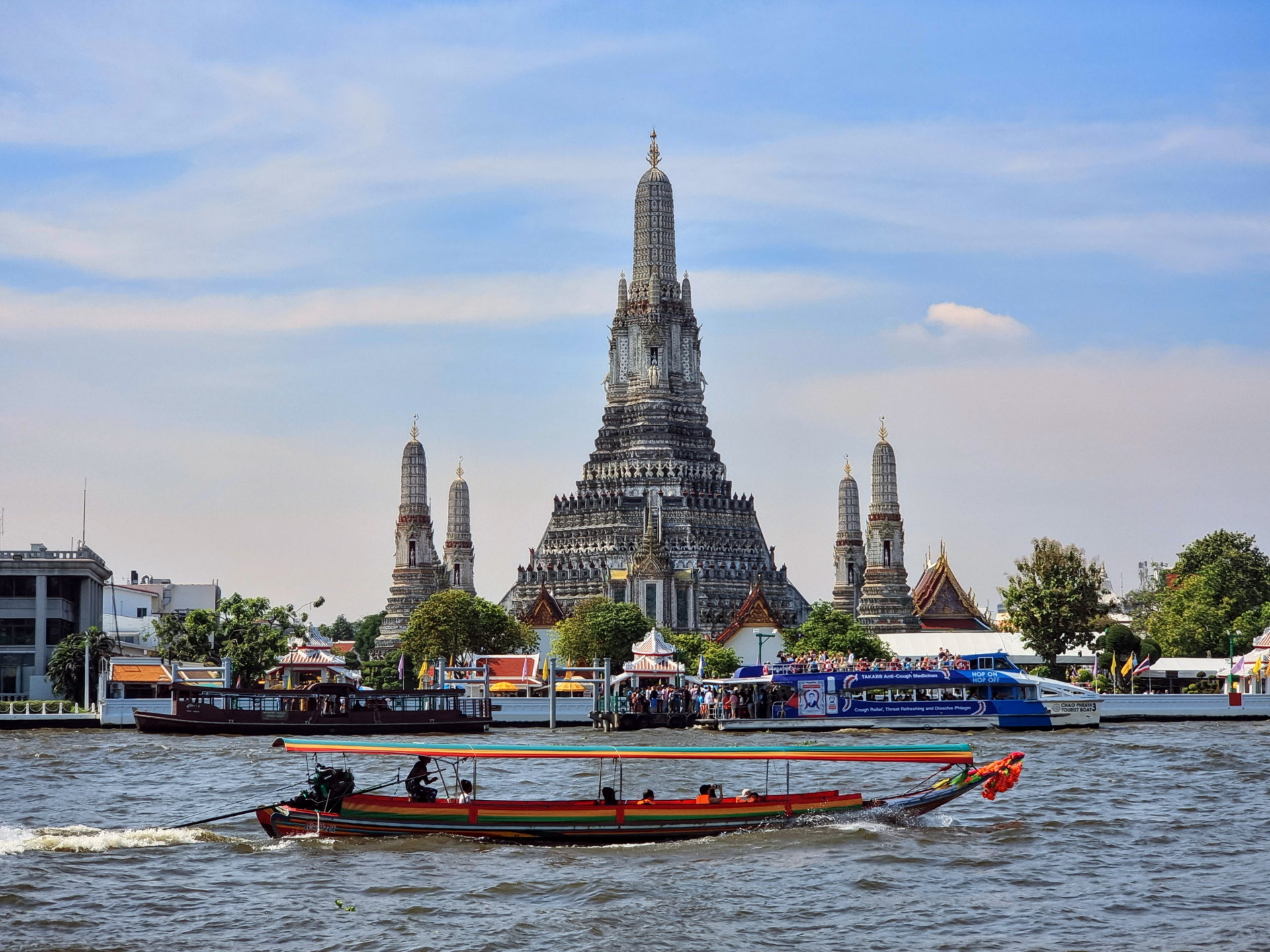
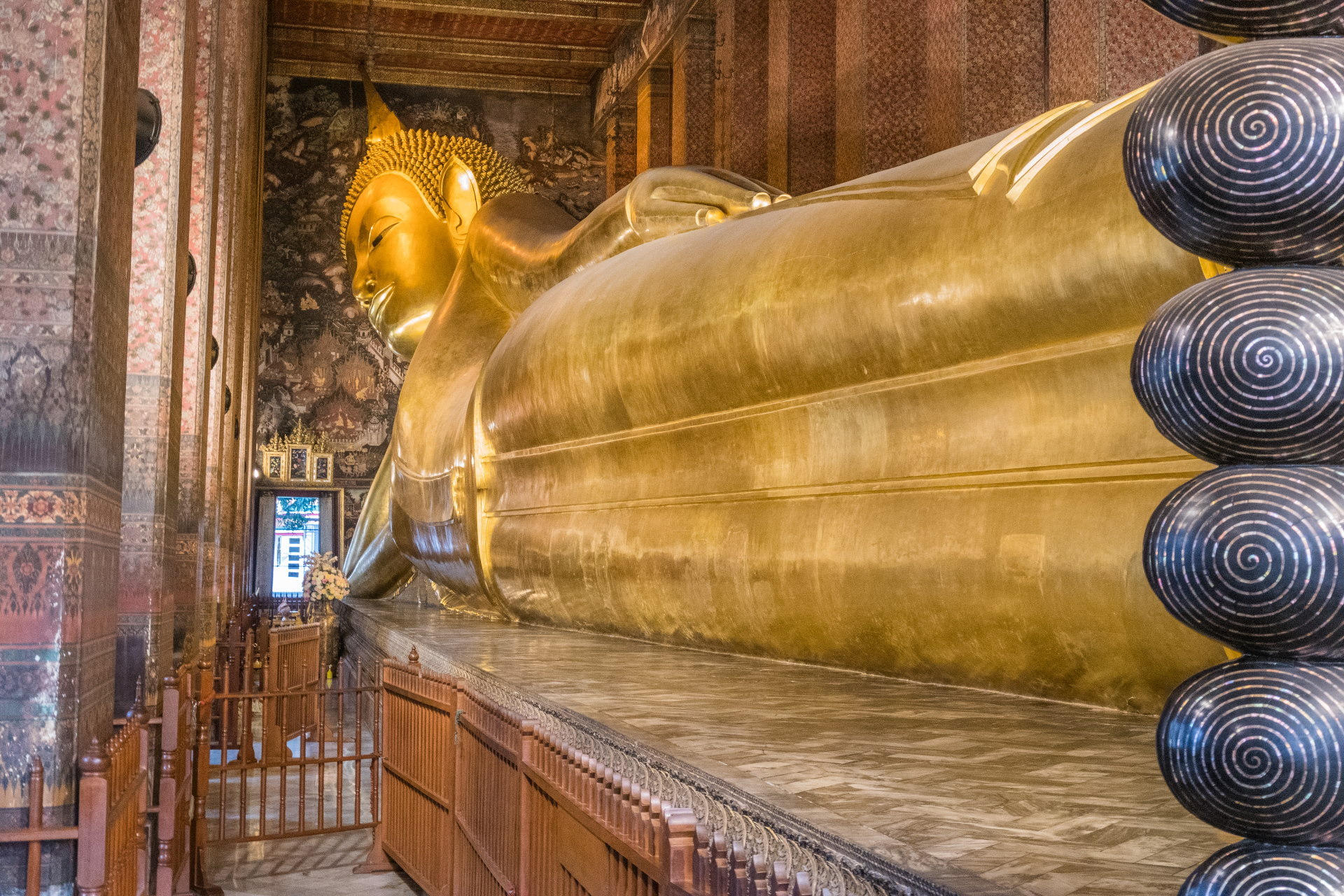
Reasons to stop there:
- The main platform to reach the Wat Pho (reclining Buddha).
- The shuttle allows you to cross the river to Wat Arun for a few baht.
- The old quarter of Tha Tien and its market.
- The restaurants and bars located opposite Wat Arun.
Tha Tien market has undergone a facelift that has made it lose its former charm… but well, you can’t stop the country from wanting to modernize.
Useful services: Chao Phraya Express Boat, Thai Smile Boat Urban Line and Chao Phraya Tourist Boat.
Rajinee (N7)
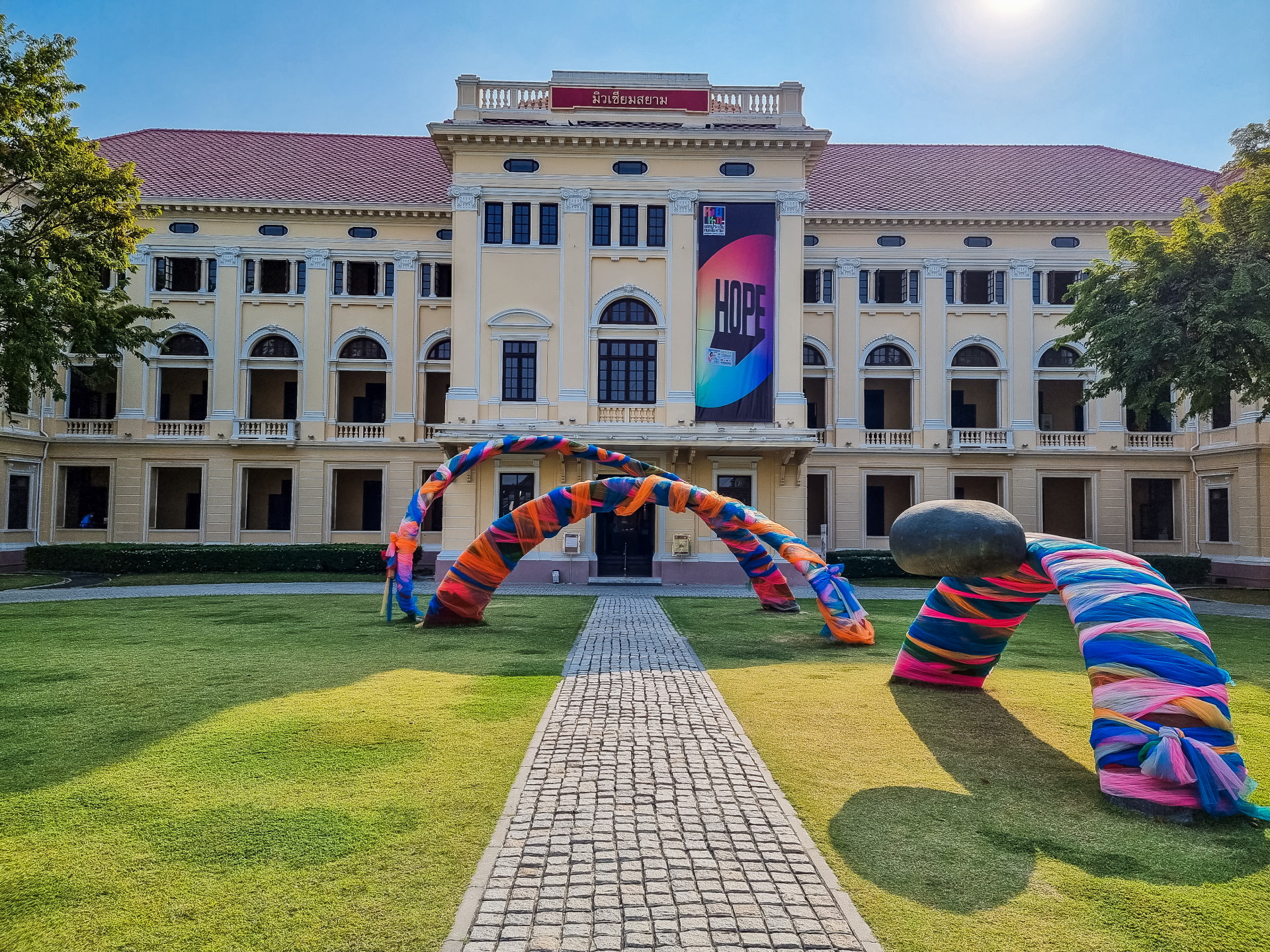
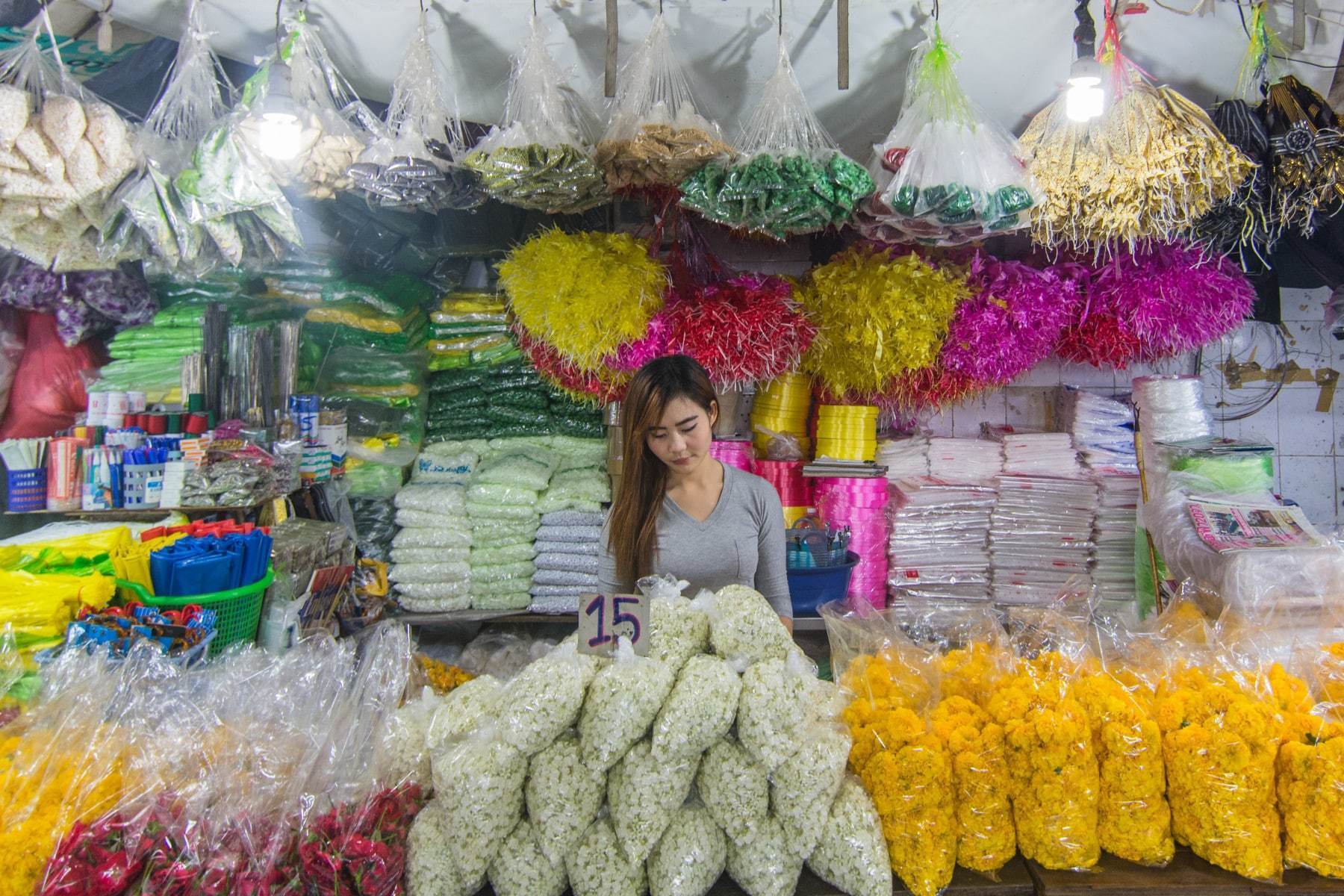
Reasons to stop there:
- The Museum Siam, an interactive museum dedicated to the history and identity of the country.
- The Pak Khlong Talat flower market, open day and night.
- Wat Pho is also accessible on foot from this area.
- The connection with the MRT at Sanam Chai station.
Useful services: City and Urban Lines by Thai Smile Boat.
Memorial Bridge / Saphan Phut (N6)
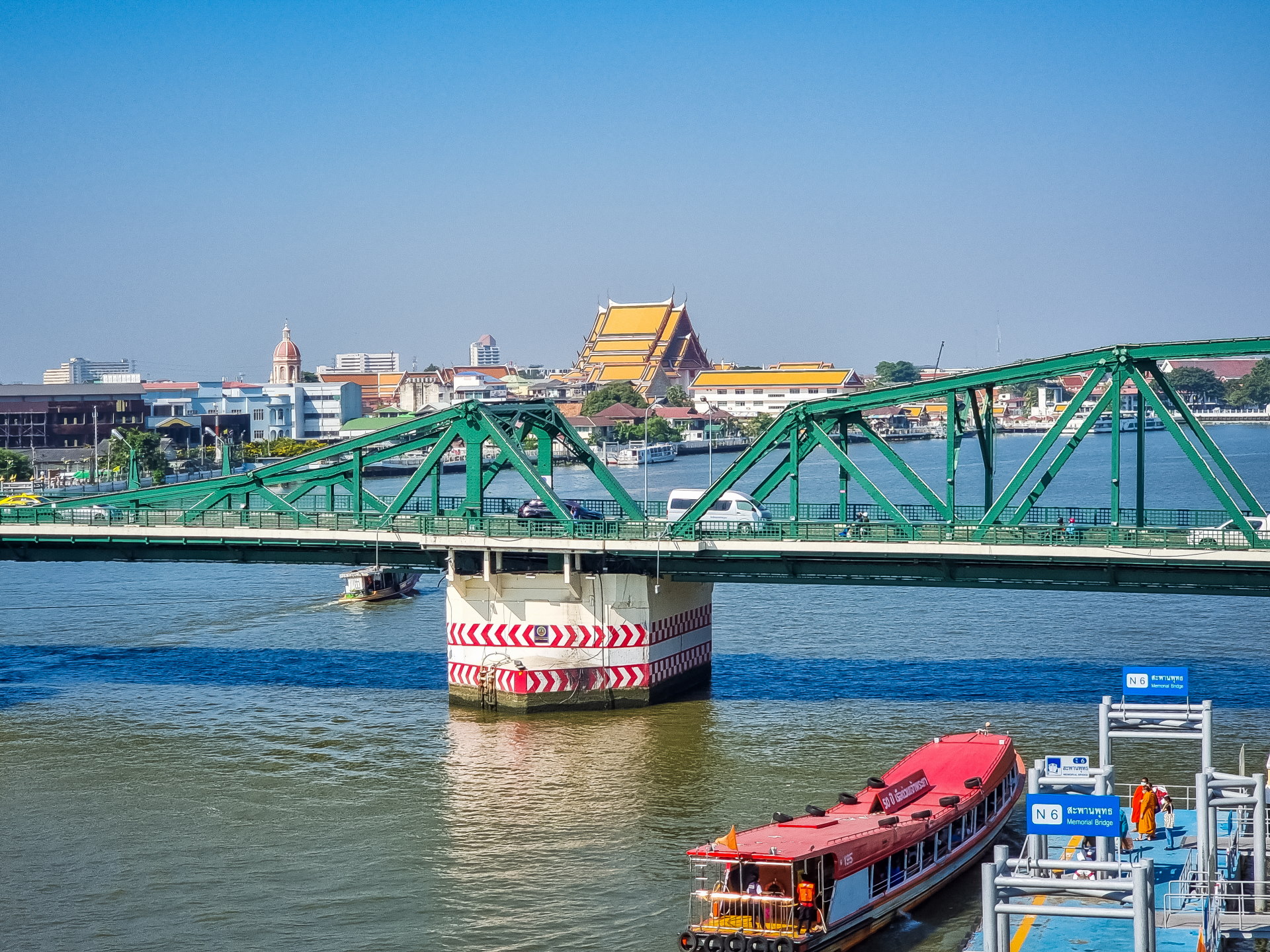
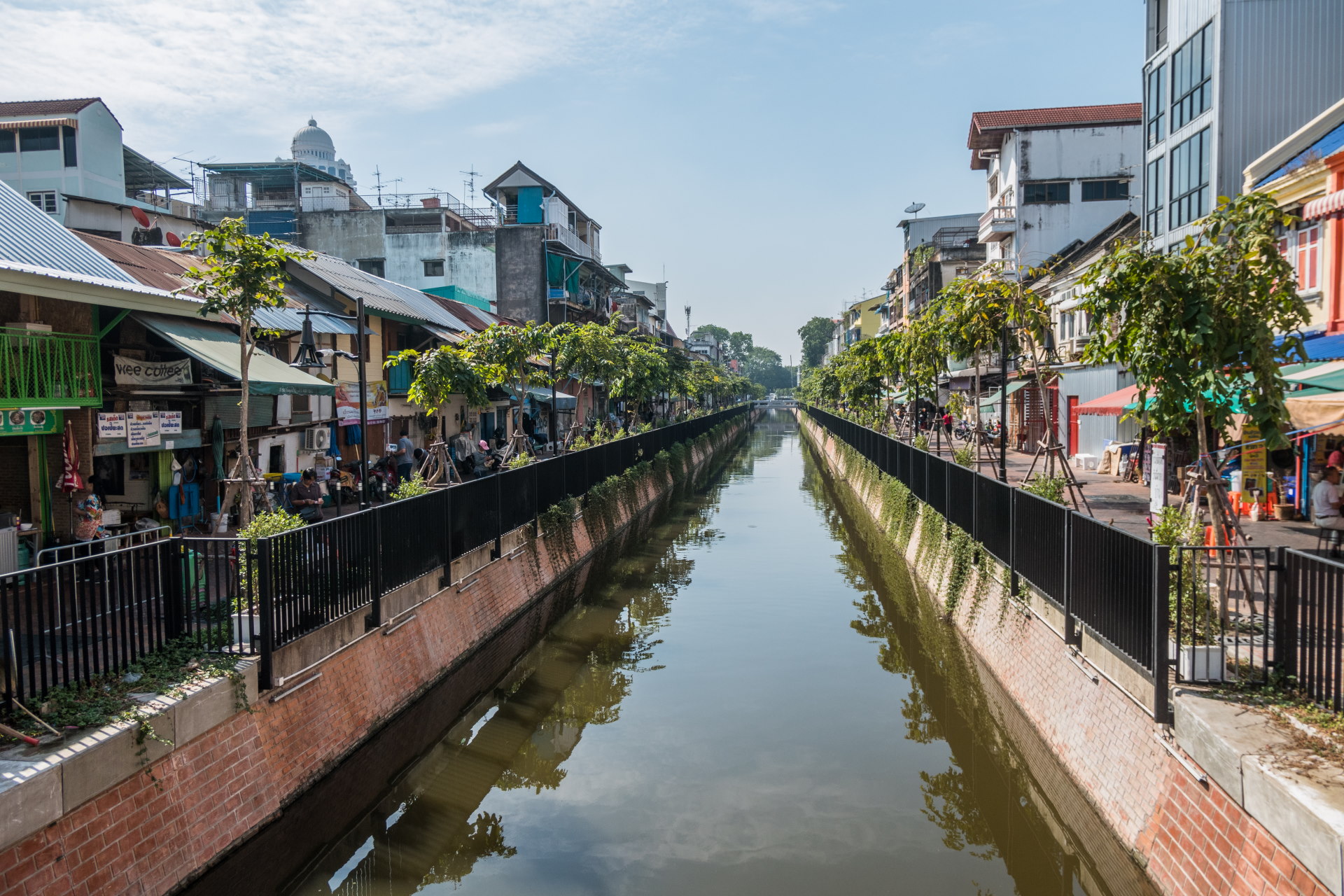
Reasons to stop there:
- The flower market of Pak Khlong Talat.
- The Memorial Bridge, opened in 1932, was the first bridge built over the Chao Phraya River in Bangkok.
- The Indian quarter of Phahurat and Sampeng Lane are within walking distance.
- The walk along the Ong Ang canal, especially lively on weekends.
- The Chao Phraya Sky Park, with its view of the river.
On the other side of the river, the Sino-Portuguese quarter of Kudee Jin is accessible by crossing the Memorial Bridge. I recommend visiting it to immerse yourself in the city's history and discover a neighborhood with a village-like atmosphere.
Useful services: Chao Phraya Express Boat and Chao Phraya Tourist Boat via Yodpiman.
Ratchawong (N5)
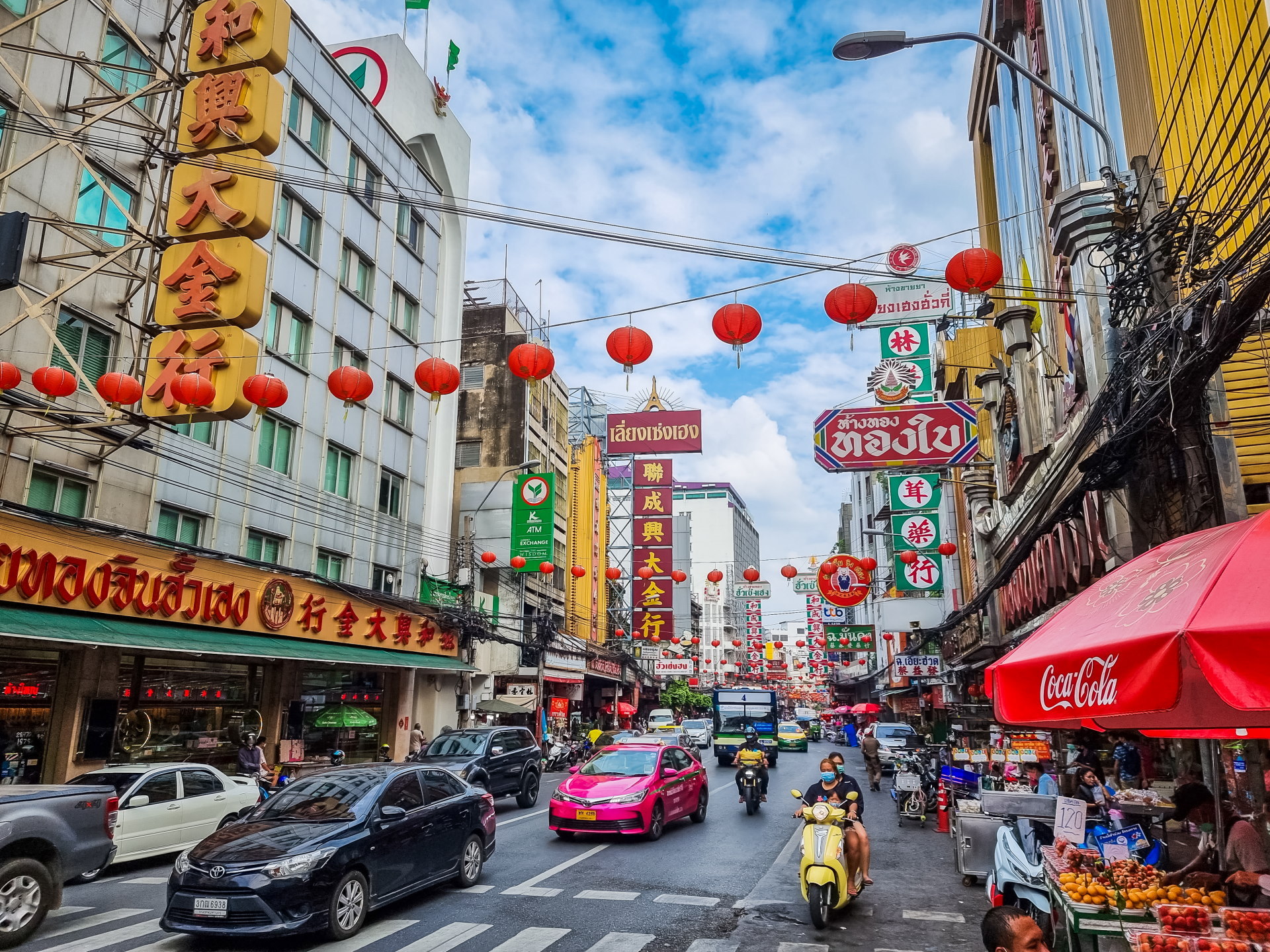
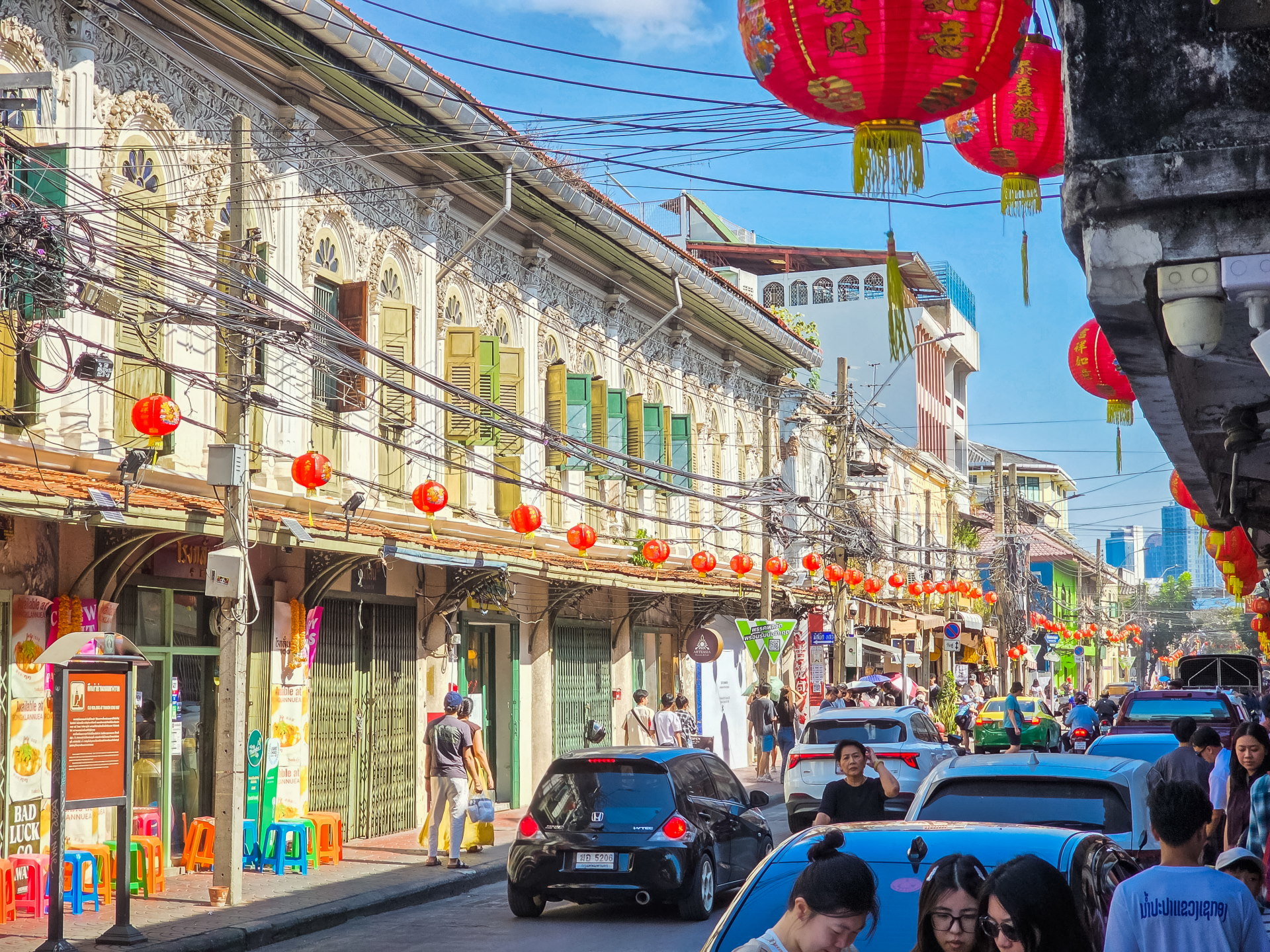
Reasons to stop there:
- Neighborhood Yaowarat, better known as Chinatown.
- Wat Mangkon Kamalawat, the main Chinese temple in the district.
- Sampeng Lane and its many wholesale shops.
- Access to Song Wat Road, a street transformed in recent years by the arrival of trendy shops, cafes and restaurants.
Useful services: Chao Phraya Express Boat, the three Thai Smile Boat lines and Chao Phraya Tourist Boat.
If Phraya (N3)
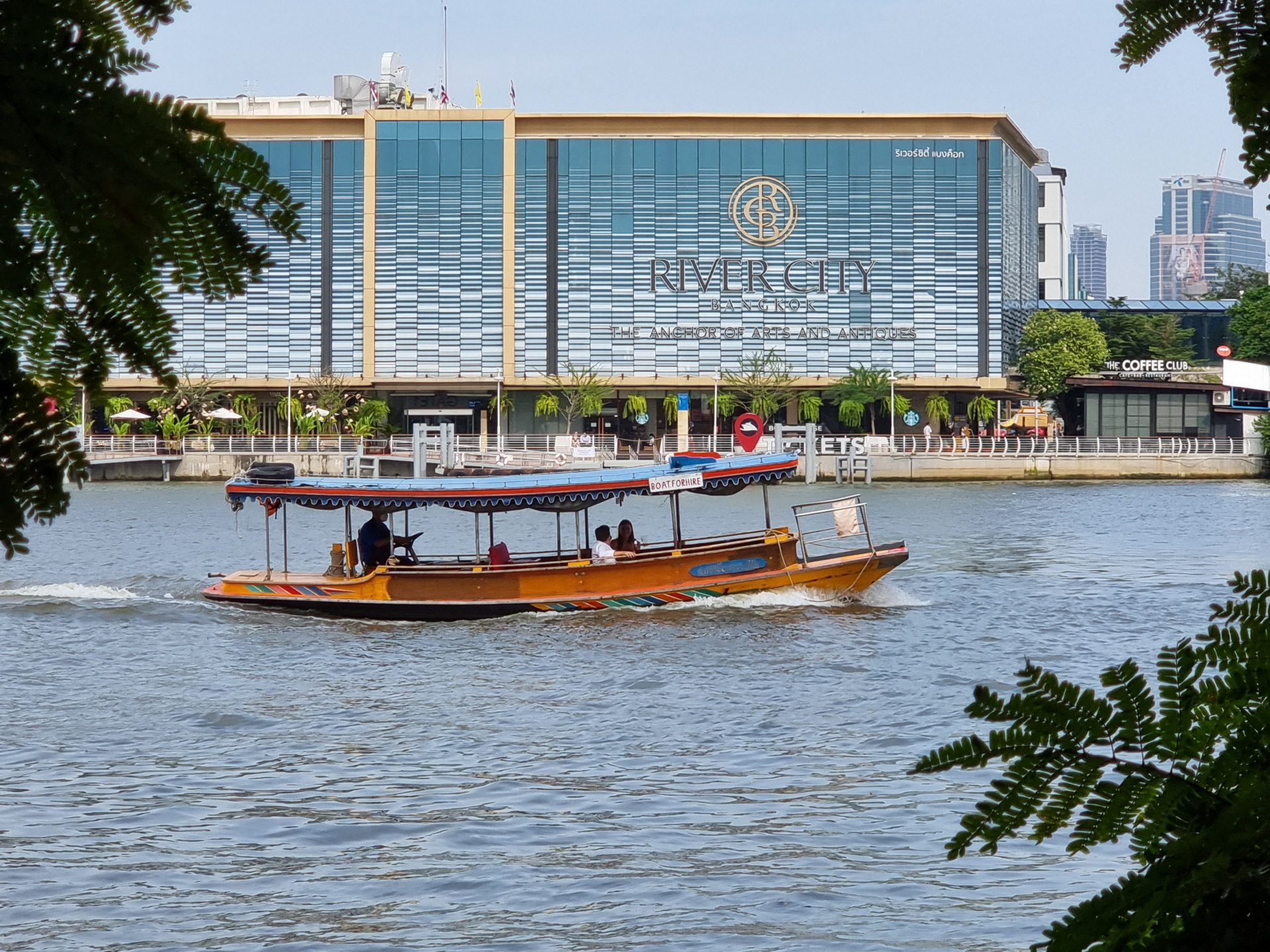
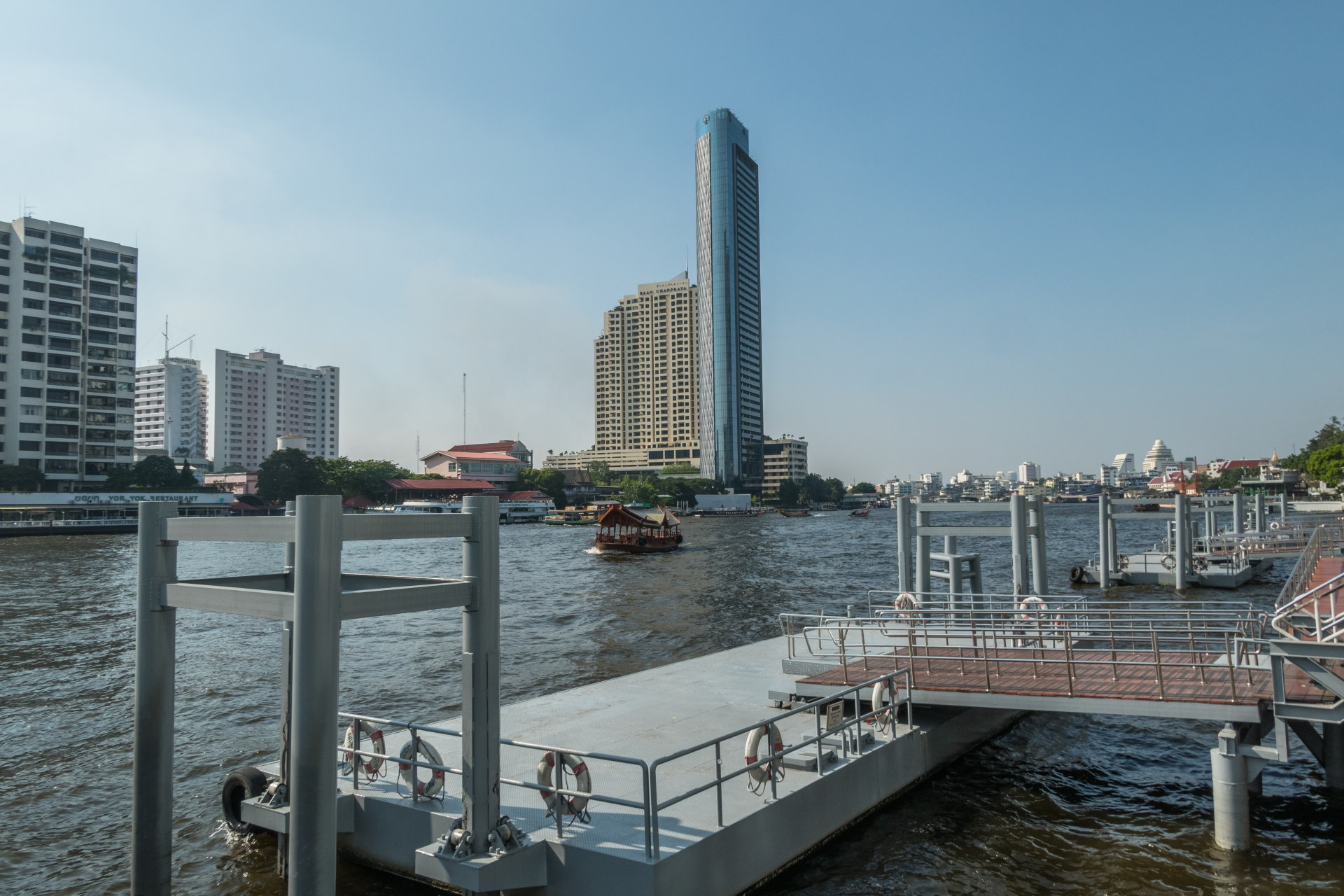
Reasons to stop there:
- River City Bangkok, dedicated to antiques and art exhibitions.
- Charoen Krung Road, with its galleries and cafes.
- access Talat Noi district.
- The small ferry allows crossing to Khlong San and the ICONSIAM shopping center.
With the Oriental Quay currently closed for renovation, Si Phraya also provides a solution for reaching the Mandarin Oriental, the French Embassy and the old streets of Bang Rak, even if you then continue on foot or by taxi.
Useful services: Chao Phraya Express Boat and Thai Smile Boat's Urban Line. The nearby River City pier is served by City and Urban Lines as well as the Chao Phraya Tourist Boat.
Sathorn (Central Pier)
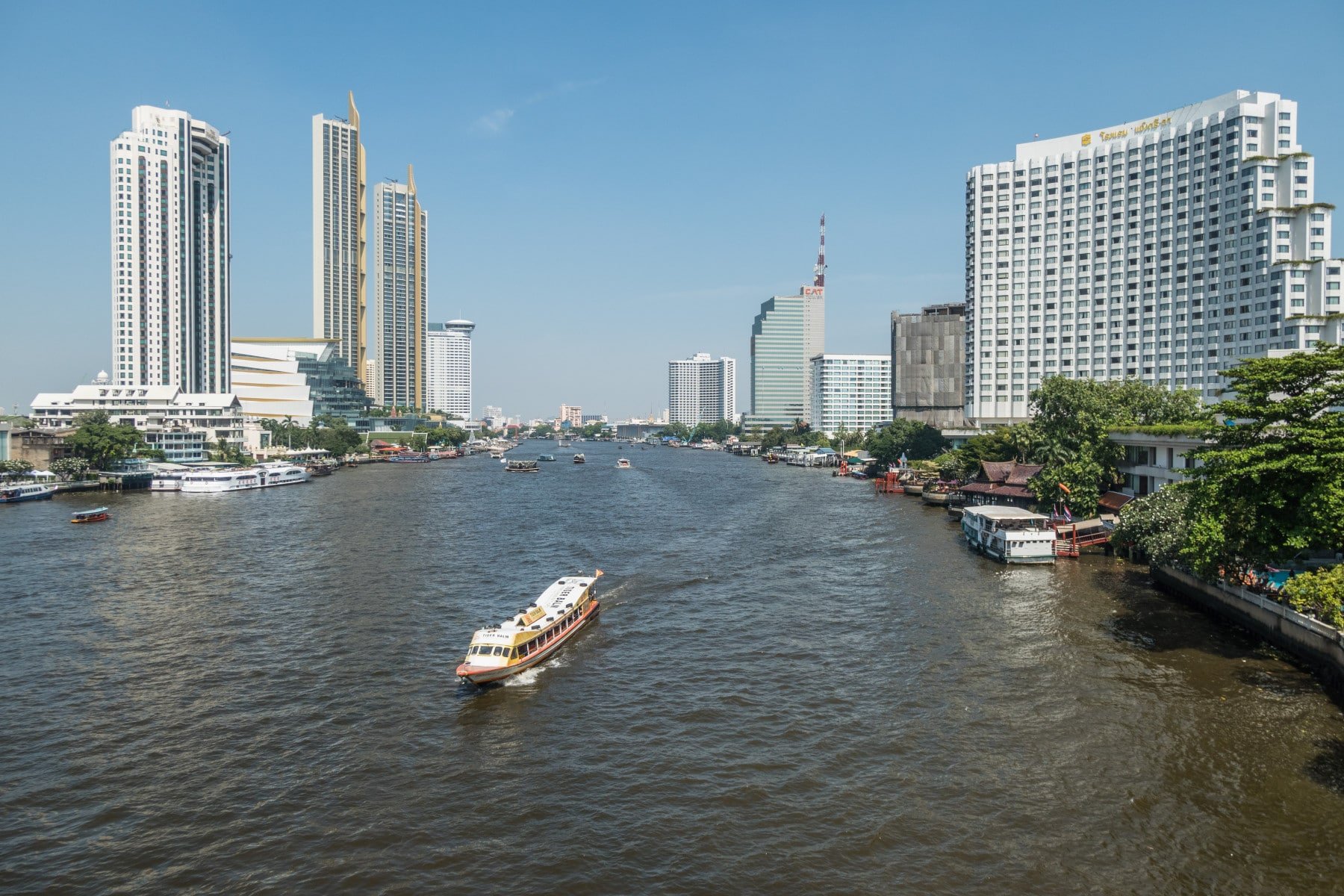
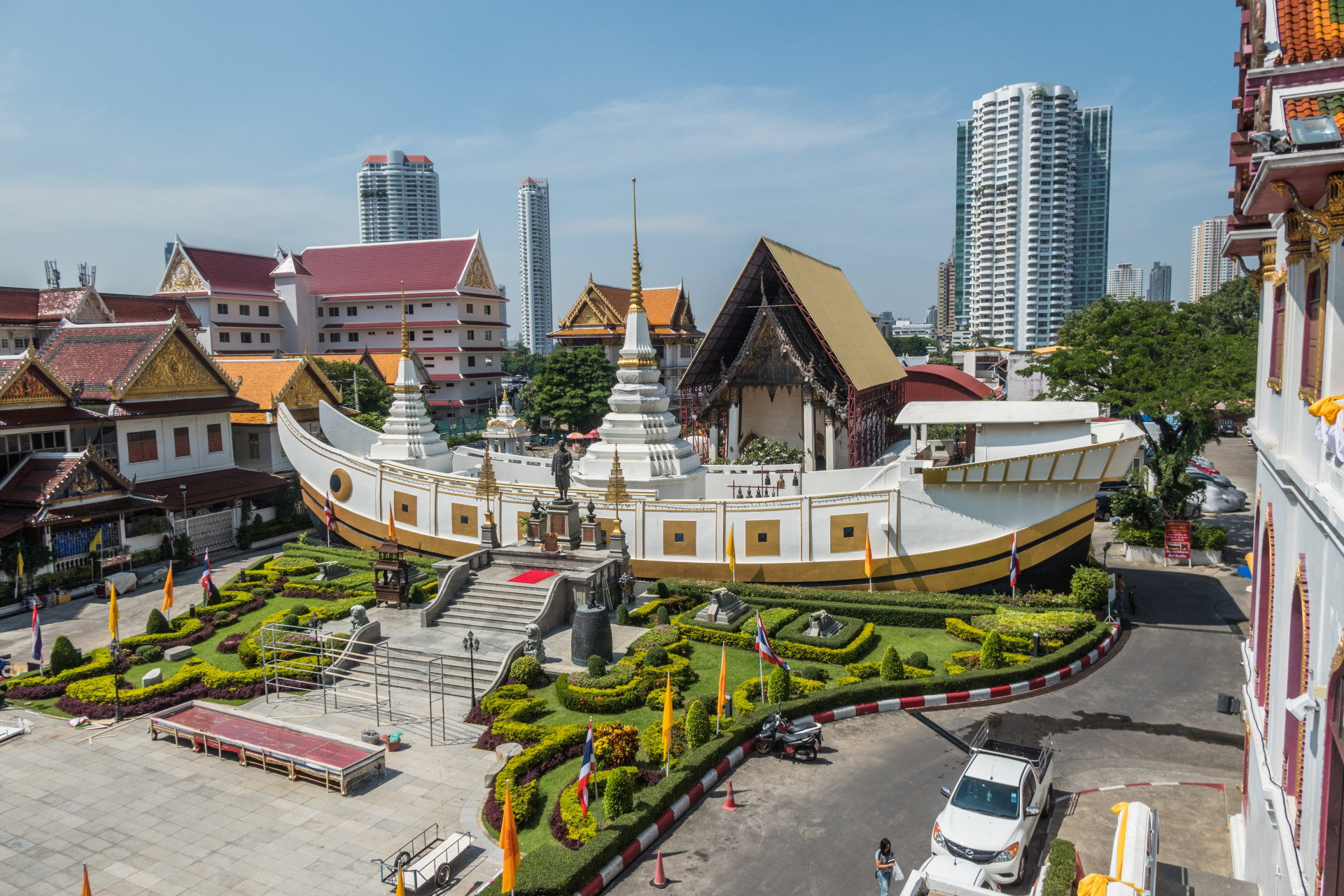
Reasons to stop there:
- The direct connection with the Skytrain, at the BTS Saphan Taksin Station.
- Sathorn Road and Silom, two important districts in central Bangkok.
- The shuttles cross the river or connect to various hotels, including the Millennium Hilton, the Mandarin Oriental and the Anantara Riverside.
- Shuttles to ICONSIAM or Asiatique The Riverfront.
- The departure point for the main public and tourist lines traversing the Chao Phraya.
Sathorn is the easiest starting point if you arrive by BTS, but it's also the platform where the presence of several ticket counters and companies can be confusing. You'll also find touts offering longtail boat rides; avoid them and stick to the official ticket counters ( I talk about them here ).
Useful services: Chao Phraya Express Boat, the three Thai Smile Boat lines and Chao Phraya Tourist Boat.
Asiatique the riverfront
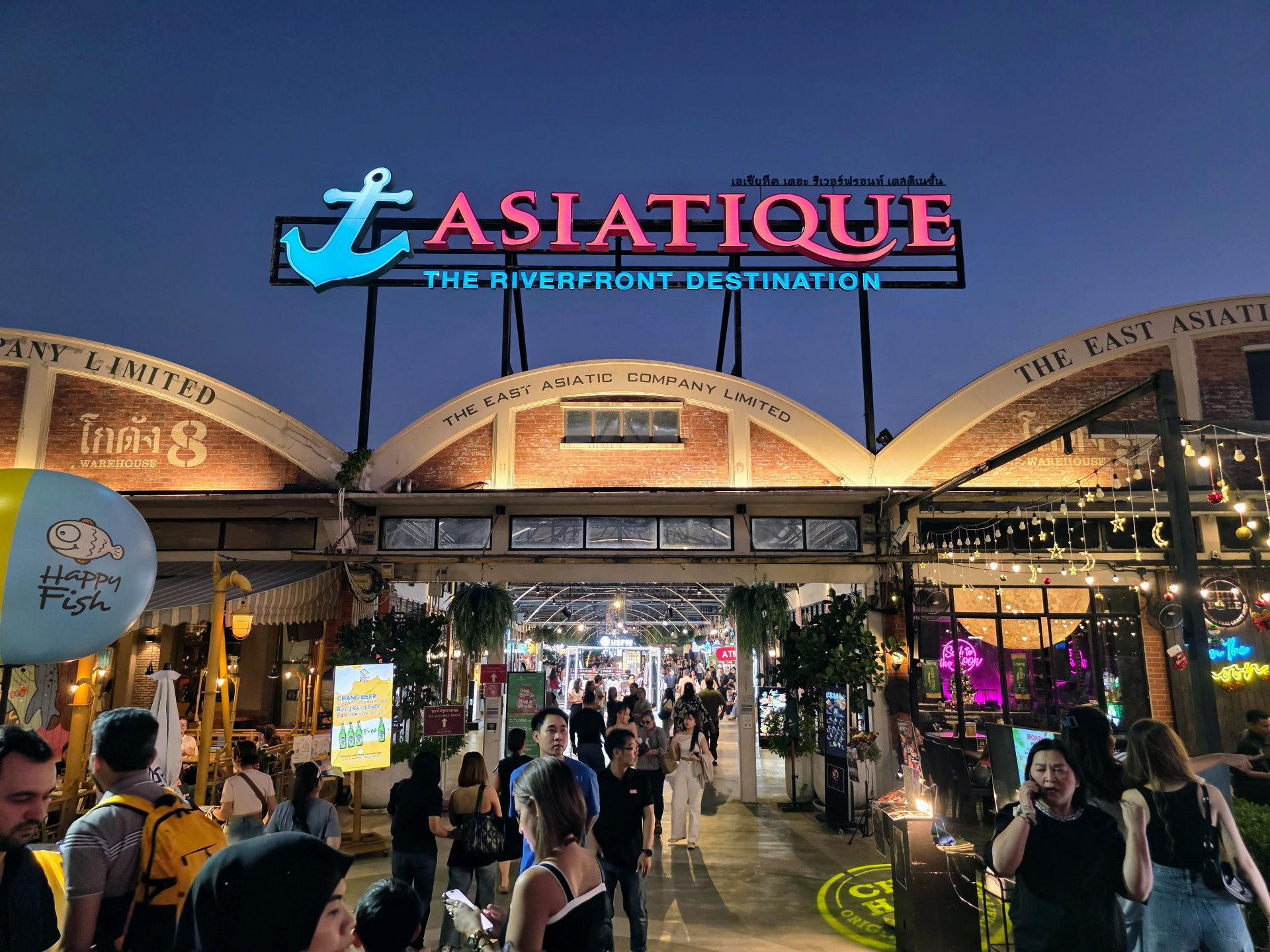
Reasons to stop there:
- Asiatique the riverfronthoused in renovated former warehouses, with its restaurants, shops and Ferris wheel.
- The temple of Wat Ratcha Singkhon, whose quay usually appears as Wat Rajsingkorn on boat plans.
Thai Smile Boat directly serves Asiatique with its City Line, while the Tourist Boat extends some of its sailings there in the late afternoon. The Chao Phraya Express uses the nearby Wat Rajsingkorn pier, which serves as its southern terminus.
Useful services: City Line of Thai Smile Boat and some services of the Chao Phraya Tourist Boat to Asiatique.
Public boats remain the simplest and, above all, the cheapest way to travel the river. However, they are not the only way to discover Bangkok from the water: longtail boats allow you to venture deeper into the canals, while dinner cruises offer a very different experience in the evening.
Explore the khlongs by longtail boat
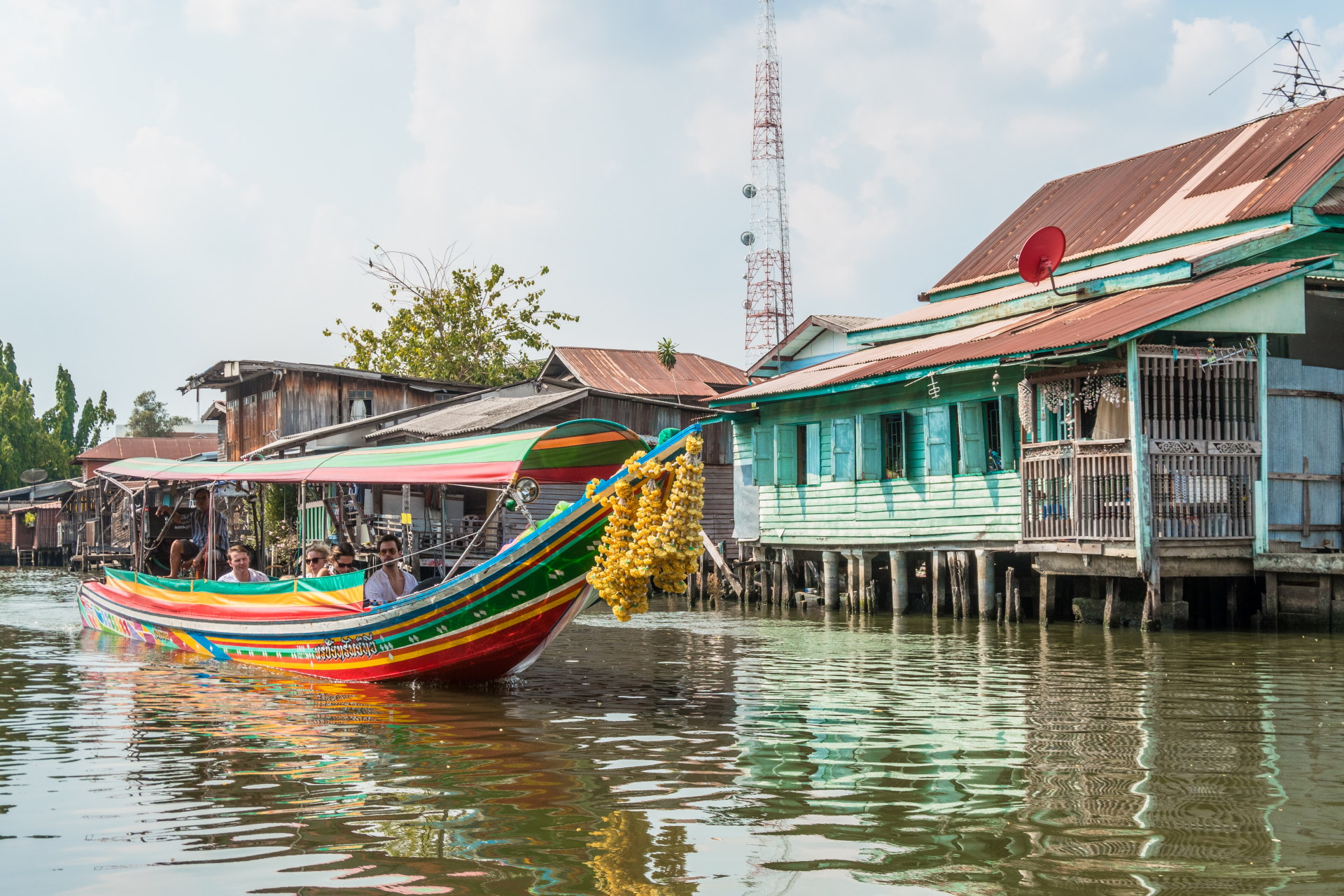
Long-tail boats are mainly used for private excursions on the canals of Thonburi, where you can discover a side of Bangkok that is very different from the grand monuments lining the Chao Phraya.
If you're looking for a hassle-free experience, several standard routes are available from the busy quays of the historic center. But in reality, these boats operate more like river taxis. You can therefore create a personalized itinerary, with or without stops. The price is then fixed for the entire boat, depending on the route and duration. It's best to agree on these details before boarding.
Dinner cruises
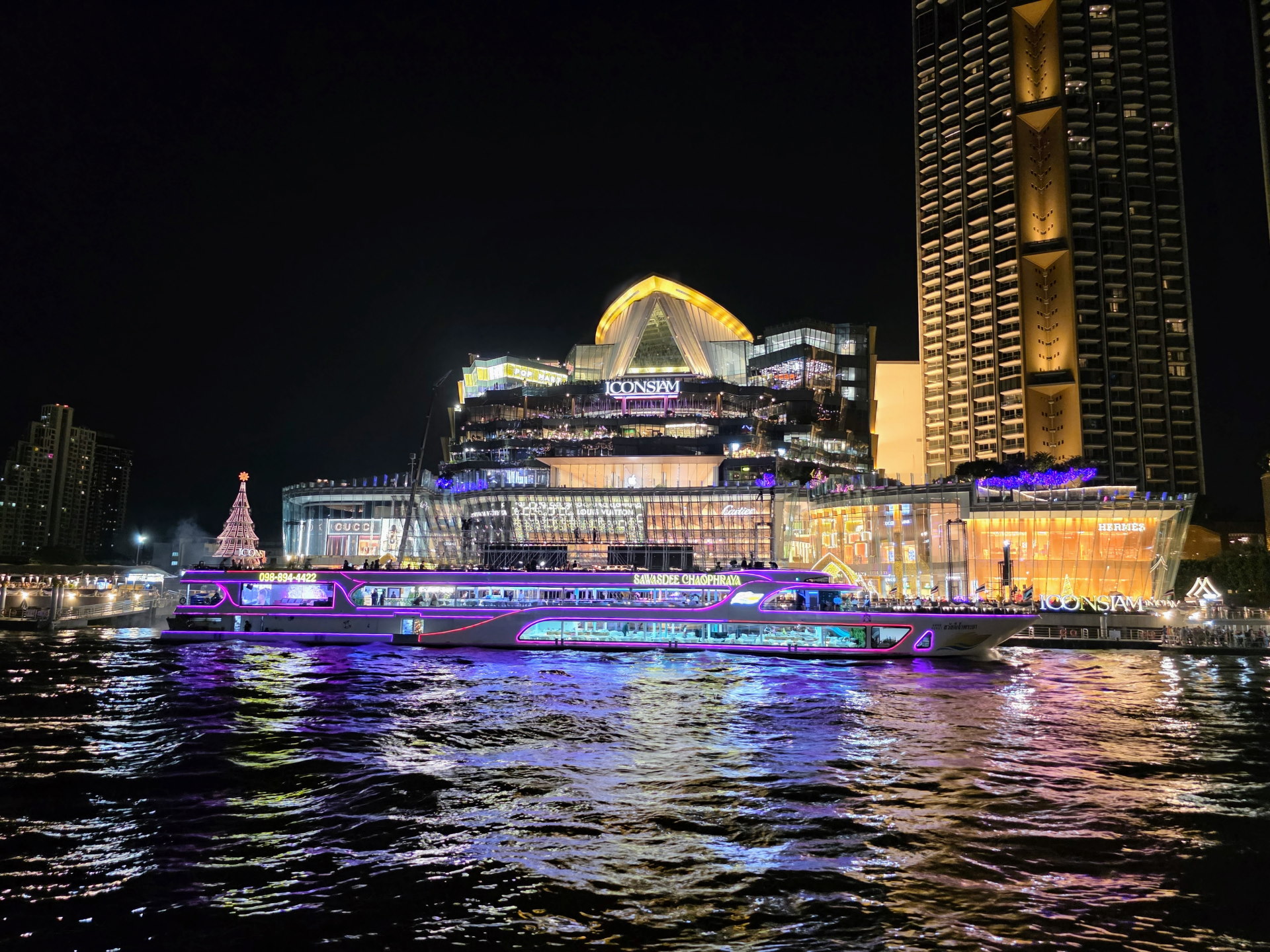
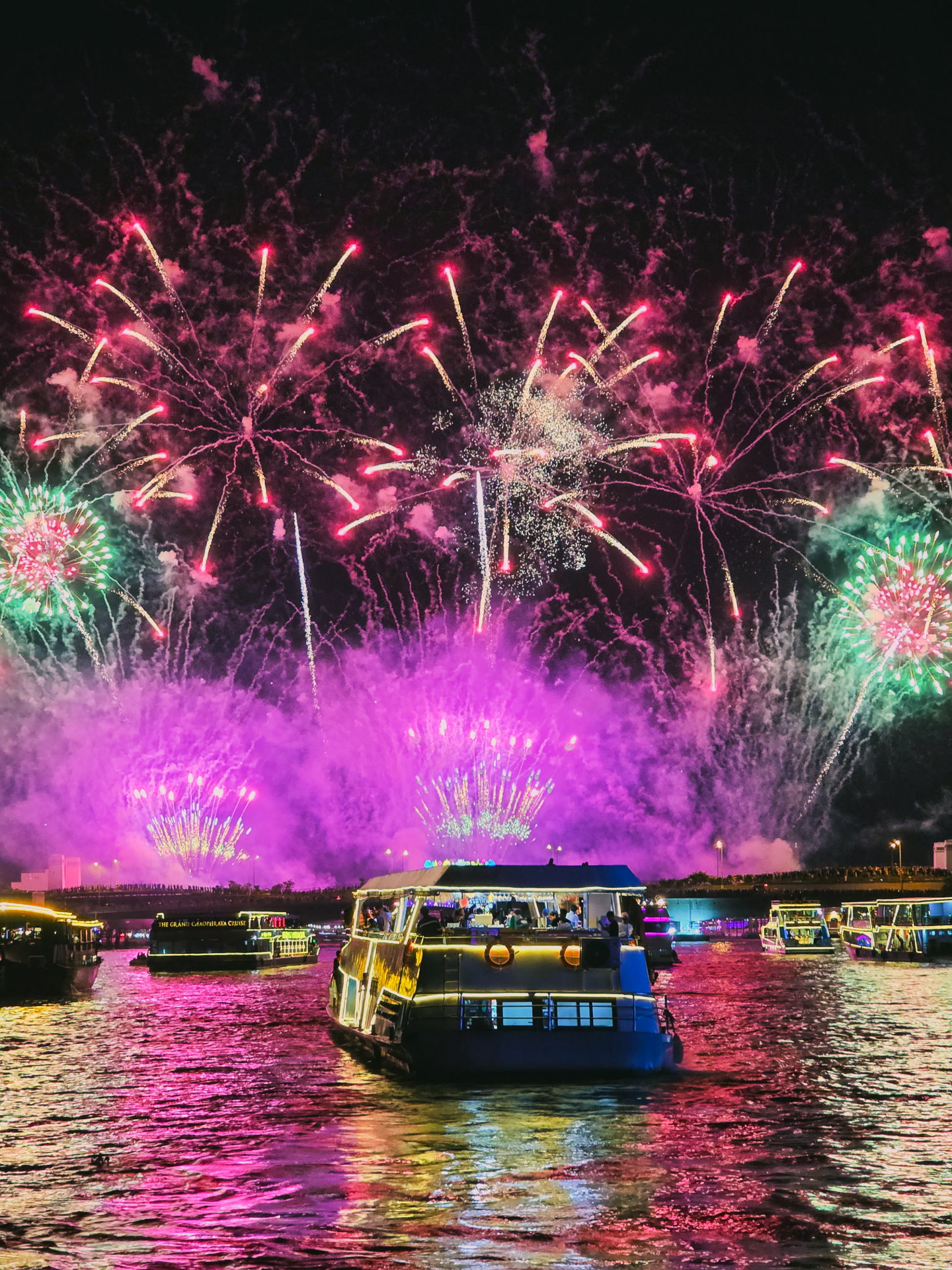
Dinner cruises are obviously not a means of transport, but they are definitely part of the Chao Phraya River scenery at nightfall. The routes generally pass through the historic center, with views of Wat Arun, the Grand Palace, the Rama VIII Bridge, and the modern buildings lining the river.
The selection is quite varied. Larger boats usually offer a buffet with music or entertainment, while some smaller vessels focus more on the meal and a more intimate atmosphere. The main departures are from River City Bangkok, ICONSIAM, and Asiatique. The choice therefore depends as much on the type of boat you're looking for as on the menu or the advertised itinerary.
Where to eat on the banks of the Chao Phraya River?
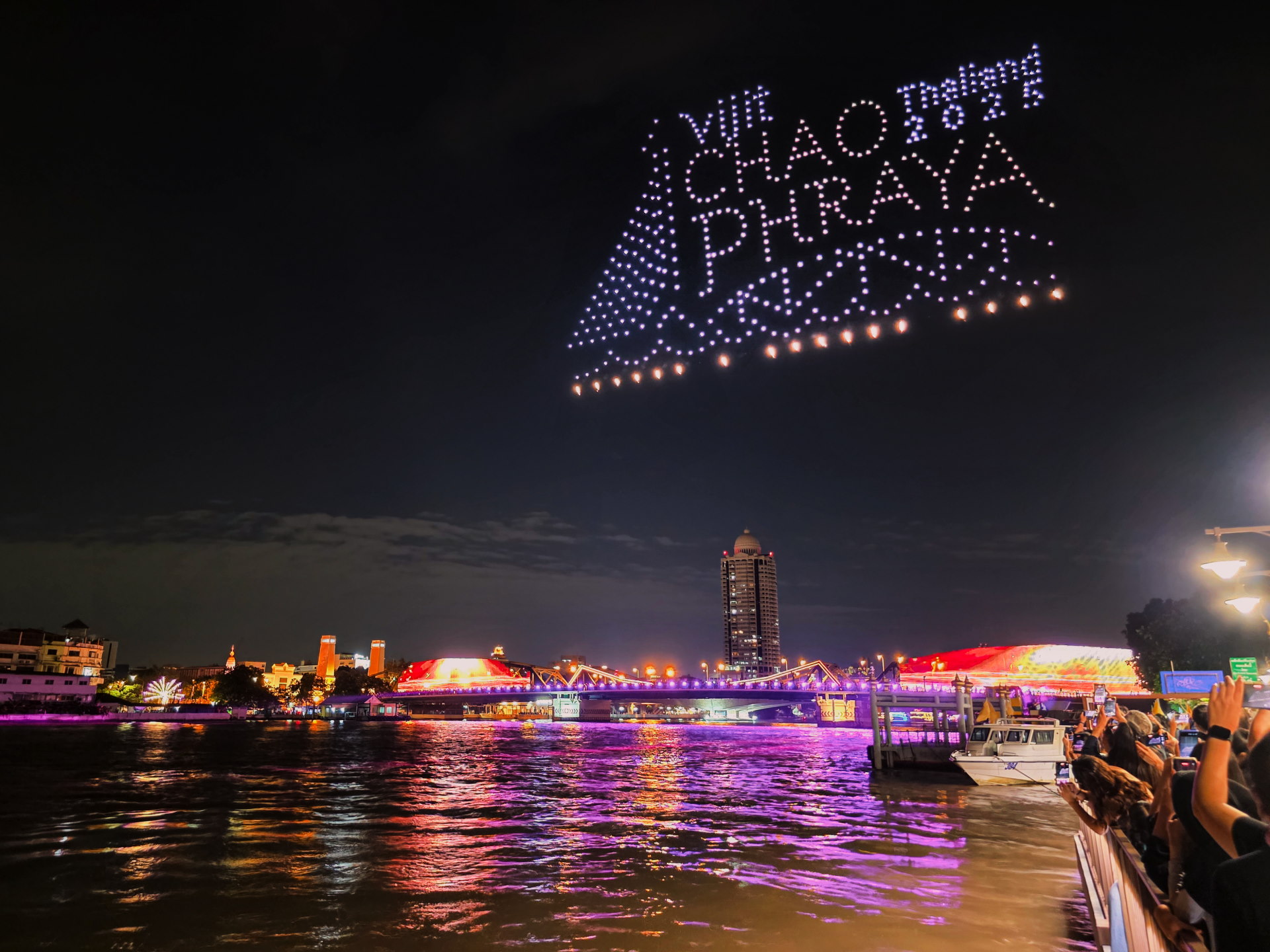
You don't need to go on a boat to enjoy the river at mealtimes. Bangkok has many restaurants set up directly on the banks of the Chao Phraya, ranging from small, unpretentious bars to restaurants offering a privileged view of the monuments.
Here are some places I've had the chance to try, grouped according to their atmosphere rather than in a simple ranking.
In the old houses of Song Wat and Khlong San
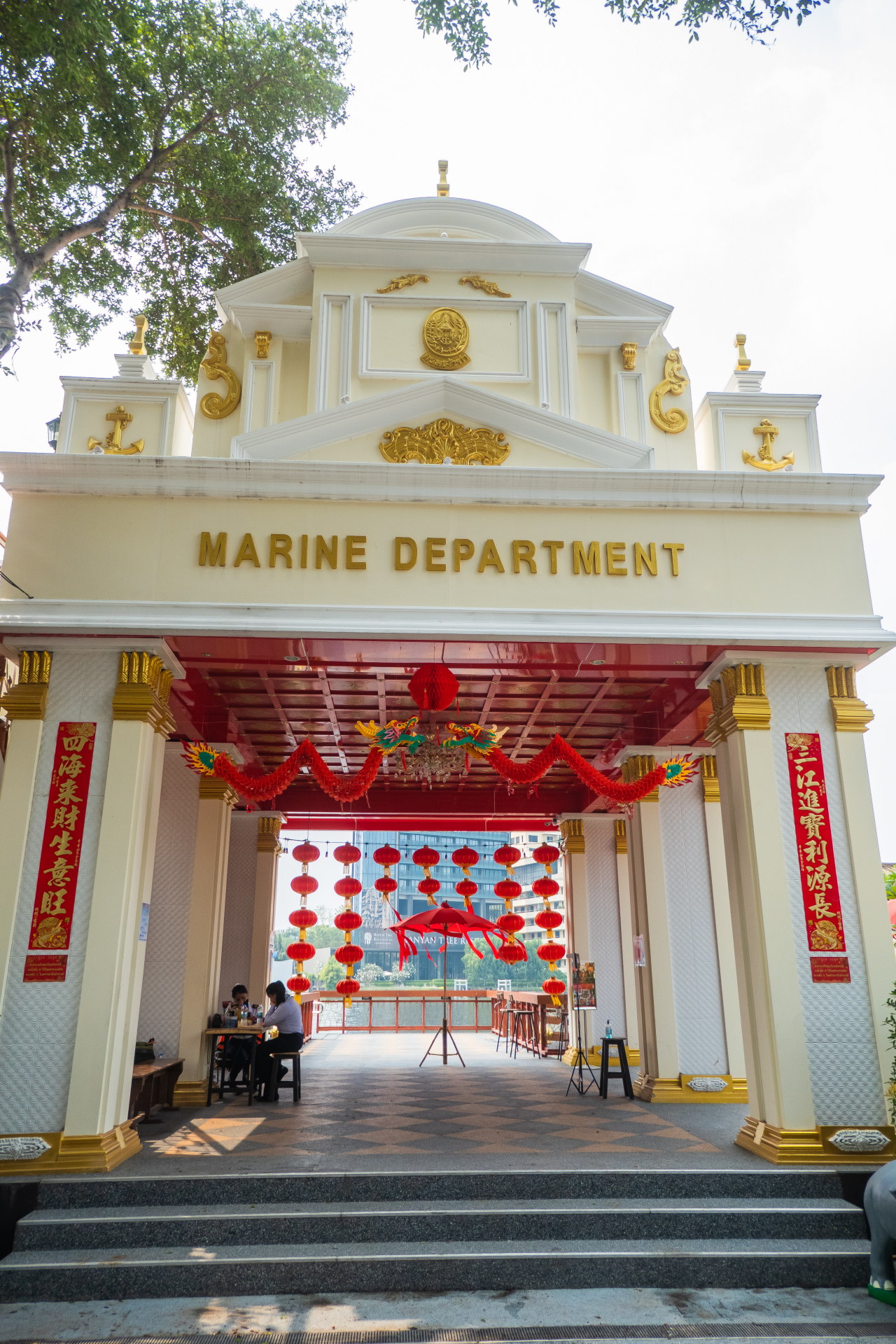
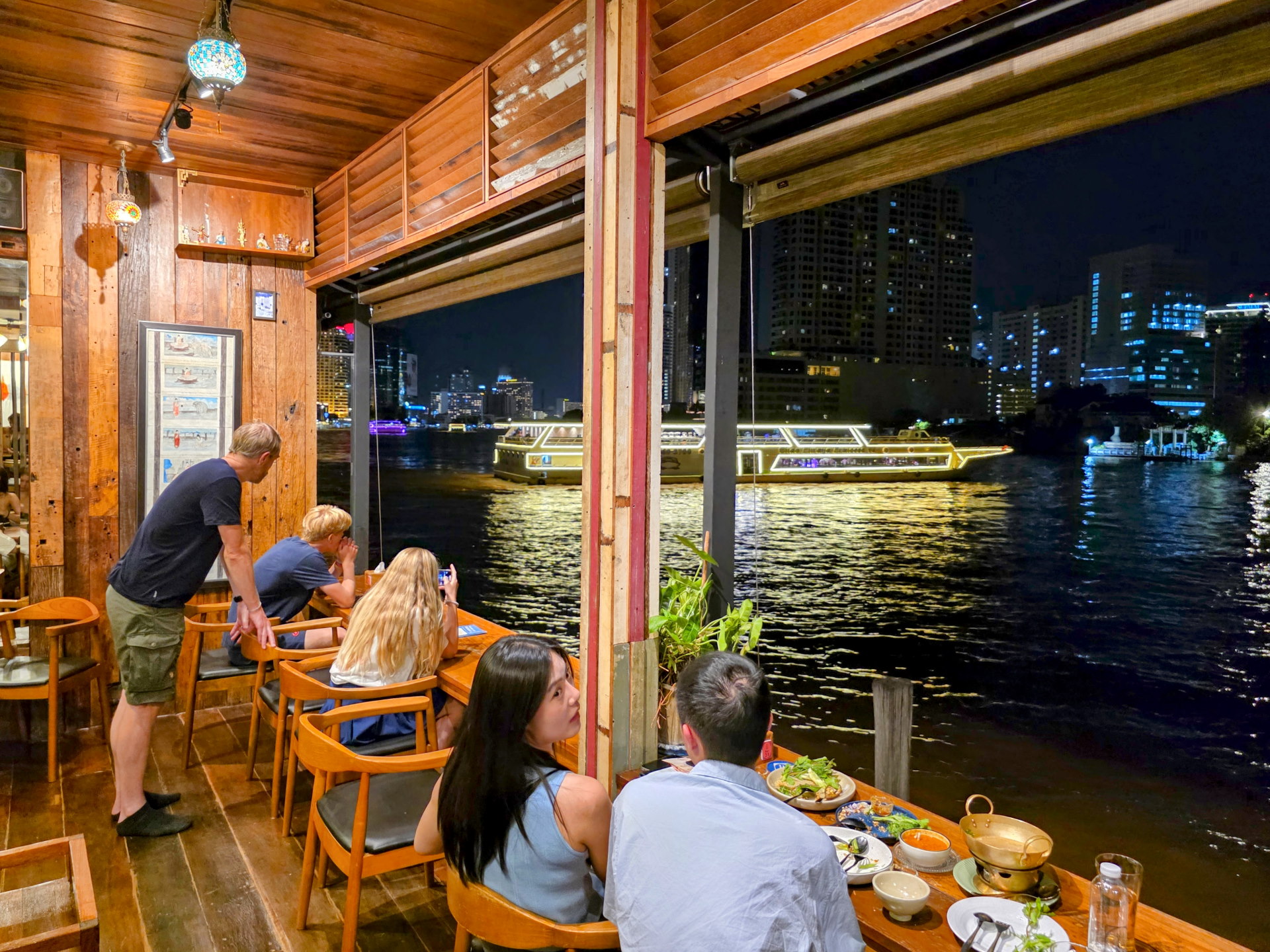
Located at the end of a small alley in Song Wat, tucked away behind a temple, Naam 1608 occupies an old wooden house facing directly onto the river. It's the perfect place to combine a stroll between Song Wat and Talat Noi with a Thai lunch or dinner. The Ratchawong and Marine Department wharves are the most convenient access points to the area.
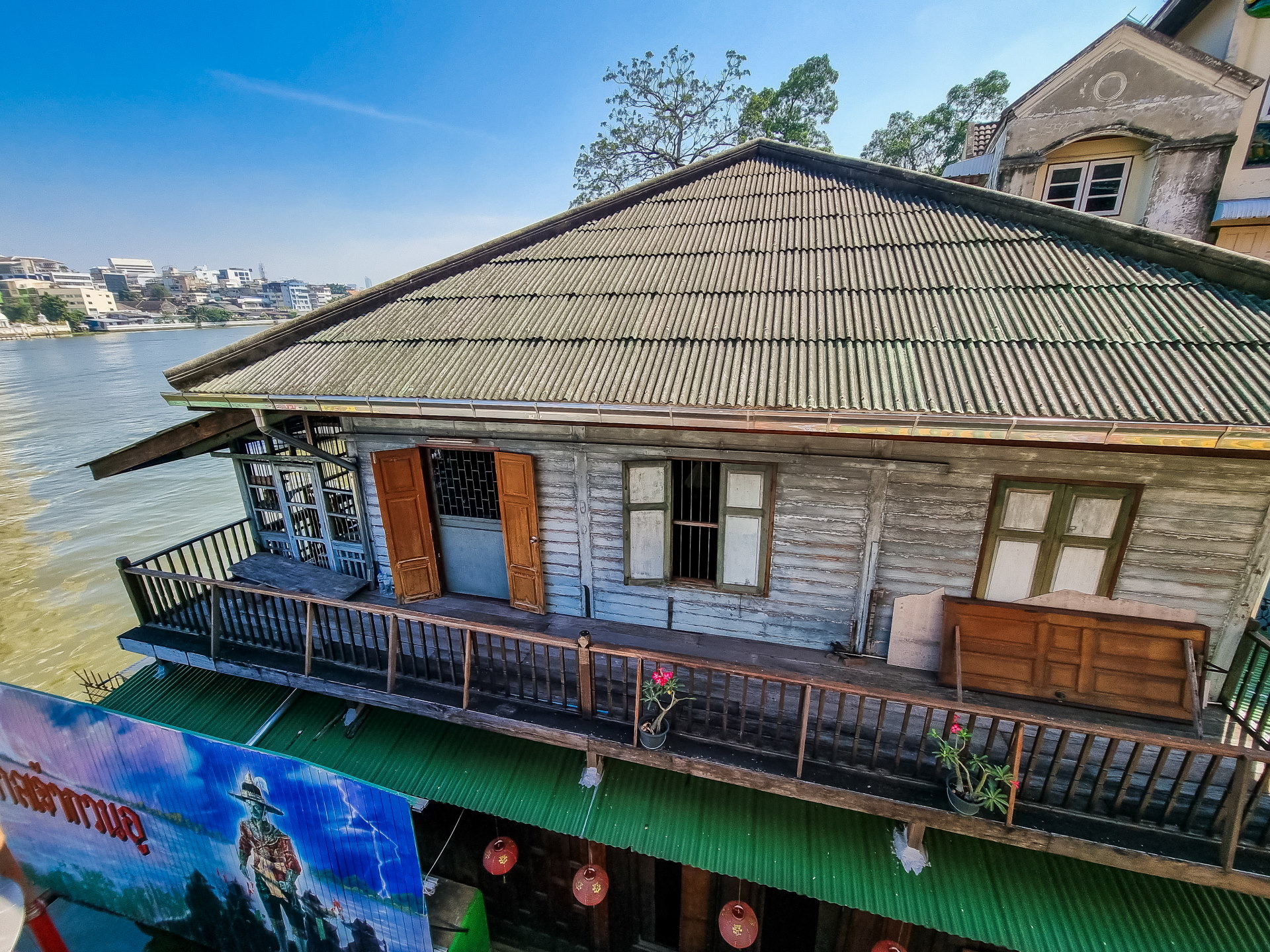
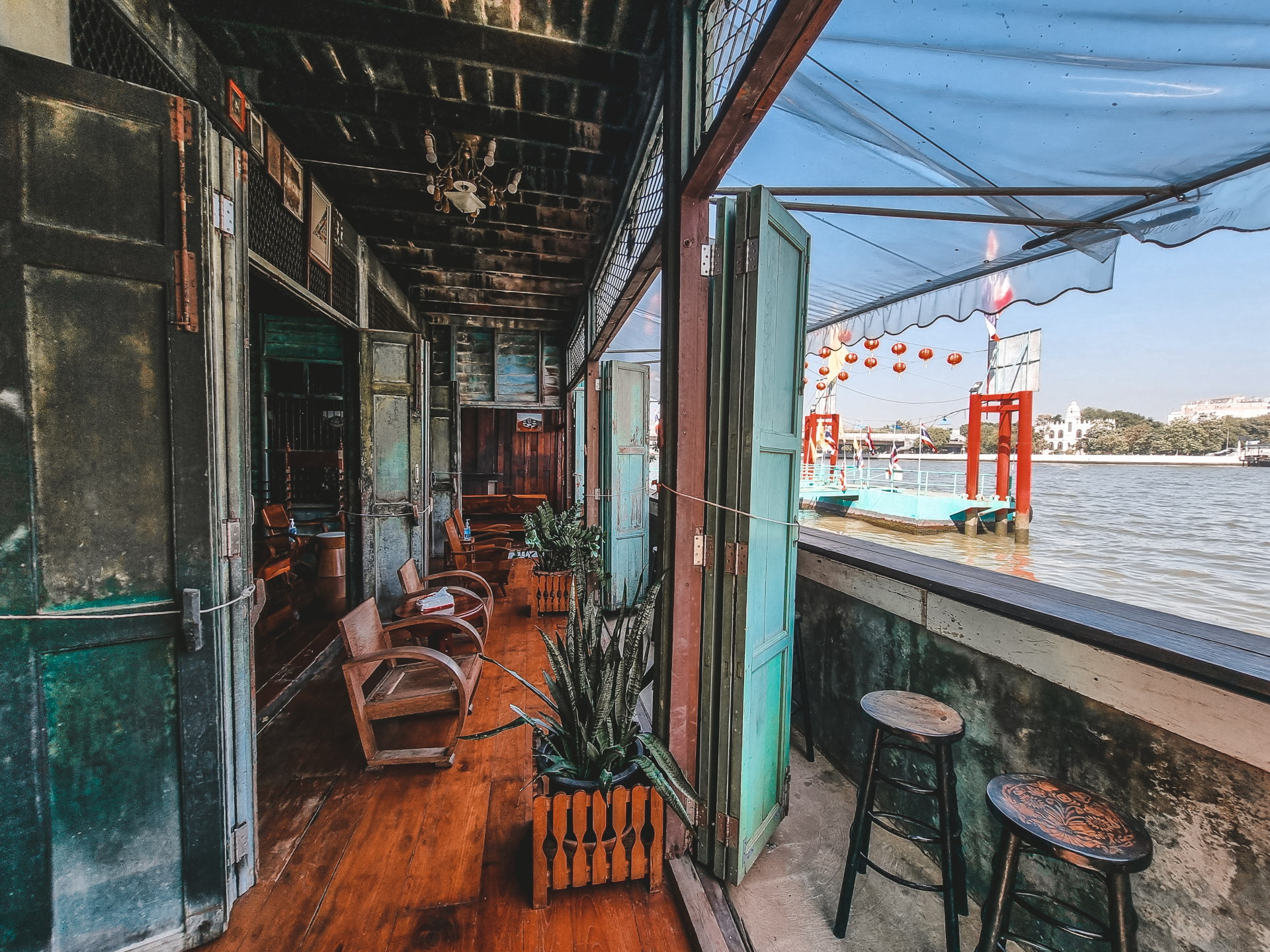
On the opposite bank, My Grandparent's House is housed in a former Sino-Thai family home once associated with the fish sauce trade. It's more of a heritage café, a popular spot for daytime visits. Nearby, Tsai Eatery offers a more contemporary setting and is suitable for coffee, lunch, or dinner. Both are located in the Khlong San area, north of ICONSIAM.
To dine with a view of the monuments and bridges
In Tha Tien, The Deck by Arun Residence is popular not only for its excellent cuisine but also for its direct view of Wat Arun, a particularly sought-after feature at the end of the day. Just a short walk away, Horsamut offers a different approach with Thai cuisine focused on seafood, also overlooking the river but at a significantly higher price point than The Deck. Both restaurants are accessible from the Tha Tien or Rajinee riverfronts.
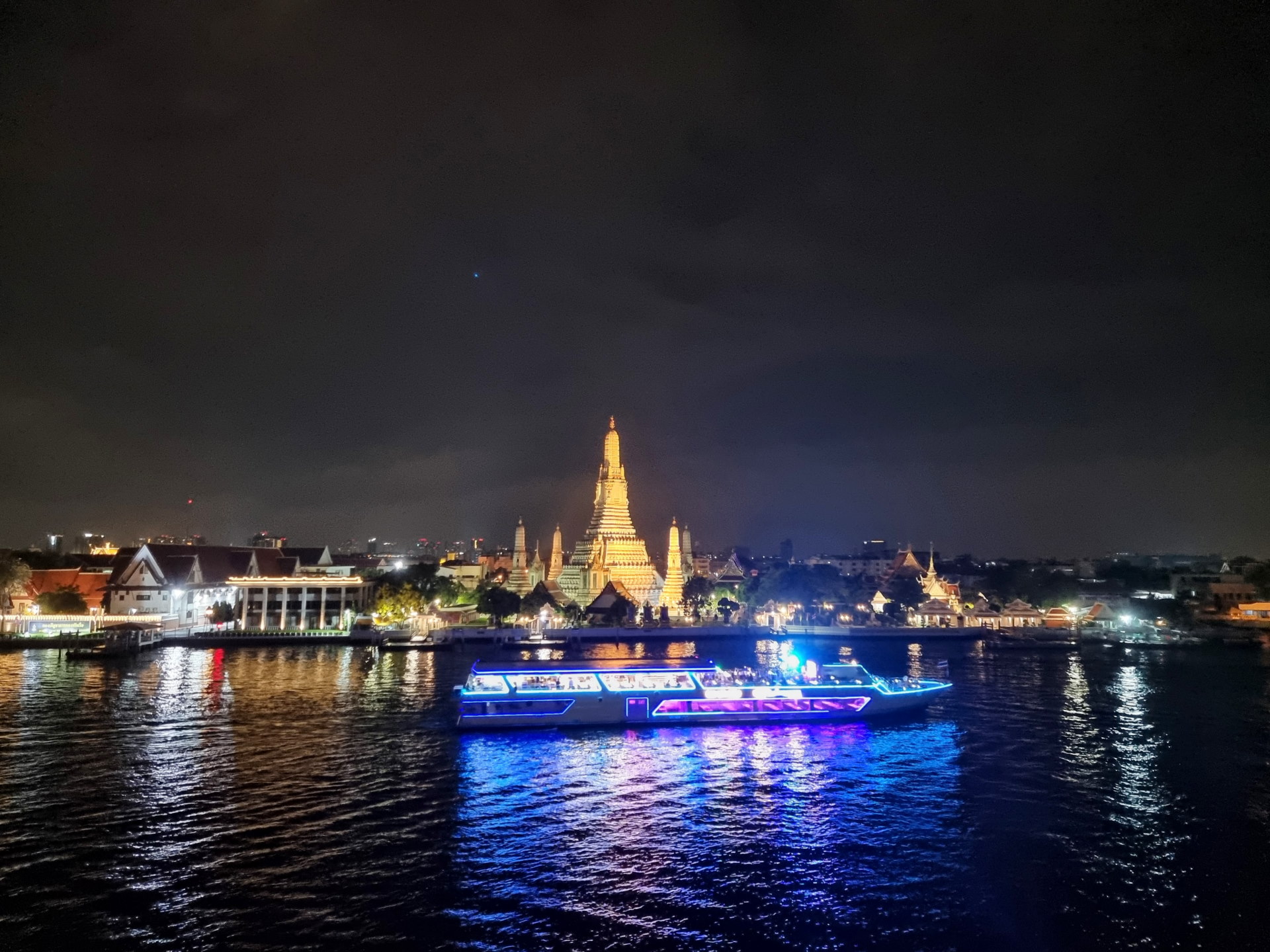
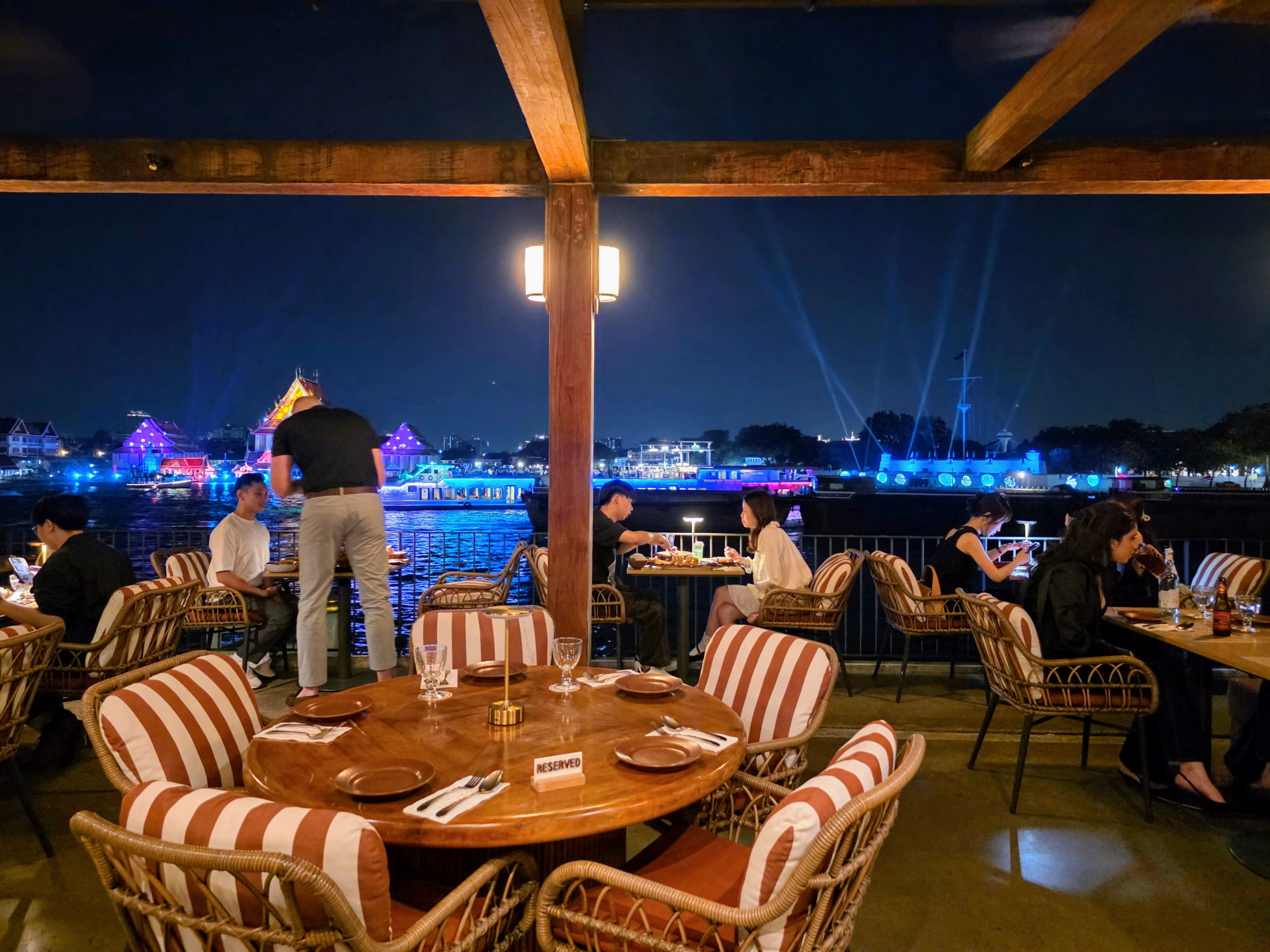
Further north, near Phra Athit, Coco Chaophraya offers an unobstructed view of the river and the Rama VIII Bridge. Its location makes it an easy place to stay when visiting Bang Lamphu or around Phra Sumen Fort, and convenient if you are staying in the area (around Soi Rambuttri, Khao San or Samsen 1 to 4).
For a simpler atmosphere by the water
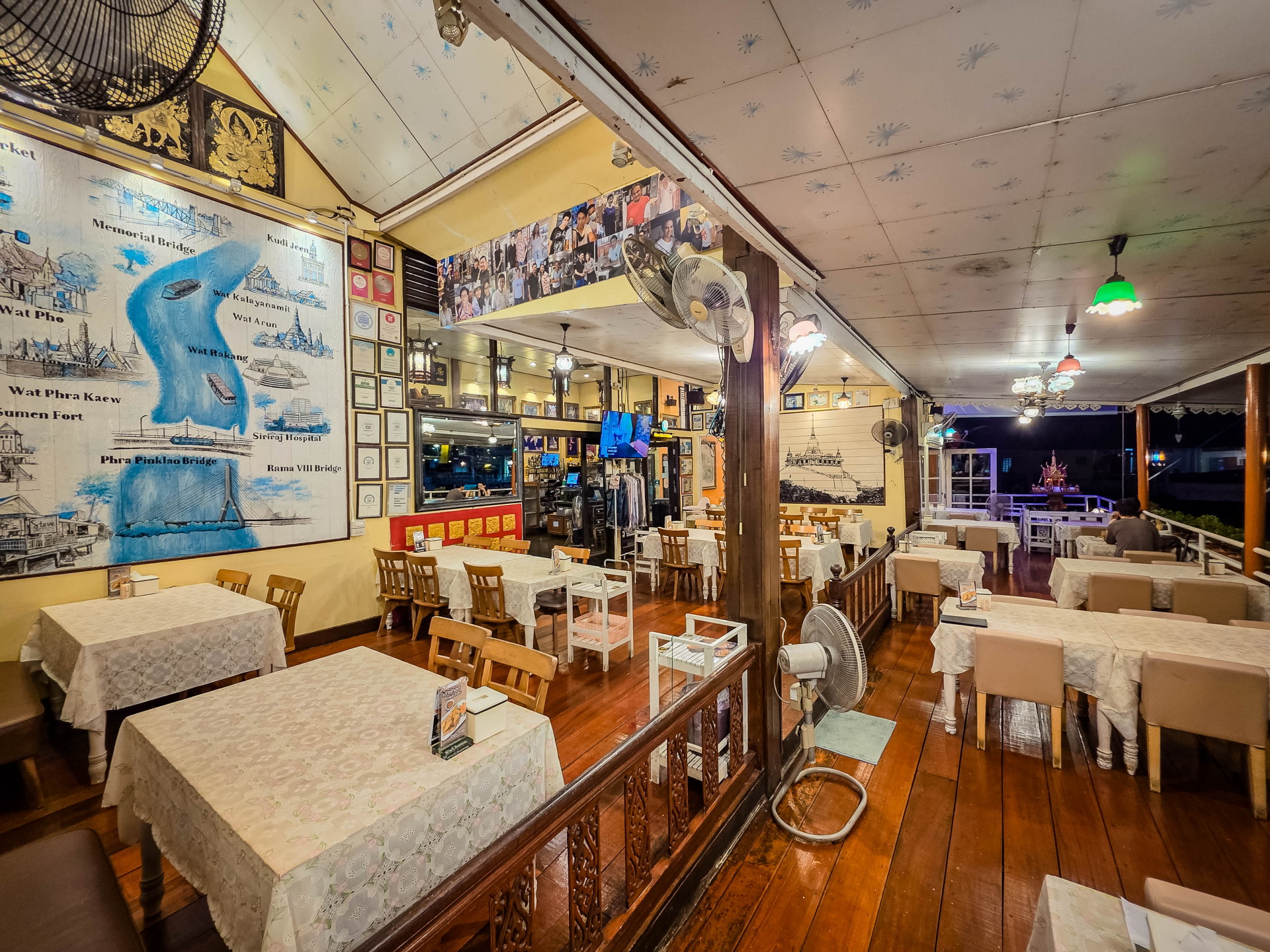
Near Thewet Wharf, Steve Cafe & Cuisine is tucked away at the end of a small alley and serves home-style Thai food in a century-old house, right on the riverbank.
Near Sathorn's central dock, Jack's Bar perfectly embodies the unpretentious restaurant-bar: a few tables set up over the water, Thai dishes, and drinks at prices that remain reasonable despite the location. The contrast with the large neighboring hotels is largely part of its charm, but also its success; it's often packed!
These restaurants aren't all in the same price range, and the best tables by the water get booked up quickly at sunset. Remember to check opening hours and make a reservation if the restaurant allows it.
What if you slept on the banks of the Chao Phraya?
If you enjoy the river atmosphere, staying on the banks of the Chao Phraya can also be a great option for your trip to Bangkok. You'll find beautiful hotels, river views, and convenient access to boats for reaching several major attractions.
It's not necessarily the cheapest choice, nor the most central for going out in the evening, but for an original stay, it's clearly an option to consider.
→ I discuss this in more detail in my guide to choosing where to sleep in Bangkok , including a chapter on where to sleep by the Chao Phraya.
Now you're all set to take the boat in Bangkok! Have you ever tried it?
