


With an elevation of 552 m, Victoria Peak, named after Queen Victoria of England (of whom I remind you that Hong Kong was a colony until 1997) is in fact the summit of the main island of Hong Kong.
It is the ideal spot to observe the city as a whole and in particular the Central district, with its countless skyscrapers. It is also an opportunity to use its old tram and to get there, to cross typical districts.
Market and street art in Central
But before heading to the summit, we wanted to take another stroll around the neighborhood near our hotel (we were leaving from the Homy Hotel Central ). When I say "again," I mean that we had been in Hong Kong just two months prior and had already been to the Central district itself. The context was that while the first time was a "simple" vacation, I happened to be going to the United States two months after that first visit to Hong Kong. And flying to the US from Hong Kong was cheaper than flying directly from Bangkok (because there were more options).
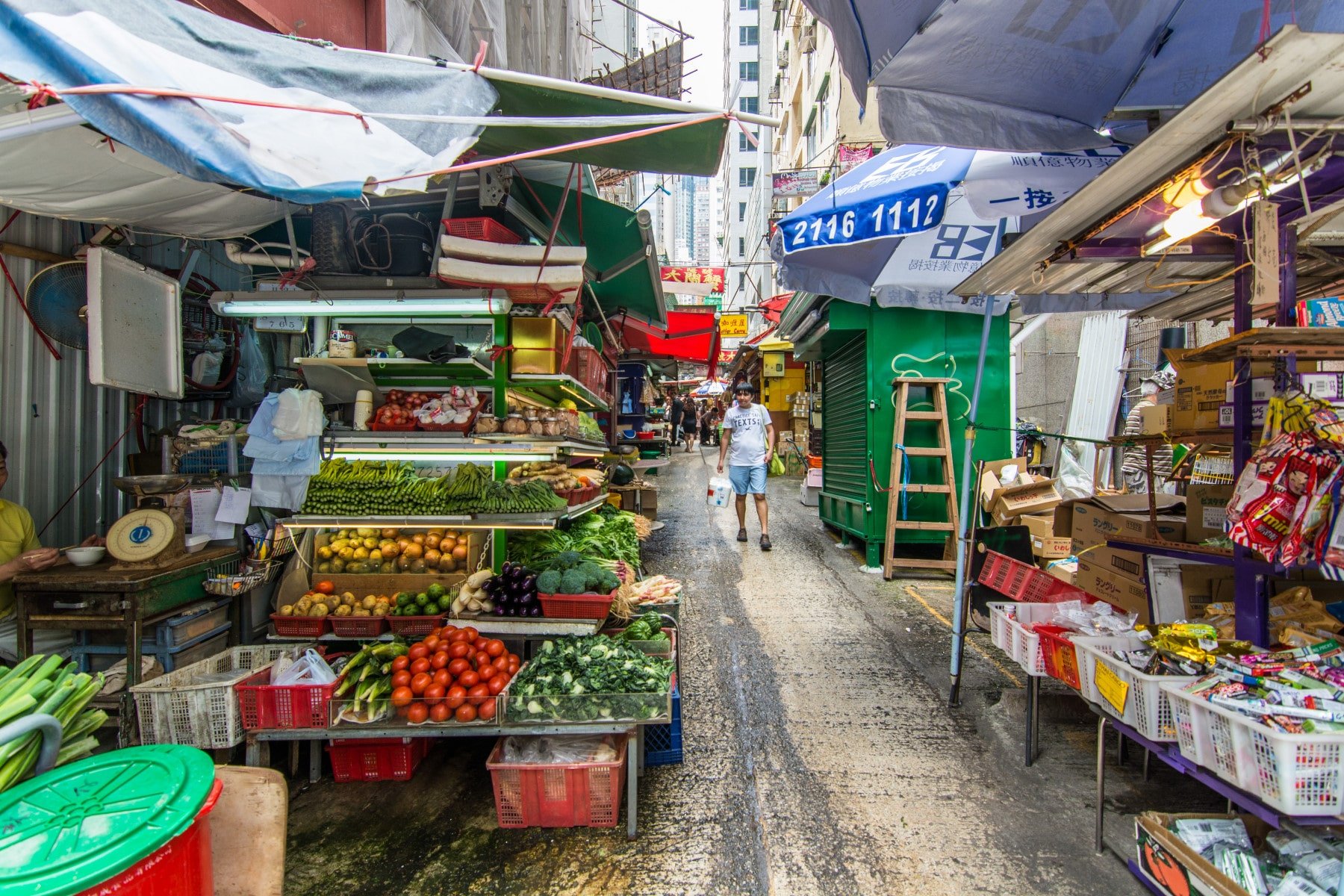
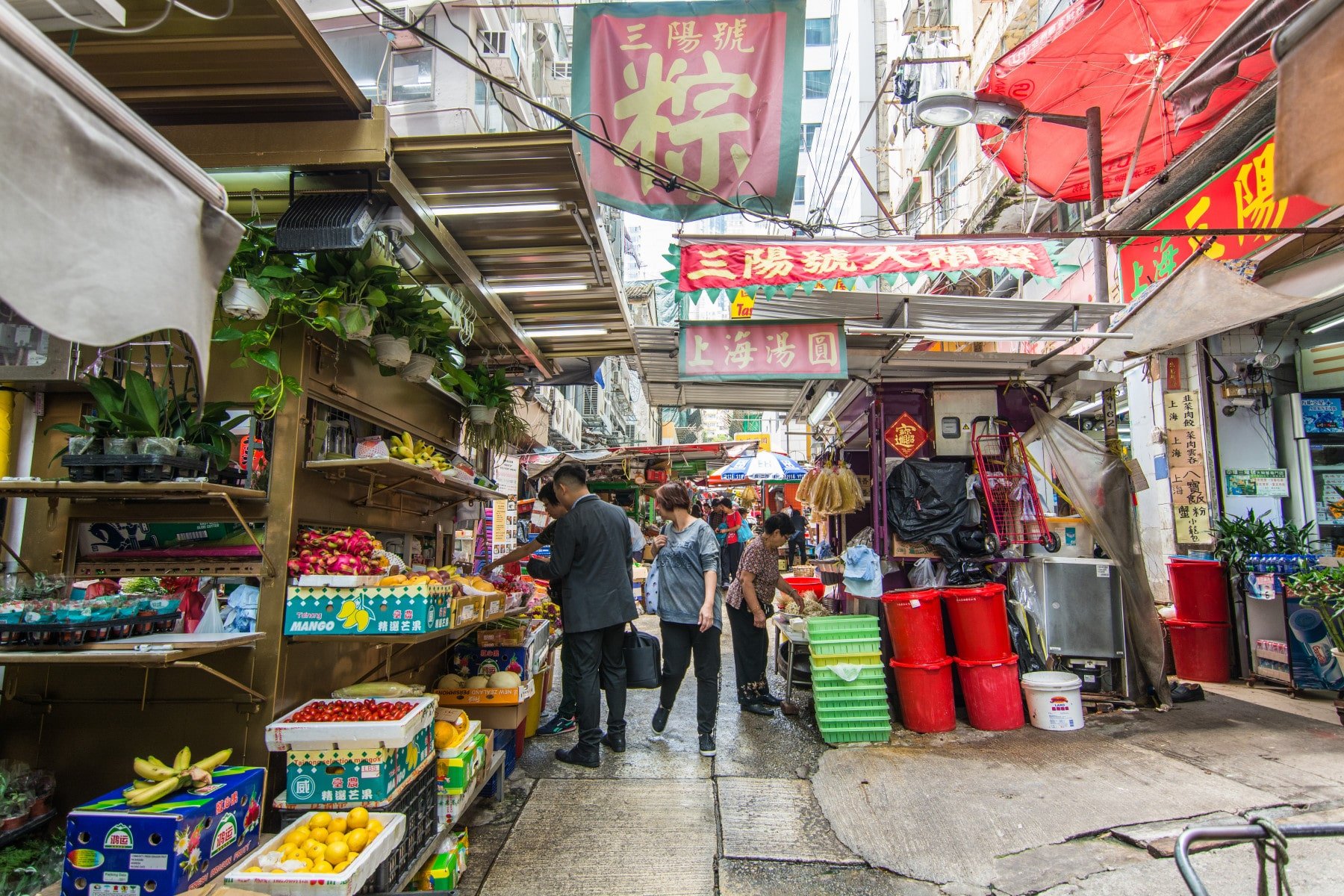
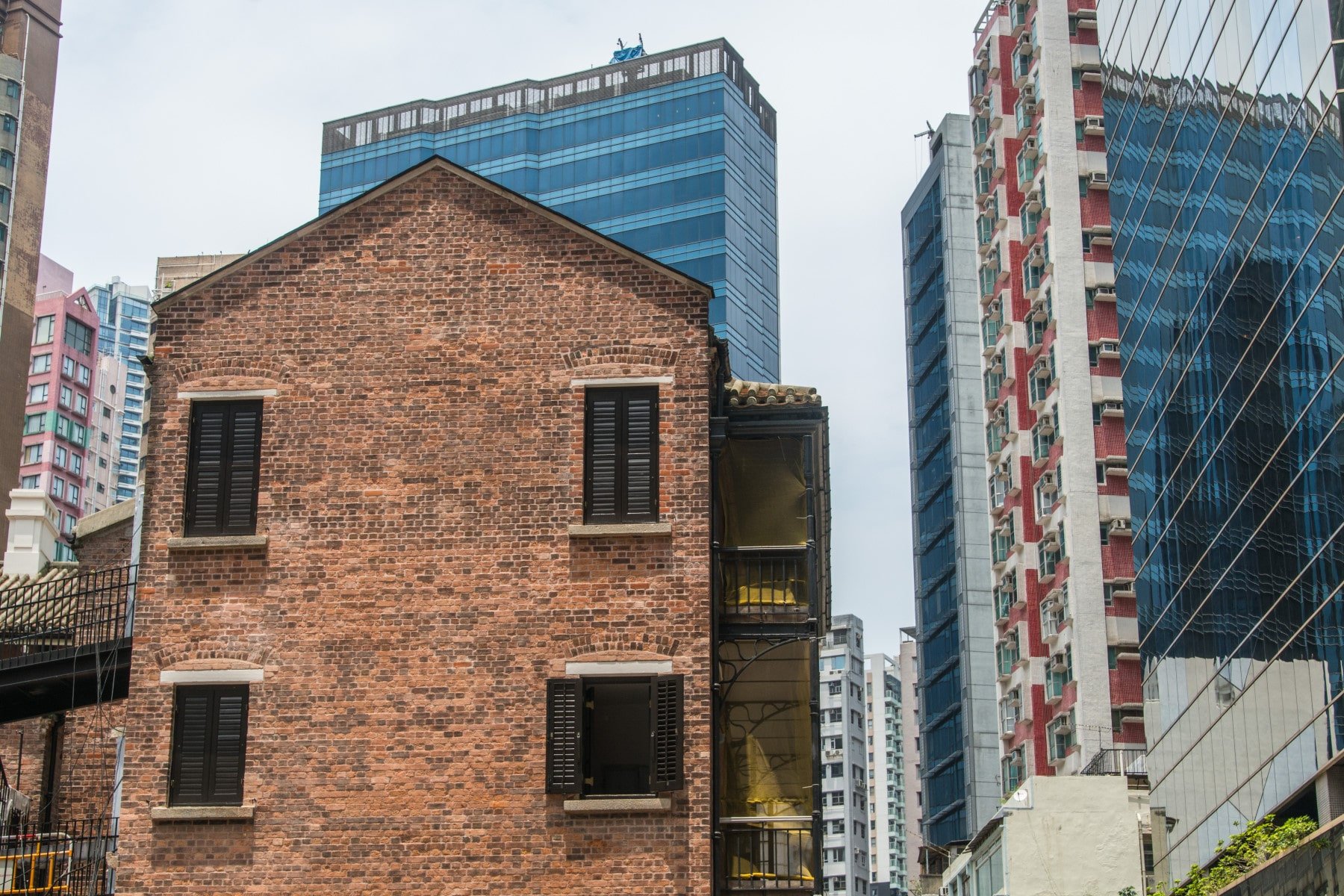
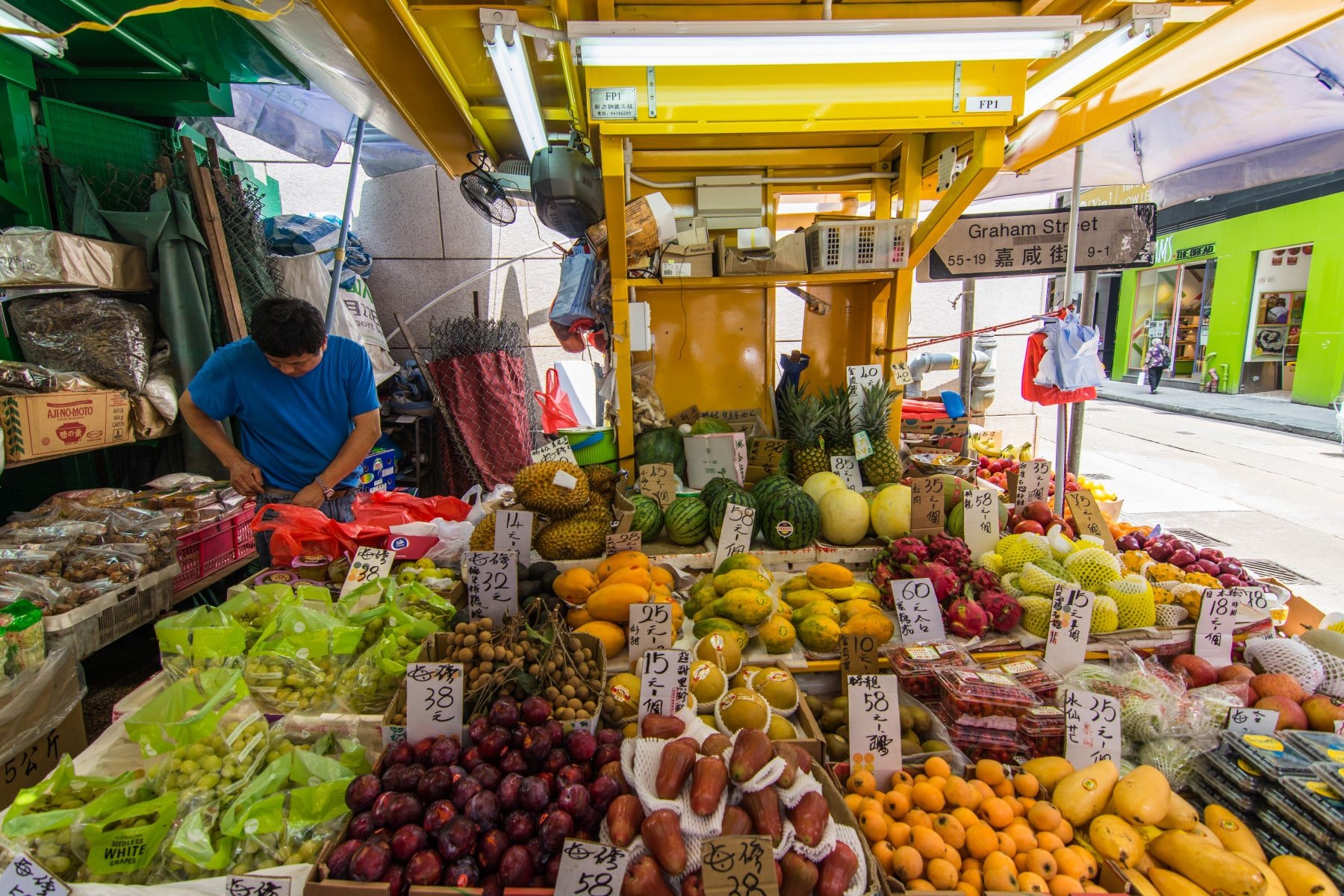
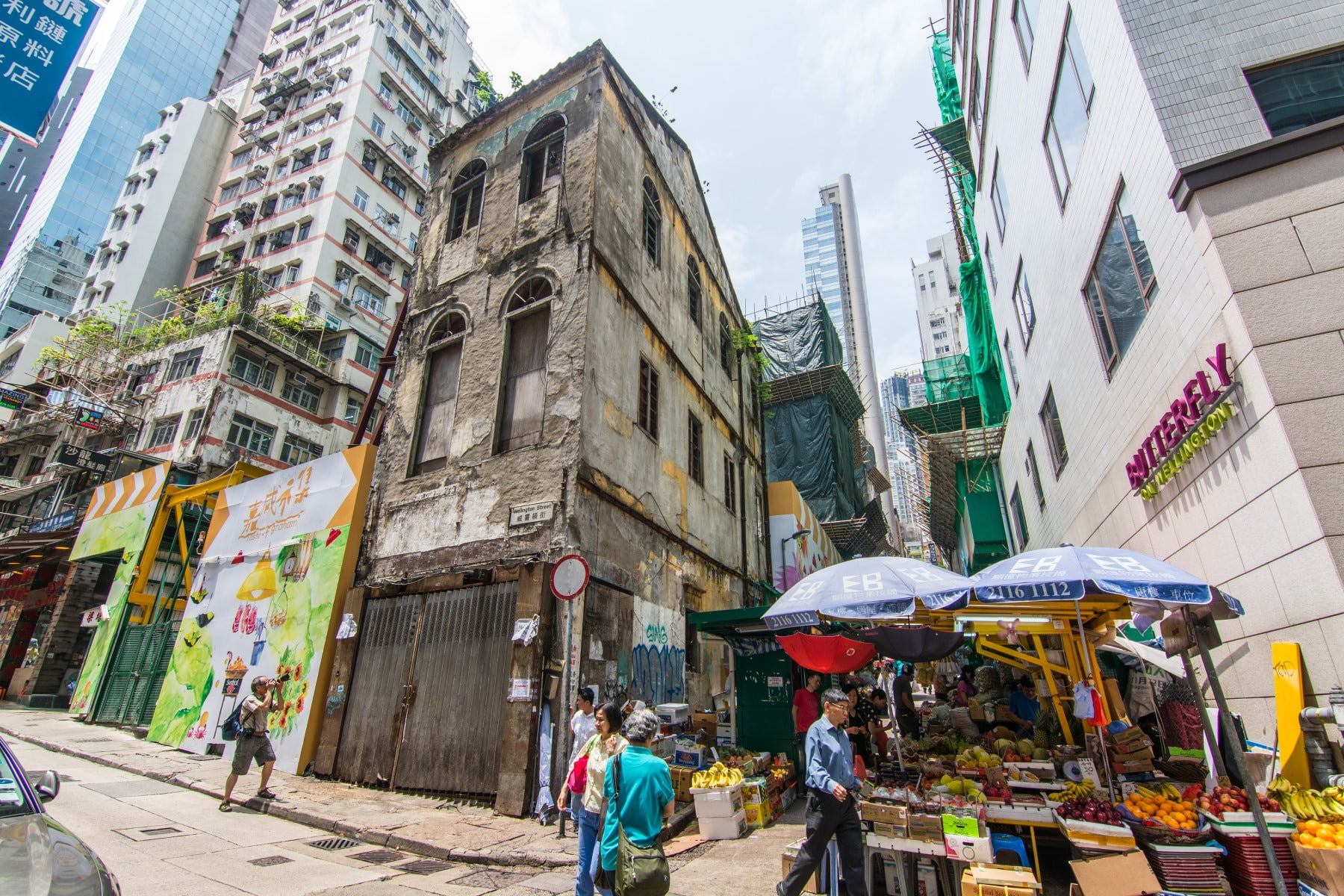
So, we found ourselves back in the autonomous region (it was already two years ago, which shows how behind I tend to get on the blog...). It was the perfect opportunity to complete the sightseeing we hadn't had time for the first time, mainly because the weather had been a bit chaotic. We had also chosen a different neighborhood to stay in, which explains this starting point, different from the one you might have read about in a previous article concerning our 5 days visiting Hong Kong.
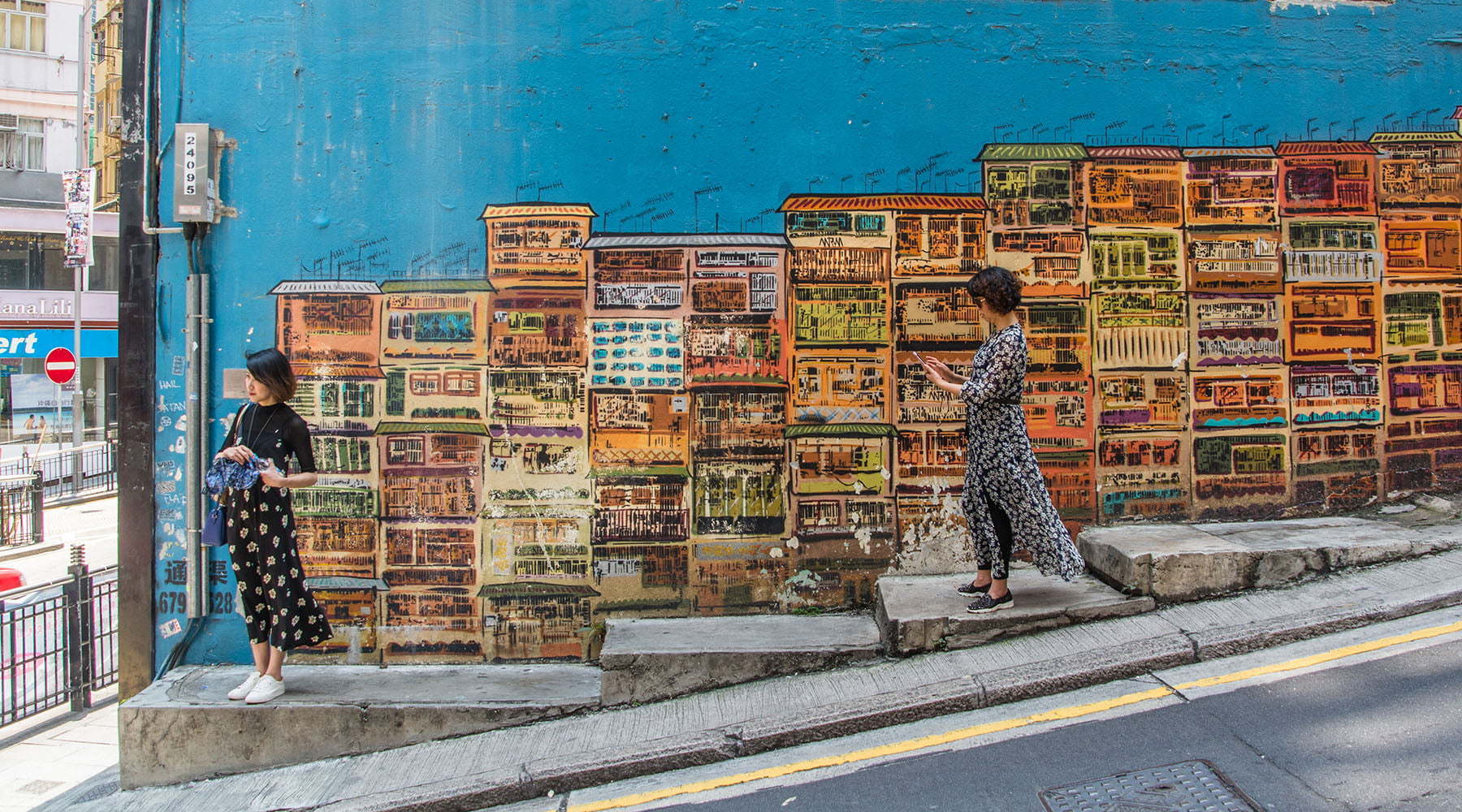
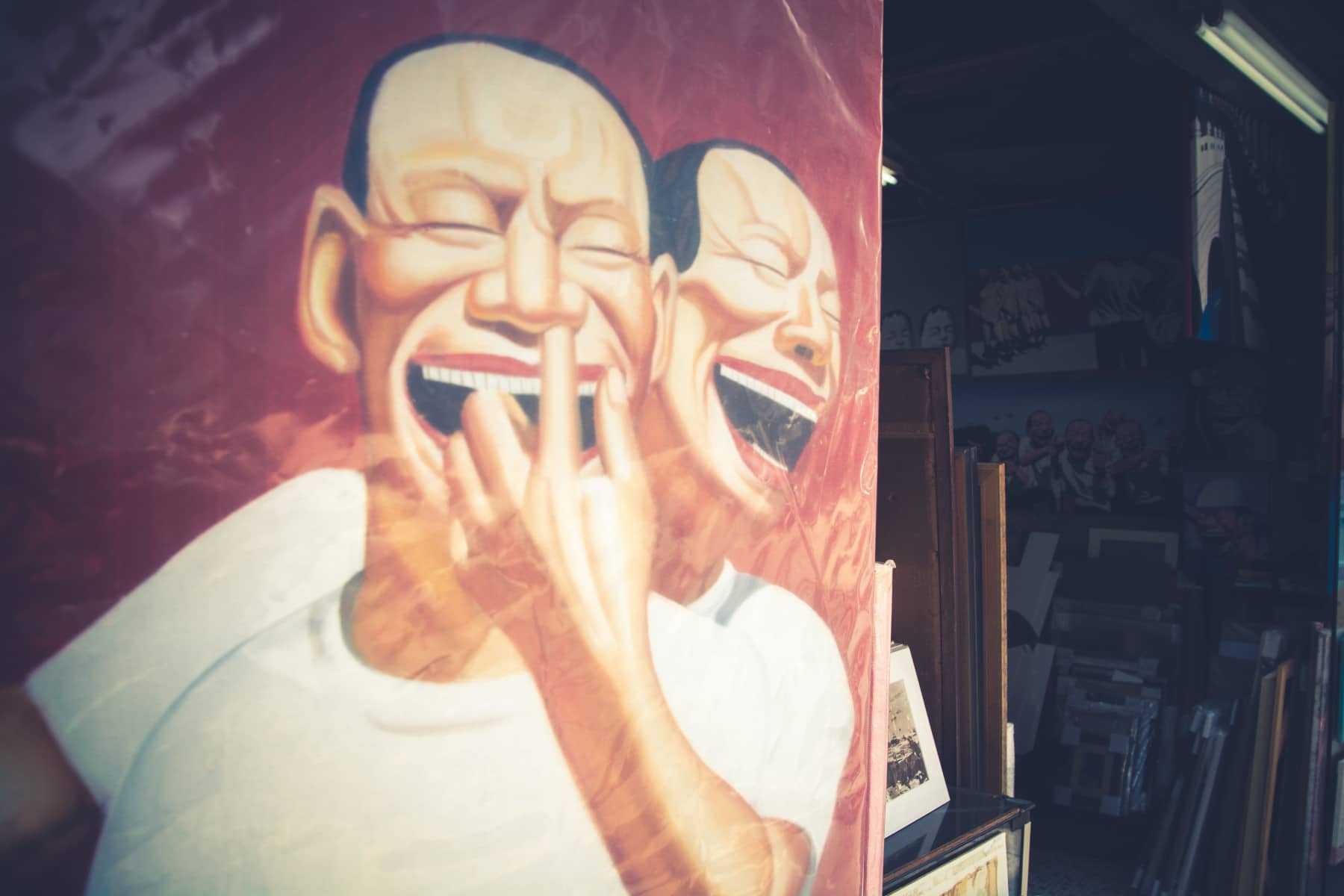
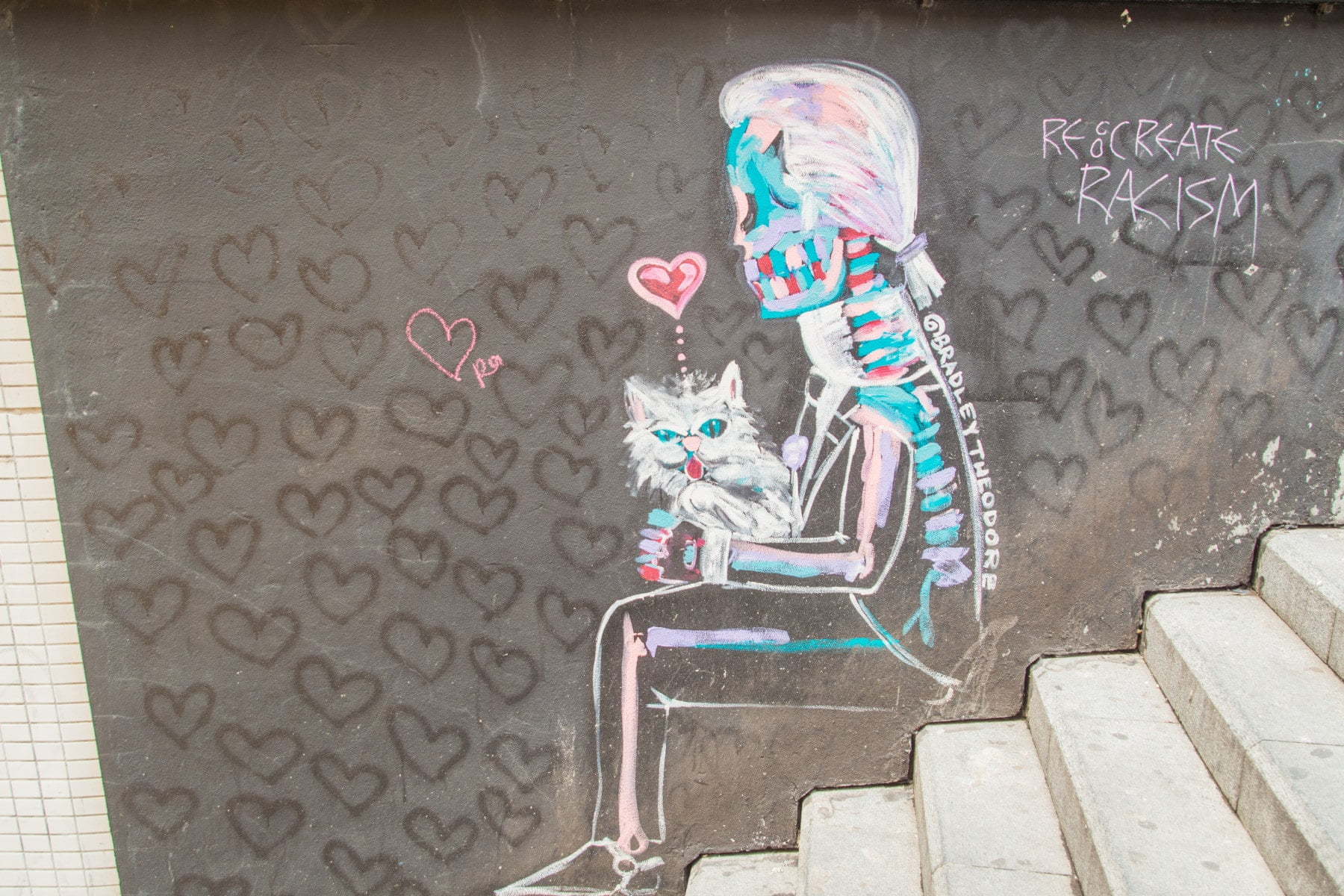
To get back to the thread of my paragraph, we actually had 1,6 km to get to the tram going up to Victoria Peak from our hotel. And to do that, we didn't even have to make a detour to do some sightseeing and an interesting route. In this case, we went through Graham Street, where there is a famous market, especially for its fruits. It is also along this same street and in the area that you can find murals, including one that we had "desperately" looked for last time! And that we ended up coming across.

Victoria Peak and the legendary funicular
Next, head to the station to catch the famous Peak Tram, the old funicular built in 1888, which takes you to the viewpoint at Victoria Peak. This remains the most convenient and enjoyable option, however, it's certainly not the cheapest. A return ticket costs HK$52, which works out to €6, still reasonable. But by bus , you can take route 15 and get away for less than HK$10 one way, or less than €2 round trip.
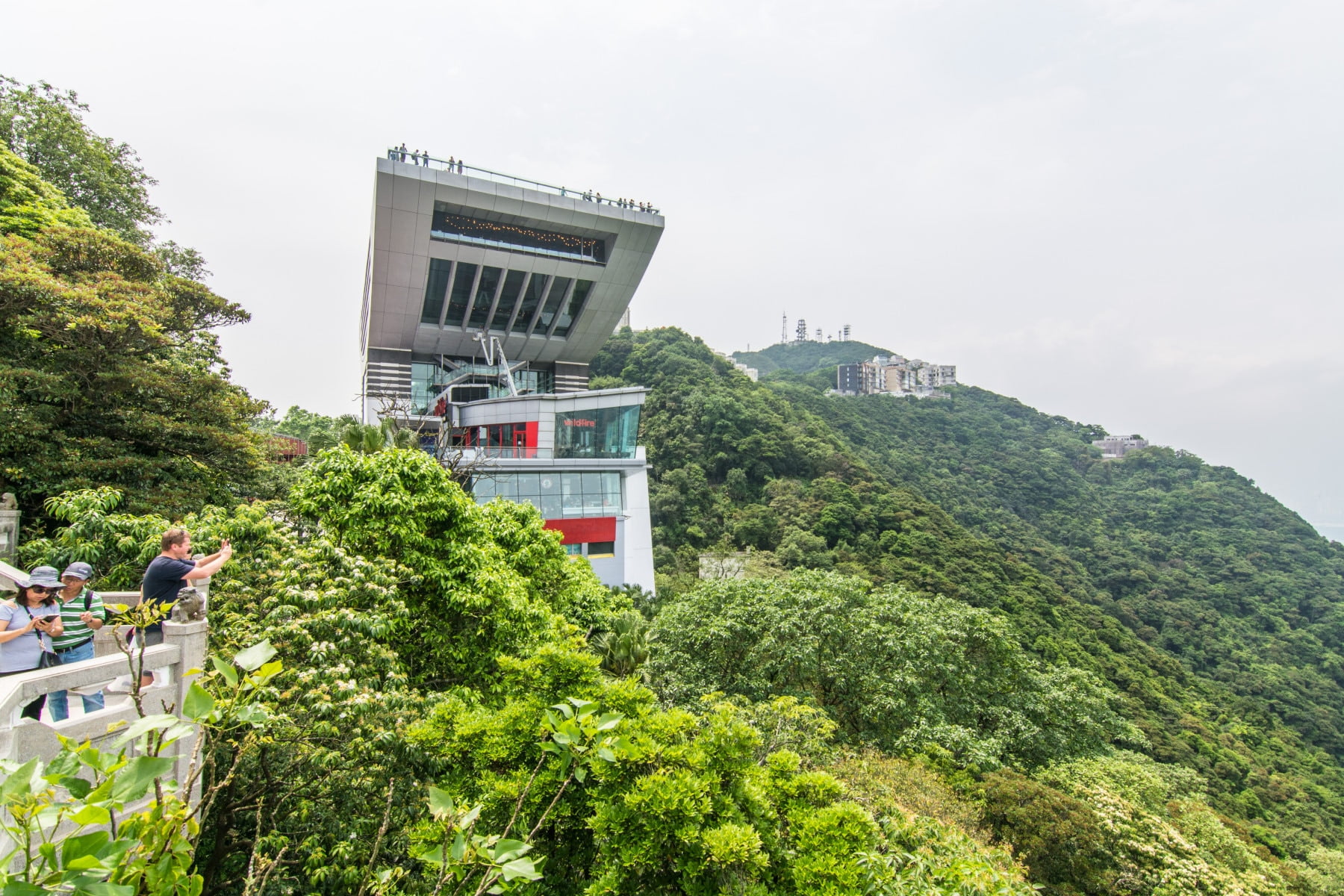
In our case, the tram fare included access to Sky Terrace 428 for an additional HK$52 (for adults, half price for children and seniors), which gives access to the open-air terrace offering the famous view overlooking the buildings of Central.
Before reaching the station, we passed by some old buildings such as the Fringe Club, with its facade dated 1913, the Bishop's House or even the Cathedral of Saint John (which in French would rather be Saint-Jean).


It was certainly crowded, but it was still quite manageable that day as the tram runs regularly; in total, we waited barely ten minutes before boarding. The ride up only takes a few minutes and drops us off at the station right below the Sky Terrace. The area has apparently been completely renovated recently. In addition to the viewpoints, there are also shops and places to eat.


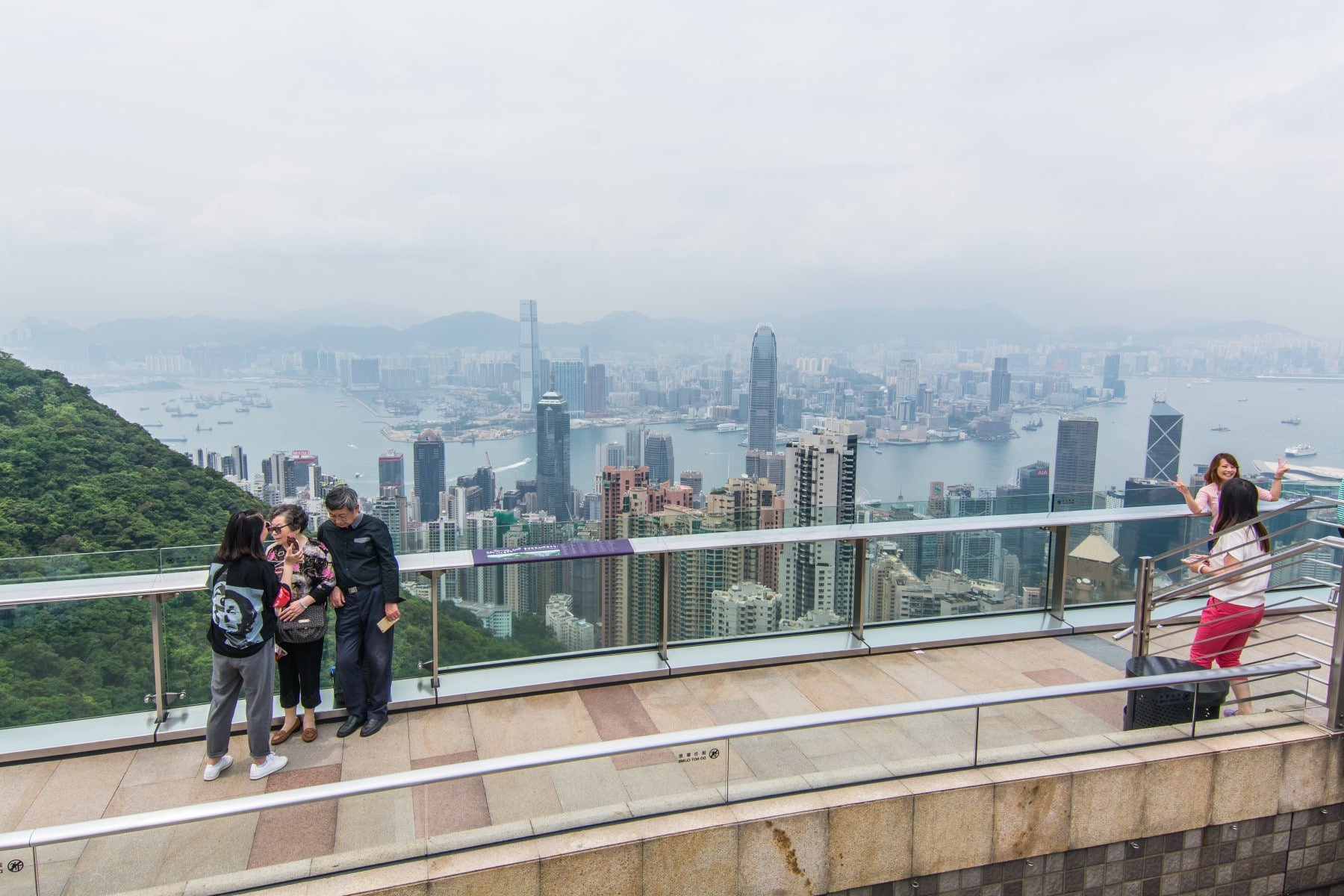
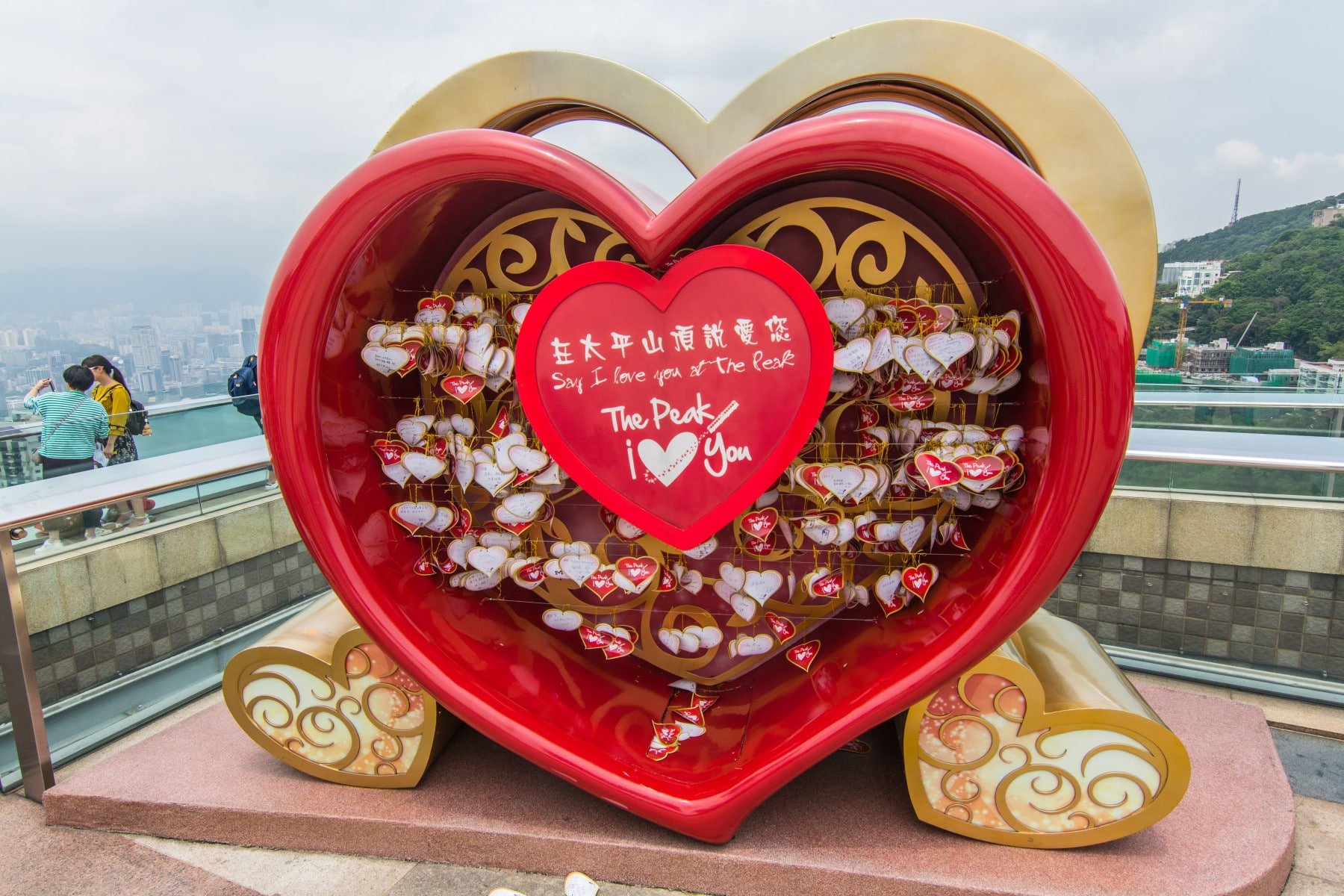
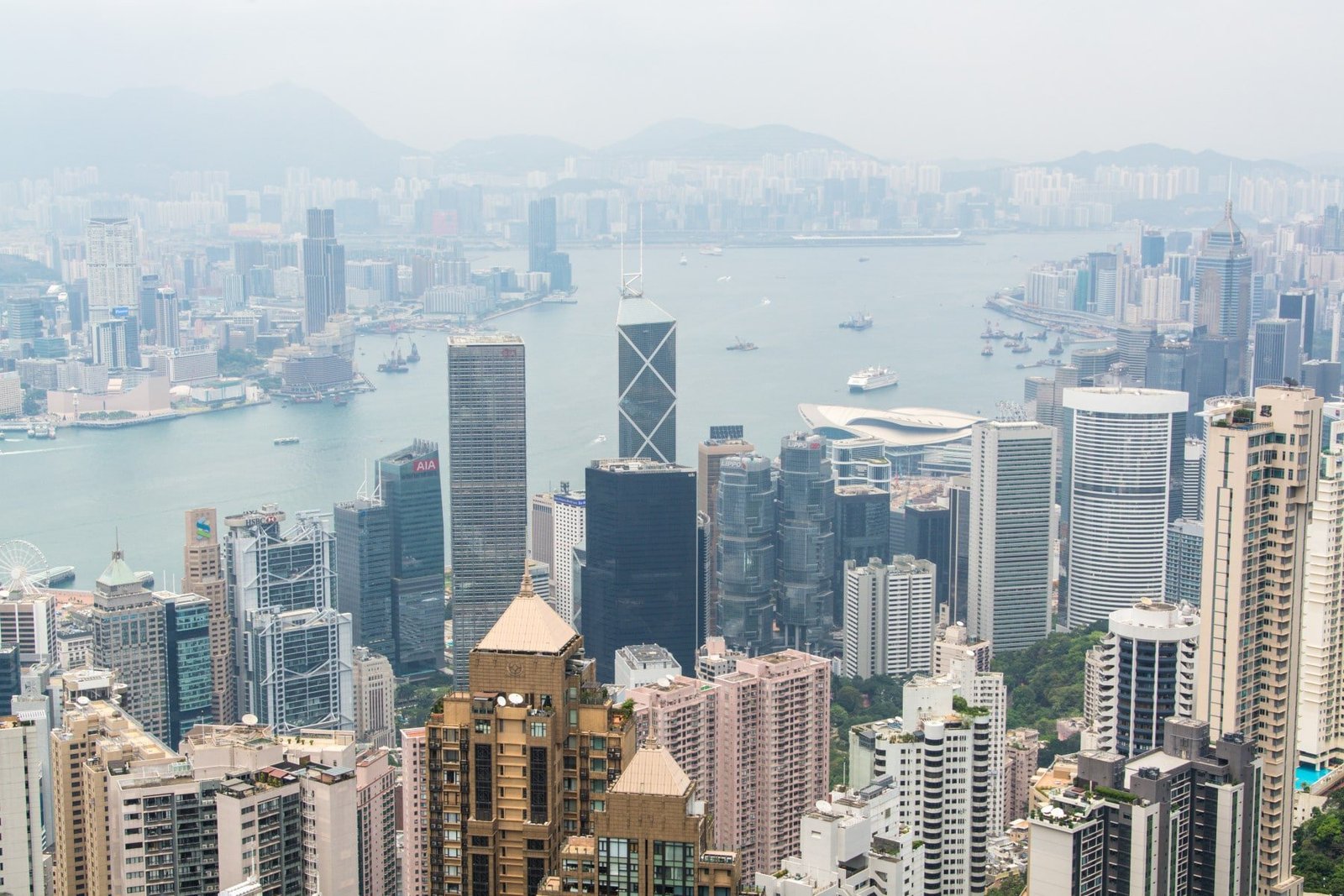

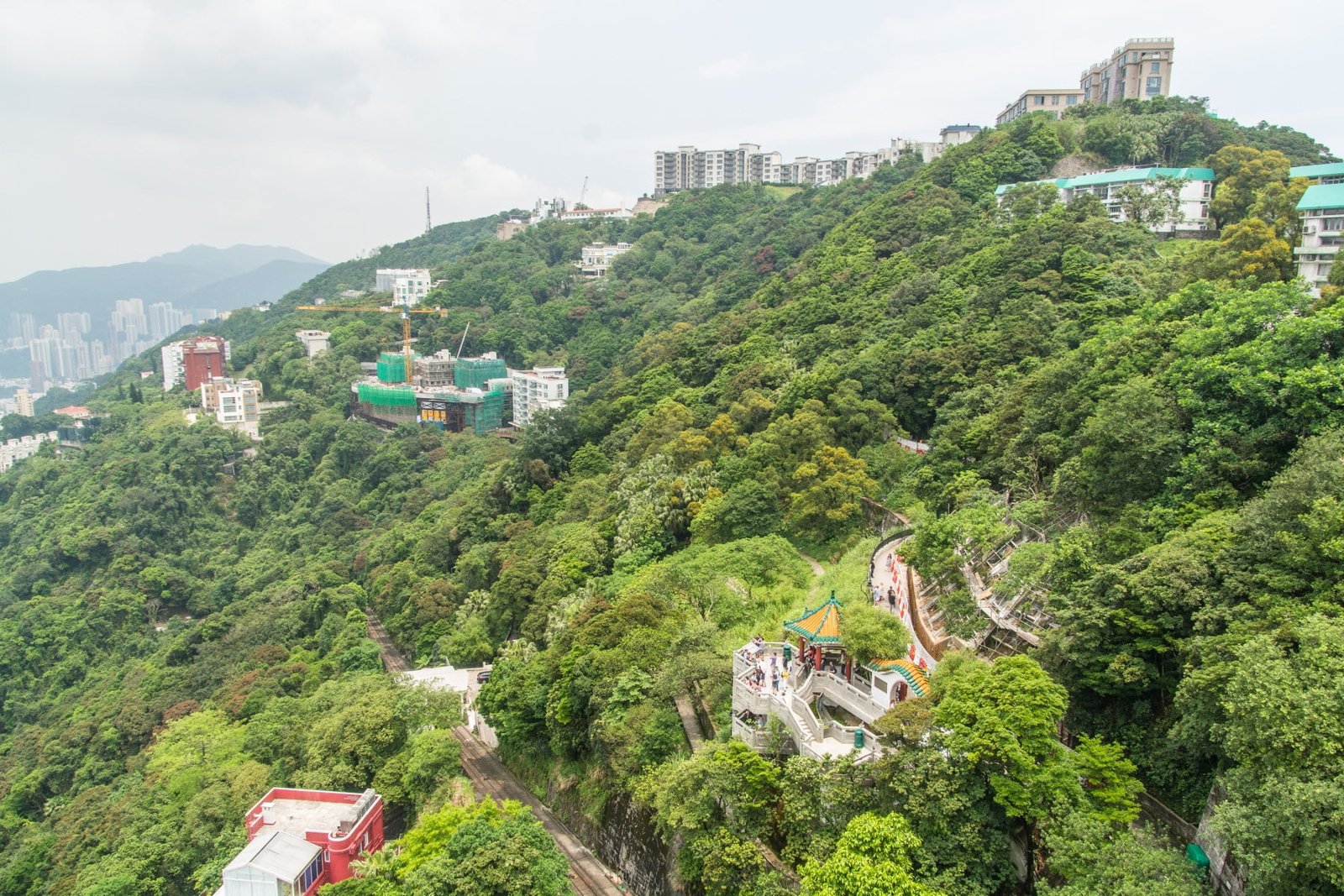
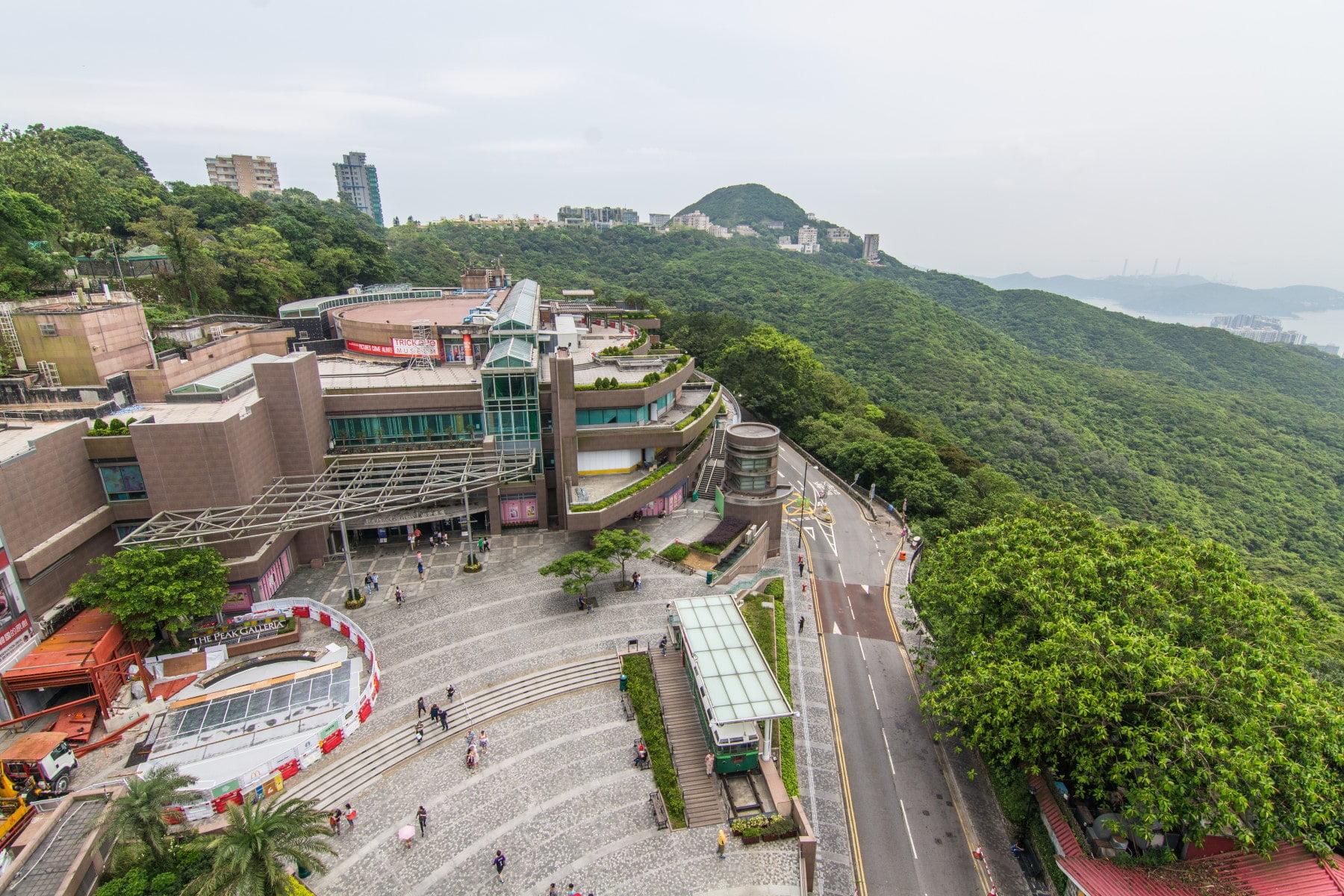
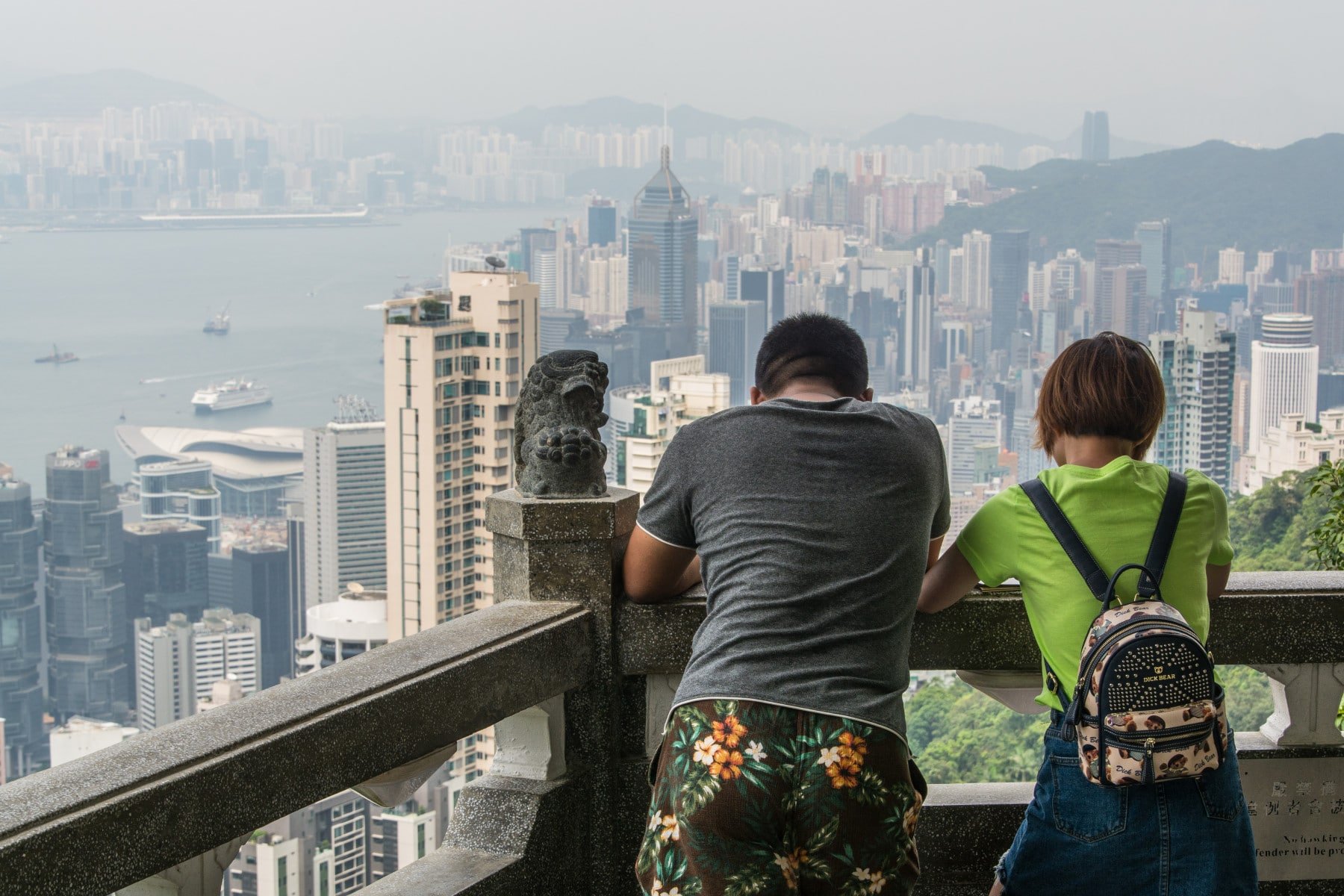
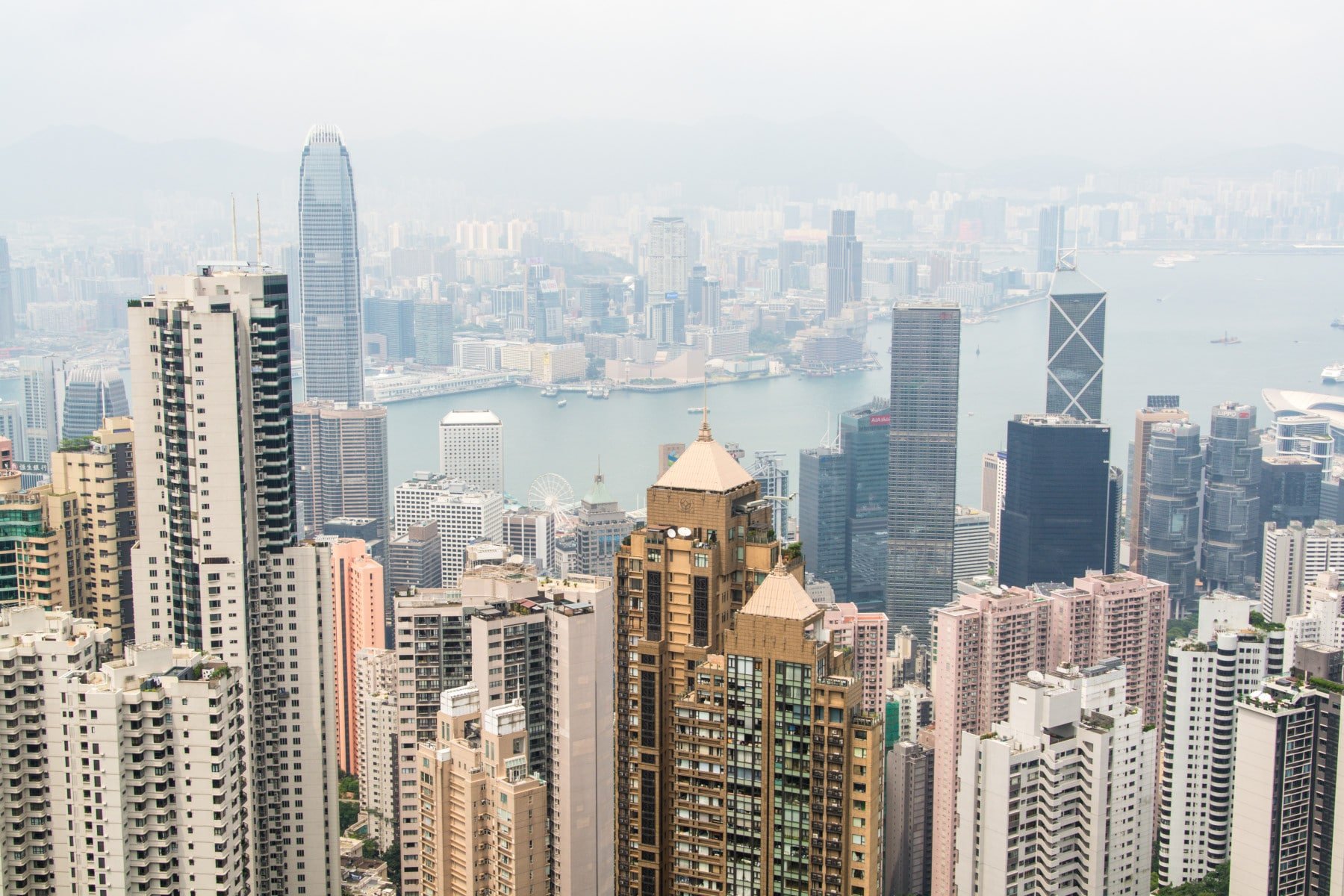
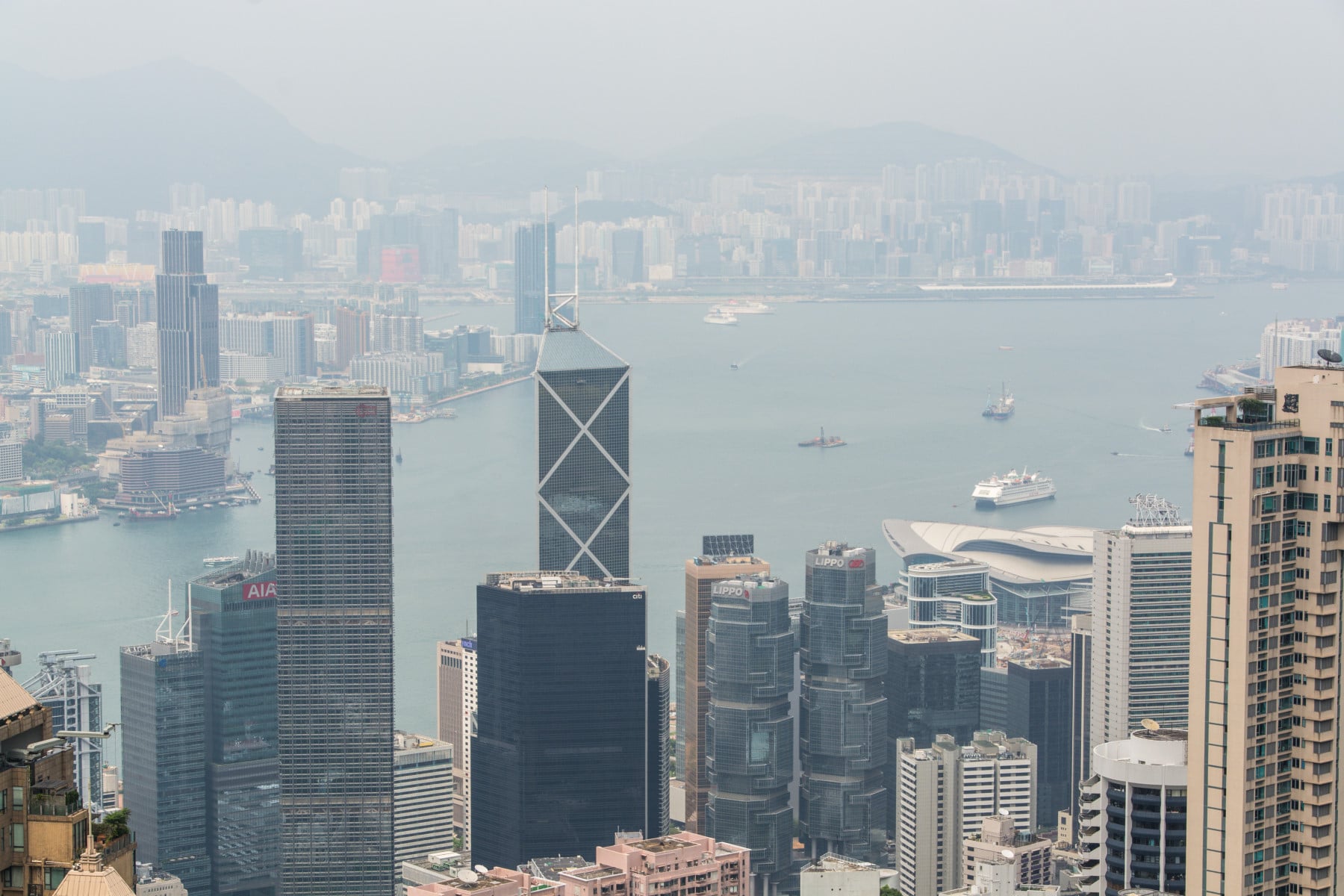
Despite a slight mist, the view was undeniably superb, and we certainly couldn't complain about the weather that day. After spending 20 minutes admiring the view from every angle (you can even see the south coast), we checked out another viewpoint after having a snack and a break at a café.
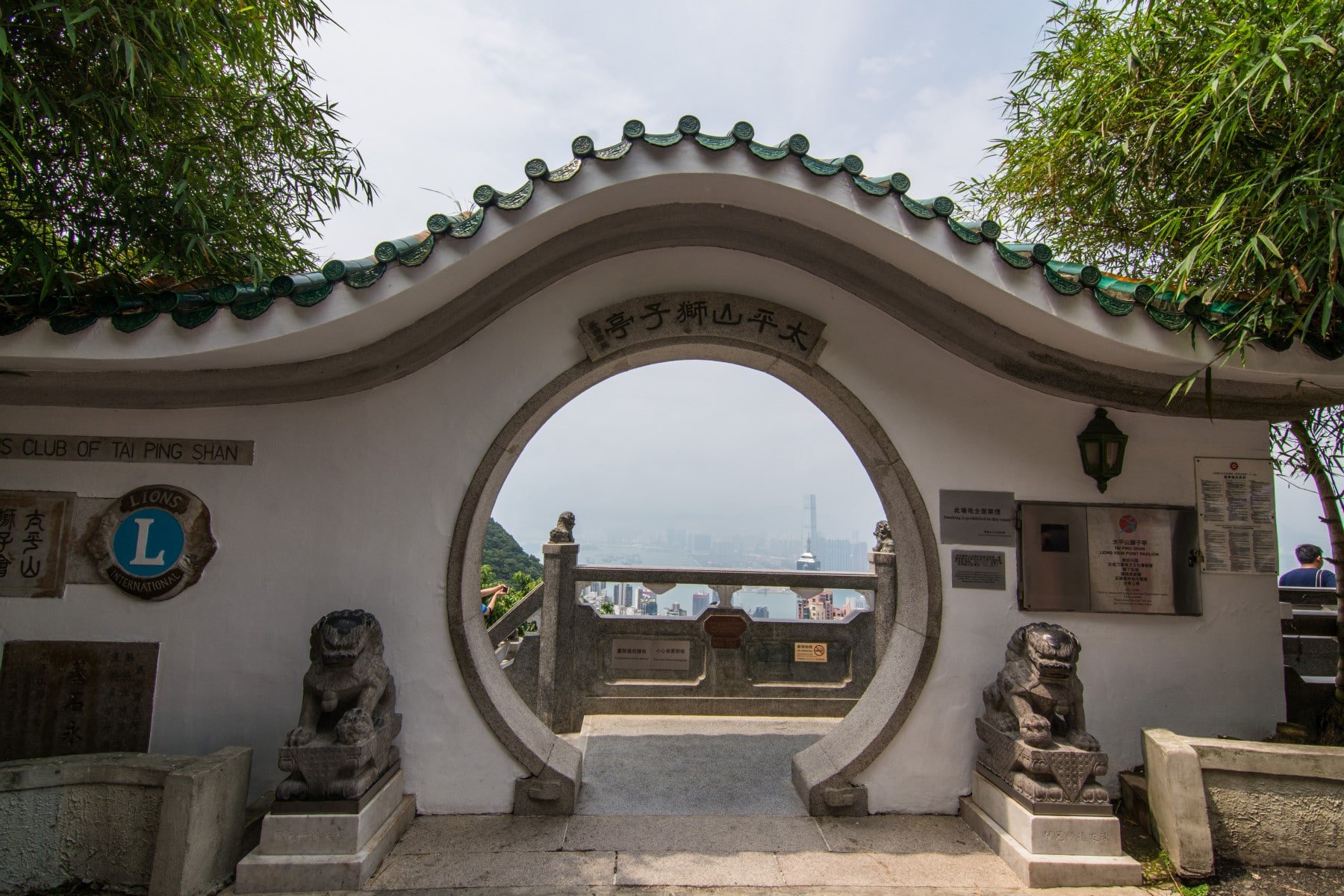
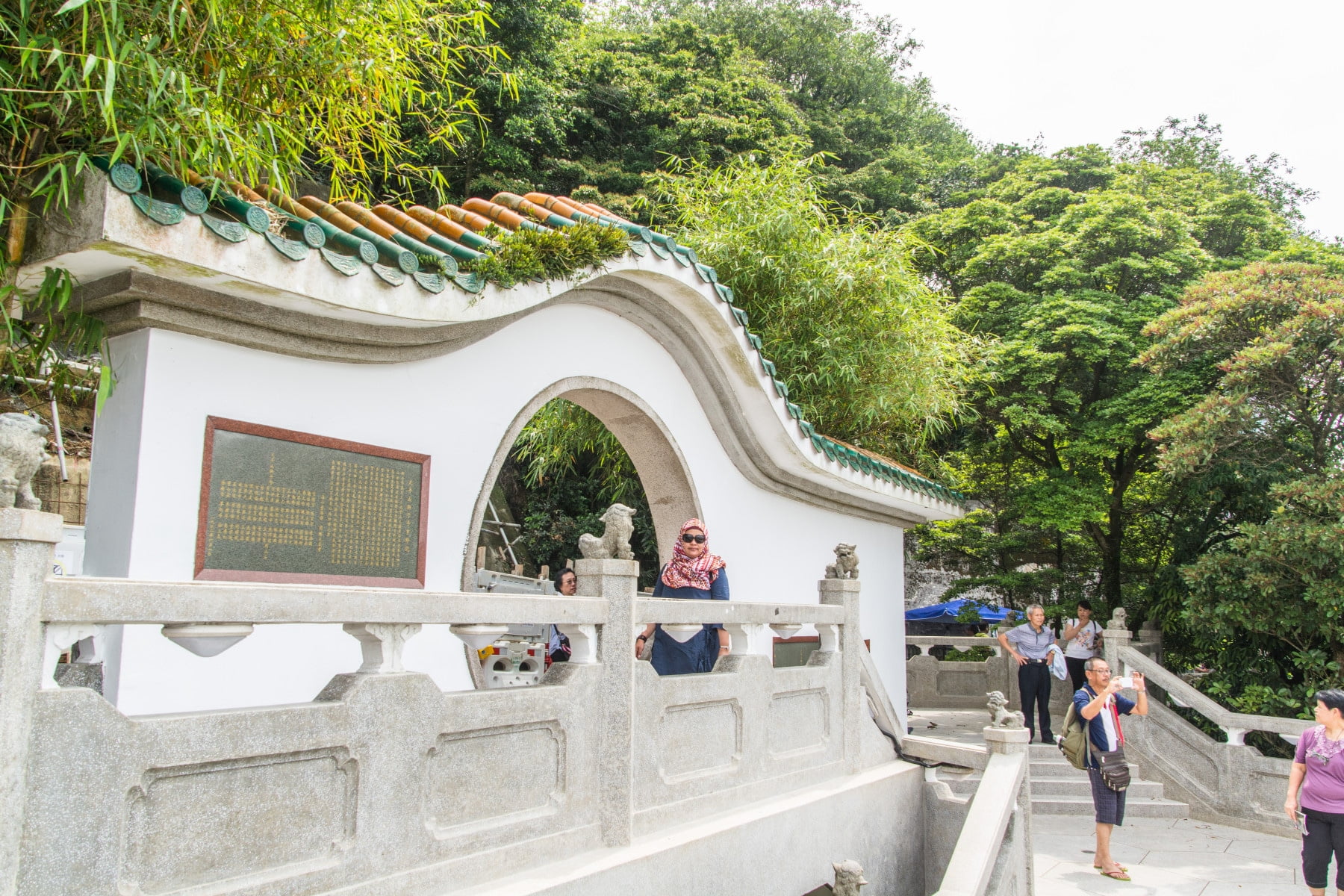
The advantage of this other spot is that it's free. Listed as Victoria Peak's Lions Pavilion, access is through a round Chinese gate flanked by two Chinese lion statues. If you're on a tight budget, this view is more than enough to appreciate the area. You're positioned directly above a former funicular station and can see the funicular arrive at its terminus on the Sky Terrace.


Hong Kong Park
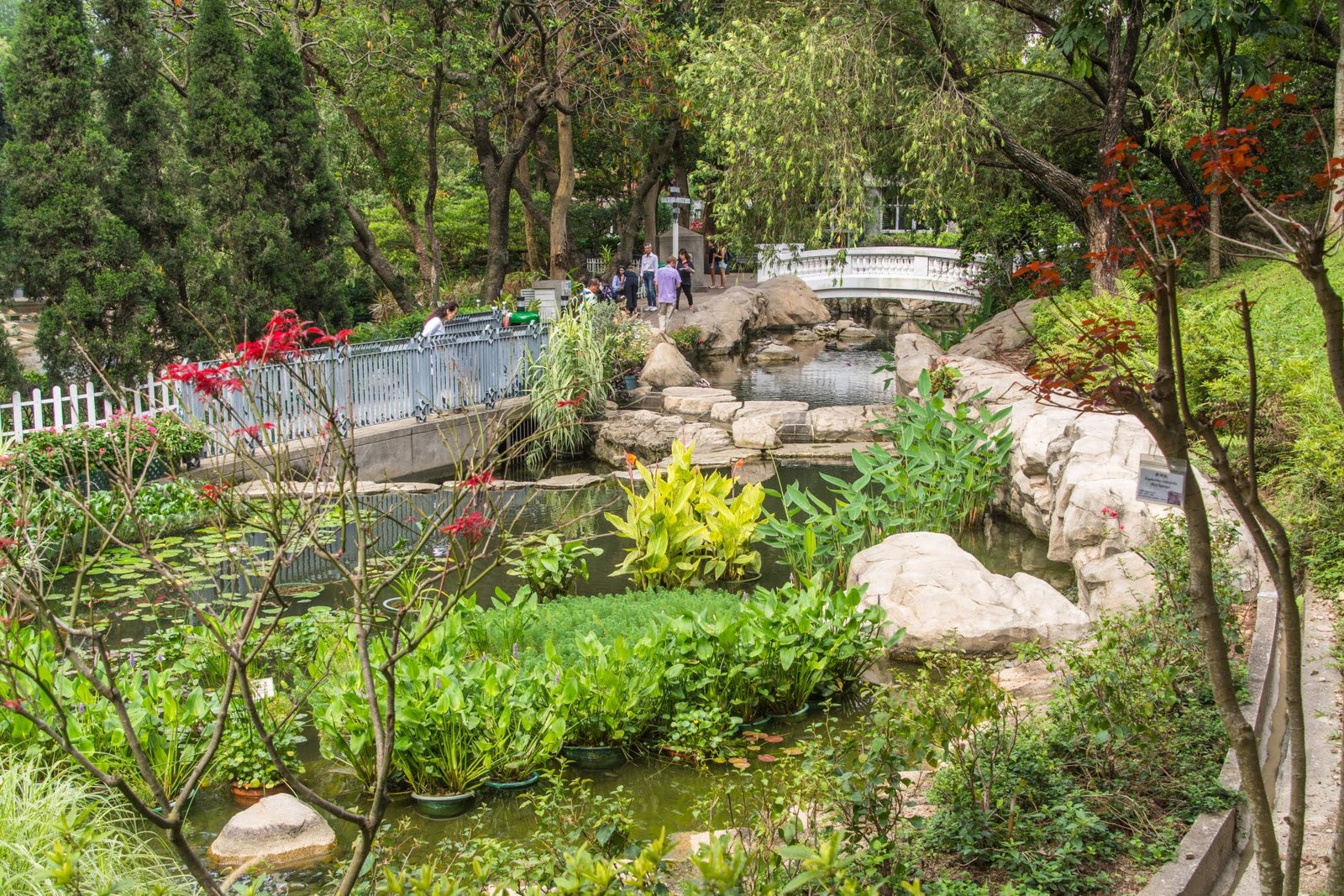
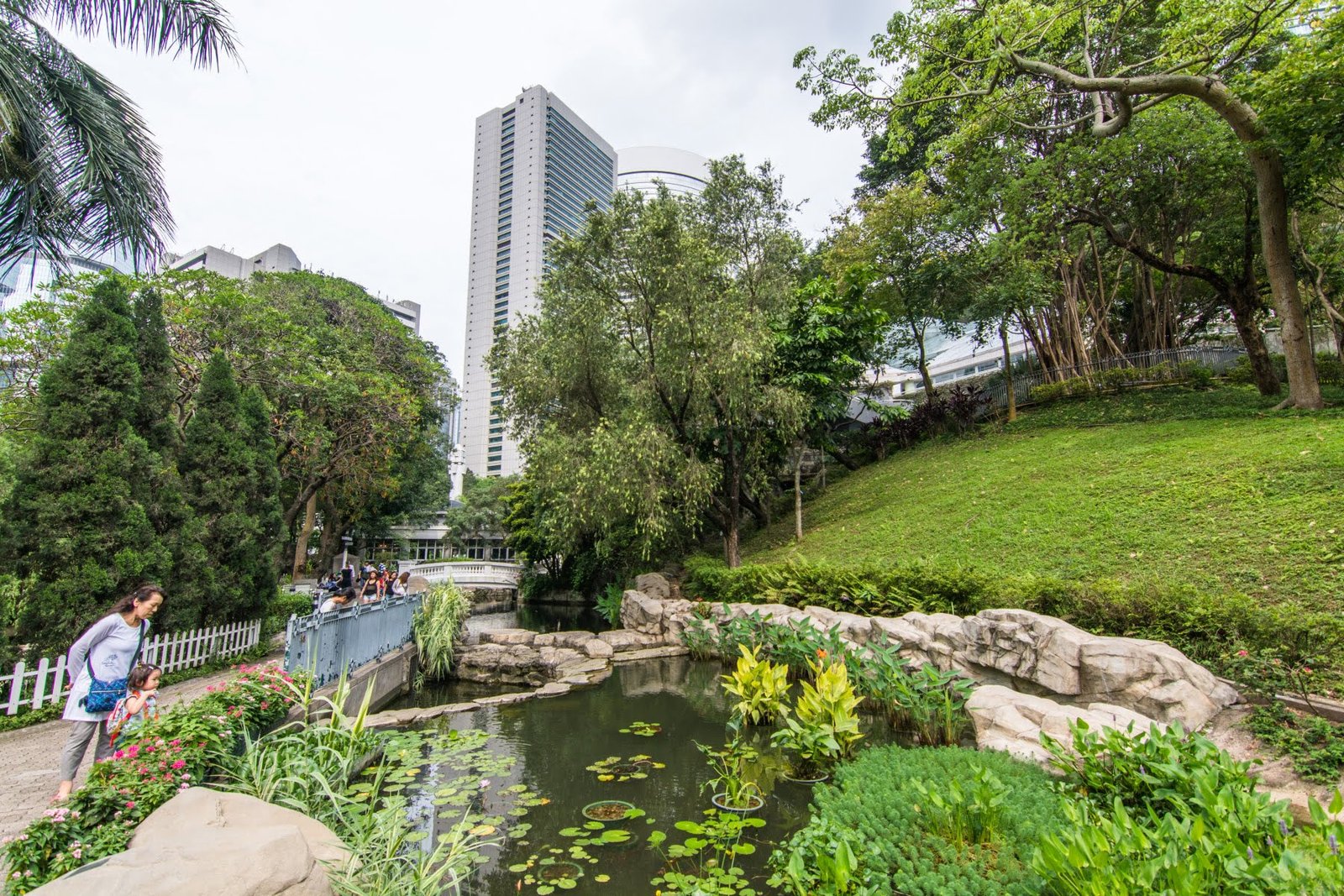
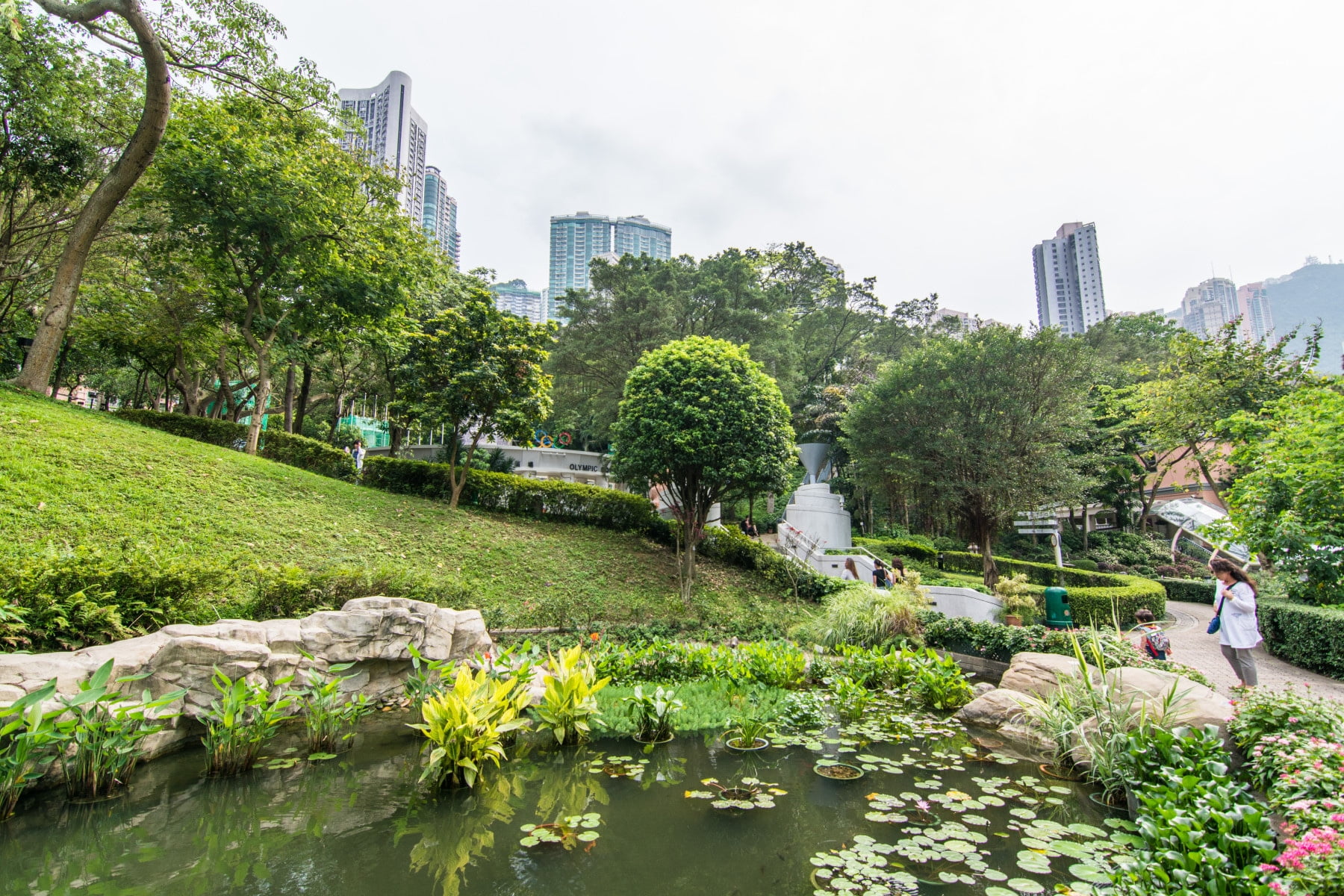
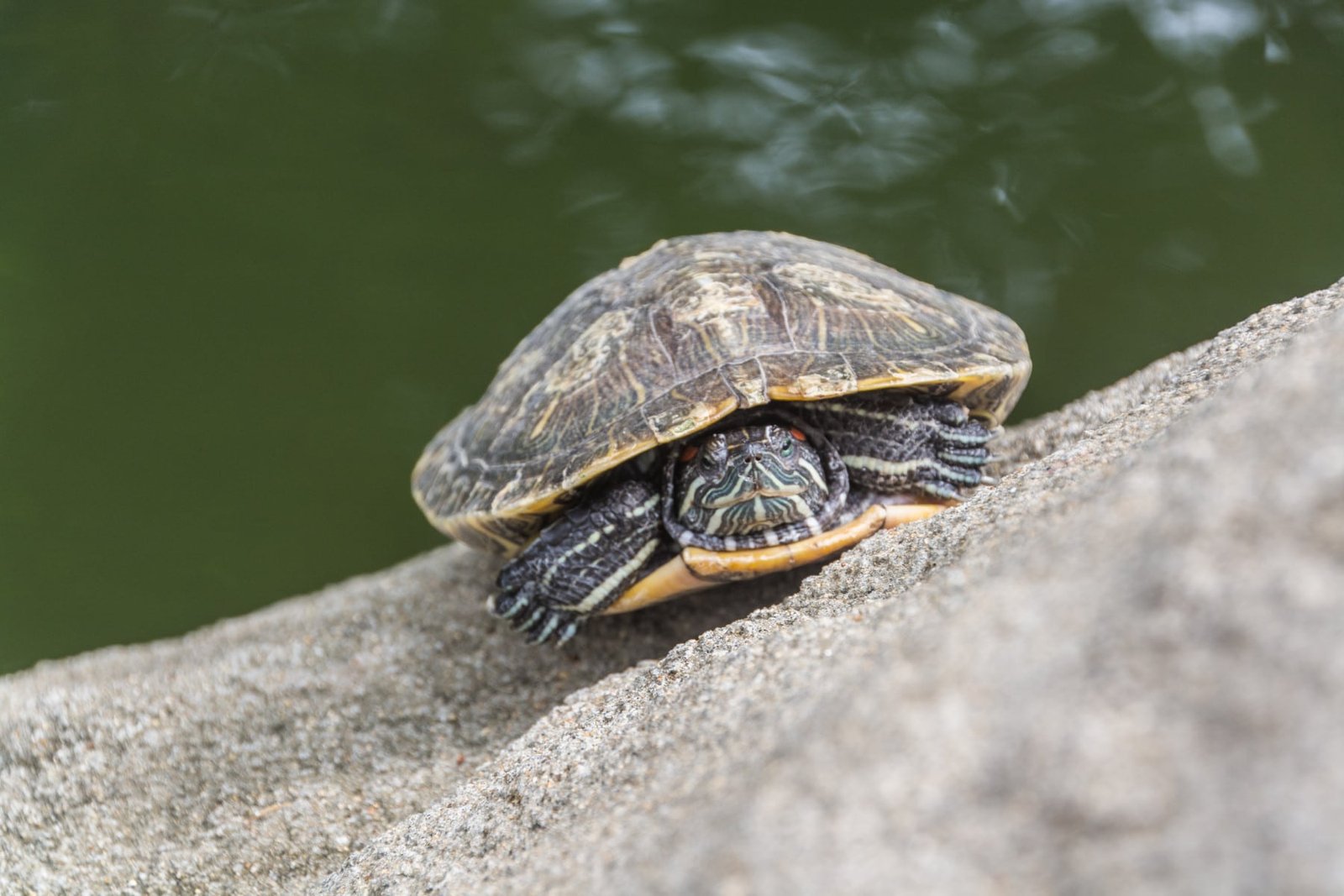
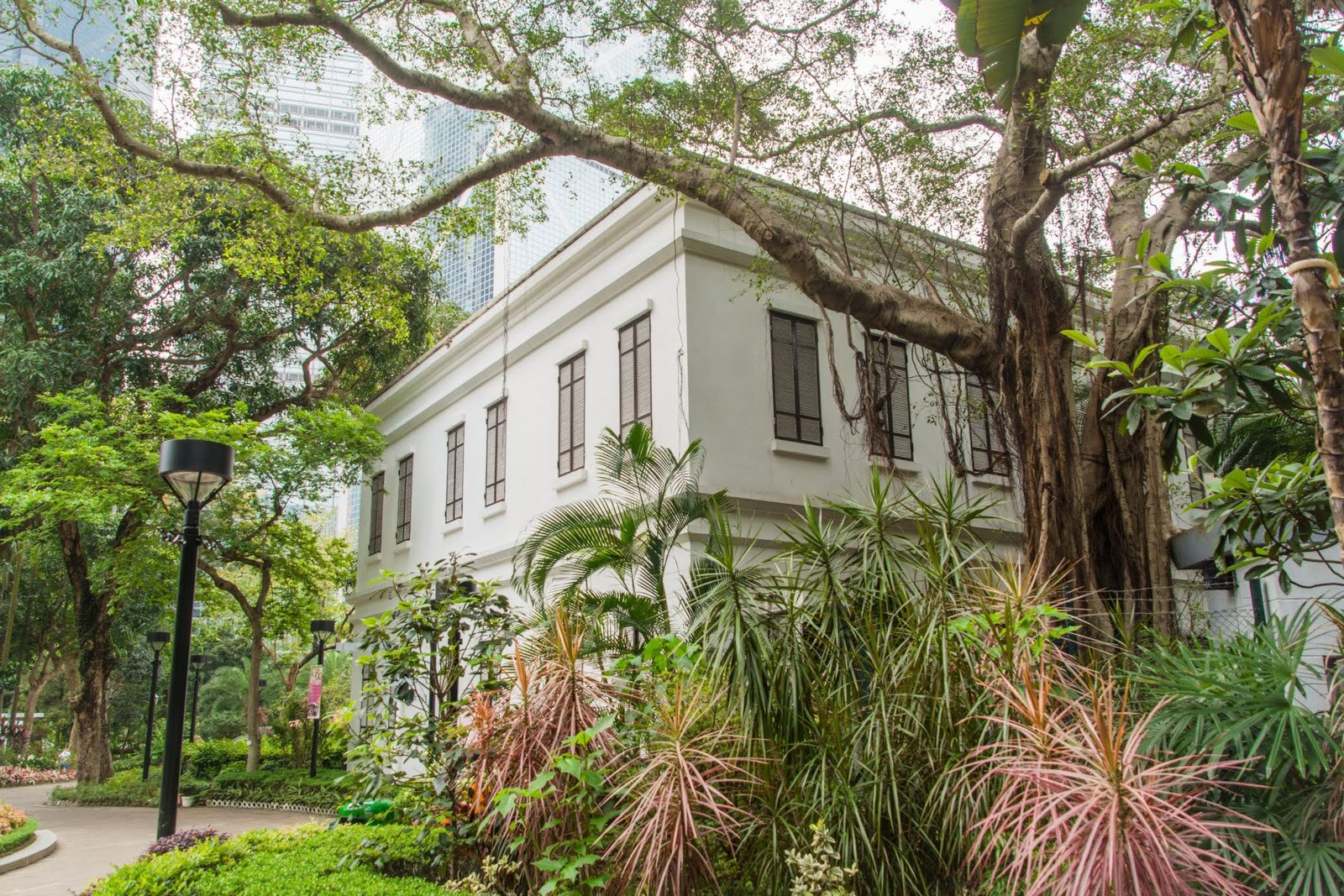
On the way down from Victoria Peak, we passed through Hong Kong Park, which features an aviary, turtle ponds, and children's play areas. What interested me, however, was the observation tower (marked Vantage Point on Google Maps ). Since I was already looking for a viewpoint during the day, I figured I might as well make the most of it. This tower offers a panoramic view of the park and the surrounding Admiralty district buildings.
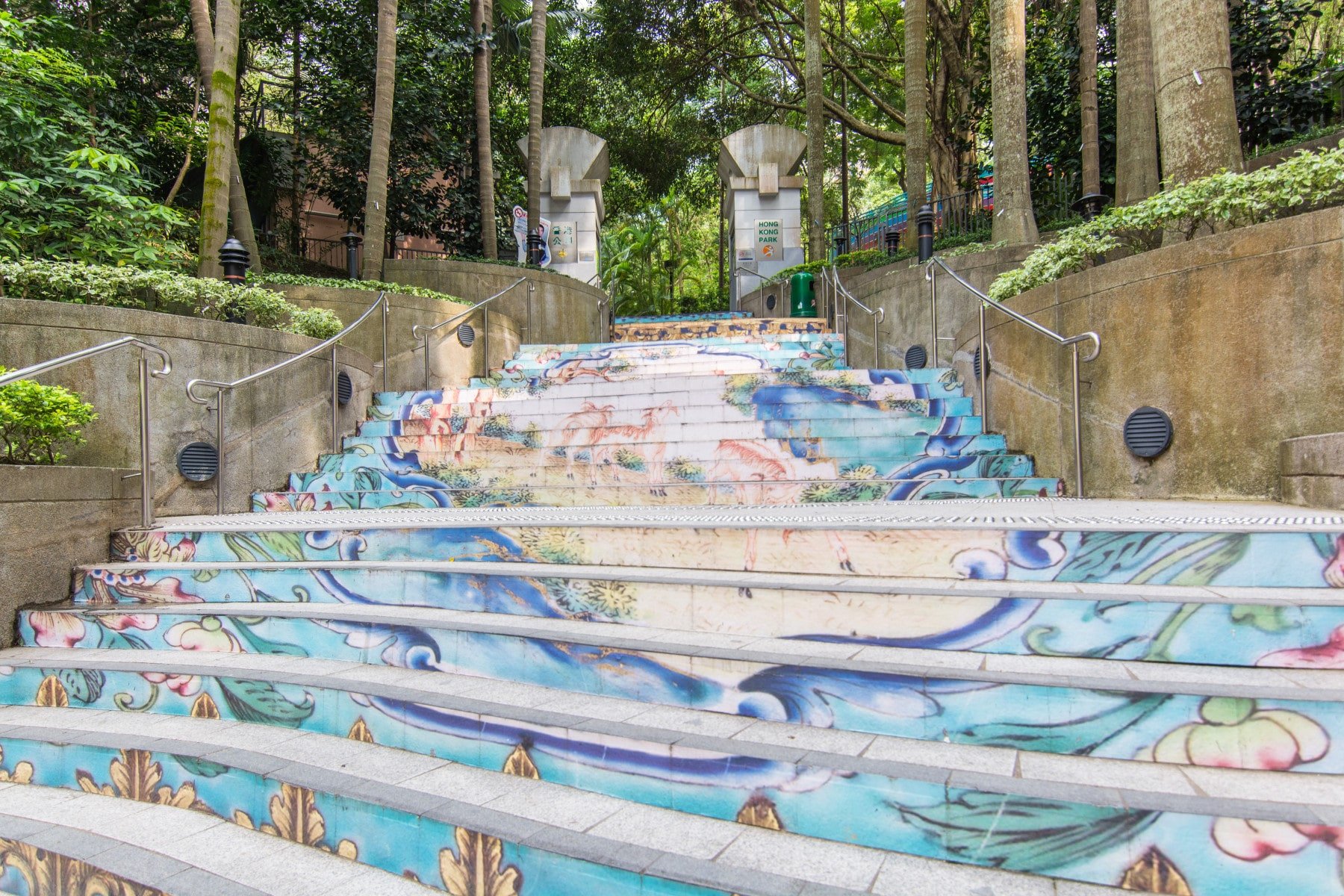
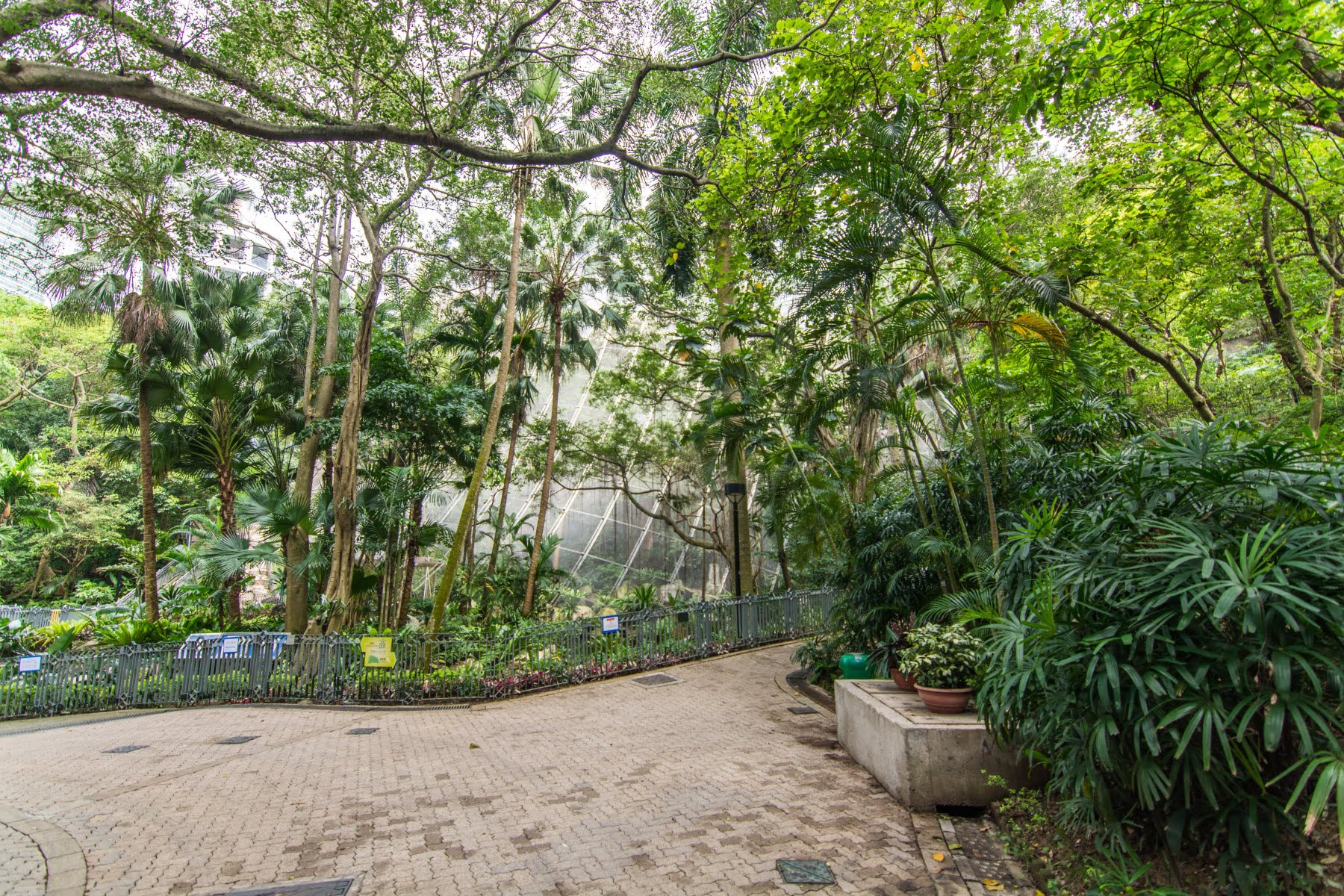
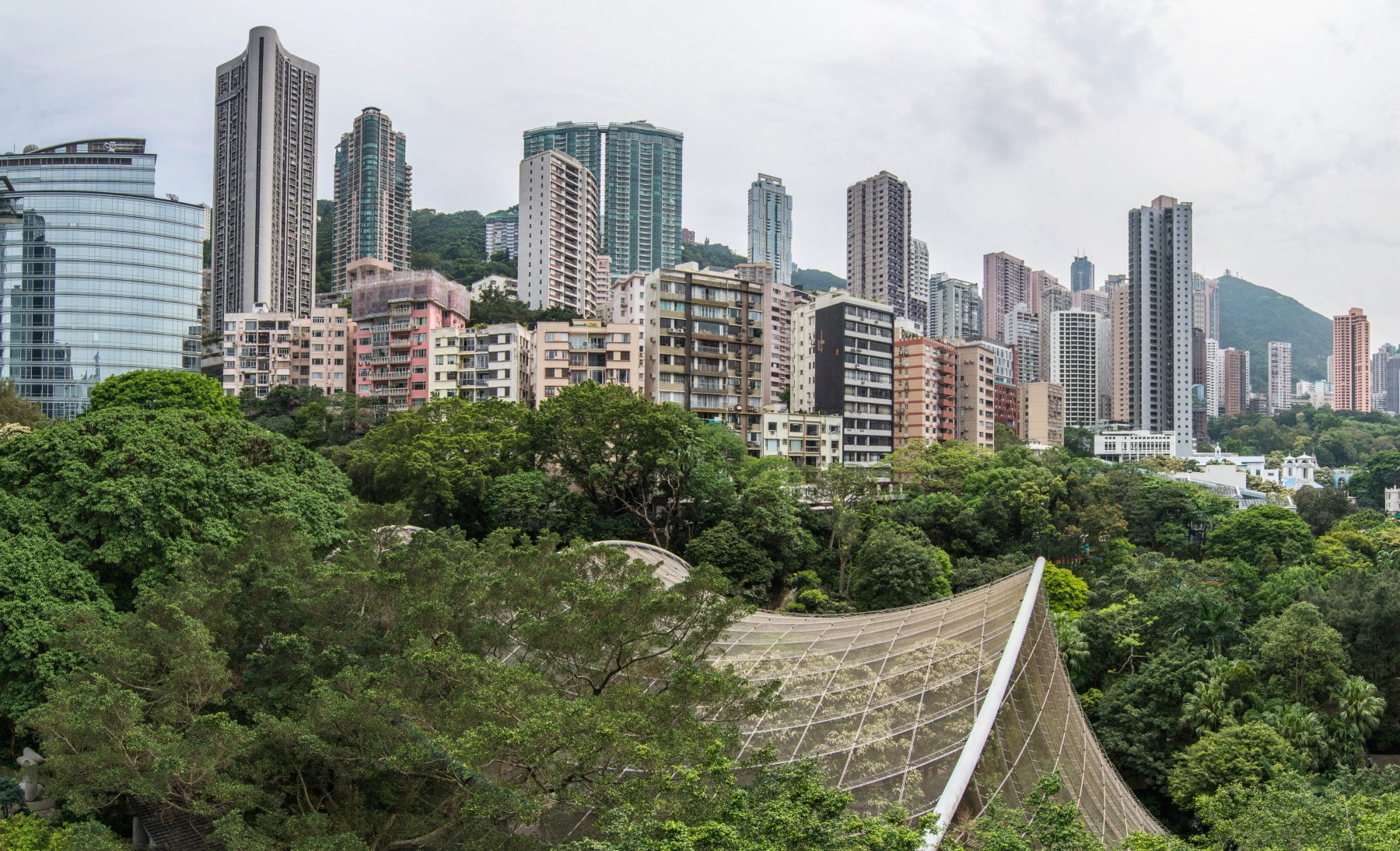
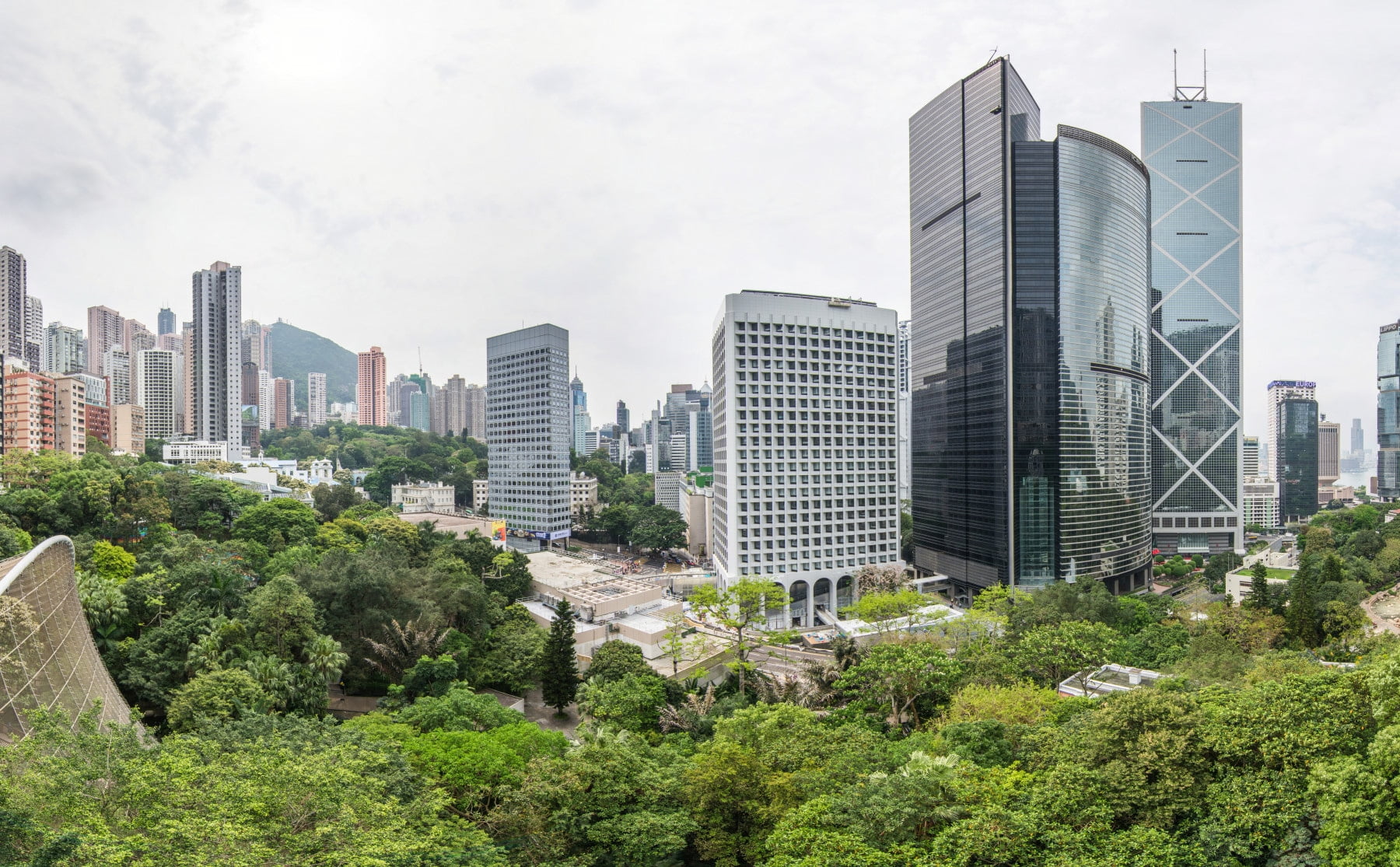
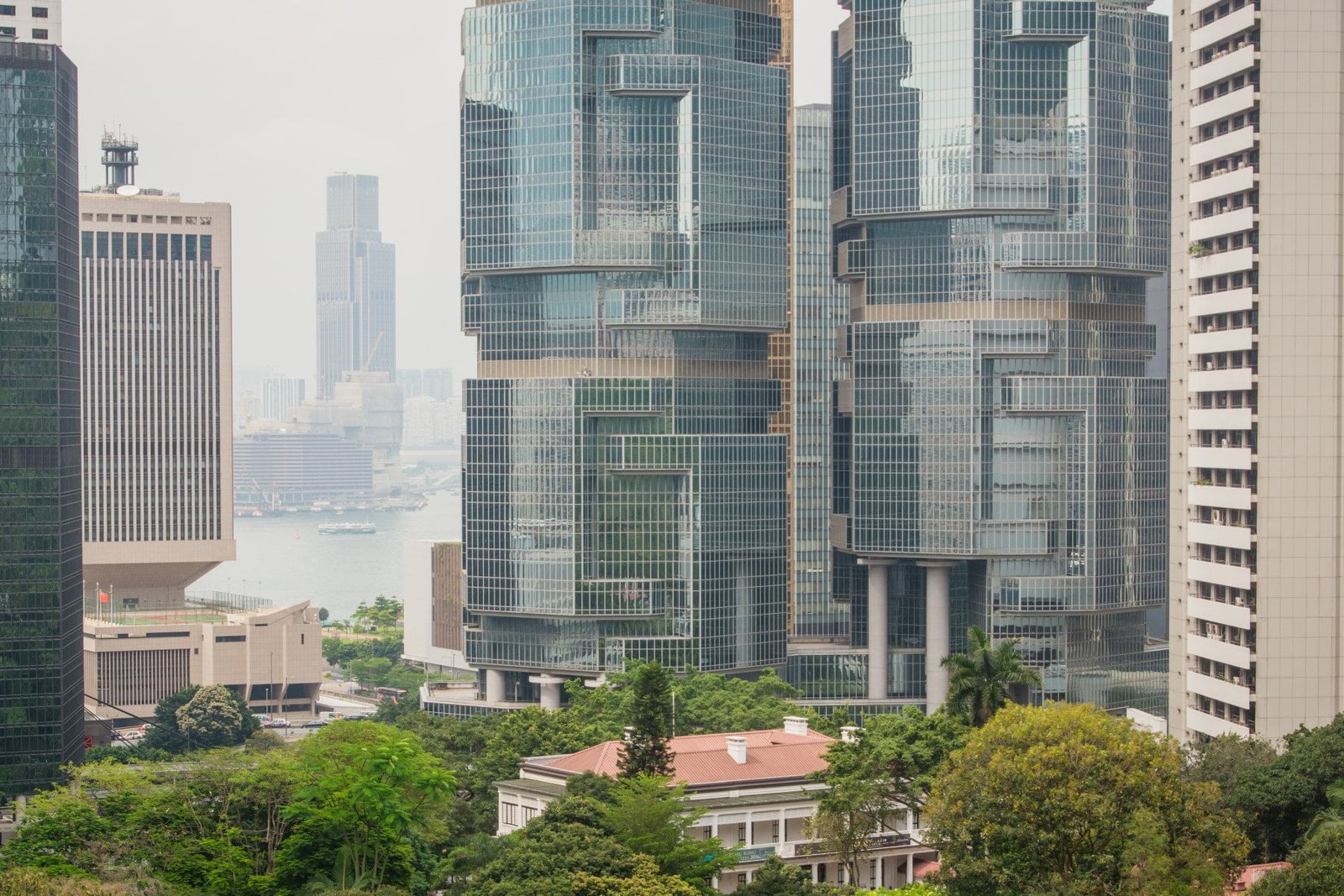
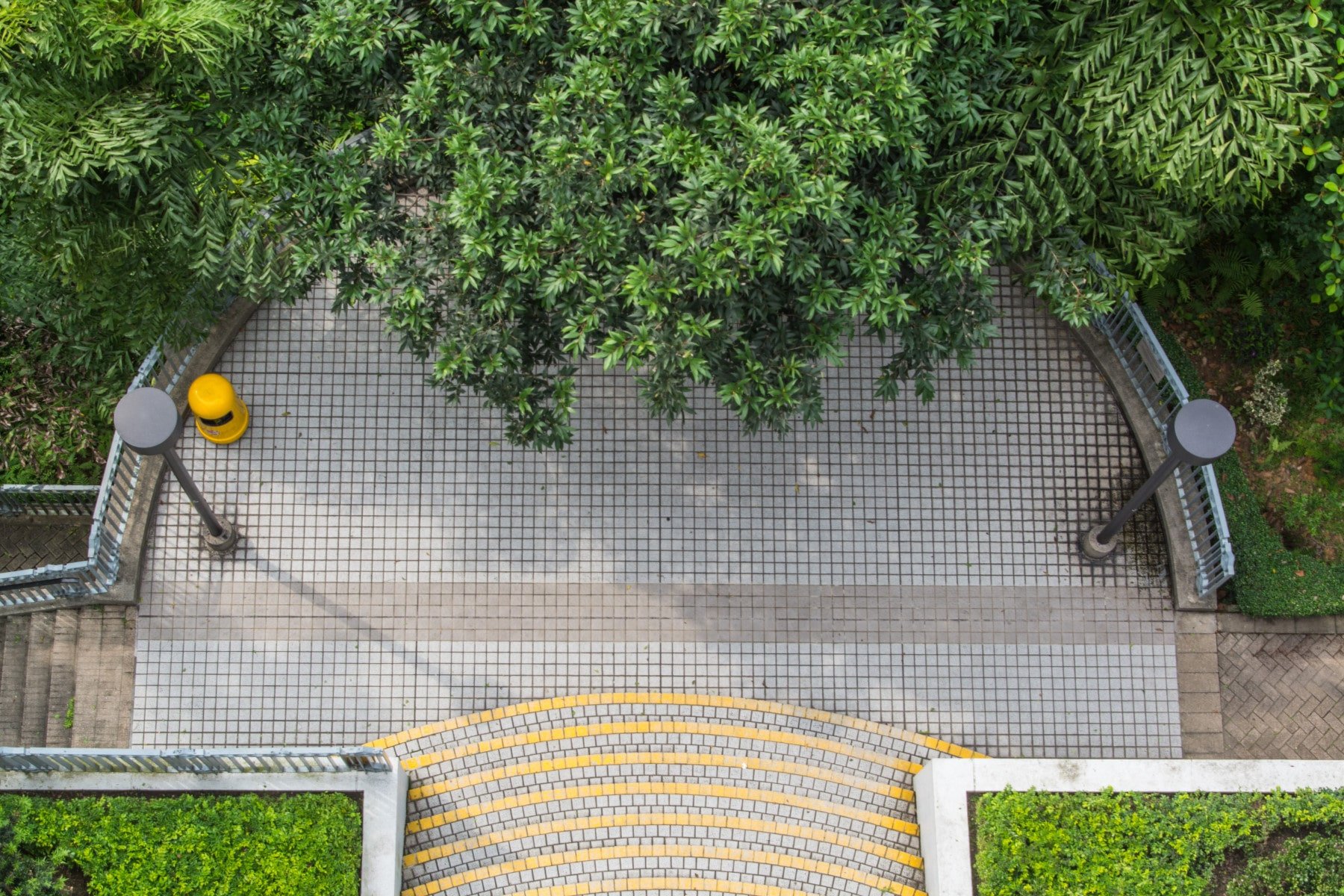
The advantage of Hong Kong is its abundance of small green spaces, meaning you can always find a patch of greenery to relax in. It's better than Singapore, which I discussed in my article on Gardens by the Bay , because while the city-state boasts 77 square meters of green space per inhabitant, which is already quite good, Hong Kong exceeds 100 square meters! Indeed, the city is often perceived as cramped and lacking in space, but in fact, the autonomous region has limited building zones. As a result, no less than 75% of its green space is undeveloped and mostly protected.
Hong Kong Park is just one example among others. And while it may be modest in size, it's still nice to walk surrounded by nature rather than on a crowded sidewalk.
Hong Kong Museum of History and Science Museum
After leaving the park, it was mid-afternoon, and Jitima wanted to go to one of the city's museums, located on the other side towards Kowloon (near Tsim Sha Tsui). So, after a short metro ride, we headed to the Hong Kong Museum of History, which also houses the Hong Kong Museum of Science. I was amused by a series of Imperial soldiers lined up on the stairs, a reference to a Star Wars exhibition currently on in the area. However, the museum itself was a bust… since it's closed on Tuesdays, and that was precisely the day we were going (which just goes to show that doing a little research beforehand can be helpful…).


For information about museums (opening times and admission fees):
- History Museum: Hong Kong Museum of History
- Science Museum: Hong Kong Science Museum
Since we hadn't eaten yet, even though it was early enough for dinner (being used to eating at any hour in Thailand anyway), we challenged ourselves to go back to the restaurant where Jitima's friend had been, whom we'd met during our first trip to Hong Kong two months earlier. He'd been a student with Jitima when she was in Australia, and they'd stayed in touch. So we met up for a meal in Tsim Sha Tsui that same evening, the same day we'd visited the Tian Tan Buddha and the fishing village of Tai O.
It was a bit of a "challenge" in the sense that we just went with the flow after meeting at a metro exit and hadn't really paid attention to where we ended up. But we liked the restaurant's atmosphere, so we wanted to try going back on our own. Starting from the same meeting point, I was able to rely on my good sense of direction to find the discreet elevator leading to this restaurant. As a reminder, it's the Mui Kee cookfood stall, which is part of Carnarvon Plaza on the 5th floor, but is accessed via a separate elevator near street level.


And that concluded our single day of sightseeing, which, to put things in context, was a voluntary extended stopover from Bangkok on our way to the United States. Since the main ticket was Hong Kong to Minneapolis, and cheaper than a direct flight from Bangkok, it was better to book a separate Bangkok-Hong Kong flight with a low-cost carrier like Air Asia. On the return trip, we stopped there again, and it was at that point that we visited Lamma Island , south of Hong Kong.
Did you like the article? Share it on Pinterest!

