


When planning a trip to Thailand, people usually think first about the itinerary, hotels, and transportation. Health often comes later, because nobody really wants to imagine getting sick or having an accident during their vacation (and that's perfectly understandable).
Fortunately, Thailand is not an isolated destination: pharmacies are plentiful, and major cities and main tourist areas have well-equipped clinics and hospitals. Therefore, it is not necessary to pack a complete first-aid kit.
However, a few checks before departure are still useful: updating vaccinations, preparing treatments correctly, putting together a small first aid kit can always come in handy, and above all, checking precisely what your insurance covers.
It's much simpler to take care of it quietly at home than to discover the limits of your contract once you're outside a hospital.
Before departure: health precautions to take
Most travelers experience no particular health problems in Thailand. However, the precautions you should take depend on your health, the length of your stay, and the regions you plan to visit.
A classic two-week trip between Bangkok, Chiang Mai and the islands does not require the same preparation as an extended stay in a rural area, a trek near a border or a trip with young children.
If you are undergoing treatment, suffer from a chronic illness, or are planning any special activities, it is best to discuss this well in advance with your doctor or an international vaccination center.
▪️Do you need to get vaccinated to go to Thailand?
If arriving directly from France or another European country, no specific vaccinations are normally required to enter Thailand. However, it is still recommended to be up-to-date with routine vaccinations , particularly those against diphtheria, tetanus, polio, pertussis (whooping cough), and measles.
The Pasteur Institute also recommends vaccination against hepatitis A. Other vaccines may be considered depending on the duration and conditions of the trip:
- Hepatitis B, particularly for long or repeated stays;
- typhoid fever, in the event of a prolonged stay in precarious hygiene conditions;
- rage, for certain rural or isolated stays, especially with young children;
- Japanese encephalitis, especially for prolonged stays in rural areas during the transmission period.

Yellow fever vaccination is not required for travel from Europe. However, a certificate may be required if you are arriving from a country where the disease is present, including after a transit of more than twelve hours in certain affected airports.
These recommendations may change and depend on each traveler, so always check the latest information with your doctor, the Pasteur Institute or France Diplomatie.
▪️Traveling to Thailand with medical treatment
A medication authorized in France is not automatically subject to the same regulations in Thailand. Certain treatments may require prior notification or authorization, particularly those containing regulated substances.
If you need to bring medication:
- Keep medicines in their original packaging;
- only bring an amount consistent with the length of your stay;
- request a prescription in English listing the active substances under their international nonproprietary name;
- Check before departure whether the treatment is permitted and whether it needs to be declared;
- Keep essential medications in your hand luggage, respecting the airline's rules.
This verification is particularly important for certain powerful painkillers, sleeping pills, anxiolytics, or psychotropic medications. Do not rely solely on the fact that a medication was legally prescribed to you in France.
First aid kit and medications in Thailand
▪️What should you put in your first aid kit?
Obviously, there is no universal first aid kit. Its contents depend on your general health, the length of the trip, the expected distance from cities/civilization, and I would even say on your level of preparedness.
For a typical tourist trip, a small kit might contain:
- your usual treatments and their prescriptions;
- paracetamol for pain and fever, if you can take it;
- oral rehydration sachets;
- a treatment for diarrhea recommended by your doctor or pharmacist;
- a motion sickness medication if you are prone to it;
- a skin antiseptic;
- compresses and dressings of various sizes;
- blister plasters;
- a small thermometer;
- a mosquito repellent suitable for tropical areas;
- sun protection;
- an alcohol-based solution.
If you are travelling with children, make sure you have medication appropriate for their age and weight. Do not simply use a reduced dose of an adult medication without medical advice.

For trekking, staying on a sparsely equipped island, or spending several days in a remote area, consult a healthcare professional to tailor your medications. Conversely, there's no need to carry a large number of medications "just in case" for travel between major tourist destinations.
▪️Is it easy to buy medicine in Thailand?
Yes. Pharmacies are very numerous in Thailand, both in shopping malls and on shopping streets. In tourist areas, it's generally even possible to communicate in English.
It can be tricky to navigate the market, as brands aren't always the same as in France. The easiest approach is to know the name of the active ingredient you're looking for rather than just asking for a brand name, or simply ask pharmacists who should be able to help.
Pharmacies make it easy to complete a first-aid kit with common products: bandages, antiseptics, paracetamol, rehydration solution, mosquito repellent or motion sickness treatment.
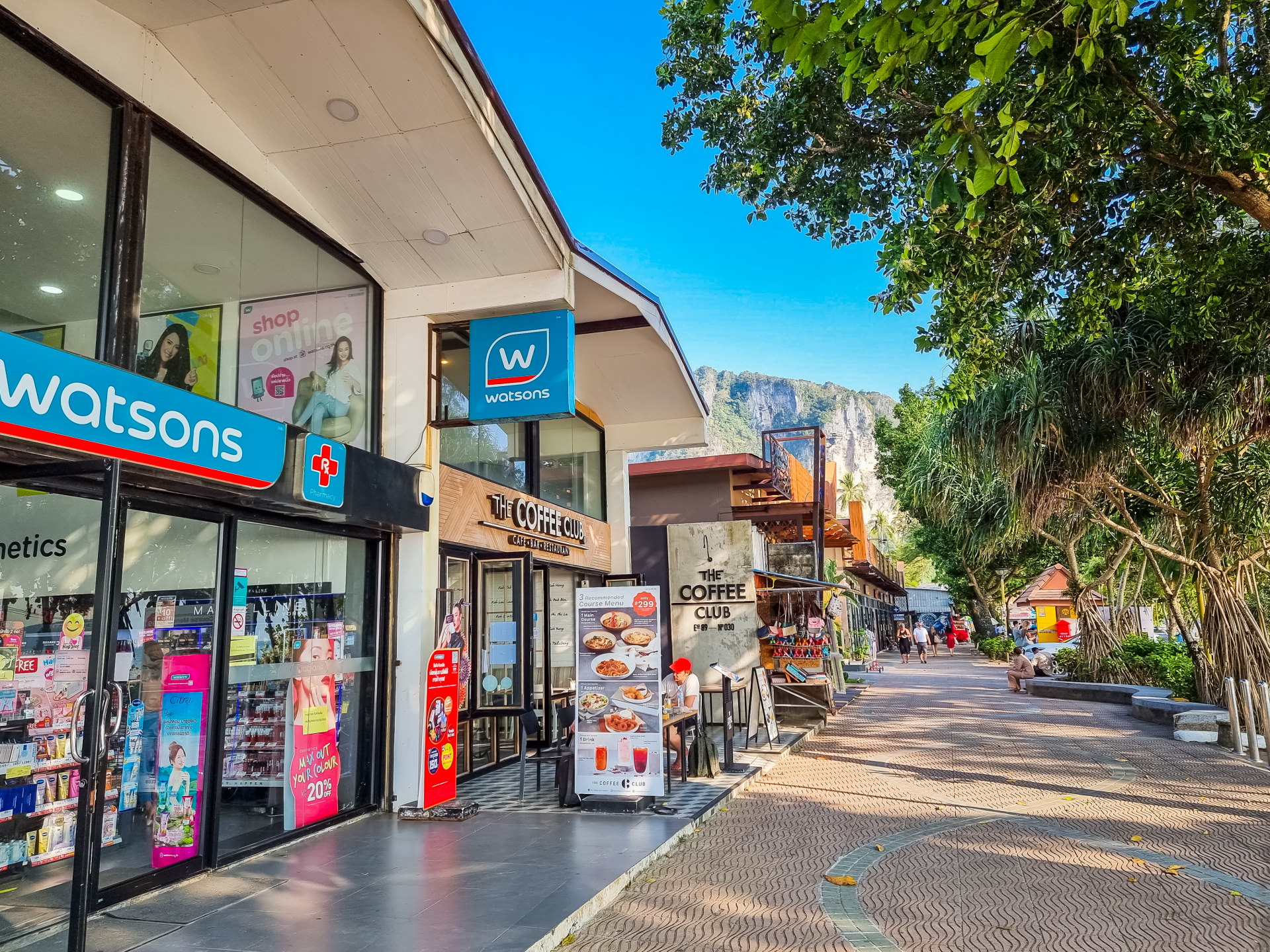
Besides independent pharmacies, you will also find brands like Watsons and Boots, which are very present in shopping centers and tourist areas.
They are more like large drugstores, with health, hygiene, and beauty products, but many branches also have a proper pharmacy area with a pharmacist. Since this service isn't available everywhere, check for the word "Pharmacy" and/or the cross symbol if you need medication or advice.
For a genuine medical problem, such as an allergy, high fever, or persistent symptoms, don't just buy several medications at random. Ask your pharmacist for advice and consult a doctor if necessary.
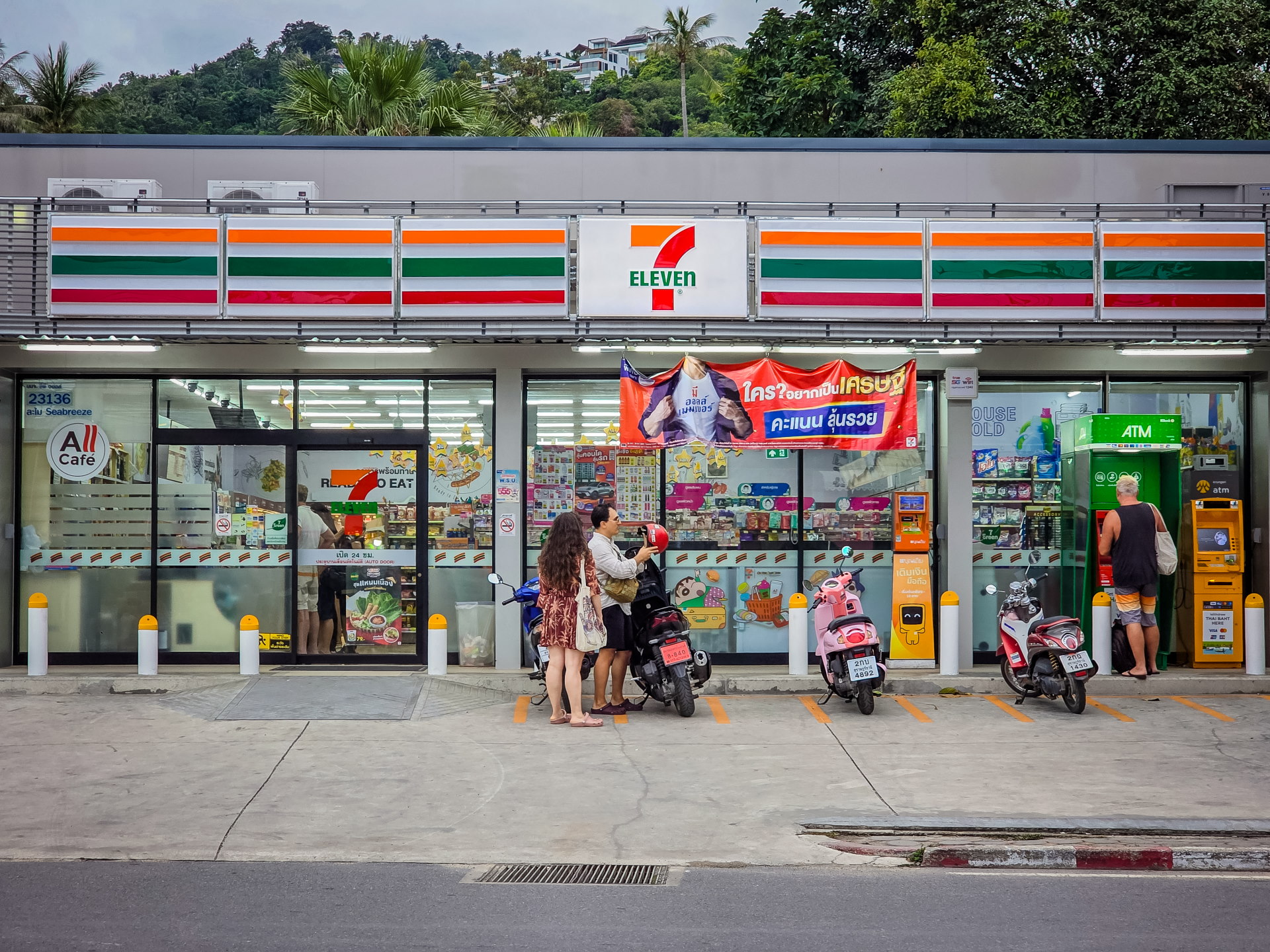
7-Eleven and other convenience stores sell some basic necessities, including bandages, hygiene products, sunscreen, and insect repellent. For medication and personalized advice, it's best to go to a proper pharmacy.
Avoid medications sold on the street, in markets, or without identifiable packaging. The risk of incorrect dosage, improper storage, or counterfeiting does not justify the savings.
The main health risks in Thailand
▪️Mosquitoes and dengue fever: precautions to know
Mosquitoes are one of the main health risks to consider in Thailand. Dengue fever is present in the country, including in cities and tourist areas.
Unlike mosquitoes that transmit malaria, those responsible for dengue fever bite mainly during the day. Therefore, you shouldn't wait until evening to use insect repellent.

The most useful precautions are simple:
- apply a suitable repellent to exposed parts of the body;
- Reapply according to the manufacturer's instructions, especially after swimming;
- wear light but covering clothing when mosquitoes are numerous;
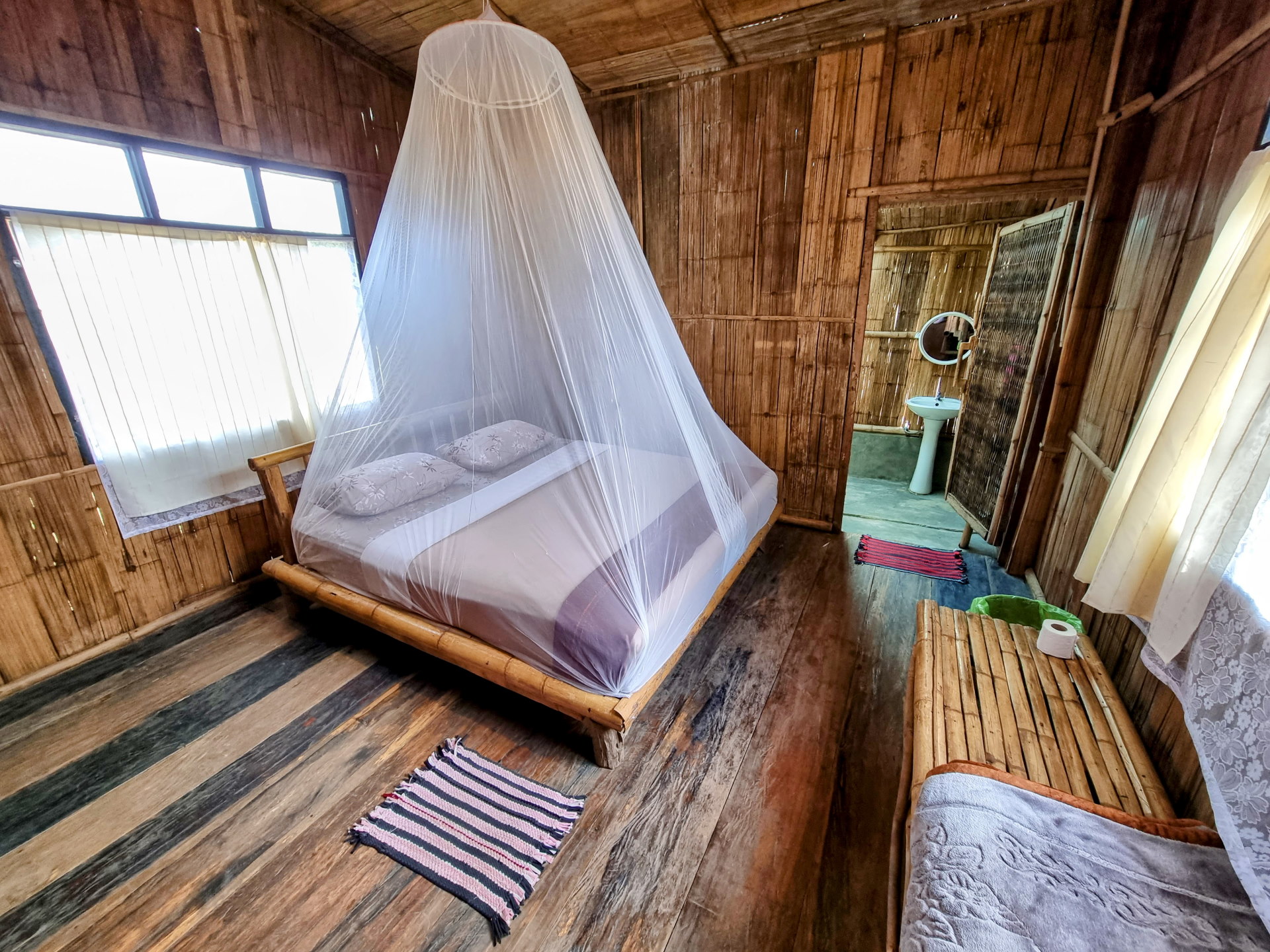
- use a mosquito net if the accommodation is open or poorly protected;
- Opt for a room equipped with mosquito nets on the windows, a fan or air conditioning.
Mosquito nets are usually already provided when they are truly necessary. For a typical hotel stay, it is therefore not necessary to carry one systematically.
If you experience a high fever, severe headache, body aches, or a rash, seek medical help promptly. Due to the risk of dengue fever, avoid aspirin and anti-inflammatory medications such as ibuprofen without consulting a doctor.
And what about malaria?
The risk of malaria is mainly localized in certain rural and forested areas near the borders with Myanmar, Cambodia and Laos.
There is no particular risk in major cities like Bangkok or Chiang Mai, nor in the main tourist resorts of Phuket and Ko Samui.
For a classic tourist circuit, the Pasteur Institute does not recommend systematic preventive treatment, which often involves side effects making the benefit/risk ratio unattractive.
Medical advice is still necessary if you are planning a prolonged stay or overnight stays in an isolated border area, or more broadly if you are continuing your stay in other Asian countries.

▪️Heat and dehydration
The heat and humidity can be challenging, especially during the first few days. The Thai climate, particularly during the hot season (March to May), can be a shock to many, especially for those unaccustomed to it.
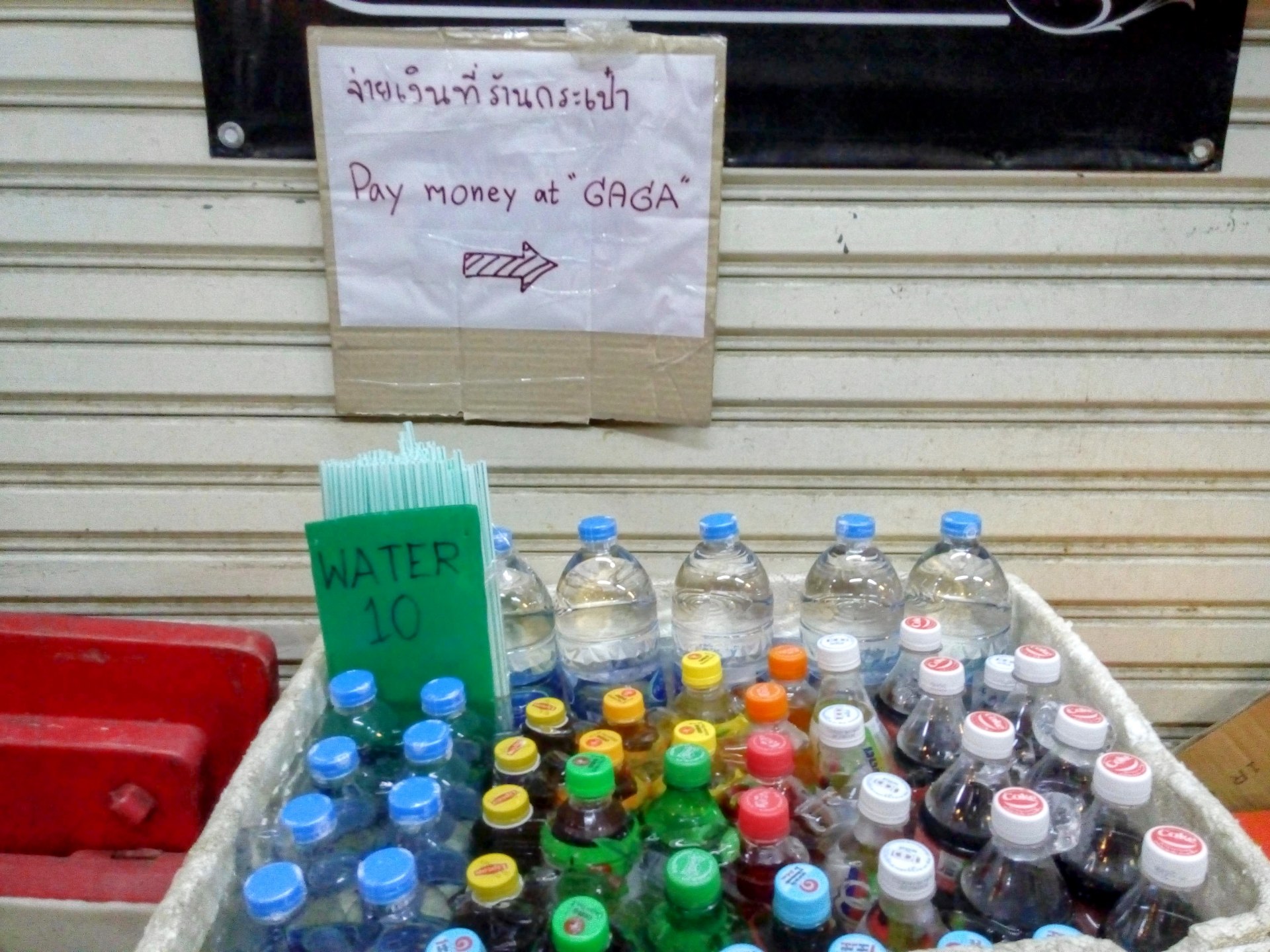
It may seem a bit "obvious" as advice, but drink regularly. It's easy to faint if you forget to hydrate yourself sufficiently (you can find small bottles everywhere, but a reusable water bottle is also a good way to avoid consuming too much plastic).
Furthermore, be sure to bring sun protection and avoid sightseeing during the hottest hours if you are sensitive to heat. While holidays often go hand in hand with tanning, the Thai climate is not conducive to prolonged sun exposure. The UV index is generally very high, and the sun can be extremely strong.
The classic case is a day of snorkeling where you spend your time in the water, forgetting to reapply sunscreen while constantly exposed.
▪️Digestive problems and diet
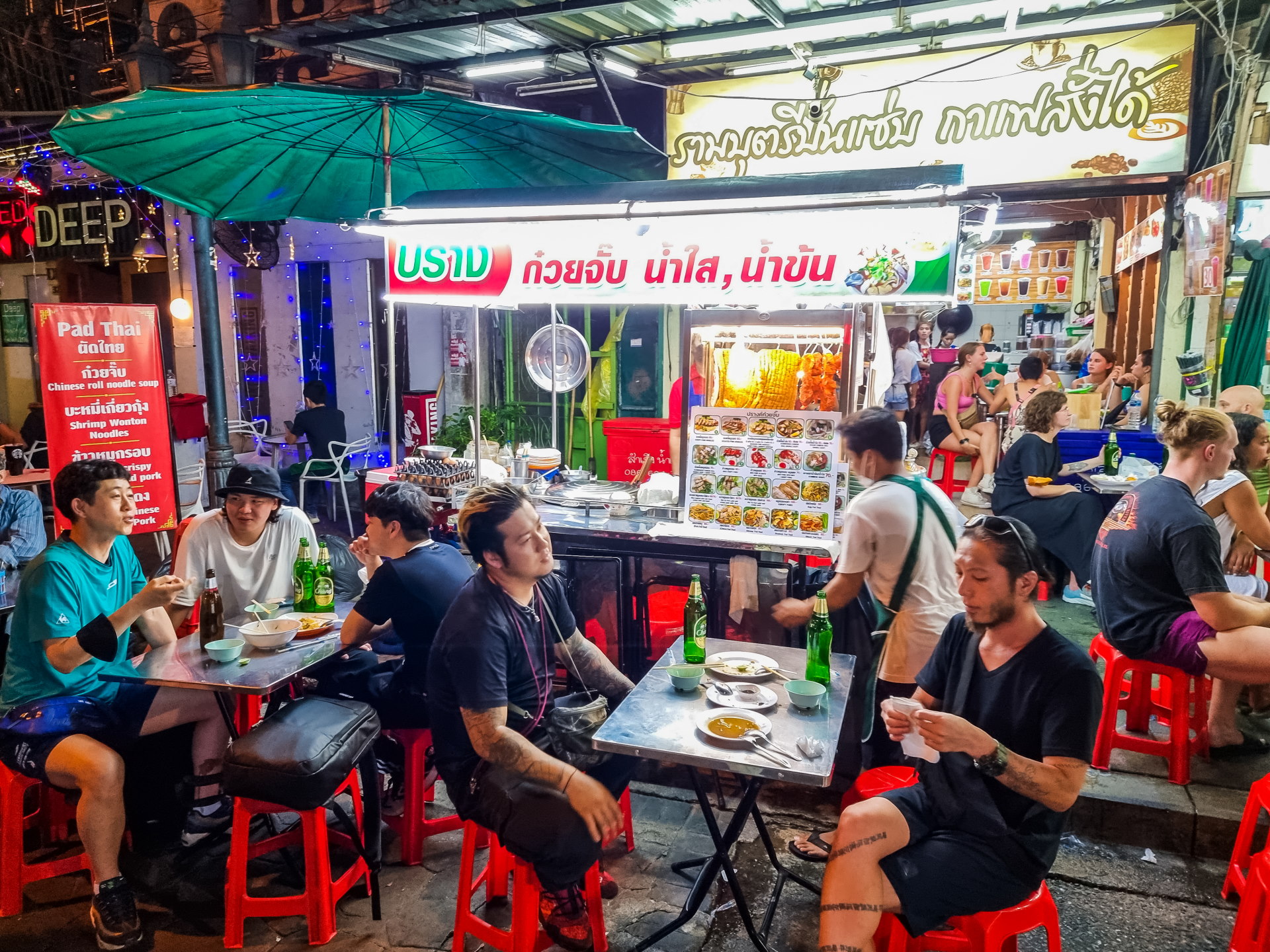
Street food doesn't always make you sick. A busy stall, where food is prepared and cooked right in front of you, can be preferable to a buffet that's been sitting at room temperature for hours. Trust your common sense when choosing where to eat—after all, there's a reason Thai street food is world-renowned!
Regarding drinks, another misconception: the ice cubes served in Thailand are industrially produced and therefore perfectly safe to drink, posing no particular problem. So there's no need to deprive yourself of a cold drink in 35°C heat!
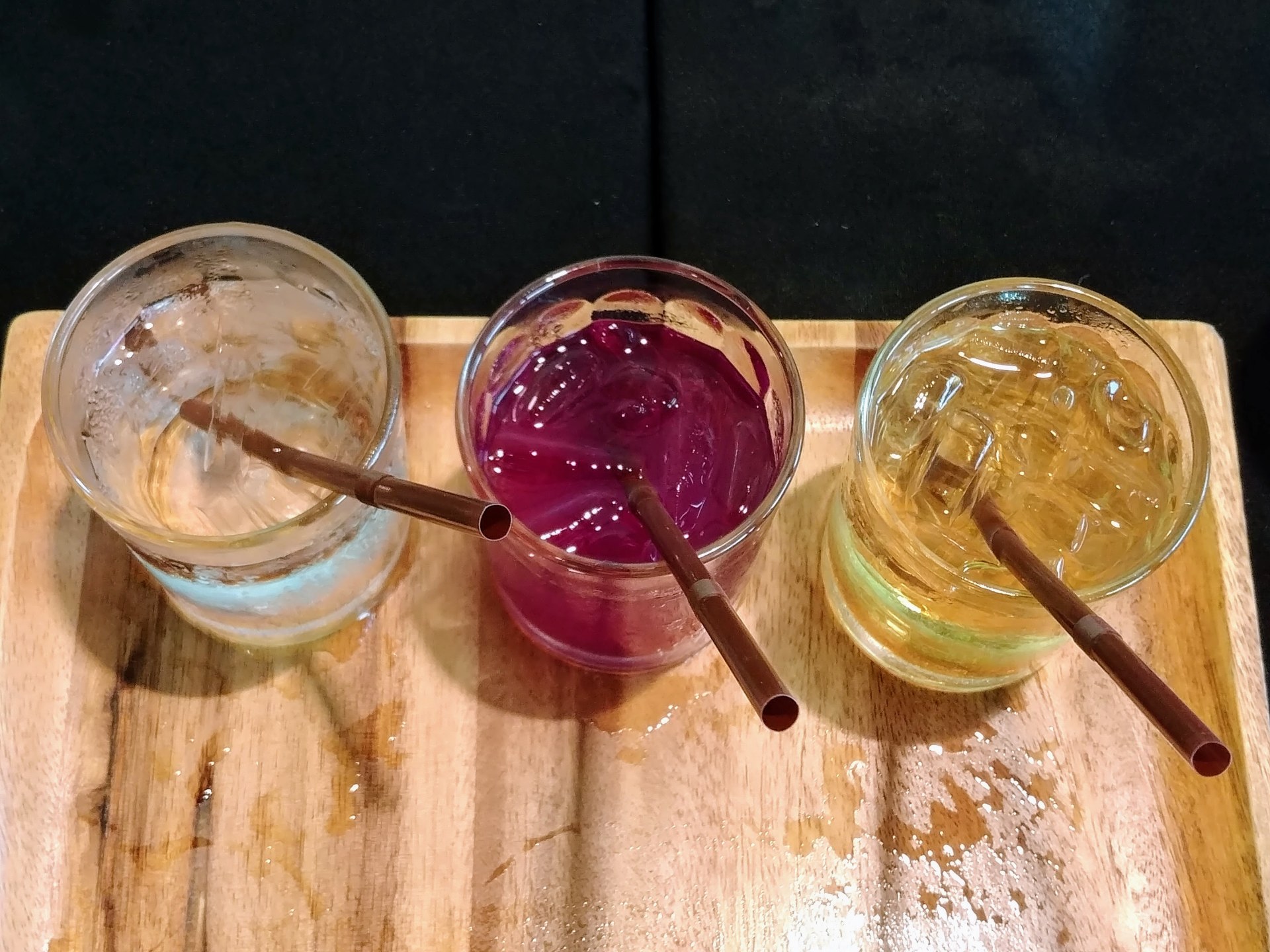
However, opt for bottled water for everything else and wash your hands regularly. If you have diarrhea, the most important thing is to avoid dehydration. Consult a doctor if the symptoms are severe or persistent, if they are accompanied by fever, or if there is blood in the stool.
▪️Dogs, monkeys and other animals
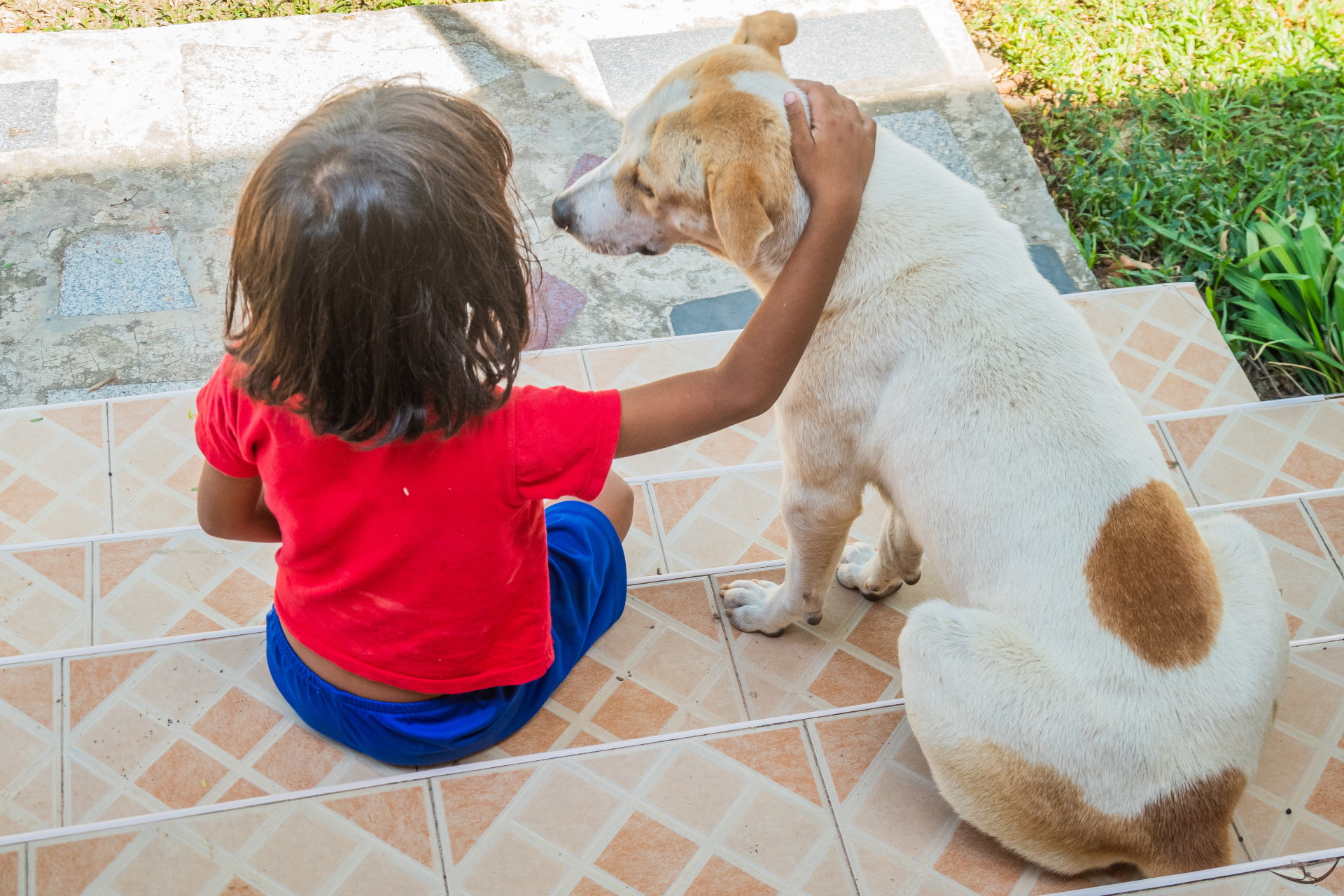
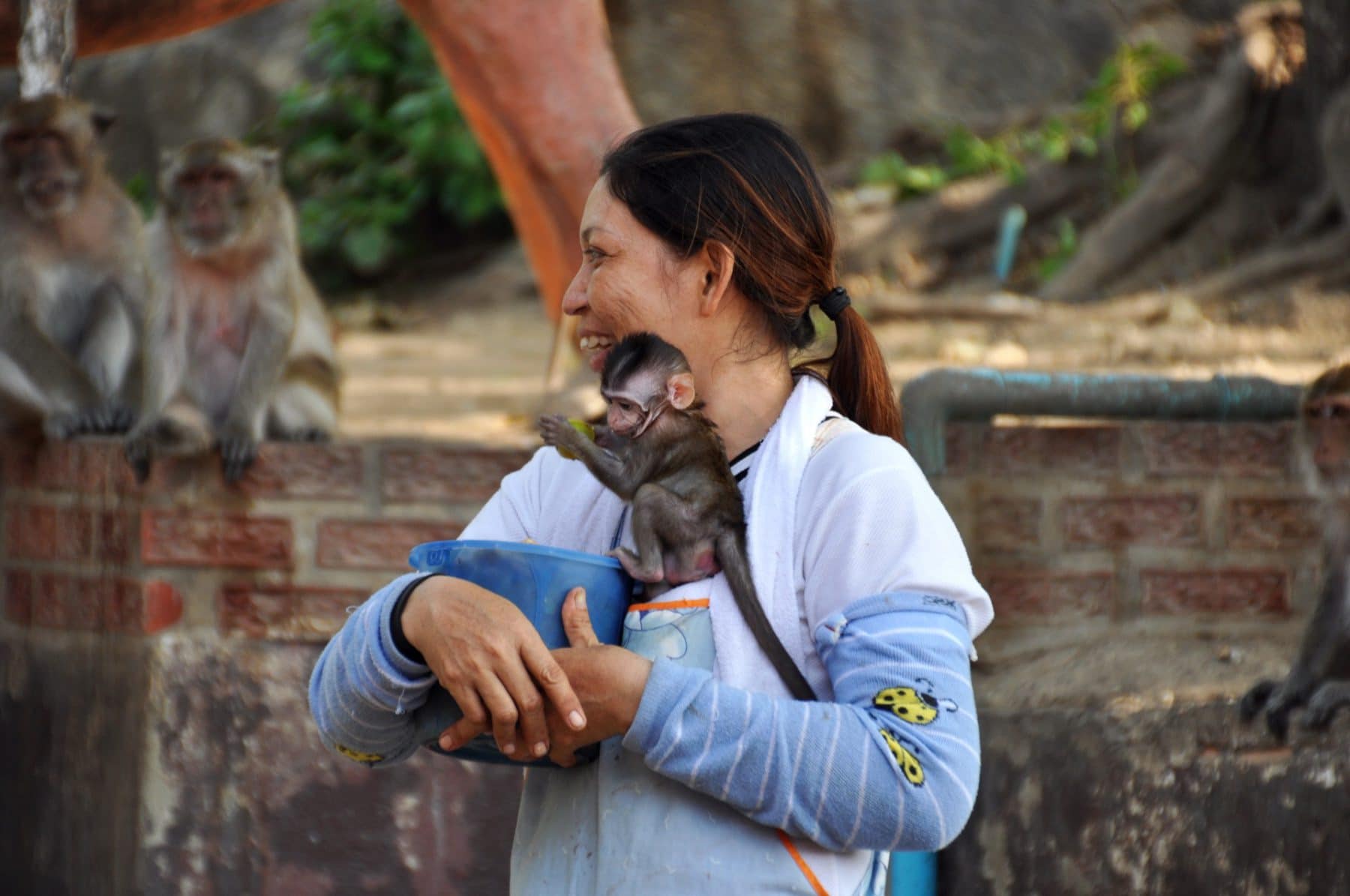
Even though they may seem used to tourists, avoid petting or feeding stray dogs and monkeys. Rabies is still present in Thailand.
In case of a bite or scratch, immediately and thoroughly clean the wound with soap and water, then seek medical attention without delay. This step remains necessary even if you have received a preventative rabies vaccination; a booster is generally recommended.
▪️Road accidents
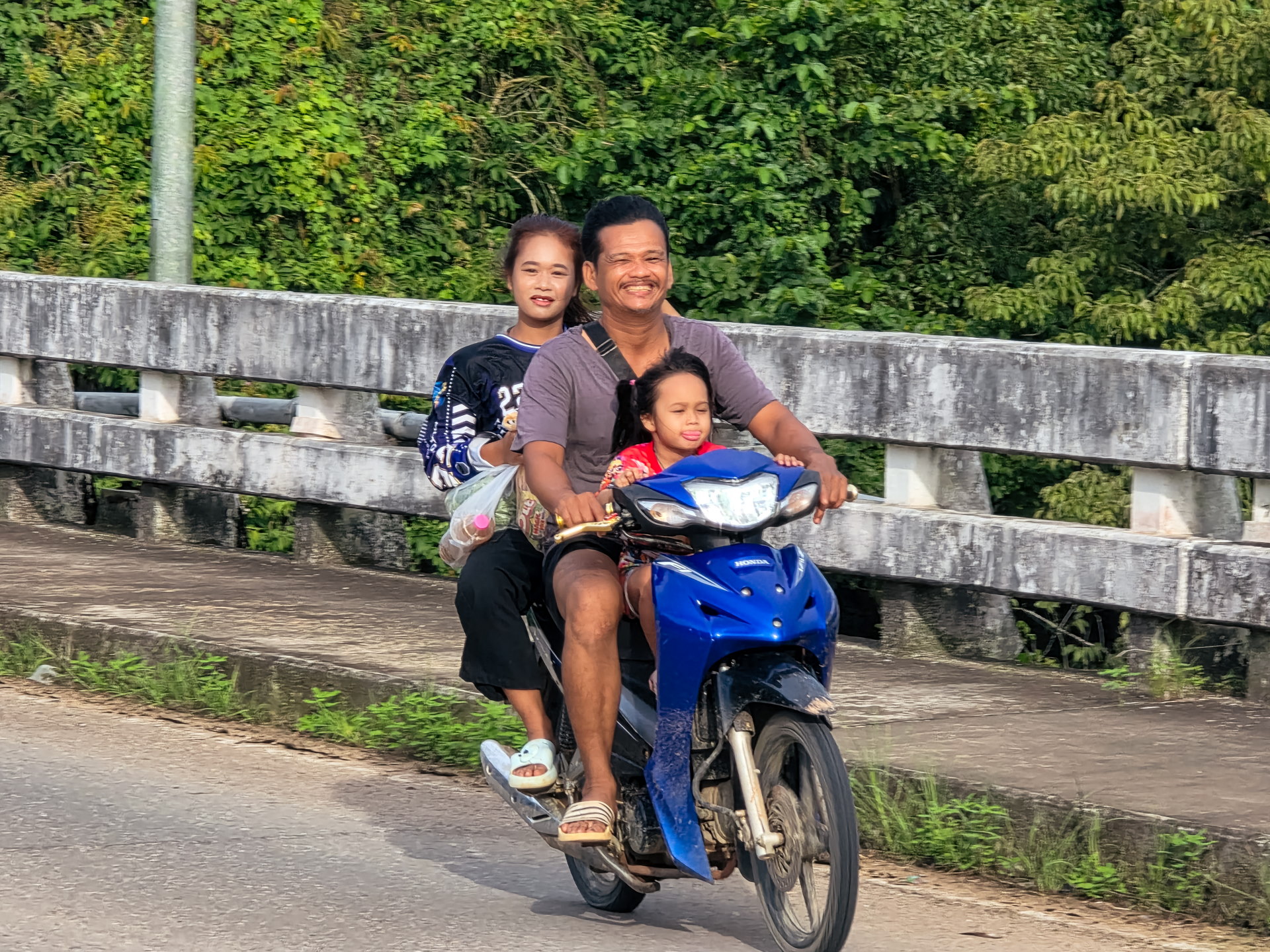
In practice, traffic poses a far more immediate risk to travelers than most tropical diseases. Always wear a helmet on a two-wheeler, a seatbelt in a car, and avoid driving if you are not familiar with the vehicle or local rules.
This also applies after consuming alcohol, even for a very short journey.
→ I invite you to read my article on driving in Thailand
Getting medical treatment in Thailand
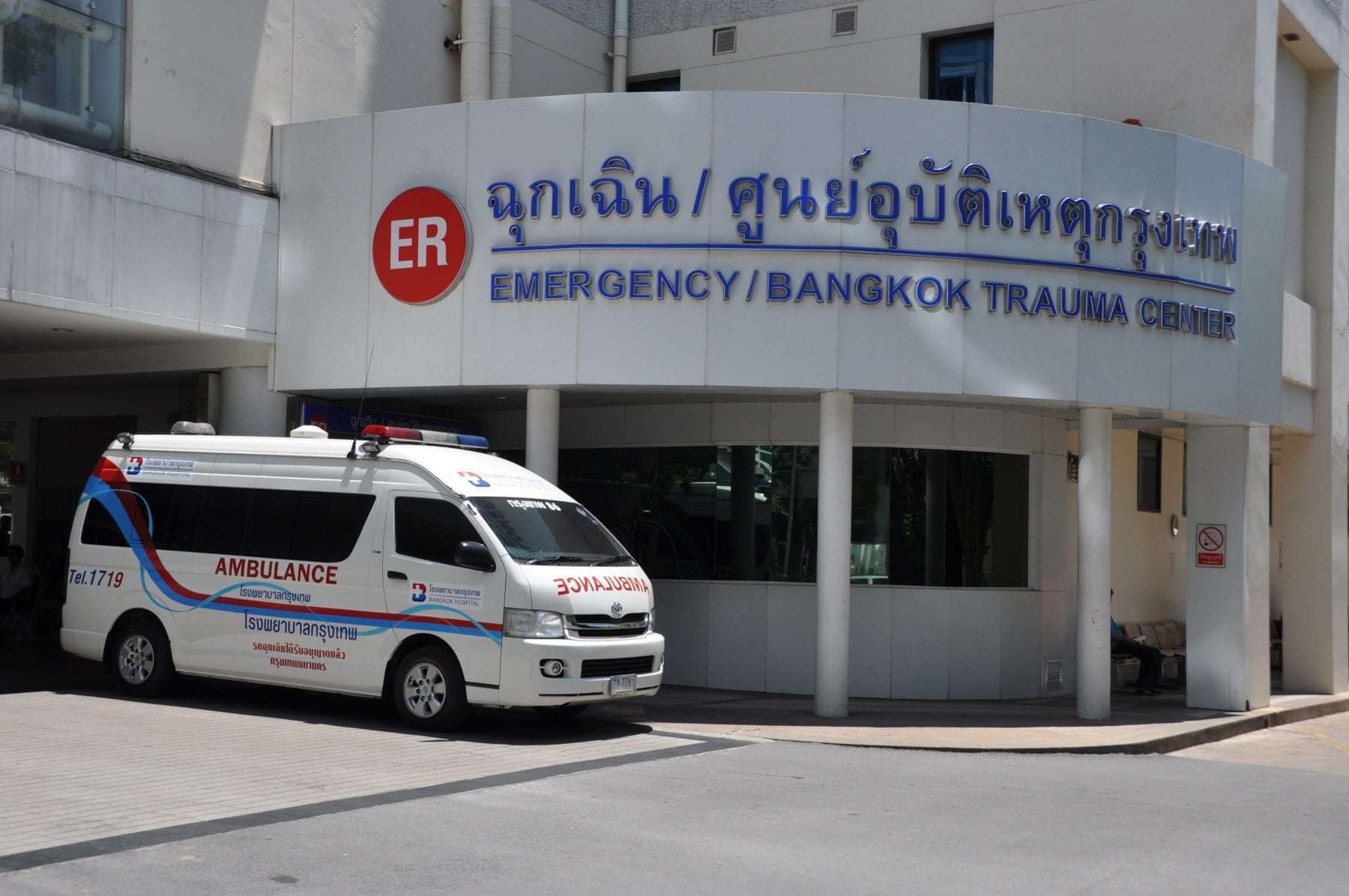
Thailand has excellent medical facilities, particularly in Bangkok, Chiang Mai, Phuket, and other major cities. Private hospitals are modern and offer very high-quality care, often exceeding expectations.
Institutions such as Bangkok Hospital, Bumrungrad International Hospital, or Samitivej in Bangkok or Phuket are renowned throughout Asia for their level of service and state-of-the-art facilities.
The downside is that the prices are high, and if there is a serious problem, the bill can quickly mount up.

Public hospitals, while certainly much cheaper, are often overcrowded, with long waiting times, and sometimes a limited level of English (which can quickly complicate treatment).
The advice remains simple : it is better to be covered by good travel insurance so that you can receive treatment in good conditions without breaking the bank.
(I'll explain below why this is really a point not to be overlooked.)
In a rural area or on a small island, local facilities will primarily handle routine problems and minor emergencies, but they have the advantage of at least being available. There are also a few private clinics, better suited to an international clientele, but also more expensive. In all cases, evacuation to a major city may be necessary for more serious procedures.
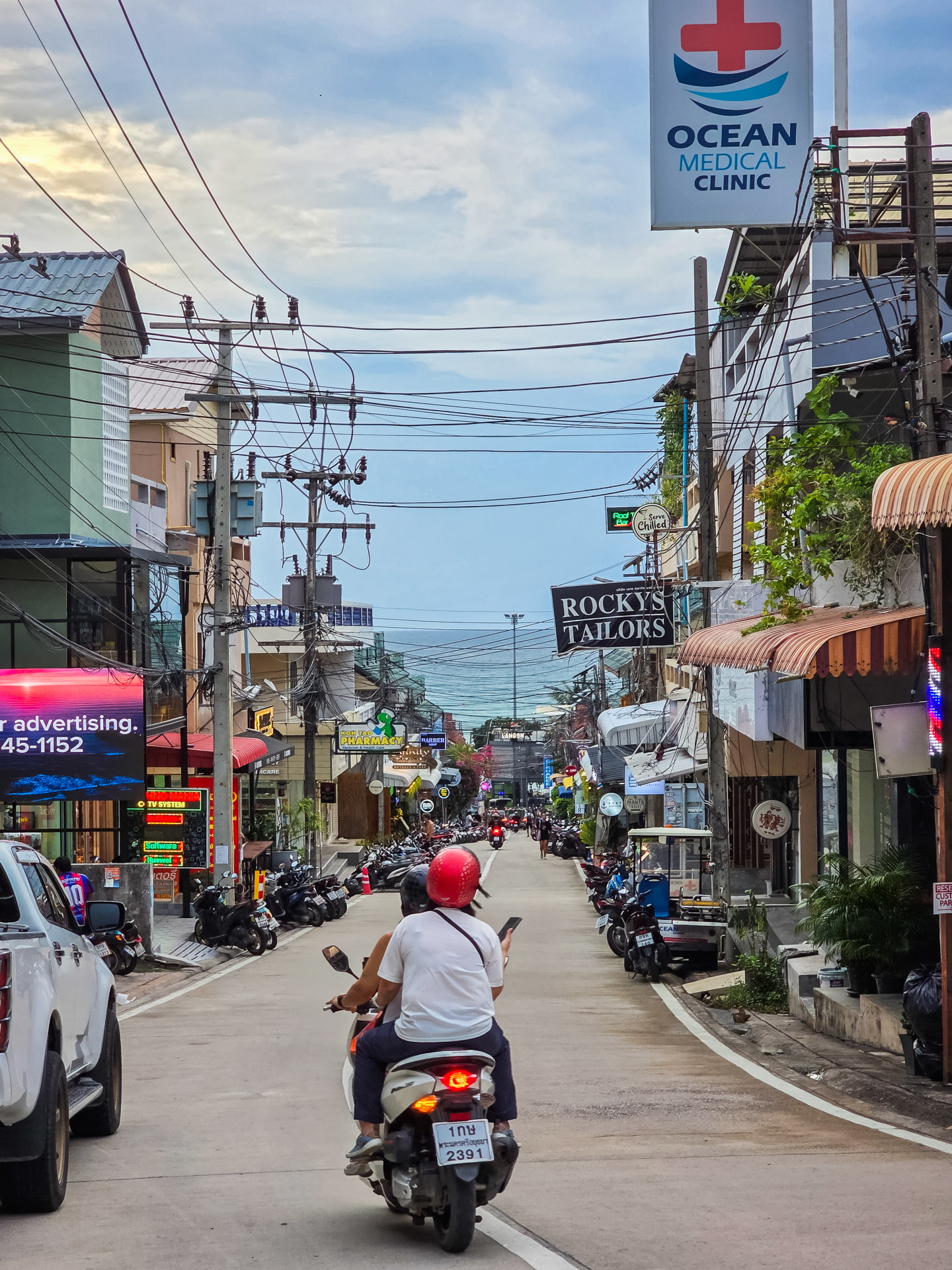
In case of a problem:
- Contact your insurance company's assistance as soon as possible;
- ask if she can arrange direct care;
- Keep your invoices, prescriptions and medical reports;
- Do not sign a document that you do not understand without asking for an explanation;
- In case of a life-threatening emergency, seek medical attention as a priority and contact the insurance company as soon as the situation allows.
Some numbers to save:
- 1669 : medical emergencies and ambulance;
- 1155 tourist police;
- 191 : police and general emergencies.
Travel insurance for Thailand
Travel insurance is not strictly mandatory for entry into Thailand, but it is highly recommended. While routine medical care is generally affordable, hospitalization, surgery, or repatriation can quickly become very expensive.
But as I just mentioned, the best private establishments in large cities and tourist resorts offer a very good level of care, but this quality comes at a price and a guarantee of payment may be required before certain treatments or hospitalization.
▪️Is the bank card insurance sufficient?
Some bank cards include insurance or assistance abroad, but the coverage varies considerably depending on the bank and the type of card. It is not automatically sufficient in all situations.
Before relying on it, check in particular:
- the maximum duration of the covered stay;
- the limits on reimbursement of medical expenses;
- the conditions for advance payment or direct payment of costs;
- medical repatriation;
- civil liability abroad;
- franchises and exclusions;
- the people actually covered by the card;
- the possible requirement to have paid for the trip with this card.
The European Health Insurance Card is not valid in Thailand.
▪️Be aware of exclusions concerning scooters
Riding a two-wheeler is a particularly sensitive issue. Simply renting a scooter easily does not automatically provide coverage in the event of an accident.
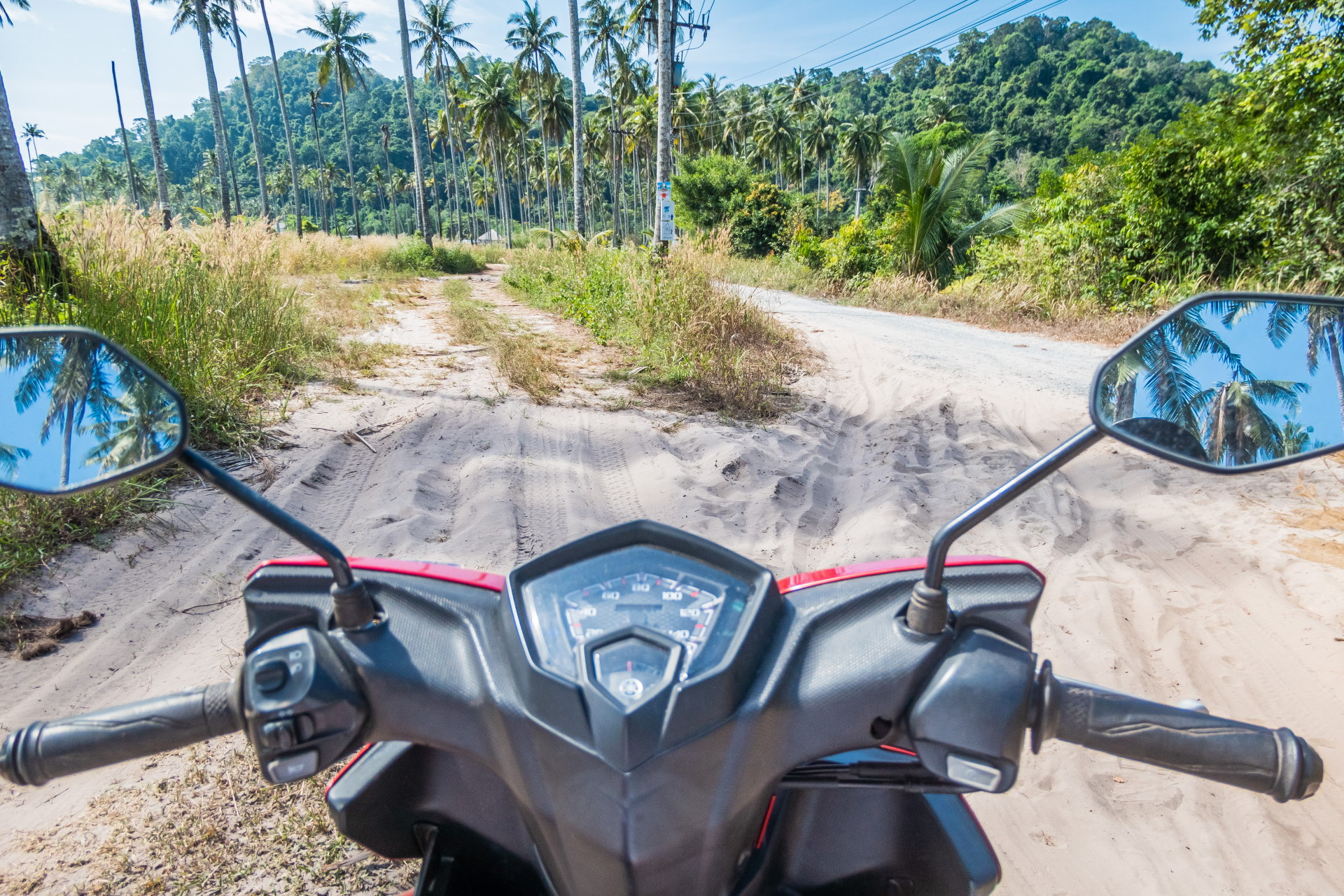
If you plan to drive, check the insurance company's requirements: license category (in Thailand, a category A license is required for motorcycles, regardless of engine size), a valid international driving permit, helmet use, and compliance with local laws. An insurance company may refuse coverage if the policy conditions are not met.
This also applies to passengers: check that you are covered if you ride on the back of a scooter driven by another person.
For my part, I recommend ACS Travel Insurance , which offers several packages depending on the duration and type of stay.

Transparency: if you purchase insurance through this link, I will receive a commission, at no extra cost to you.
Regardless of the company you choose, take the time to read the coverage and exclusions that correspond exactly to your plan. The name of the insurance company matters less than the actual content of the contract.
Prepare the rest of your stay in Thailand
Health and insurance are obviously only part of the preparations. To organize the rest of your trip, you can find my various guides dedicated to Thailand:
- the complete guide to planning a trip to Thailand ;
- my suggested itineraries for a first trip ;
- the guide to transport in Thailand ;
- my guidelines for calculating your budget.
Preparing your health before a trip isn't about filling your suitcase with medication. The most important thing is to know your own needs, check your treatments and insurance, and then pack a small, appropriate first-aid kit.
Thailand makes it easy to find things you might have forgotten. However, in case of a real problem, it's best to consult a doctor quickly rather than buying multiple medications at random.
